
Published June 1, 2026 04:18PM
Nothing sets the ultralight hiking community abuzz like a new fabric. Sometimes, a fabric is so good that the hype doesn’t die down for nearly a decade, as is the case with Polartec Alpha Direct, a super-breathable fleece that’s become the building block for every ultralighter’s favorite midlayer. There are a few other ultralight fleeces out there, but nothing has dethroned Alpha Direct.
One cottage maker thinks it’s found the answer: Tecnowool. Farpointe Outdoor Gear says their new Tecnowool midlayer is slightly heavier, but “more comfortable and more adaptable” than Alpha Direct. We tested two samples, an ultralight crew neck and heavier-weight hoodie, to compare.
Construction
Farpointe specializes in simple, ultralight layers without many extra features. We tested the Tecnowool crew neck in 60 GSM fabric, and the Tecnowool Cruiser hoodie in 120 GSM fabric. Both have raglan sleeves, which keep seams away from your pack straps, and the hoodie has a cinch cord around the hood. The crew neck sells for $115, and the Cruiser hoodie for $130. Both are more expensive than the average Alpha Direct hoodie, which cost about $100 (Farpointe’s version is $95).
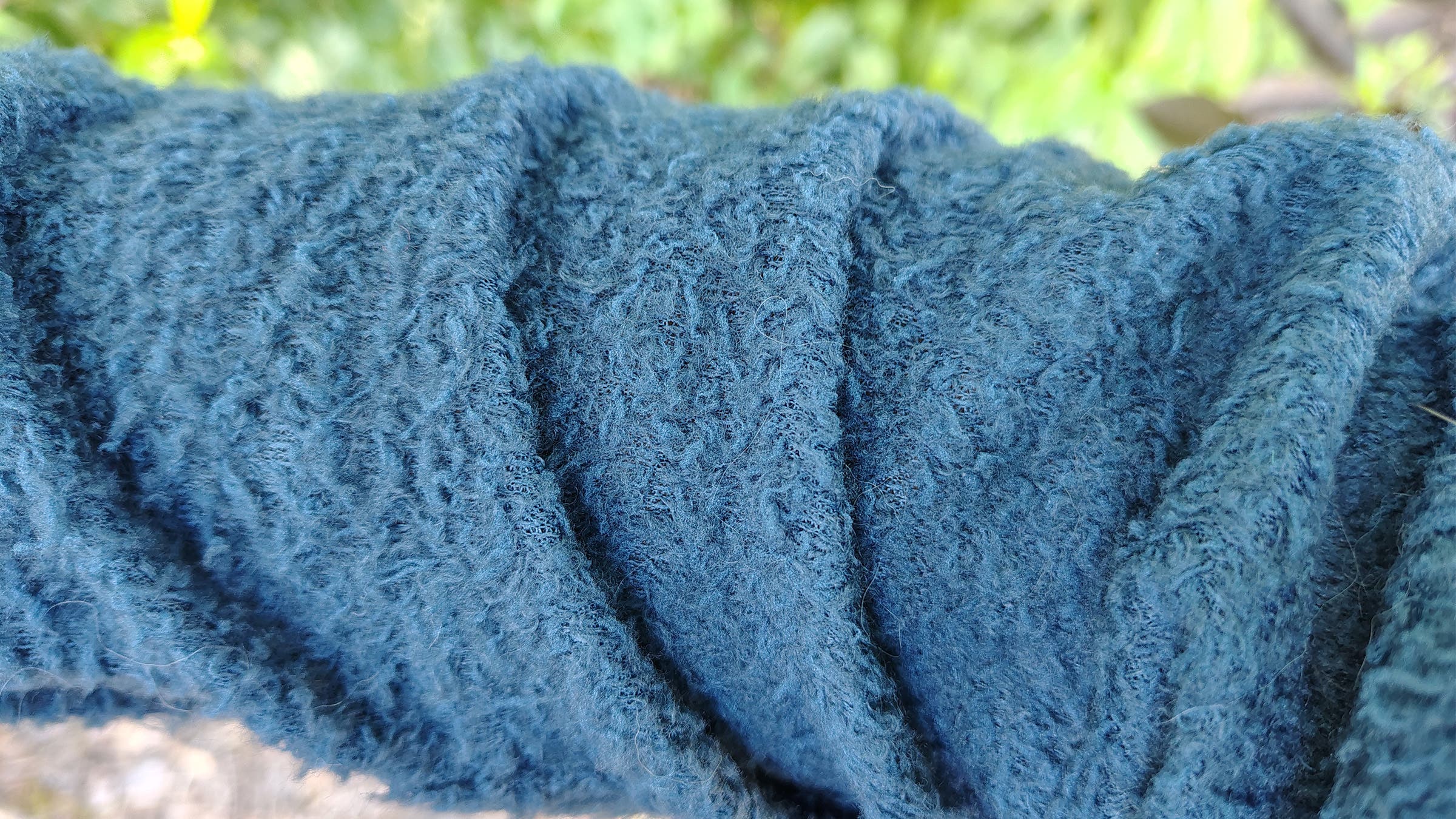
The most important distinction between the two fabrics is what they’re made out of. Alpha Direct is 100 percent polyester, whereas Tecnowool is a blend of wool, polyester, and nylon. Each weight of tecnowool has a slightly different blend: The 60 and 90 GSM are roughly 55 percent polyester, 35 percent wool and 9 percent nylon, and the 120 GSM is 55 percent polyester and 45 percent wool. Unlike many wool-synthetic blends, Tecnowool has two distinct layers: a synthetic base and wooly outer face with tufts of merino woven through the base.
Weight
Tecnowool and Alpha Direct are sold in the same fabric weights: 60, 90, and 120 grams per square meter (GSM). Technically, that means that garments made from each should weigh exactly the same, but it’s not the case: Tecnowool is slightly heavier. Farpointe’s 60 GSM Alpha hoodie weighs 3.8 ounces (size medium), and the Tecnowool is 4.4 ounces.
Moisture Wicking
One of the biggest differences between the two fabrics is water absorption. In brief, Alpha Direct’s 100-percent polyester fabric is hydrophobic, while the 40 percent wool in Tecnowool takes up moisture far more readily.
In practice, the performance of these two fabrics is fairly similar. While Alpha Direct absorbs basically no water, an Alpha shirt or hoodie will take up water or sweat in between the fibers and feel wet to the touch with enough of a deluge. Because Alpha Direct has such a loose, open structure, it takes a lot of moisture before it gets to that point.
With 40 percent merino wool, Tecnowool doesn’t share Alpha Direct’s hydrophobic nature. But wool also has a secret superpower when it comes to moisture wicking. Because wool readily soaks up moisture and traps it in its core, Tecnowool can absorb some sweat and still feel dry to the touch. It’s also less stinky. You can wear Tecnowool for several days back to back without picking up much odor. Alpha Direct, like many polyesters, is odiferous within a day or two.
In any case, both Alpha Direct and Tecnowool are excellent at sweat management. Alpha Direct gets the nod in terms of resisting moisture and drying quickly, while Tecnowool wicks moisture better and feels nicer against the skin once it’s wet.

Warmth
As is the case with Alpha Direct, Tecnowool has a next-level mix of warmth and breathability. Thanks to the loose structure of the Tecnowool fabric itself, you can feel air passing through the fabric just by swinging your arms or walking at a moderate speed. On its own, it’s so breathable that it doesn’t feel any warmer than a cotton shirt. But paired with something that cuts more wind, like a windshirt or even just a sun hoodie, its insulating powers become more apparent.
Compared to Alpha Direct, Tecnowool is slightly warmer and slightly less breathable (which makes sense, since it’s also slightly heavier). For ultralight layering purposes, the 60 GSM Alpha Direct still stands alone as the most breathable midlayer we’ve found. The best comparison is that the 60 GSM Tecnowool feels very similar to 90 GSM Alpha Direct. Paired with a windshirt, both of these layers are warm enough for hiking in temperatures down to around 30 degrees.
Feel
One big perk of Tecnowool is that it’s softer against the skin than Alpha Direct. Unlike Alpha Direct, Tecnowool has a very distinct face and backing side. The backing is far smoother, less fuzzy, and ultimately just feels better, especially as a next-to-skin layer.
Another unmistakable difference between the two is stretch. Tecnowool has four-way stretch, while Alpha Direct only has two-way stretch. Once it’s sewn into a shirt, that means Alpha Direct stretches side-to-side but not up and down. It’s a subtle difference, but it is noticeable. Tecnowool feels stretchier layered under other fabrics and is more forgiving under a hipbelt. In cold weather, it’s also nice to be able to pull the sleeves down to cover your wrists and hands.
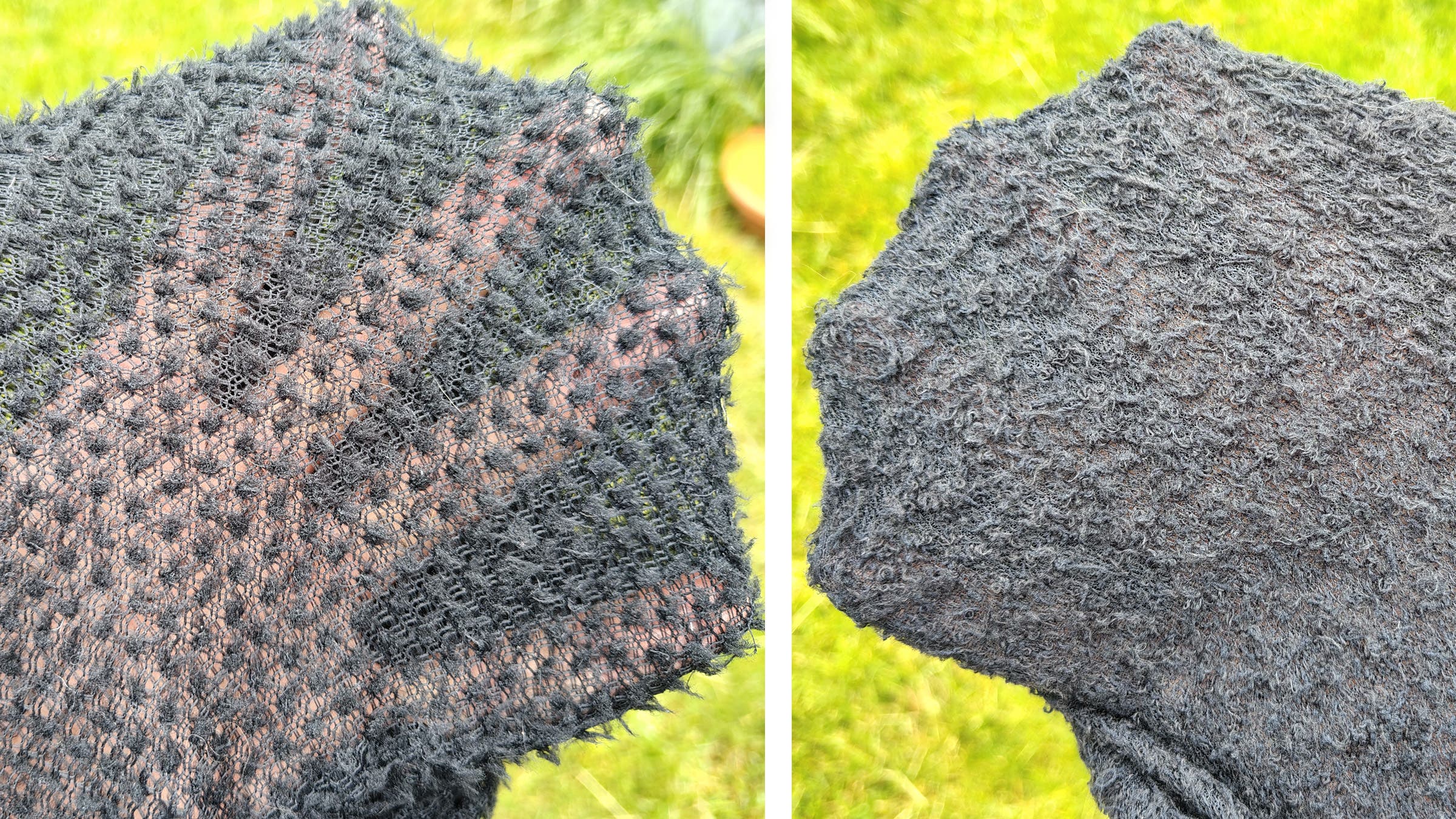
Lastly, Tecnowool is also far less transparent—the 60 GSM version of Tecnowool is more opaque than both the 90 and 120 GSM variants of Alpha Direct. That’s due to construction: Tecnowool has a tighter base knit and a more complete coverage from the insulating “tufts.” When you’re out backpacking, Alpha Direct’s see-through nature might not bother you, but Tecnowool definitely looks more appropriate when you get back to town.
Durability
Alpha Direct and Tecnowool both have durability concerns. The mesh base of Alpha Direct is looser and easier to snag. And when it does snag, Alpha Direct is more likely to “run” across the fabric due to the way it’s knit. In contrast, Tecnowool has a tighter mesh base that is more resistant to being pulled apart by thorns or branches (the four-way stretch also helps the fabric give more before snagging). However, each individual “tuft” of insulation is far easier to pull from the Tecnowool fabric than from Alpha Direct. During its first wash, I was taken aback by how many wool fibers it shed, but each wash after resulted in less shedding.
Should You Choose Alpha Direct or Tecnowool?
In all, Tecnowool is the one of the closest alternatives to Alpha Direct we’ve seen yet. It joins Primaloft Active Evolve and Teijin Octa in the ranks of viable competitors. Still, from a purely performance-driven view, Alpha Direct remains the winner for one important reason: it’s still the lightest. For the absolute lightest midlayer, 60 GSM Alpha Direct stands alone. Plus, it’s a bit cheaper, and is available from more different brands, especially if you want to buy from a cottage maker.
The other major difference between Alpha Direct and its competitors is moisture uptake. Alpha Direct is basically hydrophobic, while Tecnowool, Active Evolve, and Octa all act more like a normal wicking layer. Whether that’s a positive or negative is hard to say. The other fleeces serve as better baselayers, while Alpha Direct is a fantastic midlayer.
Of all four ultralight fleeces, Tecnowool is the only one made of wool, and that comes with some other benefits. It can absorb some sweat before feeling wet to the touch, and it’s far less stinky after repeated wears. It has four-way stretch and a better feel against the skin. Plus, because the tufts are woolen, it’s likely that Tecnowool releases fewer microplastics than your average synthetic fleece (though that’s just an educated guess). It’s only available from Farpointe, but both the crew neck and hoodie are perfect if you don’t want any extra features. If you do opt for Tecnowool, we’d recommend sticking with the 60 GSM variant, which has similar warmth and breathability to 90 GSM Alpha Direct.


