Introduction
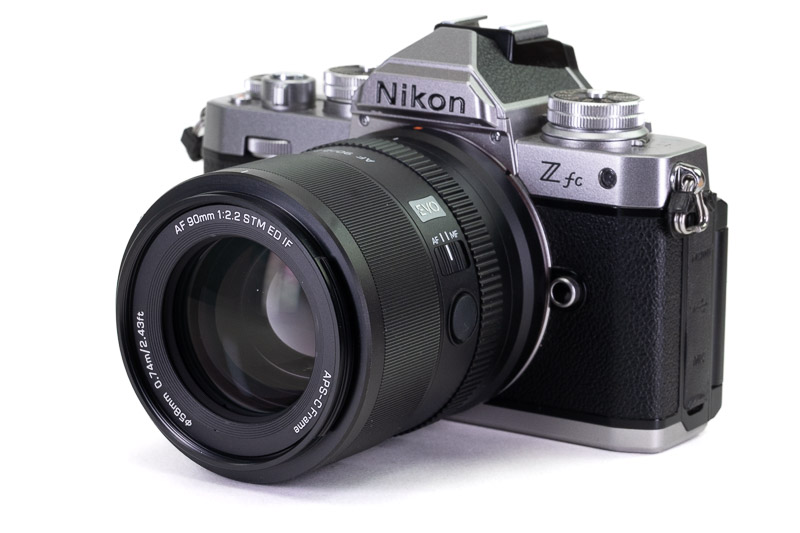
After releasing three full-frame lenses in its mid-tier EVO series, positioned between the Air and Pro lines, Viltrox has now turned its attention to APS-C users with the simultaneous release of two new lenses: the 75mm f/1.8 and the 90mm f/2.2.
In this review, I take a closer look at the AF 90mm f/2.2 STM ED IF, which offers a full-frame equivalent field of view of approximately 135mm—the classic short-telephoto focal length prized for tight portraits, weddings, and isolating distant details.
 I tested this lens on a Nikon Zfc.
 You can see this review as a YouTube video here!
 Sample images in high resolution here.
Sample Images


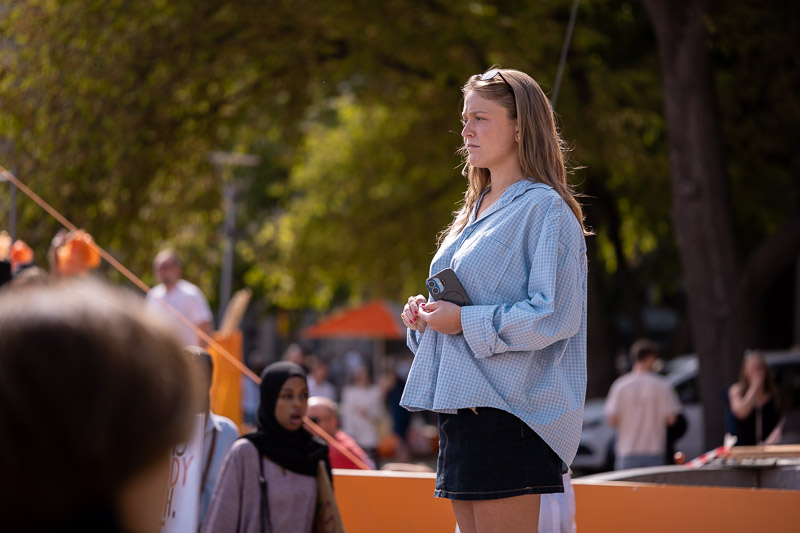



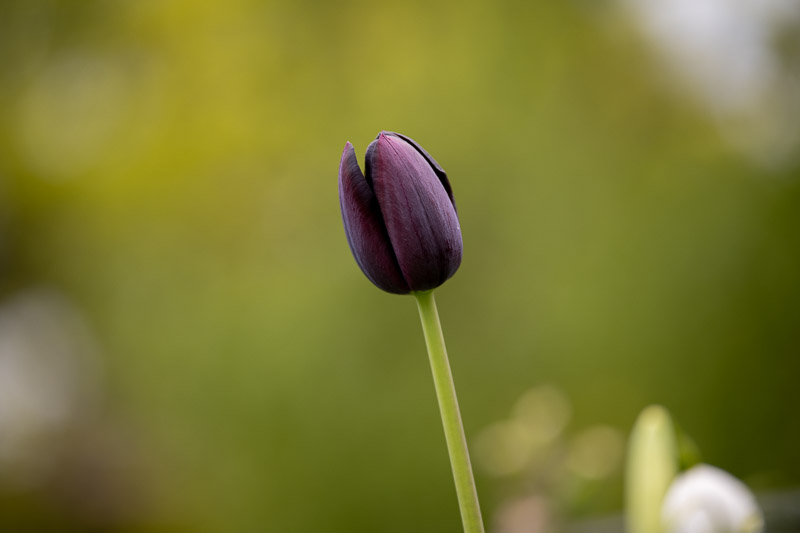



Most of the sample images in this review and many more can be found in higher resolution here.
Specifications
| Focal Length | 90mm |
| Angle of View | 18.6° |
| # of Aperture Blades | 9 |
| Max Aperture | f/2.2 |
| Min Aperture | f/16 |
| Min Focus Distance | 0.74 m (0.14X) |
| Filter Size | 58mm |
| Lens Mount | E, X, Z |
| Weight | ≈ 320 g (E), 325 g (XF), 345 g (Z) |
| Size (D x L) | ≈69×76 mm (E, X), 69x78mm (Z) |
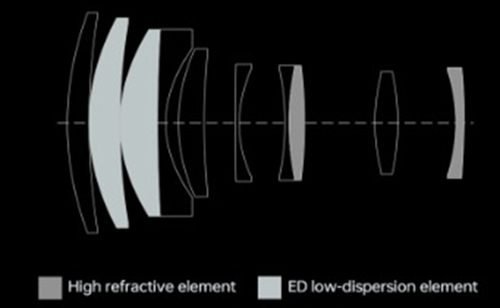
| Elements/Group | 10/8 (2 High-refractive index and 2 extra-low dispersion elements) |
Disclosure
Viltrox kindly provided this lens for test and review purposes.
Handling and Build Quality
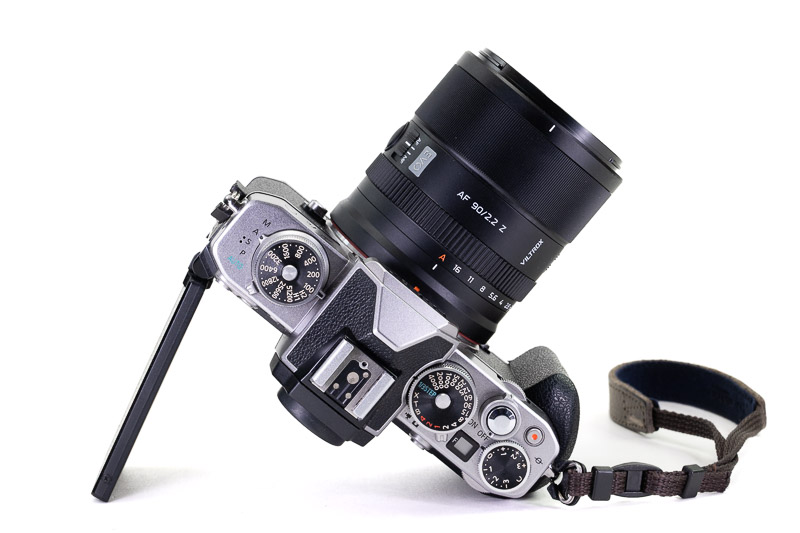
This Viltrox AF 90mm 2.2 Evo is one of the first two lenses in Viltrox’s EVO lineup for APS-C sensors, and it handles more or less like its full-frame cousins. It’s quite compact and light for such a focal length. The body is made of hard plastic, while the rings are metal.
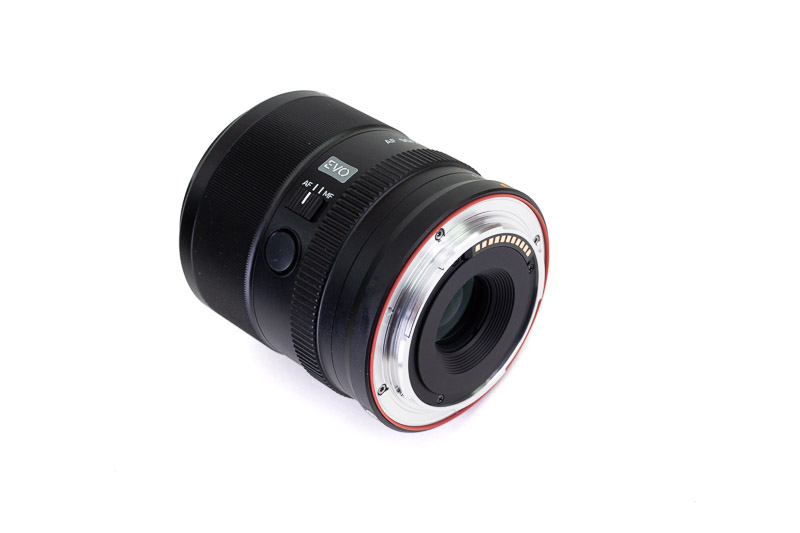
The lens mount is metallic and also features, in addition to the electronic pins, a USB-C port for firmware updates. There is a red rubber gasket around the mount, providing weather sealing.
It features a dedicated de-clickable aperture ring similar in style and function to Sony’s GM and later G lenses.
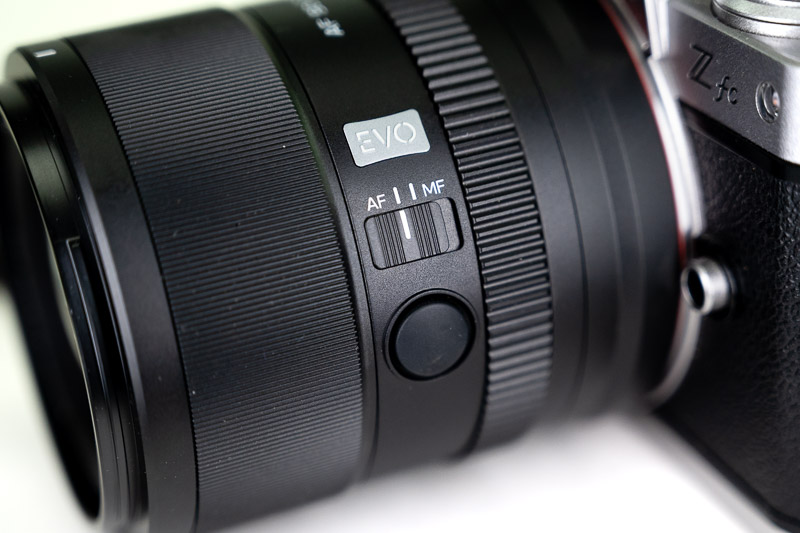
On the right side of the lens, there is an AF/MF switch and a function button.
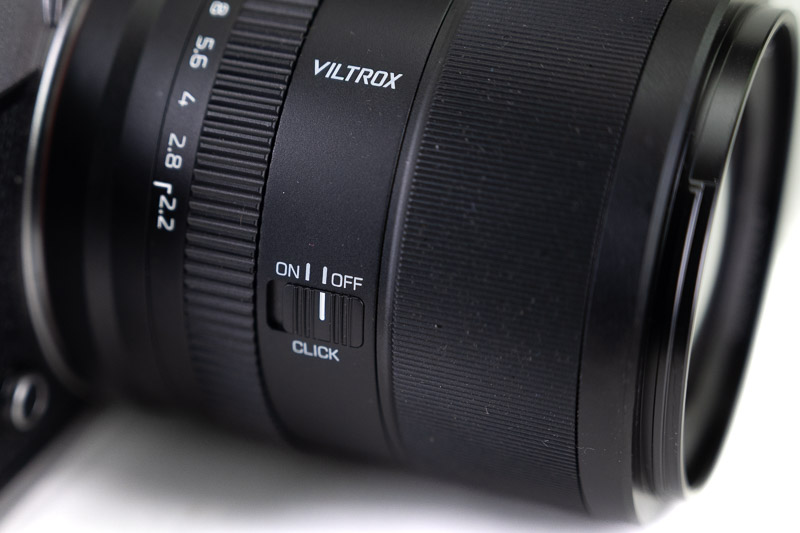
The aperture ring has 1/3 of a stop click stops – which you can declick by using a lever on the right side of the lens.
You can also set the ring to “A”(utomatic) and let the camera choose the aperture value or to be able to use the camera dial to change the aperture value instead of using the aperture ring.
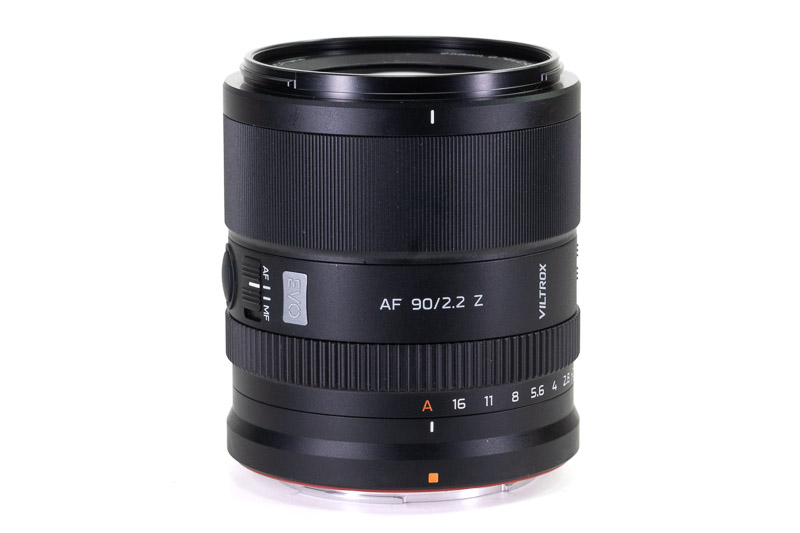
The dedicated aperture ring allows to preset the desired aperture when the camera is not turned on yet, which can save crucial time in the heat of the moment.
The focus ring has decent damping and a non-linear coupling. The faster you turn the focus ring, the shorter the rotation needed from the minimum focus distance (0.34 m) to infinity.
When you turn your camera off, the lens will remember the last focus position and will still be there when you turn the camera on again.
The autofocus is accurate and quiet, but the speed is only average.
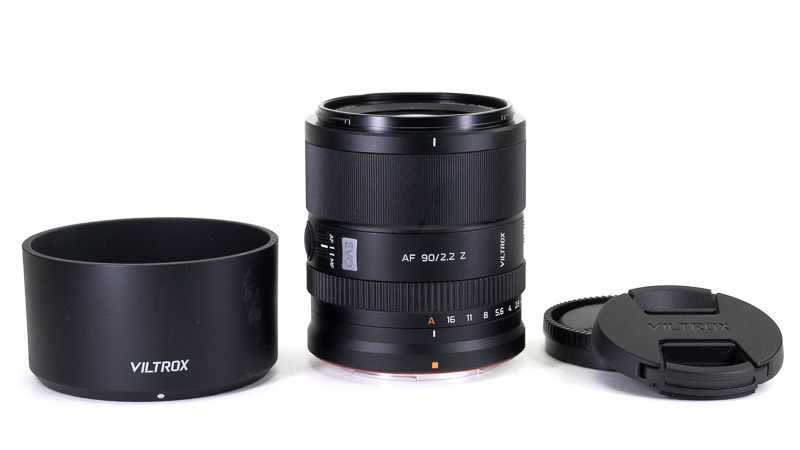
The lens comes with the usual front and rear caps, as well as a lens hood, which is quite basic but attaches securely to the lens with a click.
Optical Features
Sharpness (Infinity)
For the infinity sharpness test, we’ll look at three areas of the image — center, mid-frame, and corner — as highlighted below. Focus was set on the center of the image!
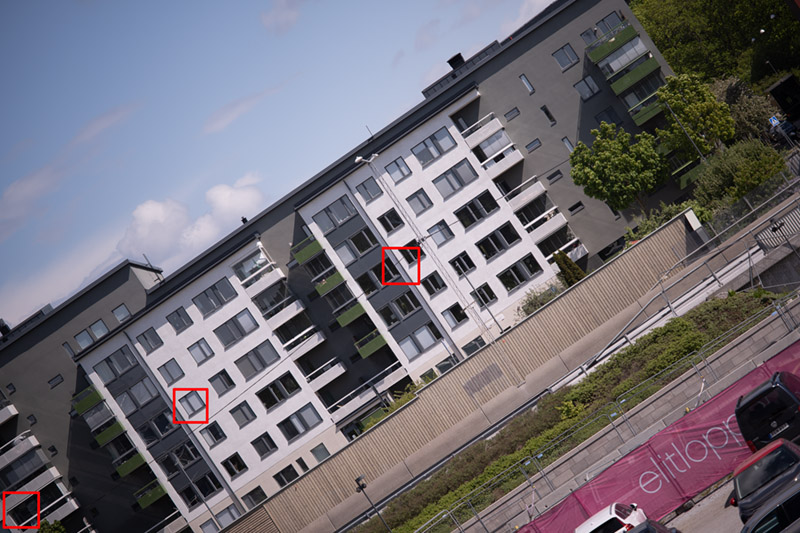
I focused on the center of the image.
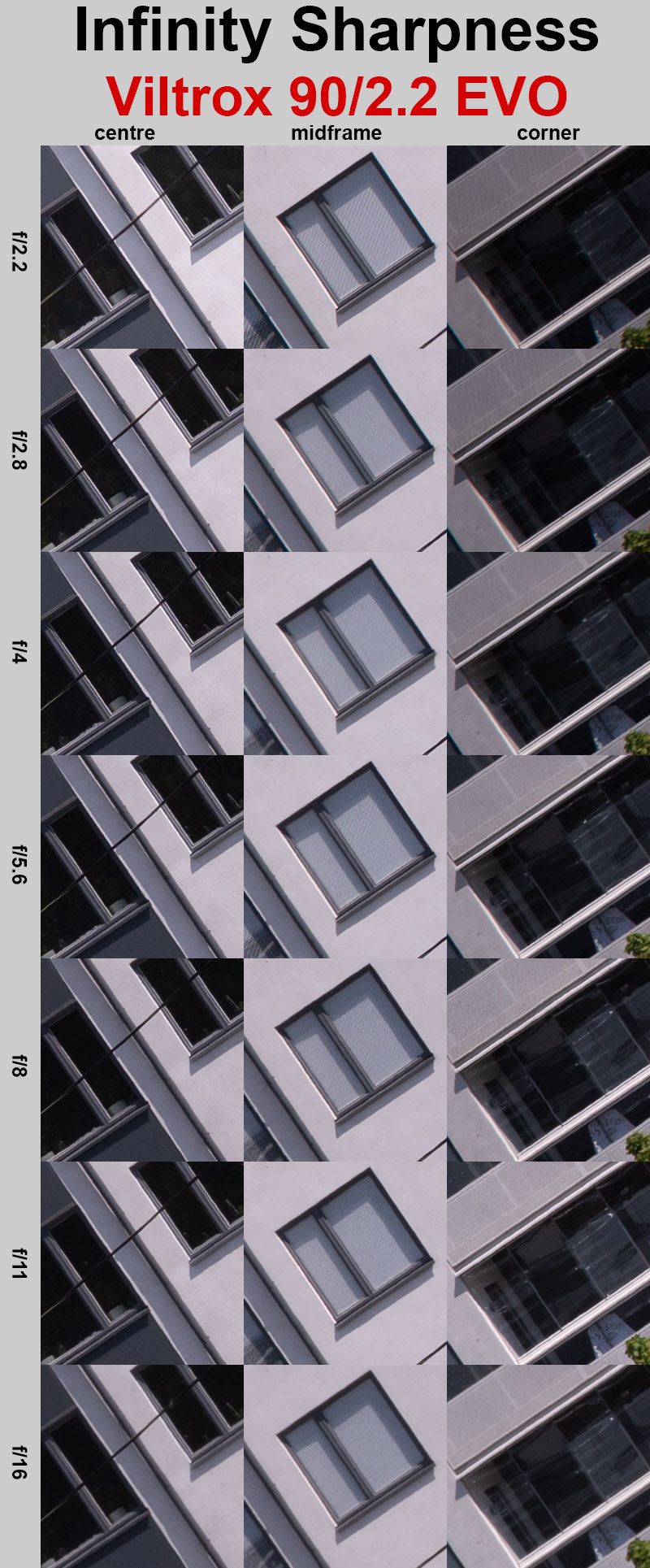
This is a very sharp lens across the frame. While the center delivers the highest level of sharpness, the corners remain impressively sharp and are by no means soft. This is one of the sharpest APS-C lenses we have ever tested, at any aperture and in any part of the frame. Some color fringing is visible in the corners, however, but I will return to that later in the review.
Sharpness (Portrait)
Let’s look at the points of interest for portraits at the portrait distance: the very centre, the centre’s inner periphery (1/3 rule intersection), and the centre’s outer periphery (1/4th intersection).
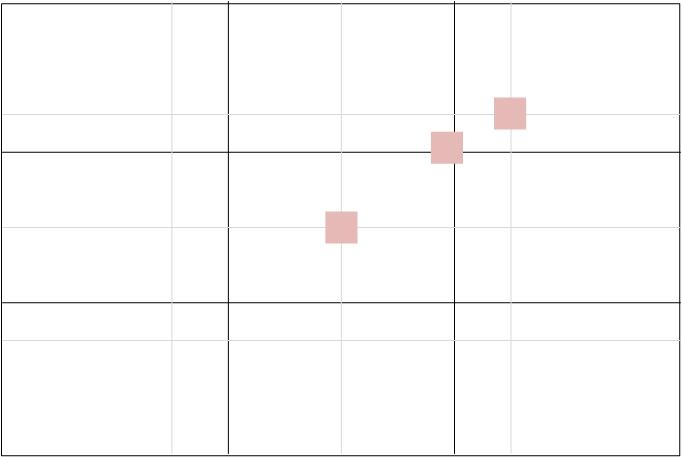
Here, I focused independently on the center, mid-frame, and corner areas.
Even here, sharpness is excellent. From f/2.8 onwards, the lens outresolves the camera sensor, meaning image sharpness is limited by the sensor rather than the lens. The appearance of moiré in some test images further supports this conclusion, as it indicates that the lens is resolving detail finer than the sensor can accurately sample.
Sharpness (Close-up)
For close-up testing, I focused on the center and only included a 100% center crop.
At close to the minimum focusing distance, sharpness is already very good wide open at f/2.2, but the lens reaches its peak performance at f/4. By f/16, sharpness decreases slightly due to diffraction.
Lens Distortion
Distortion is well controlled, although there is a very slight amount of pincushion distortion. In most cases, it is negligible. For those who want perfectly straight lines, a -3 distortion correction in Lightroom or Photoshop fixes it completely.


Vignetting
There is moderate vignetting visible wide open at f/2.2, but it is comparable to that of other lenses with a similar field of view. It gradually improves as the lens is stopped down and becomes effectively invisible from f/5.6 onwards.
Compared to full-frame 135mm lenses, however, it takes a little longer to reach a negligible level of vignetting. Many competing lenses achieve this by around f/4.
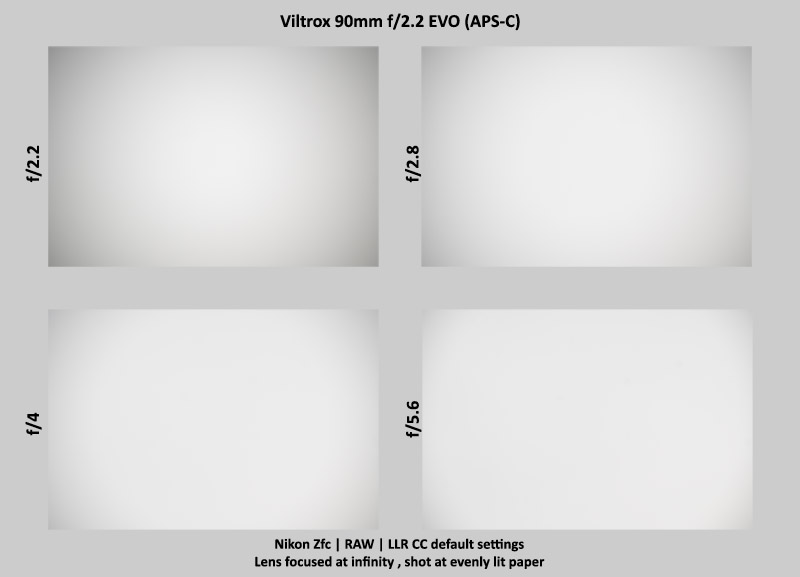
- F/2.2: 1.9 EV
- F/2.8: 1.7 EV
- F/4.0: 1.0 EV
- F/5.6: 0.7 EV
- F/8.0: 0.3 EV
- F/11: 0.2 EV
Focus Shift & Aberrations
The longitudinal CA is very well controlled; no issues here.
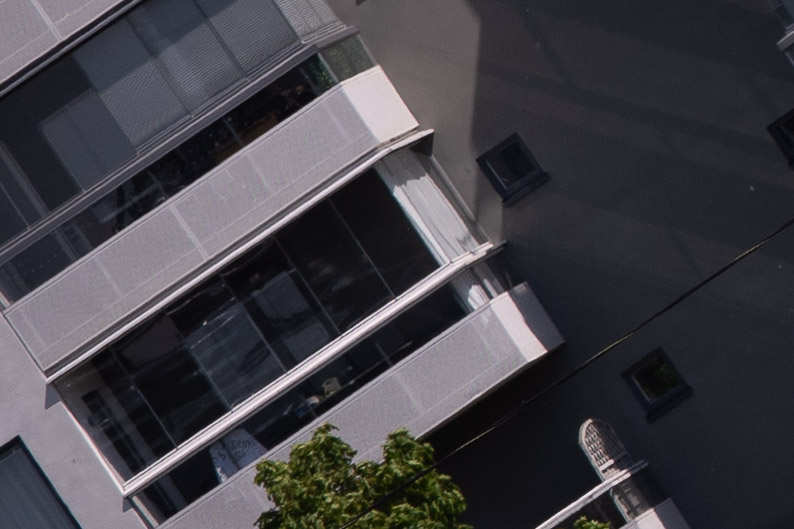
There is some lateral chromatic aberration in the form of purple and green fringing visible toward the corners. It is neither obtrusive nor particularly obvious, but it is there.
Fortunately, it is easy to correct. A single click in Photoshop or Lightroom removes it, and a correction profile is embedded in the RAW files as well.
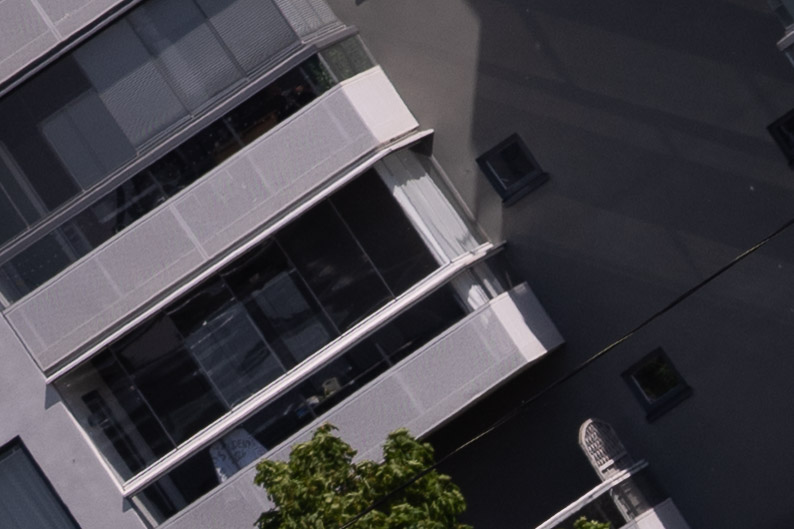
Flare Resistance
Here, you can make almost any lens look bad if you try long enough. I deliberately put the lens through a demanding stress test and, unsurprisingly, managed to bring out the worst of it.
In normal shooting situations, its flare resistance is actually quite decent, but it can produce veiling flare relatively easily when the sun is in the frame.
Coma
The coma correction of this Viltrox lens is good, although not perfect. The images below are 100% crops from the image corners and show only a very faint trace of coma. In practical use, it is completely negligible, especially given the typical applications of this focal length.
Sunstars
This Viltrox 90mm creates nice and well-defined sunstars, especially at f/11 and f/16
Focus Breathing

Focus breathing is not among this lens’s strong sides as you can see in the following animation.
Bokeh
You will generally get attractive bokeh highlights, although the highlights take on a cat’s-eye shape toward the corners and show some outlining. In certain situations, this can result in a mild swirly bokeh effect.
Let’s have a closer look at the background blur at different distances!
Short Distance



The background blur at close distances is very soft and pleasant to my taste; no complaints here.
Mid-Distance
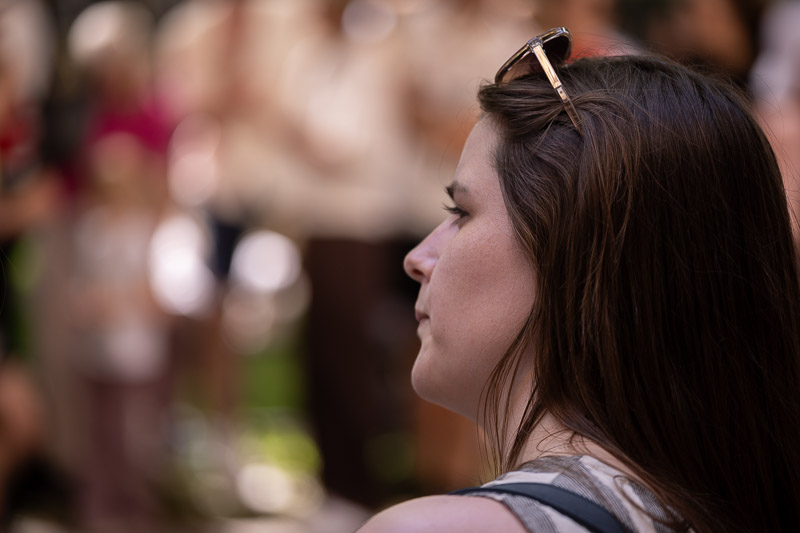




Even here, the bokeh is quite pleasant, although, as mentioned earlier, it can show hints of a swirly background in certain situations. This is most noticeable in the third image of this series.
Long Distance



At longer distances, it is quite easy to get background blur, and it is quite fine, but it is not as soft as it is at close and medium distances.
Overall, I like the bokeh rendering, but this is very much a matter of personal taste. Have a look at the images below and the many sample photos at the beginning and end of the review to see what you think.
Conclusion
| I LIKE | AVERAGE | I DON’T LIKE |
|
|
|
Viltrox did it again: a lens delivering a level of corner-to-corner sharpness that would have been unimaginable a decade ago. Considering that the Nikon Zfc was introduced in 2021, the fact that this lens outresolves its sensor demonstrates just how far lens design in general—and Viltrox’s optical design capabilities in particular—have progressed in only five years.
This optical performance is paired with pleasant rendering in a traditionally popular focal length, both as a short telephoto lens and for tighter portraits. In addition, Viltrox has done an excellent job controlling distortion, longitudinal chromatic aberration (LoCA), and coma. The lens also produces attractive sunstars.
The only real weakness is focus breathing, which does not matter at all for still photographers. Vignetting, lateral chromatic aberration (LaCA), and flare resistance are not quite as impressive as the lens’s other characteristics, but they are still perfectly respectable.
All of this comes in a compact and lightweight package for a lens with these specifications, at a very attractive price point, making it difficult not to recommend.
Writing articles like this one is both time-consuming and costs us a lot of money. If you found this article helpful and decided to buy one of these lenses, please consider using one of the affiliate links.
If you found this article useful, interesting, or it saved you money, consider supporting our work. You can make a donation or buy us a coffee —every contribution is greatly appreciated.
Alternatives
Fujifilm XF 90mm f/2 R LM WR
Buy new: Amazon (anywhere) for $1149 (Affiliate links)
More Sample Images



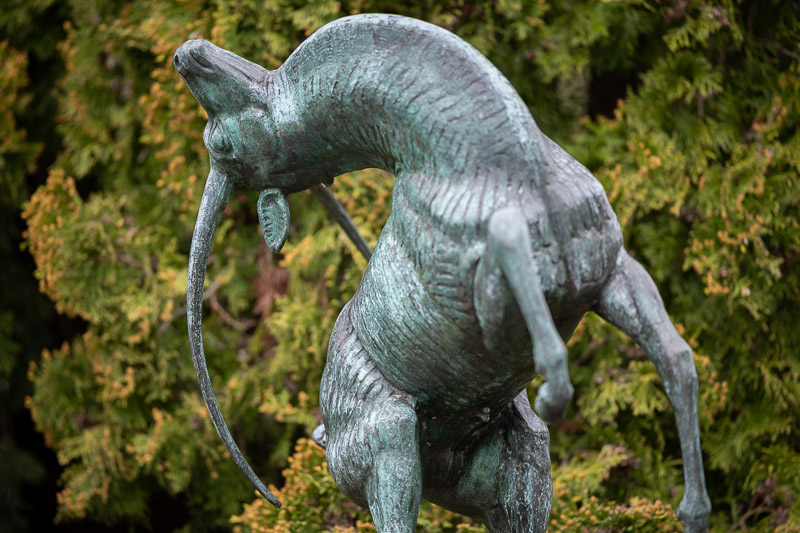
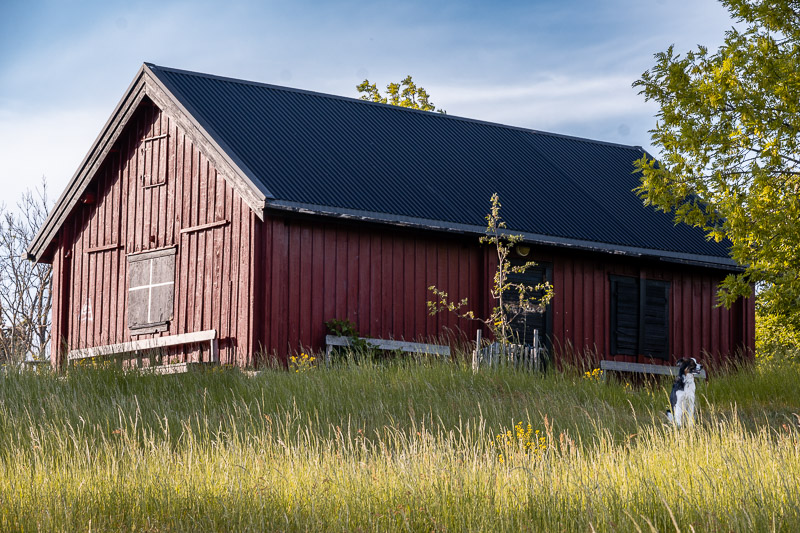
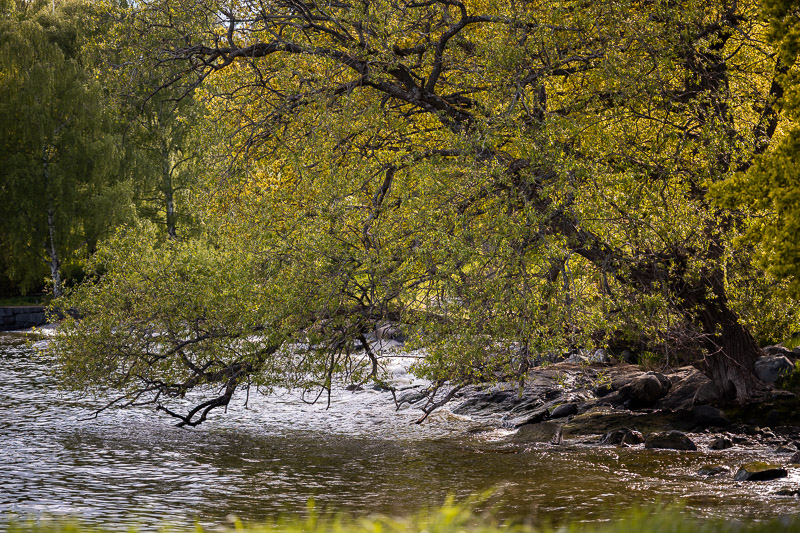
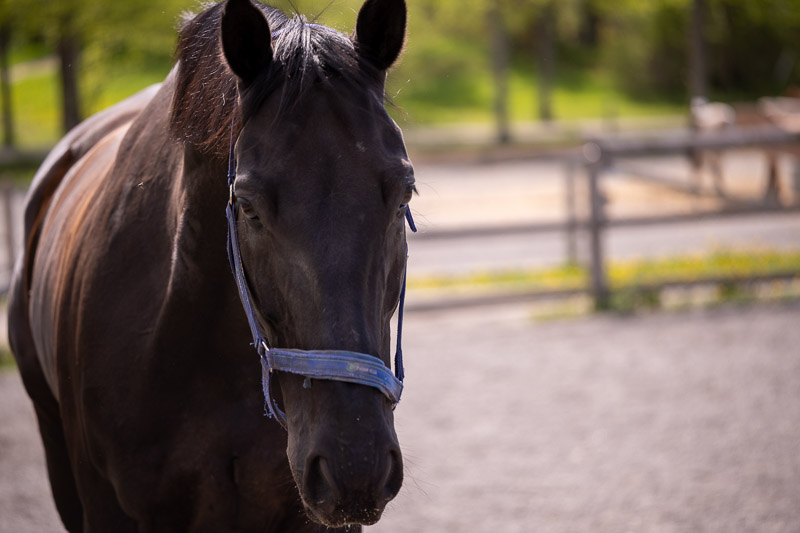




Most of the sample images in this review and many more can be found in higher resolution here.
Further Reading
What camera gear and accessories do I use most frequently?
Support Us
Did you learn something new, find this article useful, or simply enjoy reading it? We’ve put a lot of time and resources into creating it, and your support helps us keep going. If you’d like to show your appreciation, please consider clicking the Donate button!



(Donations via Paypal or bank card)
Or alternatively support us via this link.
What’s in my camera bag? MY 2026 KIT!!
This site contains affiliate links, for which I may receive a small commission if you purchase via the links at no additional cost to you. This helps support the creation of future content.


Martin M.H. lives outside Stockholm, Sweden. He is a M.Sc. in Computer Technology but he has been a passionate photographer for over 50 years. He started his photographic adventures when he was thirteen with an Agfamatic pocket camera, which he soon replaced with a Canon rangefinder camera that his mom gave him in his teenages. After that he has been using Canon SLR, Nikon SLR manual focus and Autofocus, Sony mirrorless crop sensor, Nikon DSLR and Nikon Mirrorless. He has photographed any genre he could throughout the years and you can see all kind of images in his portfolio. During the later years though it has been mostly landscape, nature, travel and some street/documentary photography.


