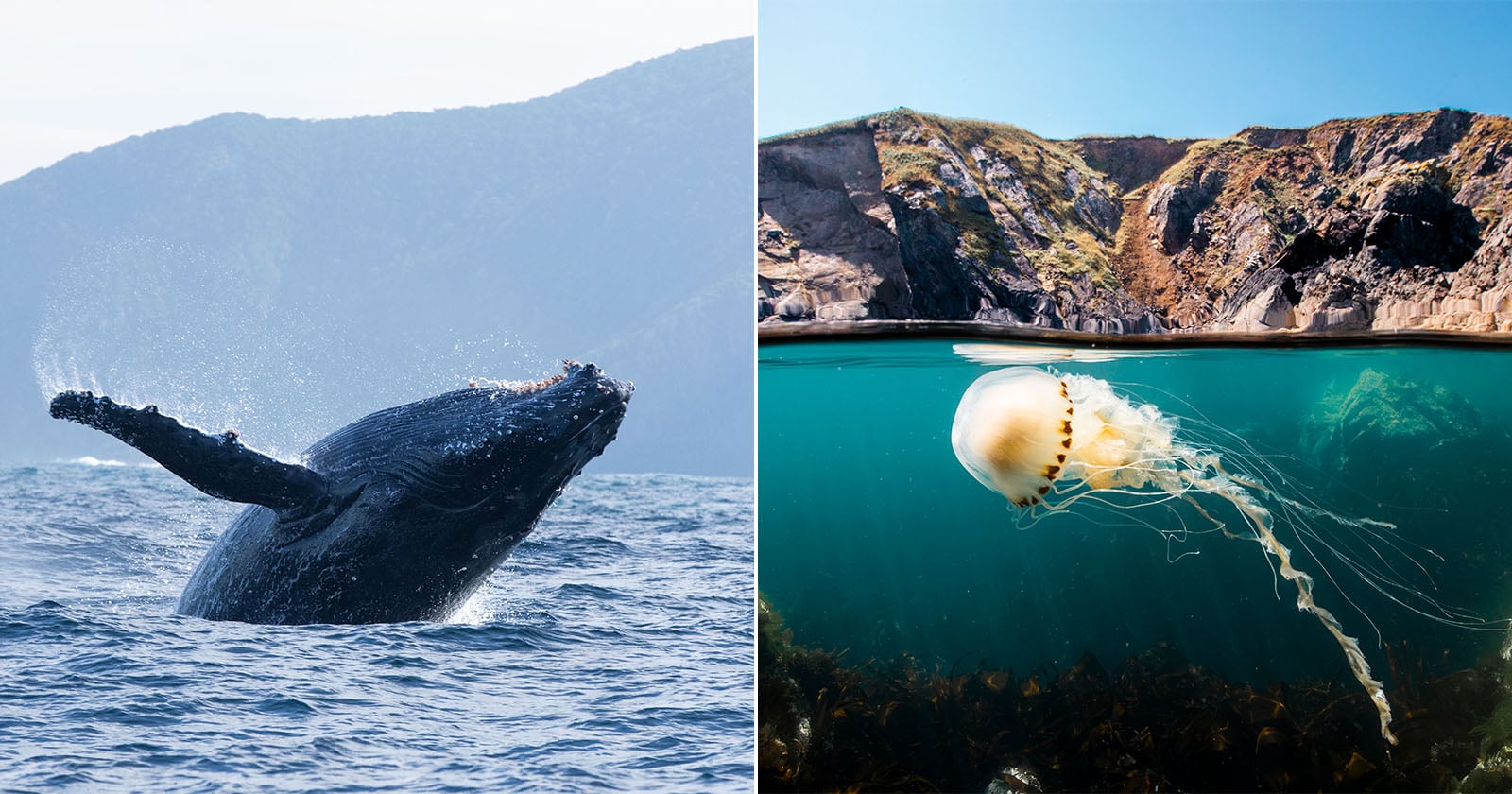
Sir David Attenborough turned 100 last month, and much of his incredible life’s mission has been celebrating and showcasing the natural world. Billions of people on Earth have heard Attenborough’s voice, heard his words, and seen his work. Arguably, nothing on Earth impacts life as much as the oceans, and that’s the focus of “Ocean with David Attenborough,” streaming now online and on National Geographic, Disney+, and Hulu.
“Ocean”‘s arrival on streaming comes after its award-winning run on the film festival circuit last year, during which the feature-length documentary racked up five wins and four nominations. PetaPixel watched the film ahead of its streaming debut and chatted with cinematographers Doug Anderson and Toby Strong.
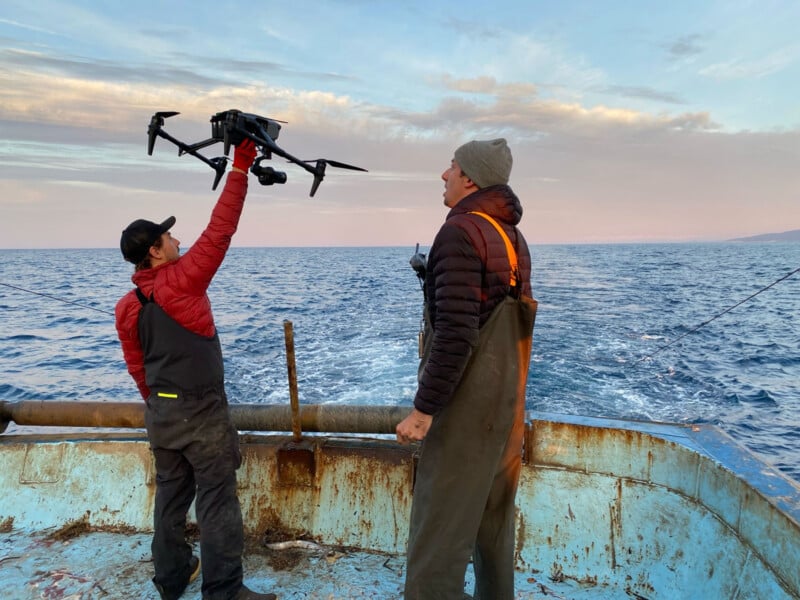
As Strong tells PetaPixel, he shot the above-the-water sequences, including interviews and aerial work, among other scenes, while Anderson worked below the water.
“It being ‘Ocean,’ [Doug] is the master of this,” Strong says.
While Strong and Anderson’s extensive cinematography work didn’t overlap, insofar as they didn’t directly work together in the field, they nonetheless managed to dial in an extremely cohesive and consistent visual language throughout the film.
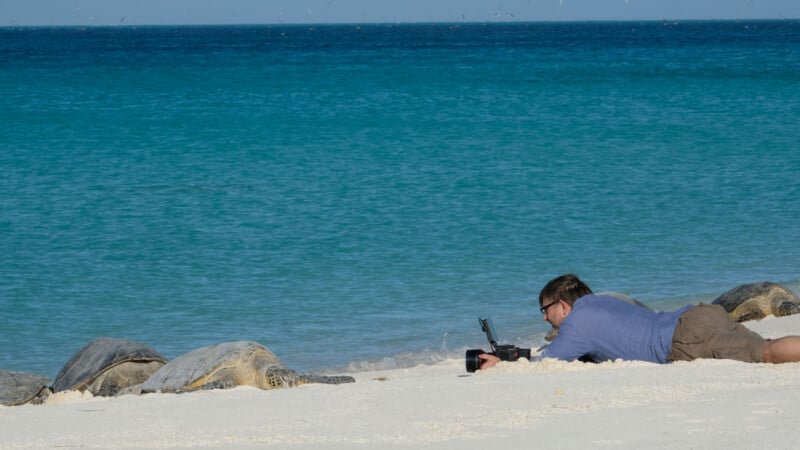
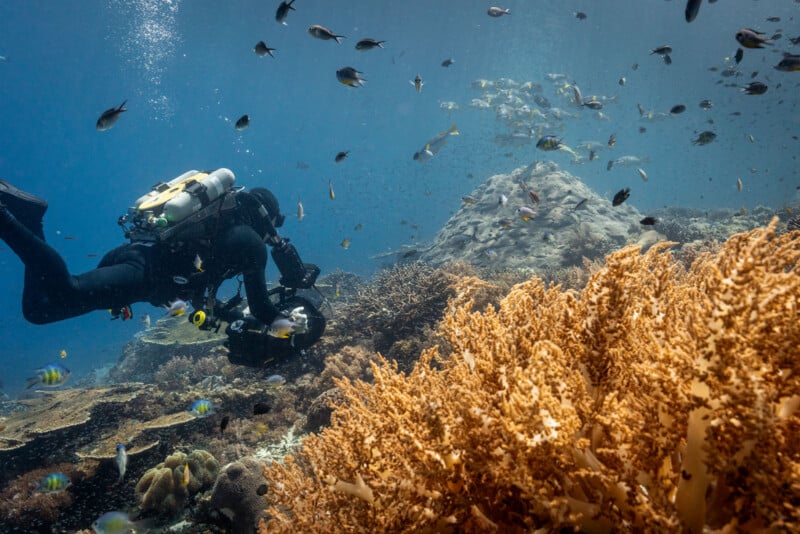
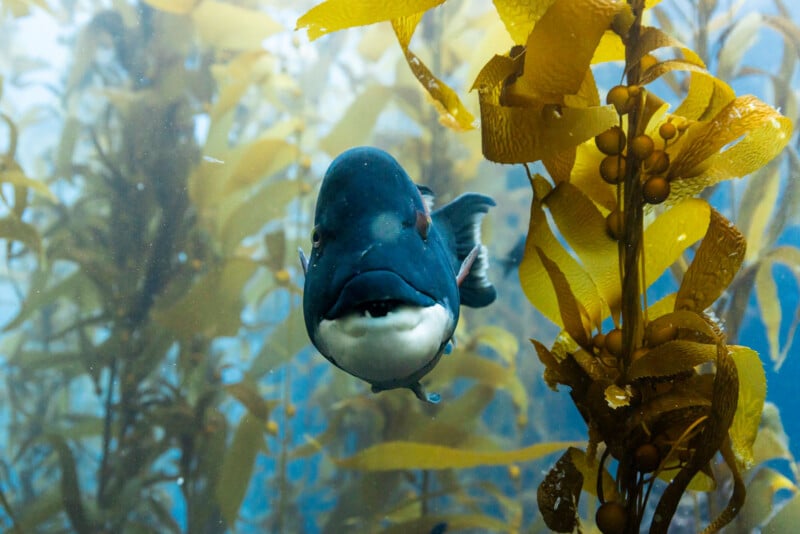
They both embraced a shallow depth of field, which was quite unusual in underwater filming sequences until very recently, with the advent of much larger cinema camera image sensors and lightweight, fast lenses.
“I spent about six months in the field for this one, and I don’t think there was a shoot that went by without the latest material from topside being a very foundational stone at the beginning of our shooting period,” Anderson says. “We spent a lot of time trying to work out how we were going to knock the ball back.”
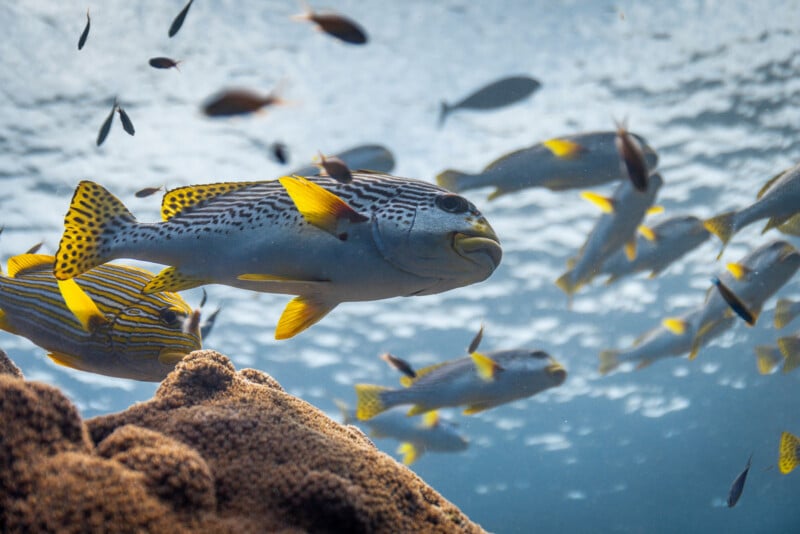
“We both come from a lineage of this, as Doug said, natural history filmmaking,” Strong says. “It’s not sleepwalking, but it’s like, ‘Here’s your budget, here’s your kit.’ It’s very observed, very clean, very science-based, and that’s great. We need that. I’m very proud to have come through that lineage.
“But I think from [‘Ocean’] director Toby Nolan, who is a visionary and brilliant, what we wanted to do, rather than observe, is make the viewer part of it. There’s a gateway to emotion. You are seeing this, and it elicits emotion. I think that’s why it has done so well.
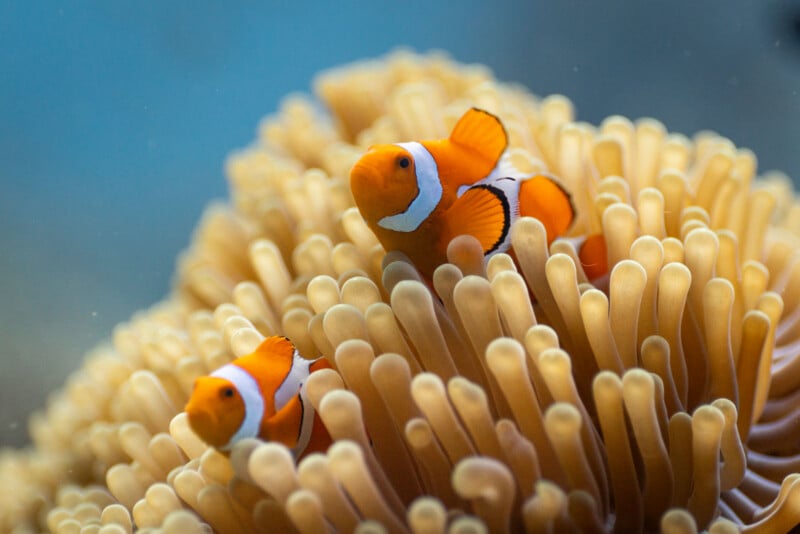
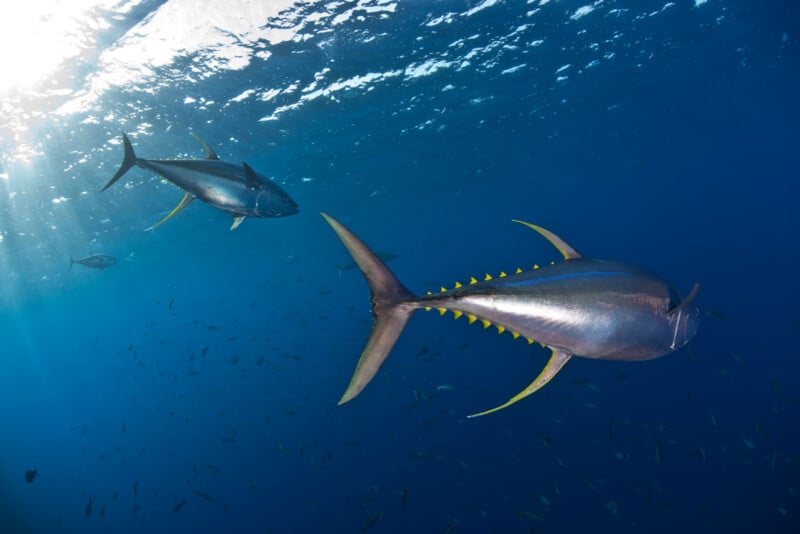

“What I think Doug and I both tried to do on each shoot is to think about our characters and to think about it. And for me it was, it was people, but Doug had different characters within it, different animal characters underwater. And Doug took that time to think about it and choose the best lenses for that.”
So while Anderson and Strong didn’t directly work together, they both feel like they talked in a way, through the dailies they shot and sent through the production team.
It isn’t only the gear used to film wildlife documentaries and natural history films that has changed over the years; as Anderson notes, it’s also how people watch films like “Ocean.”
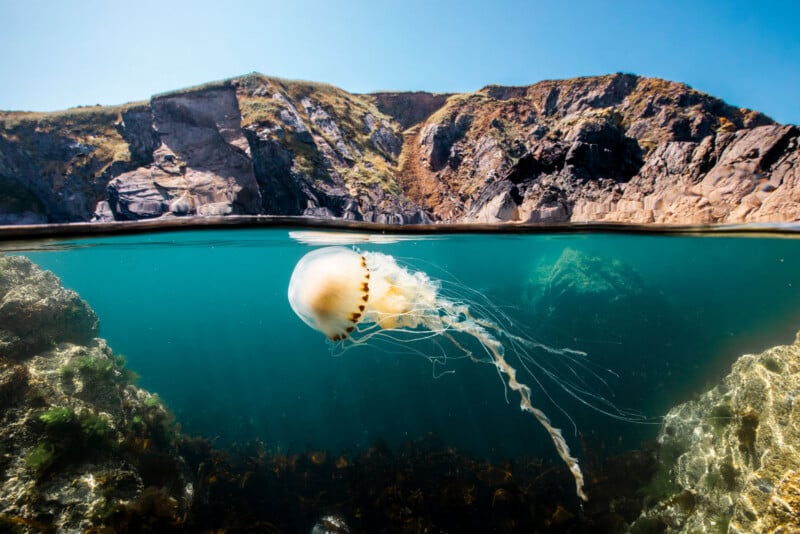
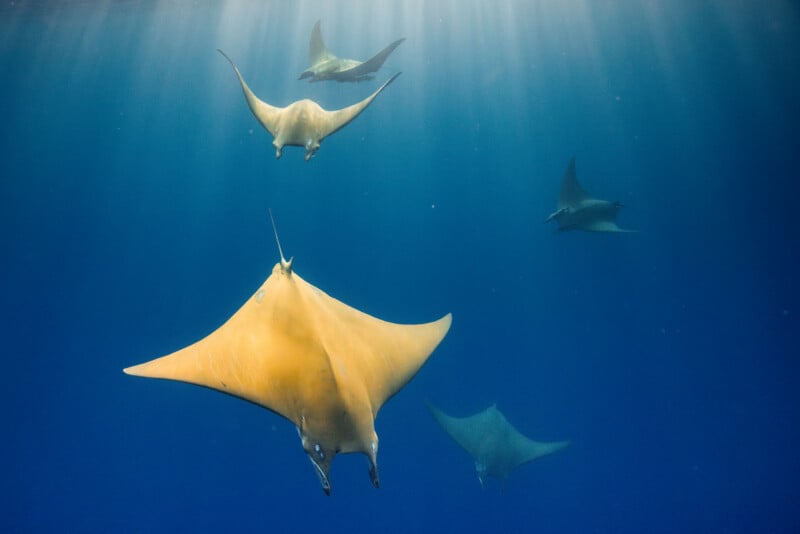
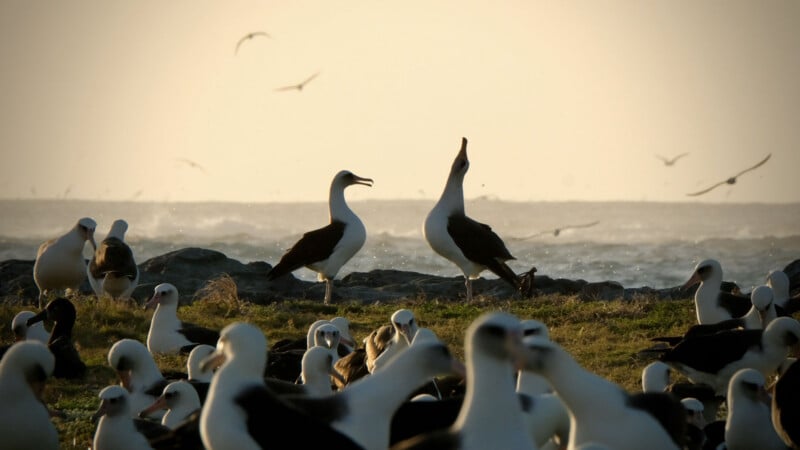
“It is a much more cinematic experience now for people, you know, you’ve got a 65-inch telly in your front room, whereas 15, 20 years ago, you had a tube. That’s part of this, part of the process,” Anderson says.
“When I think back over [my career], I literally have been doing this for 30 years, I think back over it, the bit that really has kept me going is changing what we do to reflect the way that the audience experiences what we do and the cinema of it has definitely changed,” Anderson continues.
“And from my point of view, definitely working at wider apertures, being much more careful about lens choice — like it has become really, really important and really kept me kind of going, you know, because I think if I was making television the same way as I made in the late ’90s, I probably would’ve lost interest,” the cinematographer laughs.
“Obviously being involved in something that is so meaningful… we’d all been waiting so long to make [a film like this.] These films don’t come up very often and when they do, you wanna absolutely smash it.”
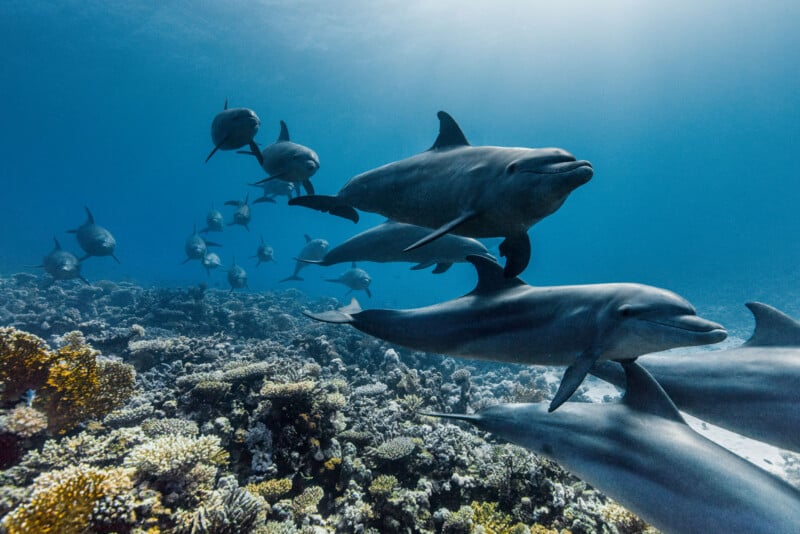

Strong echoes Anderson’s sentiments.
“I’ve waited a long time to make something that allows you to be creative and make something that affects positive change in the world and reaches over three billion people. That’s the holy grail that we all pray to work on,” Strong says.
As for depth of field and the cinematic look of “Ocean,” he “adores” a narrow depth of field.
One of Strong’s go-to lenses is an EF-mount 24mm prime he’s used for nearly two decades, “if not more.”
Strong’s favored cinema camera is also an arguably unorthodox choice in the nature and wildlife documentary space, he uses a Kinefinity Mavo Edge from China. (https://kinefinity.com/products/mavo-edge-8k) It’s an 8K cinema camera with a 45-megapixel full-frame image sensor.
“No one else uses them,” Strong says. “It’s cheap and it makes the most exquisite, soft, beautiful images.”
Alongside his go-to EF-mount 24mm prime lens, Strong also shot extensively with the legendary Canon K35 lenses, a favorite among many cinematographers. He has a quiz for any PetaPixel readers who watch the new film: can they spot which scenes were shot on the cheap, old EF primes, and which were shot with K35’s, which cost as much as a house for a full set? He isn’t convinced people will be able to tell the difference.
“I think for those people getting into filmmaking, it’s important to be careful of hype. We can use appropriate technology and it doesn’t have to be expensive to find beauty,” Strong says.
For both Anderson and Strong, working on a David Attenborough project is obviously a huge honor.
(Conor McDonnell)
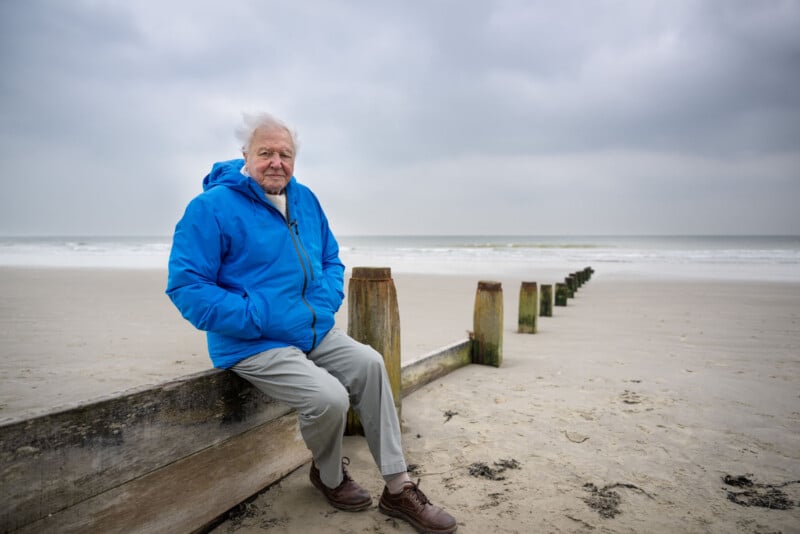
For Strong, working directly with Sir David Attenborough for interview sequences was a particularly memorable part of “Ocean.”
“Normally, you should make your film and then you’ll interview David at the end. He’ll do the voiceover because you know what we filmed,” Strong says. “David was really worried, and the team was quite worried, that David might not be there when we finish this film and this meant so much to David. So we recorded his commentary record before we filmed anything else. Like, you never do that. Thank goodness as we sit here, we’ve just had David’s 100th. So we could redo it, but that shows just how much it meant to him that we did that.”
Strong is also grateful for his time working with fishermen in West Africa. The team spent a few days with the community there, and as Strong recalls, everything just flowed really nicely.
“It felt magical. That felt really special, doing something and working your craft, and it’s having a positive effect on people. That was a good thing.”
For Anderson, his most impactful shooting work was much less positive, but no less important.
“Ocean” shows underwater footage of real, active dredging on the ocean floor for the first time ever. It is devastating, visceral, violent, and frankly, hard to watch. The damage is incomprehensibly swift.
As soon as the film was greenlit, Anderson and other members of the team were in an office in Bristol, England, trying to figure out what they were going to do, and what had to be in the film.
“Putting bottom dredging in the film, on the screen, no holds barred” was vital. “If we achieved that, the rest of the story would sort of tell itself.
“Seeing those images coming up for the first time, it was, well, it was two things, really. One is the normal sense of relief to capture it. But also just the horror of it. I spent my entire life underwater and I’ve seen the effects of bottom trawling… It’s like the day after the Somme, you know?
“But I never imagined that the actual visuals of the gear on the seabed would be as traumatic to watch as they were. It brought a tear to my eye on the boat. I just couldn’t believe it. It really shouldn’t have taken us this long to do this.”
As Sir David Attenborough came to realize after decades of traveling the world, the health of Earth and its inhabitants is less about the land itself and much more about a healthy ocean. A healthy ocean means a healthy planet.
It’s important to know what’s working and what isn’t, and to see firsthand what we are doing to Earth’s oceans. “Ocean With David Attenborough” beautifully, expertly captures it all. The good, the bad, the ugly, and everything in between.
But it also offers hope in the form of a solution.
“It’s very easy with these things to think, ‘I’m powerless. There’s nothing I can do,’” Strong says. “But we have hope, we have agency. How we act as an individual affects what happens to the ocean. We can have a tremendous effect.”
Image credits: National Geographic, Silverback Films, and Open Planet Studios


