
AI tools have gone from “fun to try” to part of the daily workflow. There’s an AI tool for almost everything nowadays, readily accessible for all. The problem is no longer access. It’s choice.
Every week, a new tool promises to save time, boost creativity, or replace half your workflow. Most just add another tab to your browser. So the real skill becomes: What to use and what not to?
This list cuts through that noise. Whether you write, code, design, analyze, build, or lead teams, these AI tools can help you move faster, and get more done in no time.
1. AI-Native IDE
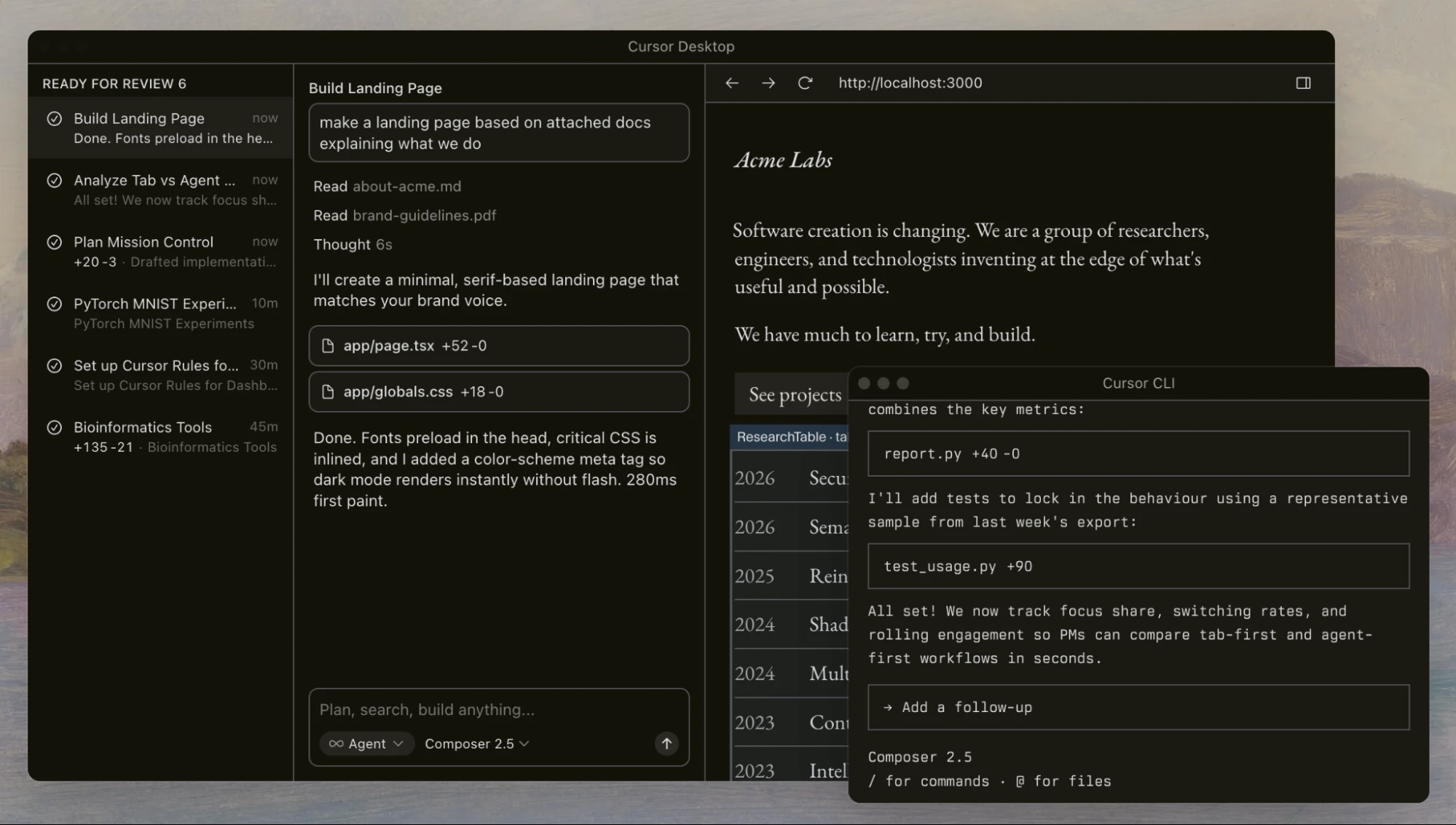
Cursor has emerged as the AI-native IDE of choice for developers. Unlike traditional coding assistants where AI is an extension of their IDE, Cursor has AI features integrated within its interface.
Developers use Cursor’s AI features to generate code, refactor applications, debug issues, and navigate large codebases using natural language. Its ability to work across an entire project has made it one of the most widely adopted AI development tools of 2026.
Core Capabilities
- AI-powered code generation
- Repository-wide understanding
- Intelligent debugging
- Code refactoring
- Agentic software development
You can access Cursor at: cursor.com
2. Open-Source Reasoning Model
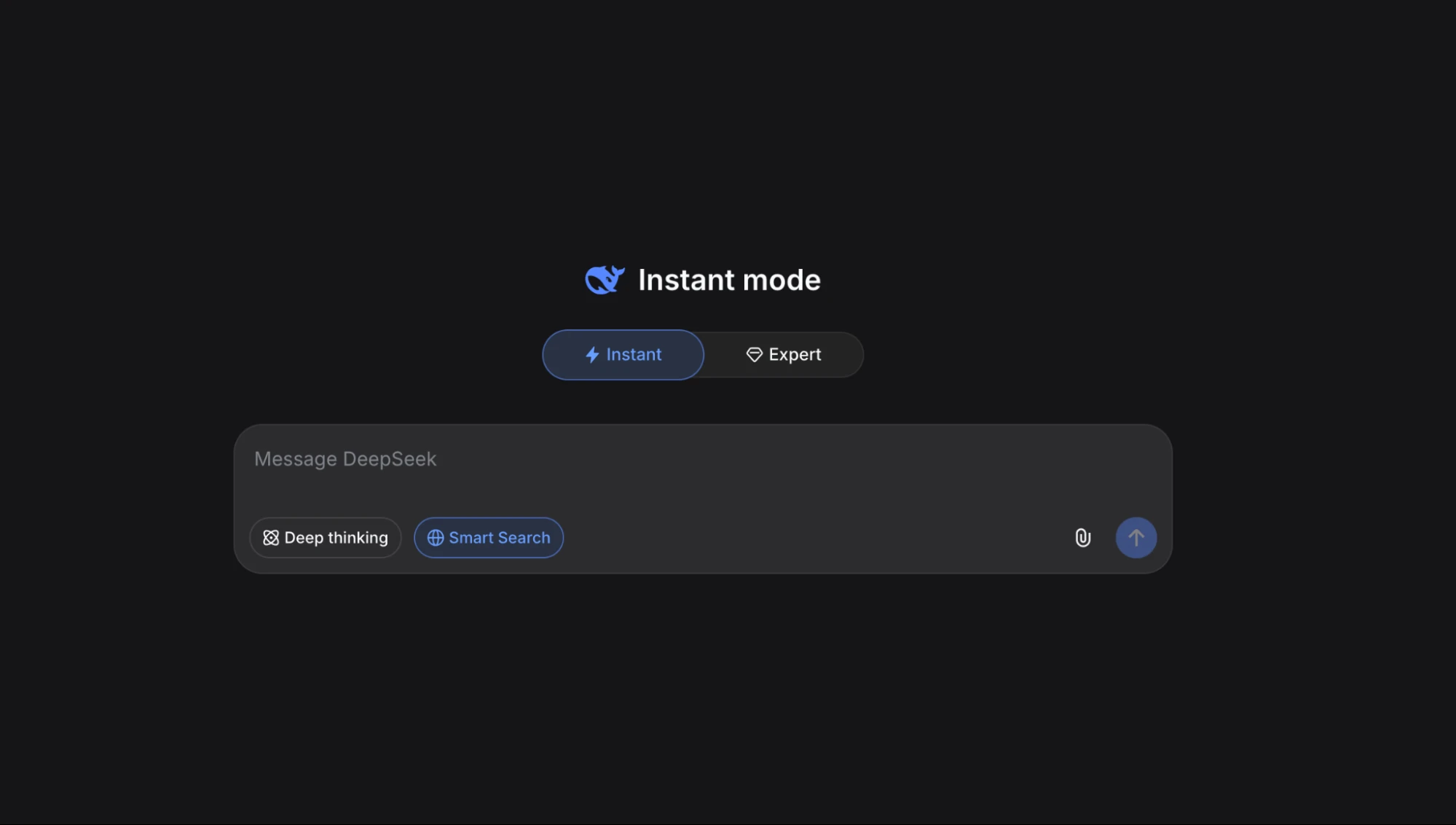
DeepSeek has become one of the most influential open-model ecosystems in the AI industry. Its strong reasoning and coding capabilities have made it a favorite among developers looking for powerful alternatives to proprietary models.
The rise of DeepSeek has accelerated the adoption of open AI systems and demonstrated that high-performing models are no longer exclusive to a handful of major labs.
Core Capabilities
- Advanced reasoning
- Coding assistance
- Open-weight deployment
- Mathematical problem solving
- Fine-tuning support
You can access DeepSeek at: deepseek.com
3. Terminal-Based Coding Agent

Claude Code has quickly become one of the most popular coding agents available today. Operating directly from the terminal, it can analyze repositories, execute engineering tasks, and automate development workflows.
Many developers now use Claude Code as an engineering partner rather than a traditional coding assistant.
Core Capabilities
- Repository analysis
- Autonomous coding workflows
- Code generation
- Terminal integration
- Documentation creation
You can access Claude Code at: anthropic.com/claude-code
4. Agent Workflow Framework
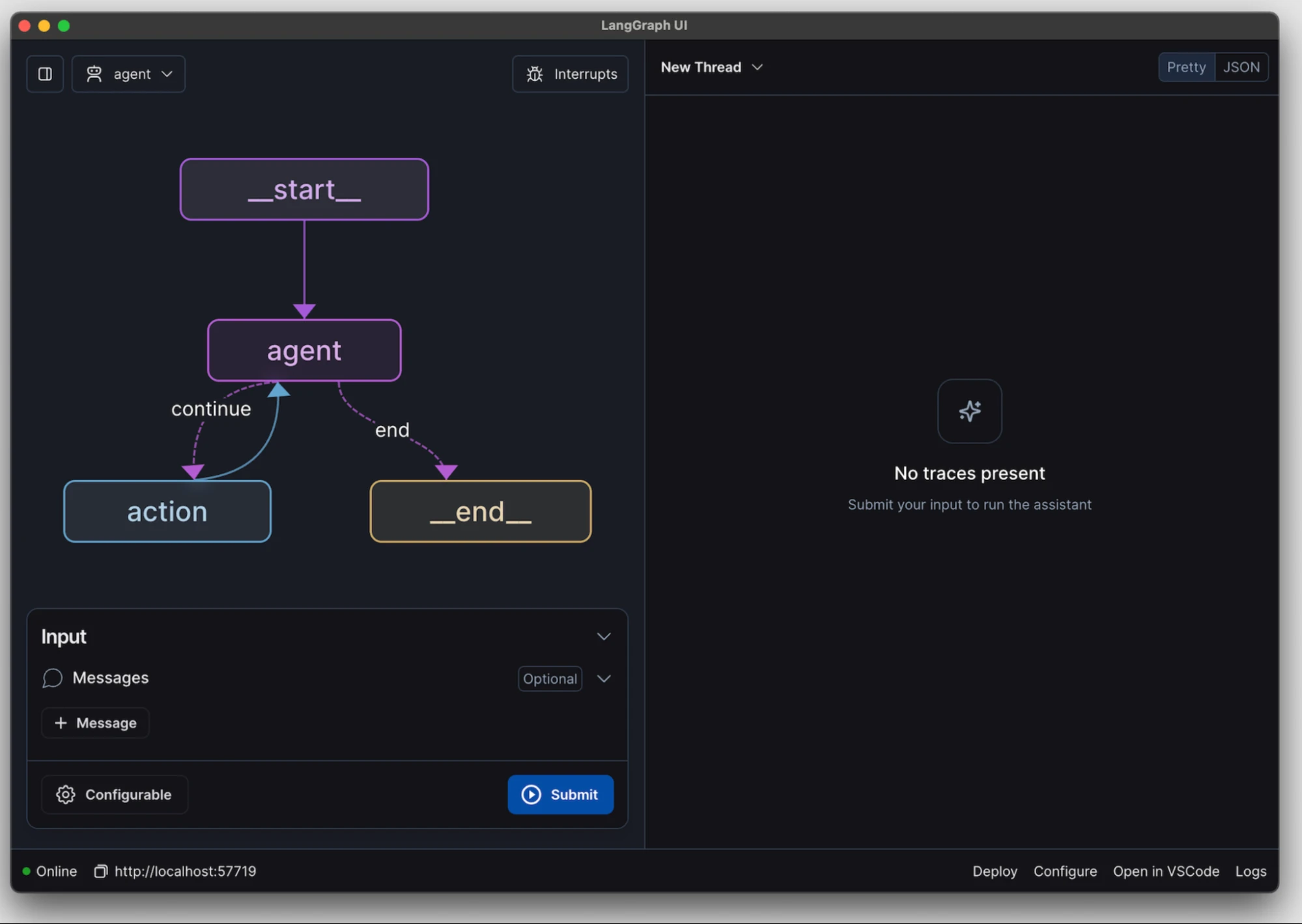
As AI agents become more sophisticated, developers need frameworks capable of managing complex workflows and decision-making processes. LangGraph has emerged as one of the leading frameworks for building agentic applications.
Built on top of LangChain, it enables developers to create AI systems with memory, branching logic, and multi-agent collaboration.
Core Capabilities
- Multi-agent orchestration
- Stateful workflows
- Long-running agents
- Human-in-the-loop support
- Memory management
You can access LangGraph at: langchain-ai.github.io/langgraph/
5. LLM Observability Platform
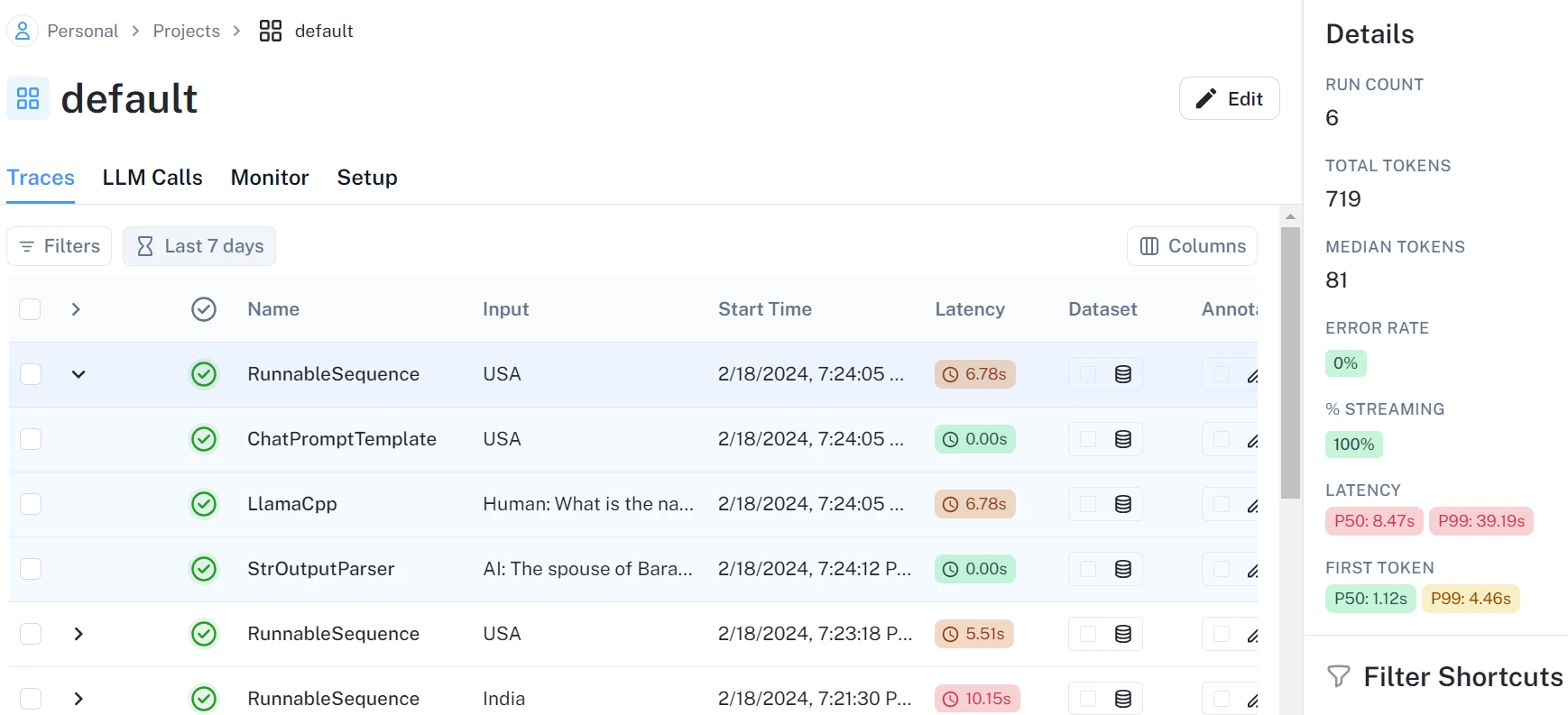
Building AI applications is only half the challenge. Monitoring and debugging them is equally important.
LangSmith has become one of the most widely used observability platforms for LLM applications. It helps developers trace workflows, evaluate outputs, and identify failures across agent systems.
Core Capabilities
- Agent tracing
- Prompt monitoring
- Workflow debugging
- Evaluation pipelines
- Performance analytics
You can access LangSmith at: langchain.com/langsmith
6. Software Engineering Agent
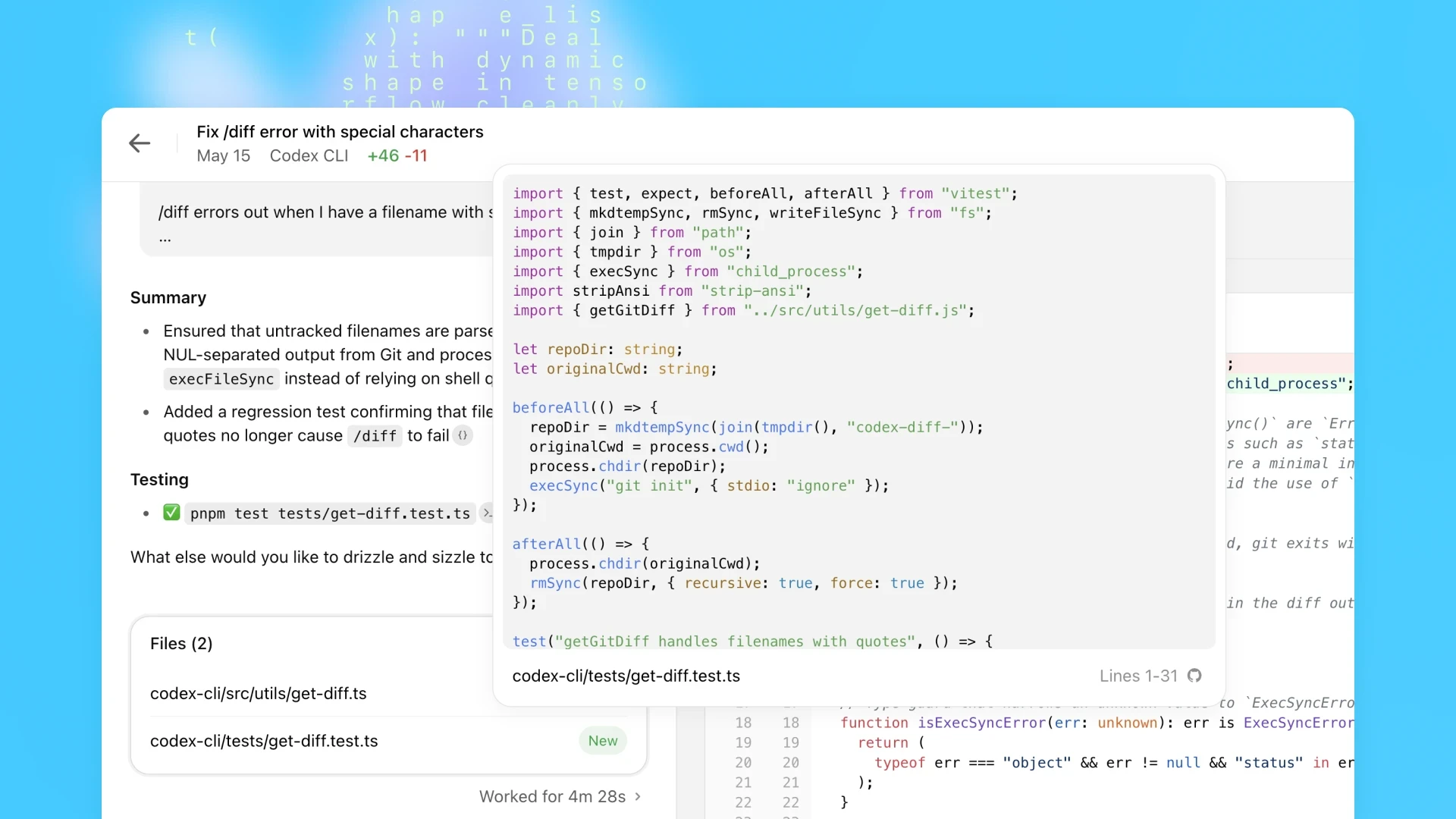
OpenAI’s Codex has evolved into a capable software engineering agent that can write, modify, and execute code across a variety of programming tasks.
Its ability to automate repetitive engineering work has made it increasingly popular among developers and technical teams.
Core Capabilities
- Code generation
- Software automation
- Code execution
- Test creation
- Bug fixing
You can access OpenAI Codex at: openai.com/codex/
7. Open-Source Model Library
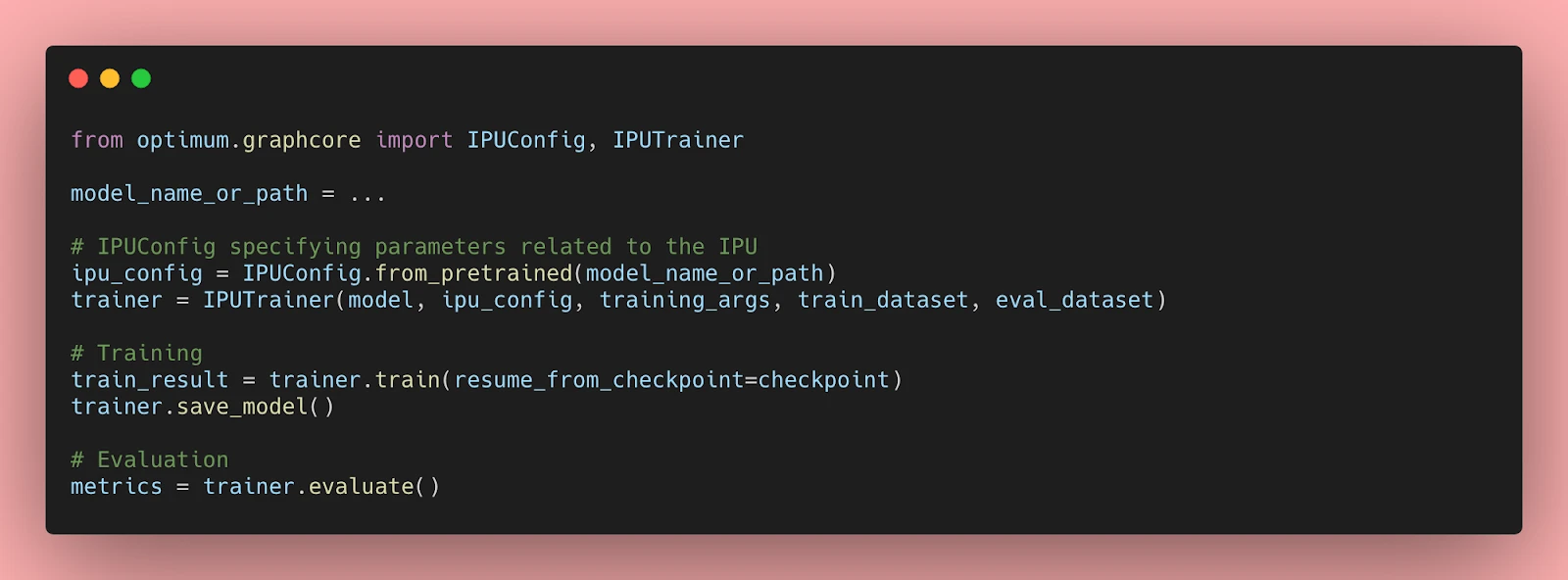
Hugging Face remains the foundation of the open-source AI ecosystem. Most developers interact with Transformers at some stage of model experimentation, fine-tuning, or deployment.
Its extensive model library and community-driven ecosystem continue to make it indispensable for AI development.
Core Capabilities
- Model hosting
- Fine-tuning support
- Inference pipelines
- Open-source model access
- Research tooling
You can access Hugging Face Transformers at: huggingface.co/docs/transformers/index
One of the biggest developments in 2026 has been the rapid adoption of MCP.
Model Context Protocol provides a standardized way for AI systems to connect with tools, APIs, databases, and external applications. Many AI products now support MCP as a default integration layer.
Core Capabilities
- Tool integration
- Context sharing
- Standardized connectivity
- Agent interoperability
- External data access
You can access MCP (Model Context Protocol) at: modelcontextprotocol.io
9. Enterprise AI Development Platform
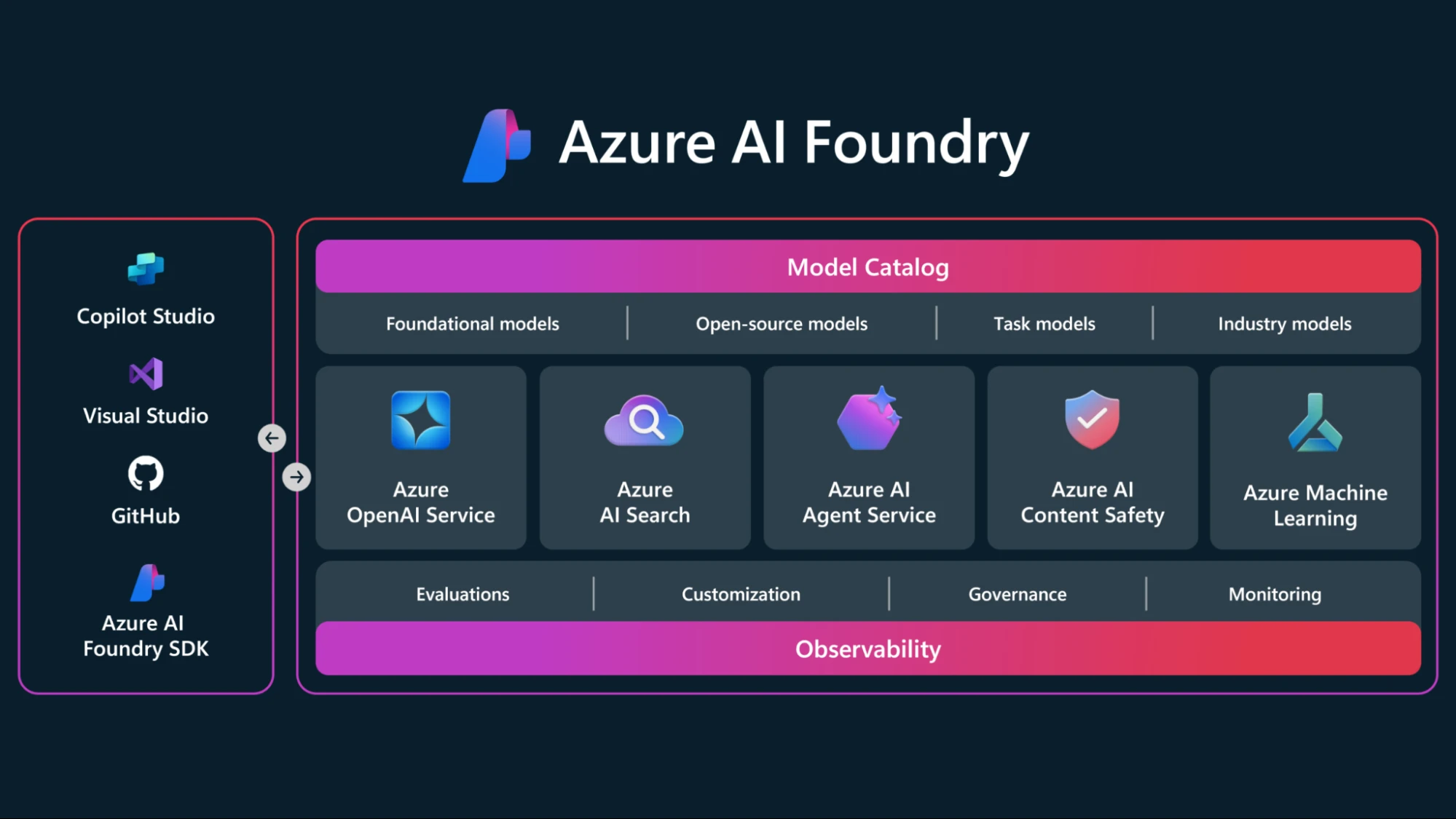
Azure AI Foundry has become Microsoft’s flagship platform for building and deploying enterprise AI applications.
It provides organizations with tools for model deployment, evaluation, governance, monitoring, and security within a single ecosystem.
Core Capabilities
- AI deployment
- Model evaluation
- Governance controls
- Monitoring tools
- Enterprise integrations
You can access Azure AI Foundry at: azure.microsoft.com/products/ai-foundry/
10. LLM Evaluation Framework
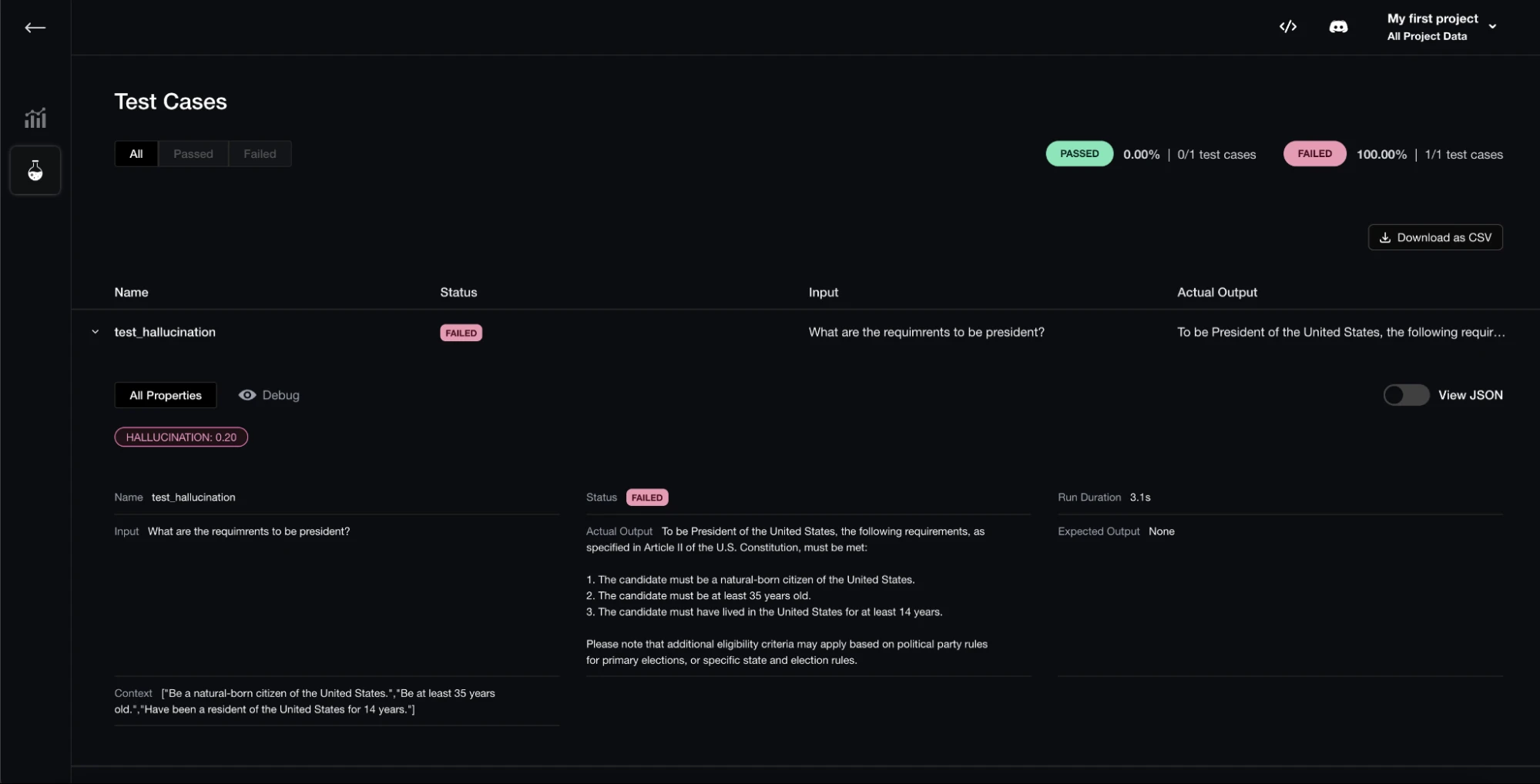
Evaluation has become a critical part of AI development, especially as organizations move AI applications into production.
DeepEval helps developers benchmark, test, and measure the reliability of AI systems across a wide range of tasks.
Core Capabilities
- LLM evaluation
- RAG evaluation
- Agent testing
- Benchmarking
- Regression testing
You can access DeepEval at: deepeval.com
Final Thoughts
The AI landscape is no longer defined solely by large language models. Instead, the focus has shifted toward the tools that help developers build, deploy, monitor, and scale AI applications.
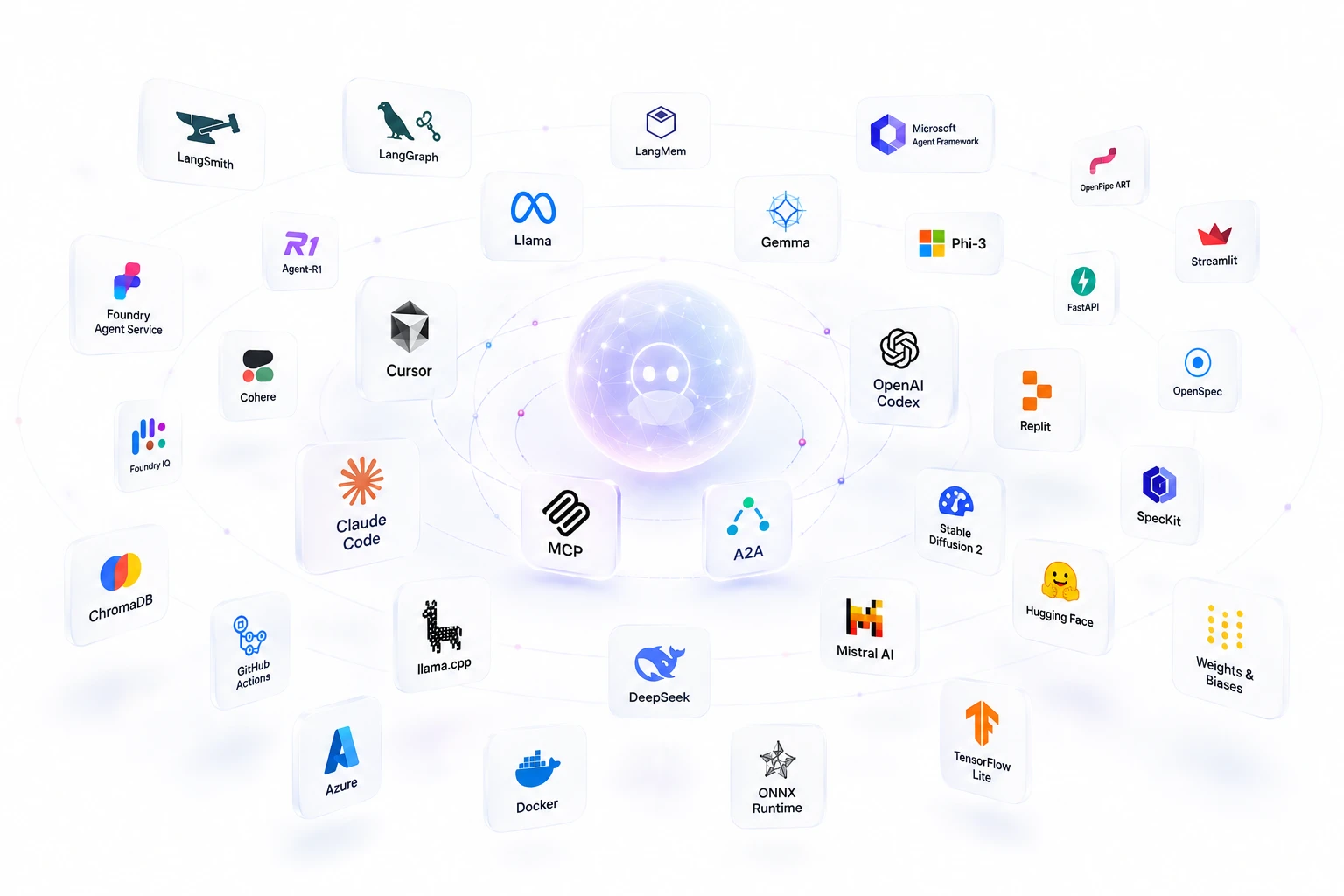
From Cursor and Claude Code transforming software development to LangGraph enabling sophisticated agent workflows and MCP standardizing tool integrations, these technologies are shaping the future of AI engineering. Learning them today will provide a strong foundation for building the next generation of intelligent applications.
If you’re wondering where to master these AI tools- look no further than DataHack Summit 2026.
Read more: How to choose the right AI model?

I specialize in reviewing and refining AI-driven research, technical documentation, and content related to emerging AI technologies. My experience spans AI model training, data analysis, and information retrieval, allowing me to craft content that is both technically accurate and accessible.
Login to continue reading and enjoy expert-curated content.


