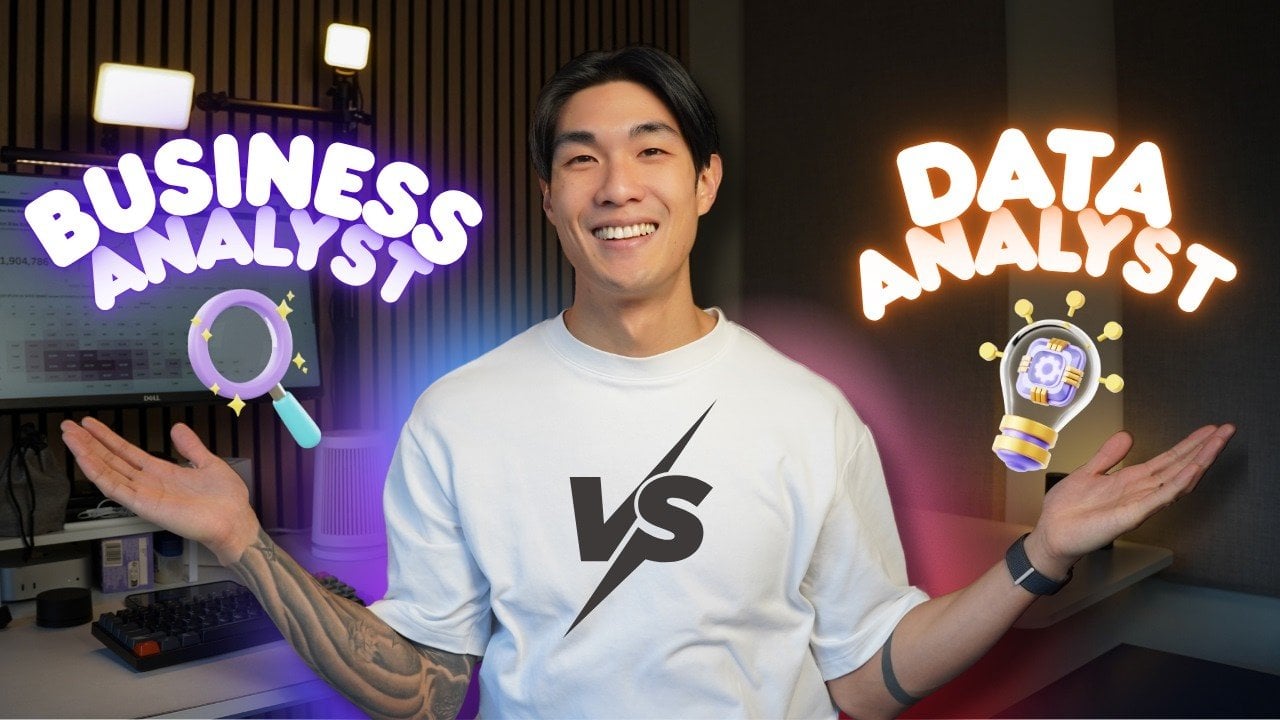
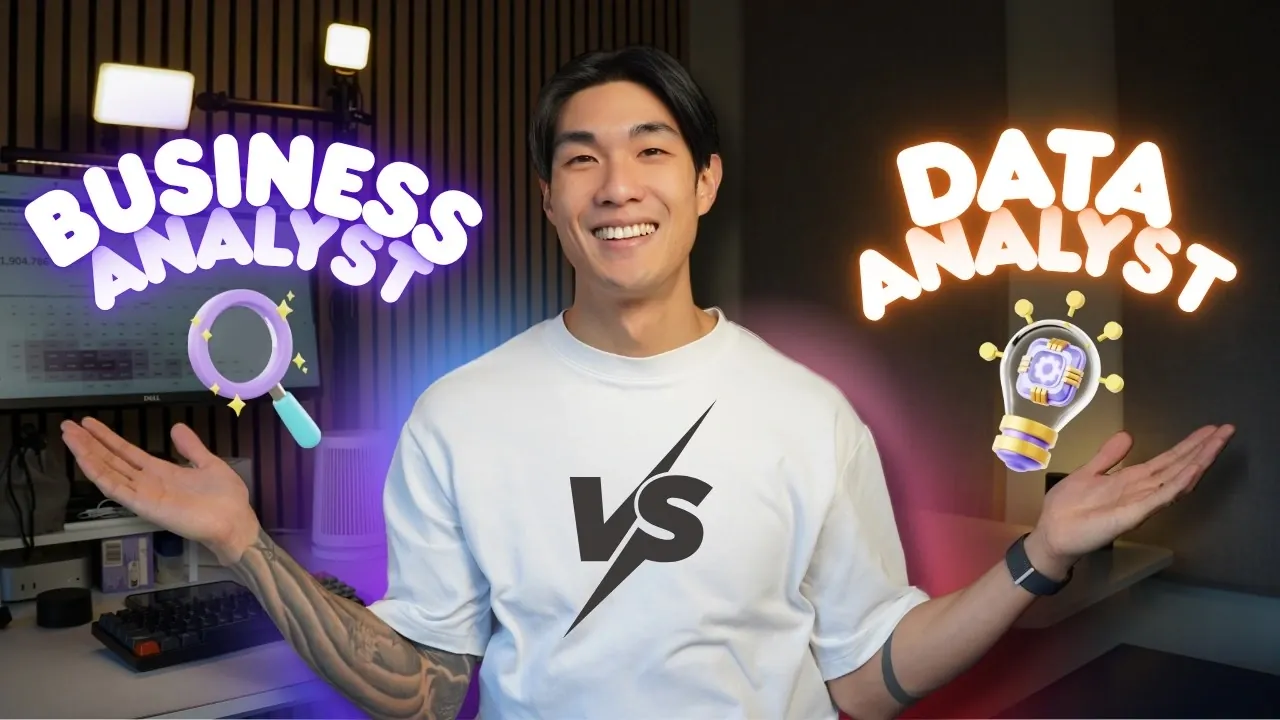
The evolving landscape of Business Analyst (BA) and Data Analyst (DA) roles highlights how Artificial Intelligence (AI) is reshaping professional expectations. As Mo Chen explains, AI has automated many technical tasks, such as writing SQL queries and organizing project requirements, allowing professionals to focus on higher-value contributions. For example, while a Data Analyst might validate AI-generated predictive models, a Business Analyst could prioritize defining critical business challenges. These shifts underscore the growing importance of skills like judgment, communication and problem-solving in both roles.
In this deep dive, you’ll gain clarity on how AI has blurred the lines between these two career paths and what that means for your decision-making. Explore how Data Analysts are transitioning toward strategic analysis and interpretation, while Business Analysts are focusing more on stakeholder management and decision-making frameworks. By understanding the distinct yet overlapping skill sets required for each role, you’ll be better equipped to align your career aspirations with the demands of an AI-driven workplace.
How AI is Transforming the Role of Data Analysts
TL;DR Key Takeaways :
- AI is transforming both Business Analyst (BA) and Data Analyst (DA) roles by automating routine tasks, shifting focus to higher-level skills like judgment, problem-solving and communication.
- Data Analysts now focus on interpreting AI outputs, validating their accuracy and applying insights to solve business problems, requiring enhanced judgment, business acumen and communication skills.
- Business Analysts are increasingly tasked with strategic activities such as stakeholder management, decision-making and addressing complex business challenges, emphasizing emotional intelligence and problem-solving frameworks.
- The distinction between BA and DA roles is blurring, with both requiring cross-functional skills, adaptability and the ability to contextualize and communicate insights effectively.
- To remain competitive in an AI-driven workplace, professionals must focus on tasks requiring human expertise, develop strategic and interpersonal skills and adapt to evolving role demands.
AI has transformed the Data Analyst role by automating many technical processes that were once time-intensive. Tasks such as writing SQL queries, cleaning datasets and generating dashboards can now be efficiently handled by AI-powered tools. This automation reduces the need for manual intervention, allowing you to focus on more strategic and analytical responsibilities.
However, this shift also redefines what it means to be a Data Analyst. Your role is no longer limited to executing technical tasks; instead, you are expected to interpret AI-generated outputs, validate their accuracy and apply them to solve real-world business problems. For example, while AI might create a predictive model, it is your responsibility to ensure the model aligns with business objectives and effectively communicate its implications to stakeholders.
To excel in this evolving role, you must develop critical skills that go beyond technical expertise:
- Judgment to evaluate AI outputs and refine analyses for accuracy and relevance.
- Business acumen to understand industry-specific nuances and apply insights effectively.
- Communication skills to translate complex data findings into actionable insights for non-technical audiences.
These skills underscore the enduring importance of human expertise in an AI-driven environment, making sure that Data Analysts remain indispensable contributors to organizational success.
How AI is Redefining the Role of Business Analysts
For Business Analysts, AI has streamlined routine tasks such as drafting documentation, summarizing meeting notes and organizing project requirements. This efficiency allows you to dedicate more time to strategic activities, including defining business problems, managing stakeholder relationships and resolving conflicting priorities.
Your role as a Business Analyst increasingly revolves around asking the right questions and making informed decisions. While AI can assist in gathering and organizing data, it cannot determine which business challenges are most critical or navigate the complexities of stakeholder dynamics. These responsibilities require a unique combination of analytical thinking, communication skills and emotional intelligence.
Key skills for Business Analysts in this AI-driven landscape include:
- Stakeholder management to build and maintain productive relationships across teams.
- Problem-solving frameworks to address multifaceted challenges effectively.
- Decision-making models to guide strategic choices and align them with organizational goals.
By honing these skills, you can ensure your role remains relevant and valuable, even as AI continues to advance.
Explore further guides and articles from our vast library that you may find relevant to your interests in data analysis.
The Blurring Lines Between Roles
The distinction between Business Analyst and Data Analyst roles is becoming increasingly blurred. Both positions are shifting away from purely technical execution toward responsibilities that emphasize judgment, communication and domain expertise. Whether your focus is on business strategy or data interpretation, your ability to work effectively with AI tools and apply their outputs meaningfully will set you apart.
For instance, a Data Analyst might use AI to identify customer behavior trends, while a Business Analyst interprets those trends to recommend actionable strategies. In both cases, your ability to contextualize and communicate insights is critical to driving business outcomes. This overlap highlights the growing importance of cross-functional skills and adaptability in both roles.
Adapting to the AI-Driven Workplace
To thrive in either role, you must focus on tasks that require human judgment, business acumen and relationship management, areas where AI is least likely to replace you. Developing skills in problem-solving, stakeholder communication and strategic thinking will help you remain competitive in an AI-driven workplace.
Consider these practical steps to adapt effectively:
- Identify which tasks in your role are being automated and shift your focus to higher-value activities that require human expertise.
- Enhance skills such as judgment, creativity and interpersonal communication, which are difficult for AI to replicate.
- Reflect on your strengths and explore opportunities to develop areas where human capabilities are indispensable.
By proactively adapting to these changes, you can position yourself for long-term success and ensure your career remains resilient in an AI-driven future.
Questions to Guide Your Career Decision
If you’re deciding between a career as a Business Analyst or Data Analyst, asking the right questions can help you determine which path aligns best with your skills and goals. Consider the following:
- Which tasks in your current or desired role are being automated and how can you adapt to focus on strategic contributions?
- What aspects of your work require human expertise, such as judgment, communication, or understanding business context?
- Are you comfortable with the evolving demands of your role and what steps can you take to align your skills with future needs?
Answering these questions will provide clarity on your strengths and help you make a well-informed career choice.
The Future of Business and Data Analysts
Both Business Analyst and Data Analyst roles remain in demand, but they require a shift in focus toward higher-level, non-automatable skills. While technical competencies like SQL and data cleaning are still valuable, they are no longer the primary differentiators in these careers. Instead, your ability to interpret AI outputs, communicate effectively and apply insights within a business context will define your success.
As AI continues to evolve, the most successful professionals will be those who embrace change, adapt their skill sets and focus on areas where human expertise is irreplaceable. Whether you choose to become a Business Analyst or a Data Analyst, your ability to combine technical knowledge with strategic thinking and interpersonal skills will be the key to thriving in the future workplace.
Media Credit: Mo Chen
Disclosure: Some of our articles include affiliate links. If you buy something through one of these links, Geeky Gadgets may earn an affiliate commission. Learn about our Disclosure Policy.


