Summary
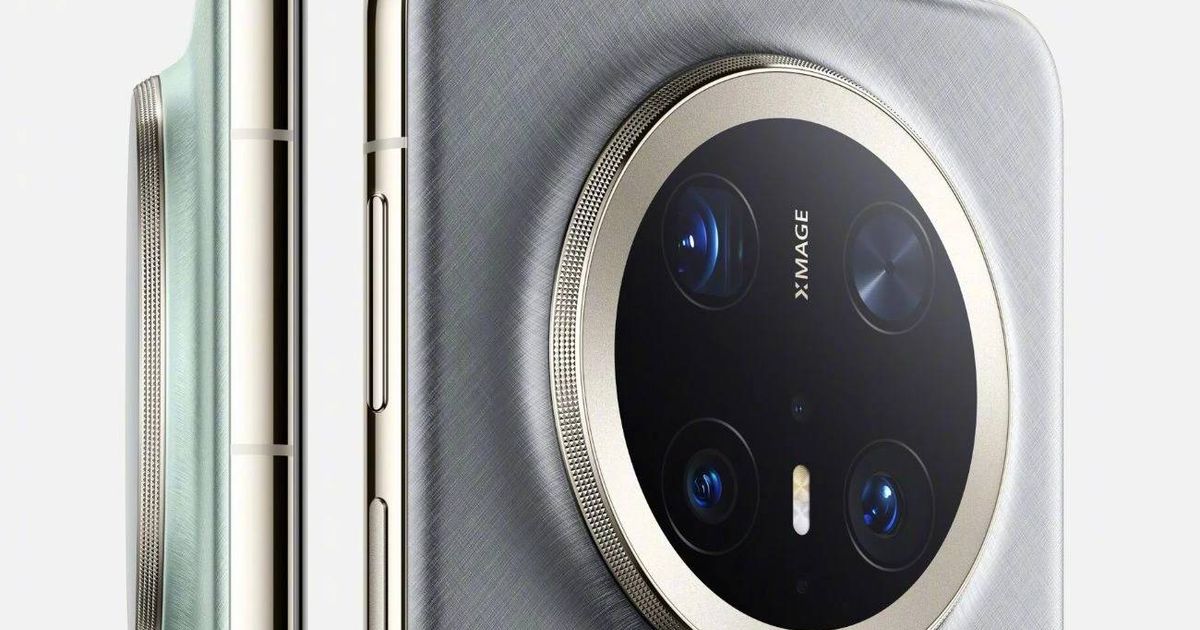
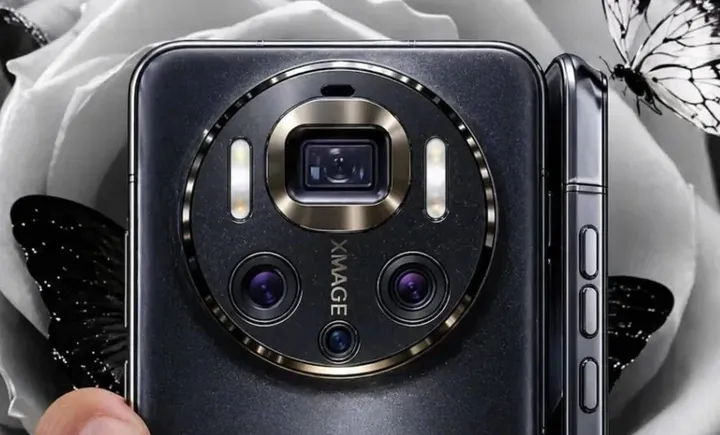
- The Mate 90 series is expected to debut in September 2026, roughly two months ahead of its predecessor’s timeline.
- The headline upgrade is the Kirin 2026 chip (expected to launch commercially as the Kirin 9050), which introduces LogicFolding architecture — a first for the industry.
- LogicFolding stacks logic circuits vertically, allowing Huawei to push transistor density without relying on EUV lithography machines blocked by U.S. sanctions.
- Early performance testing reportedly shows results comparable to chips produced on TSMC’s 3nm process — exceeding expectations, according to analysts.
- HarmonyOS 7, unveiled at HDC 2026, brings a 15%+ performance gain over HarmonyOS 6.1 and introduces an AI Agent Framework, with the Mate 90 expected to be its first stable-build carrier.
The Chip That Changes the Conversation
Here’s the catch. Huawei’s real story isn’t the launch date — it’s what’s inside the device. At ISCAS 2026 in Shanghai, He Tingbo, head of Huawei’s semiconductor business, confirmed that the upcoming Kirin chips will be the first to adopt LogicFolding architecture, which he said will considerably enhance performance. That’s a carefully worded understatement from an executive who knows the geopolitical stakes.
Because Washington has blocked China’s access to advanced EUV lithography equipment from ASML, Chinese foundries can’t manufacture chips through traditional geometric shrinking. So Huawei went sideways — or rather, upward. LogicFolding moves beyond conventional single-layer chip layouts by stacking logic structures into a dual-layer design, improving transistor density and energy efficiency. I suppose you could call it elegant. Others might call it necessity dressed up as innovation. Frankly, the line between the two is thin.
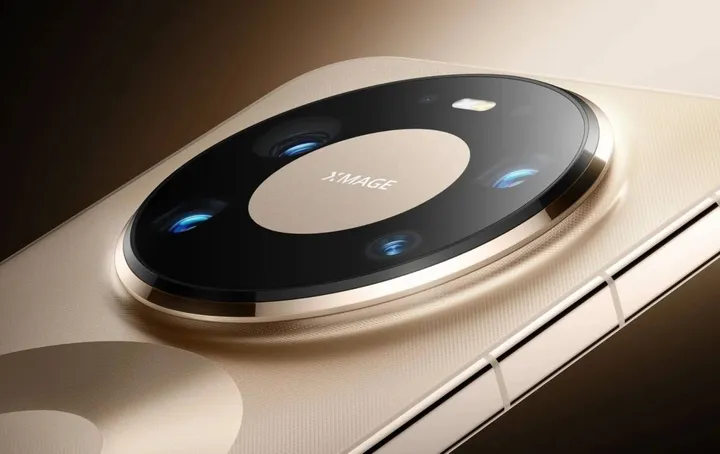
The Kirin 9050 is manufactured by SMIC using DUV-level lithography machines — and yet early testing reportedly shows performance that surpasses Apple’s A18 chip from 2024. Whether those internal benchmarks hold in real-world conditions remains to be seen. But the ambition is clear.
HarmonyOS 7 Enters the Picture
A September Showdown Nobody Asked For
Huawei currently leads smartphone market share in China for early 2026. Globally, it’s a different story. But with a chip architecture that sidesteps the foundry bottleneck and a software platform that’s finally maturing, the Mate 90 isn’t just another flagship. It’s a statement. Whether the market buys it — literally and figuratively — we’ll find out in a few months


