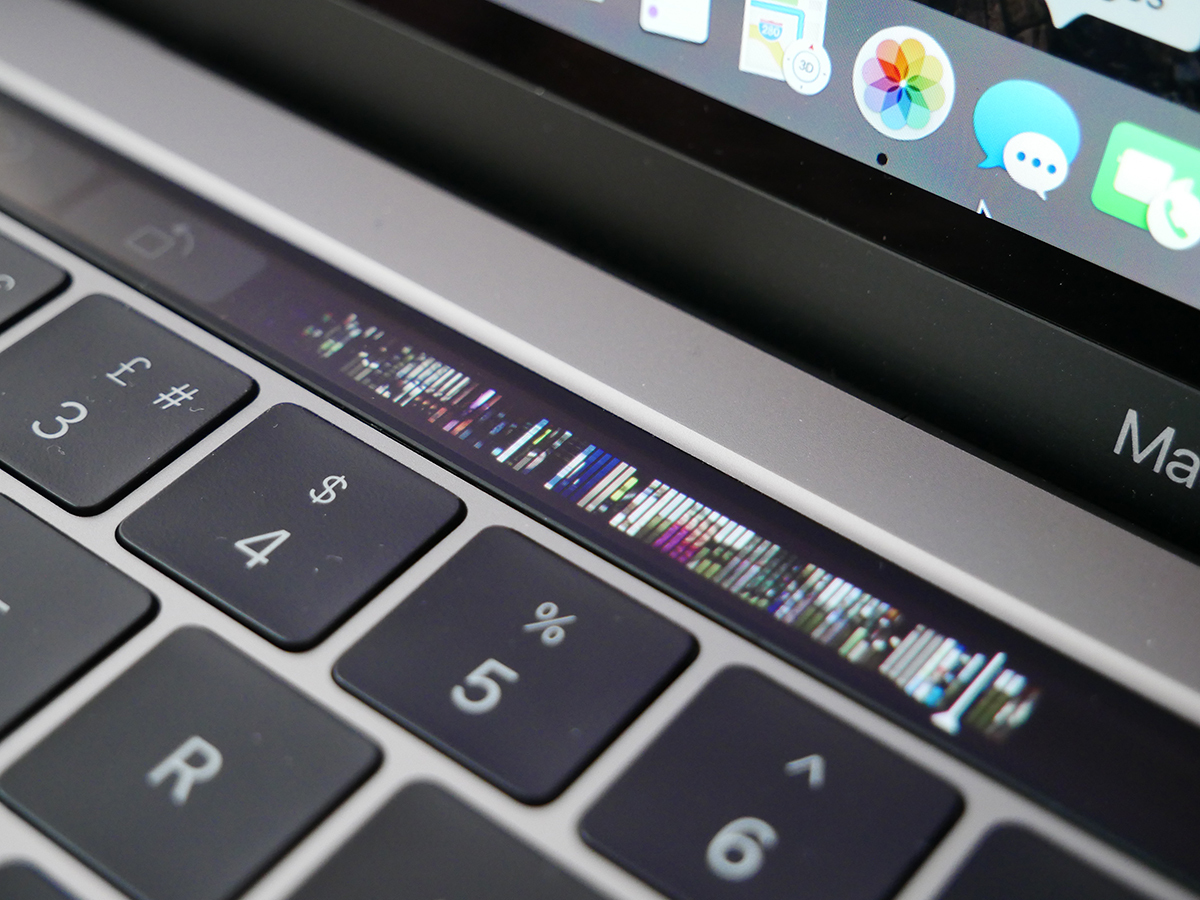
Every WWDC, Apple shows what’s next for your Apple gear. And then geeks immediately try to unearth secrets from the code. This year, the iPhone Fold isn’t one of them. Apple couldn’t have hinted more strongly that the iPhone Fold/Ultra/Bend-o-phone is imminent during its iOS app resizing reveal. And that’s before you get to the leaks, which have become so frequent they barely qualify as leaks anymore. Instead, attention has shifted to the hallowed touchscreen MacBook Ultra.
As ever, a truckload of salt is required. Touchscreen Mac rumours have rattled around for years. But devs spotted code in macOS 27 that might suggest one is on the way: touchscreen support for Sidecar; pull-to-refresh; possibly even a Mac Dynamic Island.
Not that those really prove anything. Sidecar runs on iPad and so full touchscreen support is overdue. Pull-to-refresh would work nicely with a trackpad. And Dynamic Island for Mac is no smoking gun, given that the concept exists on Mac already, courtesy of a growing collection of third-party wannabes. Perhaps Apple is merely bowing to the inevitable.
Still, the idea won’t go away. And the more I think about a touchscreen Mac, the more I wonder whether it’d be a bigger gamble for Apple than people realise.
You’ve got the touch
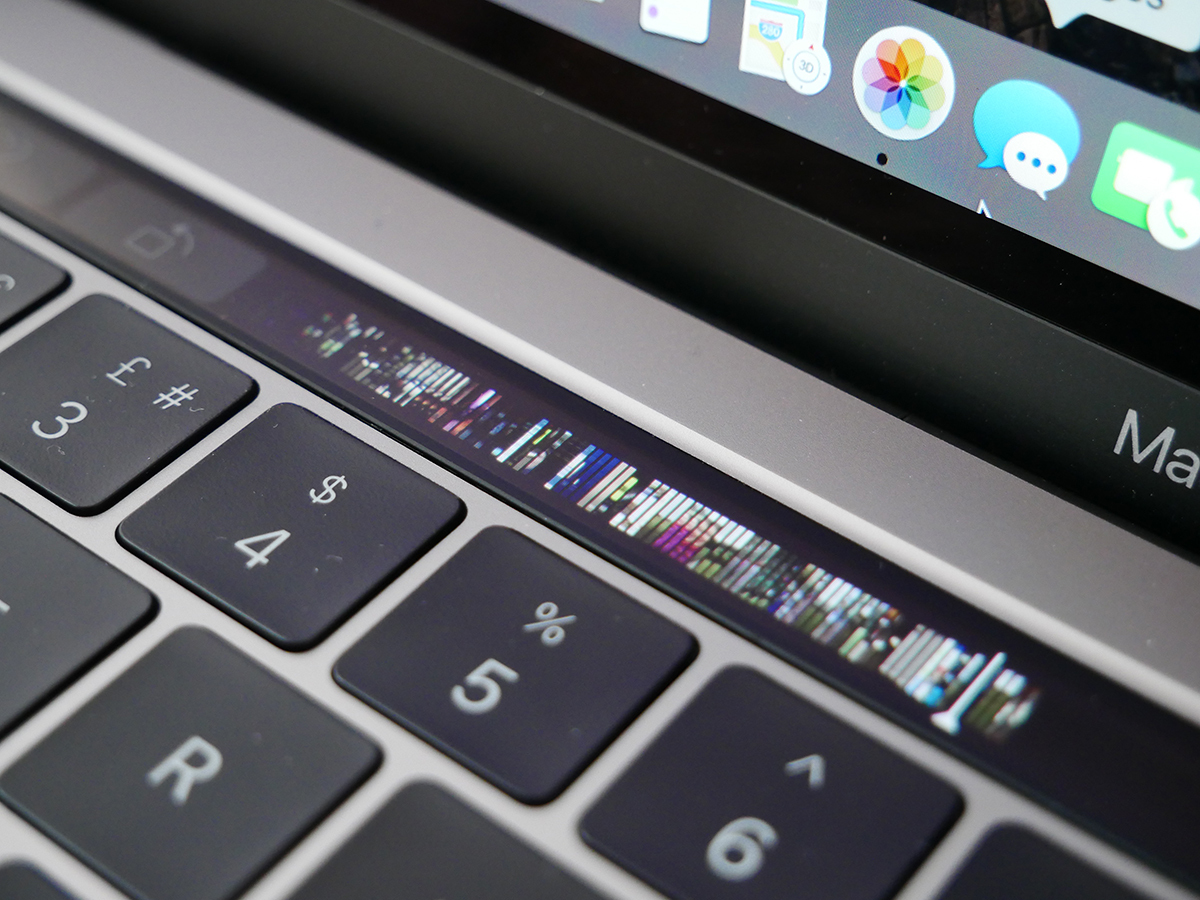
Much of that stems from Apple’s previous flirtation with a touch interface on Mac. In 2016, the Touch Bar replaced the function key row. It was supremely divisive, largely because Apple also removed the physical Escape key. (Three years later, the Escape key made a triumphant return.)
In theory, though, the Touch Bar was a good idea. Echoing the reasoning behind the original iPhone touchscreen, the Touch Bar was positioned as something that could transform, depending on what you were doing. It could surface shortcuts and provide in-context dynamic, nuanced controls like sliders and dials. Utilities like BetterTouchTool went properly bonkers with it, unleashing truly staggering customisation that made the Touch Bar feel essential rather than a mere nice-to-have.
Yet there were problems. Physical keys can be committed to muscle memory, but the Touch Bar demanded you look at it during interactions. Worse, it only ever existed on the MacBook Pro, and so many developers ignored it entirely, on the basis there wasn’t much point in supporting a complex feature that only a small minority of people would ever have access to. In 2021, that stance was validated as Apple scrapped the Touch Bar entirely, reverting the row to traditional keys.
Mac to the future
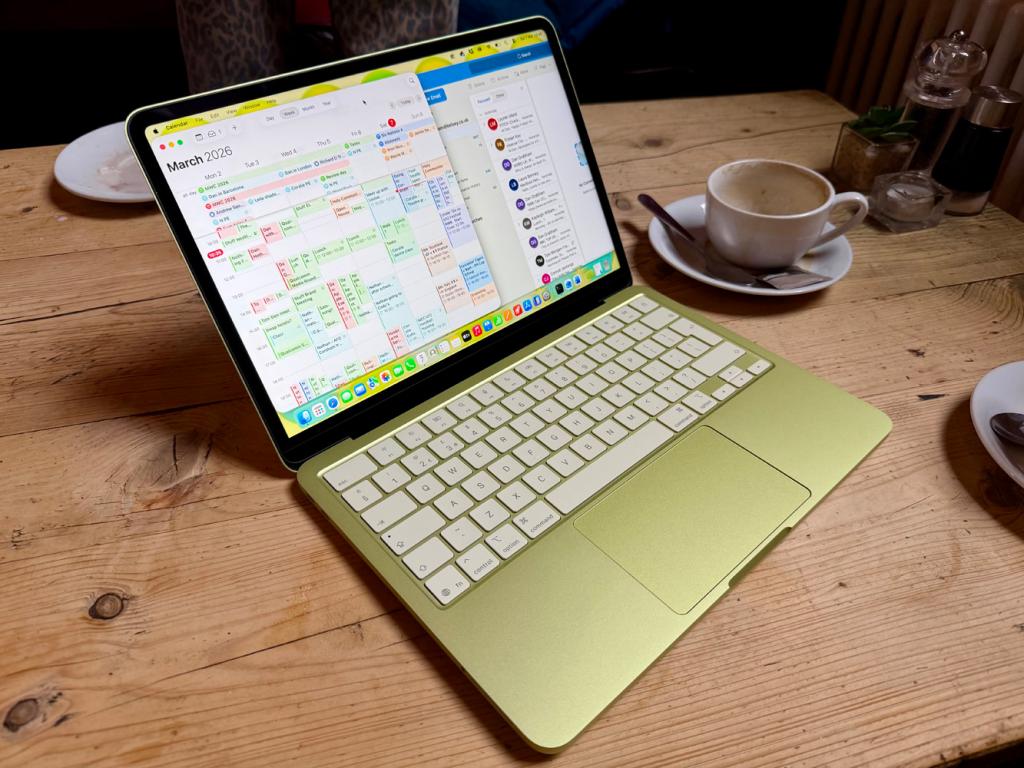
A touchscreen MacBook Ultra would face a similar challenge. It would launch as a niche, expensive device in a sea of non-touchscreen Macs. Developers would need to bet Apple was committed to rapidly rolling touchscreens out across its entire laptop line to justify their investment.
Then there’s the question of whether people really need a touchscreen Mac anyway. I’ll admit I’ve occasionally prodded my MacBook Air’s screen and sat there like an idiot, wondering why nothing happened. And touch can be useful for tasks like precision drawing. But the flip side is fingerprints on the display and a fast track to RSI, because humans aren’t built to spend all day pointing at screens.
Apple learned that lesson with the iPad. For years, Apple’s tablet cosplayed as a laptop while still demanding you poke the screen for every interaction. But with iPadOS 13.4, Apple relented and the iPad has increasingly felt like a Mac in laptop mode ever since.
The only way a MacBook Ultra makes sense to me is if it zips past that period of compromise. Which means a screen that detaches and effectively becomes an iPad, so you get a great laptop and a great touchscreen device. That sounds a lot like an iPad running macOS or, for that matter, a Microsoft Surface or any number of Windows hybrid laptops.
Right now, all this is an unknown – except for one thing. If Apple does release a 2-in-1, it’ll find a way to spin it as Apple’s invention all along.