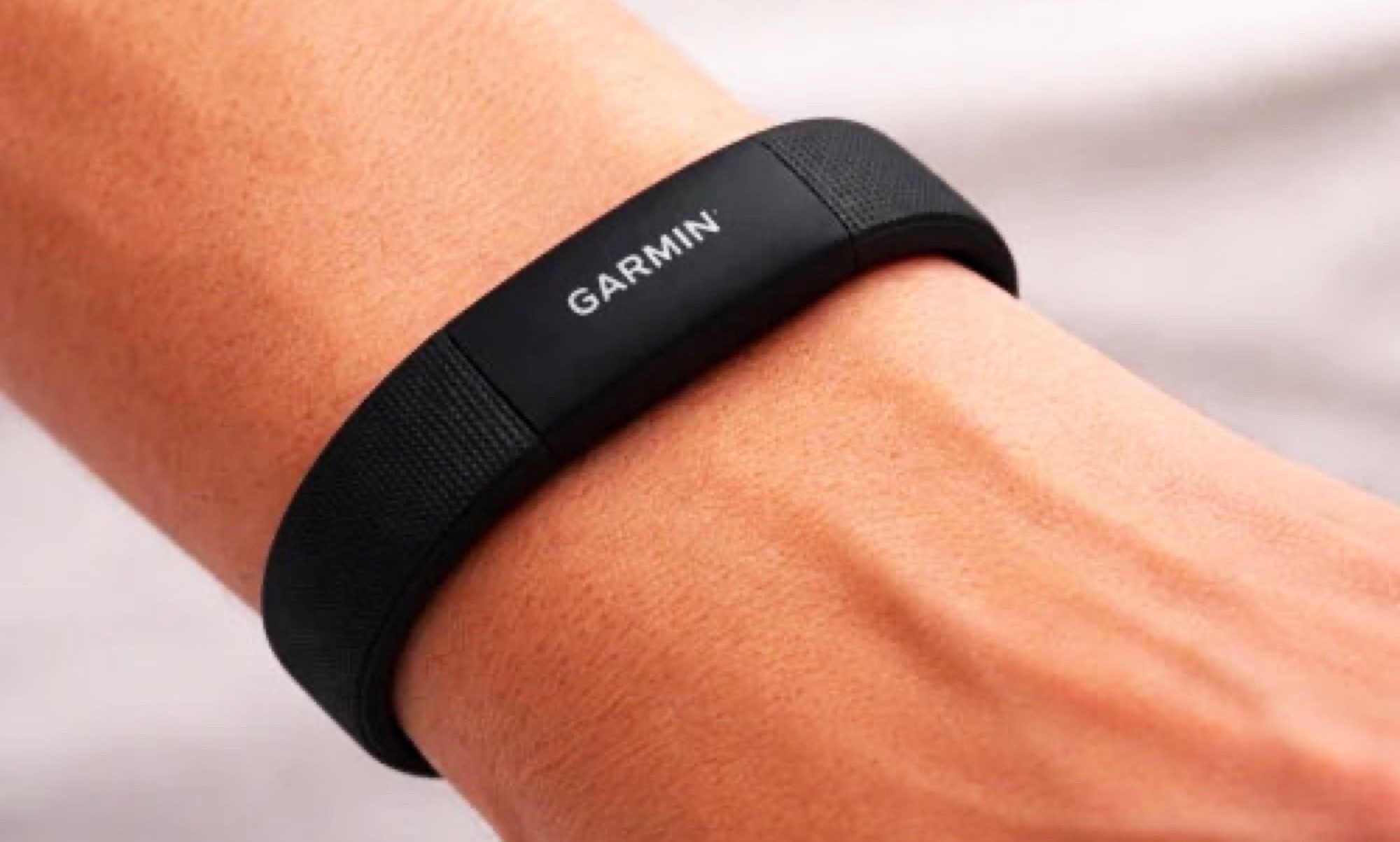
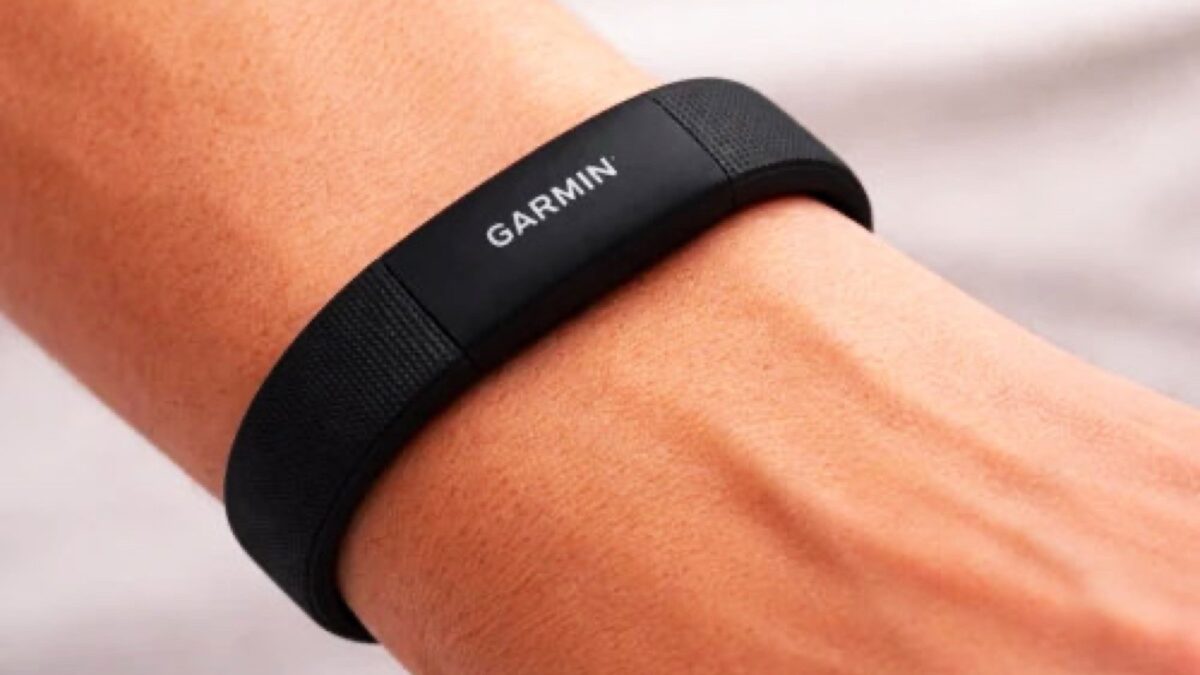
I’ve always thought of screenless fitness trackers as the healthy antidote to smartwatch overload—the kind of device you wear when you want the metrics, but not the noise. So when earlier Garmin Cirqa leaks started circulating online, I assumed it was just another entry in the growing list of “coming soon” screenless wearables we’ve been seeing lately.
At first glance, the Garmin Cirqa leak looked exactly like what you’d expect from Garmin entering this space: a minimal, screen-free wearable focused on continuous health tracking. Heart rate, sleep, activity—all the usual passive metrics, without the display.
But the more details that surface, the more I think I had the wrong frame entirely.
What the Latest Garmin Cirqa Leaks Actually Tell Us
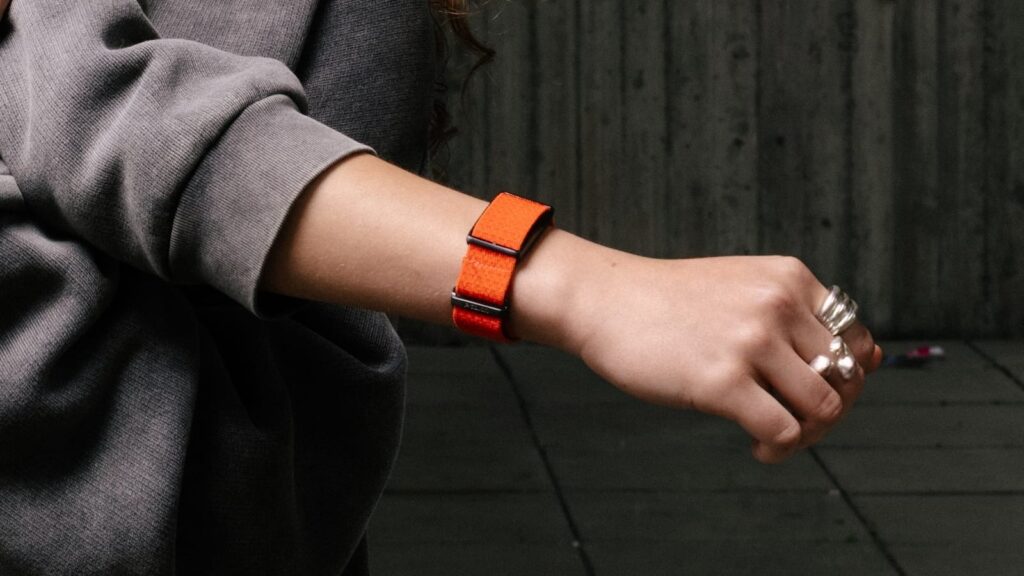
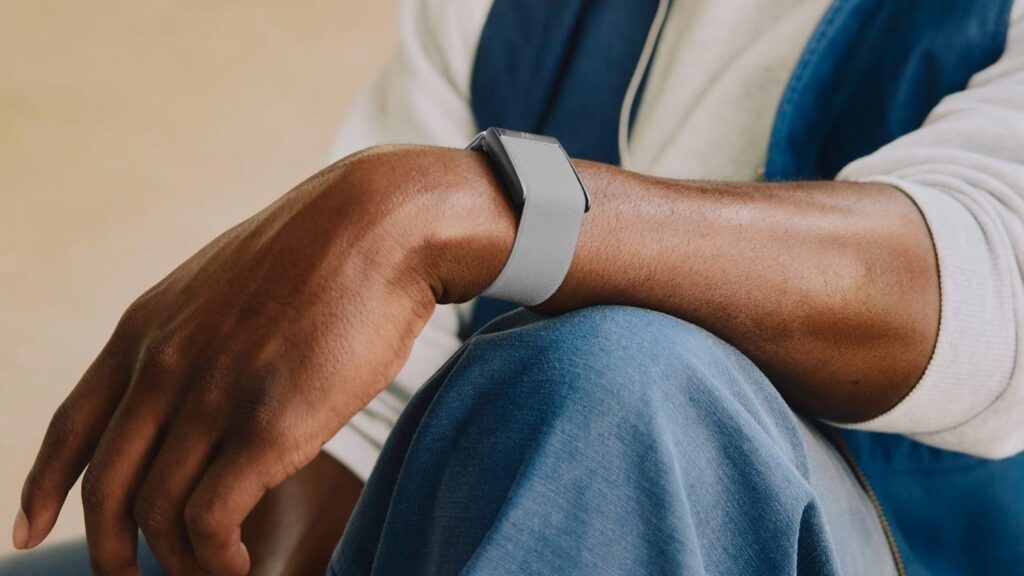
Let’s get our bearings. The Garmin Cirqa is rumored to be a screenless wrist wearable designed for 24/7 passive health tracking. Earlier Garmin Cirqa leaks—including images that briefly appeared on Garmin’s own site before being pulled—pointed to two sizes, two color options (Black and French Gray), and a possible spring launch window.
Then came the pricing leak from Ukrainian retailer Stylus Store [spotted by NotebookCheck], which put the Cirqa at roughly $509—with a preorder discount bringing it to around $454. That number raised some eyebrows, and for good reason.
But now there’s a new layer of information worth paying attention to. A Garmin device carrying the model number A0P3039 has been certified by Singapore’s Integrated Regulatory Information System (IRIS), and the5krunner has identified it as the long-awaited Cirqa. Regulatory filings like this one typically appear close to a product’s actual launch—so things are moving.
The certification reveals something specific: the Cirqa transmits exclusively via Bluetooth. No ANT+ or GPS. No Wi-Fi — not even cellular. That means for activities like running or cycling where distance matters, you’ll need a phone nearby. The Cirqa is, at its core, a Bluetooth-dependent companion device.
And that detail changes everything.
Wait—Is the Garmin Cirqa Even Trying to Compete With WHOOP?
Here’s the shift I keep coming back to. I’ve been evaluating the Cirqa as if it’s supposed to go head-to-head with the Fitbit Air, or the Amazfit Helio Strap (both $99.99), or even the Polar Loop at $199. But what if it isn’t?
The more I sit with the Bluetooth-only spec, the ecosystem angle, and the rumored focus on automatic workout recognition, the less I think Garmin is pitching this to someone who’s never owned a Garmin product. The Cirqa may not be a WHOOP alternative at all. It might be an accessory—designed specifically for people who already own a Garmin watch and want something more from their data.
Think about the actual use case being described in early reports: wear a Garmin smartwatch on one wrist, wear the Cirqa on the other, and the two devices work together for more precise workout tracking and significantly more reliable automatic workout detection. That’s a pitch to someone who’s already deep in the Garmin Connect ecosystem and wants to fill in the gaps their watch misses.
The Case for a Companion Device
This framing actually makes a lot of sense once you think through how people live with their smartwatches.
24/7 wearability is harder than it sounds. Most people take their watch off at some point—charging, sleeping, recovery days. A screenless band is much easier to wear continuously. No interface to manage, or battery anxiety. No awkward bulk during a rest day.
Sleep tracking improves when the device never comes off. Garmin watches already do solid sleep tracking, but there’s always that gap when the watch is charging overnight. A dedicated wristband built for passive overnight tracking solves that neatly.
The two-device case during training. Wearing both gives you more data points from both wrists —something that could meaningfully improve optical heart rate accuracy during high-intensity intervals, and give Garmin’s algorithms more to work with when auto-detecting workout starts and ends. That last part, reliable automatic workout detection, is something Garmin has been iterating on for years. A dedicated sensor on the other wrist is one logical next step.
This isn’t a new concept entirely—WHOOP has long been worn alongside GPS watches by athletes who want recovery data without giving up their preferred training device. But Garmin has a structural advantage here: roughly 45 million active Garmin Connect users, many of them sitting on years of health and training data that already lives inside the platform. For that audience, the Cirqa would be an extension of the same system.
The Price Hasn’t Gotten Any Less Jarring, Though
Even with the companion-device angle, $509 is a number that deserves scrutiny.
The Fitbit Air and Amazfit Helio Strap both sit at $99. Polar Loop is $199 with no subscription. WHOOP’s top-tier Life plan—which includes ECG and blood pressure monitoring—runs $359 a year as a subscription, not a hardware purchase. At $509, the Cirqa would occupy a tier entirely its own in this category.
If Garmin is positioning this as a premium add-on for existing watch owners rather than a standalone tracker, the ask becomes somewhat easier to rationalize—but not by much. The certified spec sheet so far is Bluetooth, heart rate, SpO2, and motion sensors. No GPS, no ANT+, nothing that obviously explains the gap between its price and its closest competitors.
Whatever additional sensors or capabilities Garmin might announce at launch will need to work hard to close that gap. A single-source retailer listing isn’t gospel, but the number is out there now and it sets expectations—good or bad.
Lauren has been writing and editing since 2008. She loves working with text and helping writers find their voice. When she’s not typing away at her computer, she cooks and travels with her husband and two kids.


