Every new TV I buy should last a few years, and I make my purchasing decisions with the future in mind. This ensures they’ll still offer the best viewing experience for at least three to four years and can save me from upgrading my old smart TV sooner than I need to.
So what features should you look for when trying to future-proof your smart TV? If you’re spending hundreds or thousands of dollars, it makes sense to get the latest visual tech, ports and other features on your next TV. I’ll make it easier with a list of essential features you should look for to future-proof your TV.
OLED or Mini-LED panels
Get the best you can

There’s been much hype surrounding the latest MicroLED and RGB mini-LED TVs over the last year, but they are still not practical options for consumers. MicroLED TVs, like the Hisense 136inch MX at $100,000, are only viable for commercial applications. RGB mini-LED TVs have better pricing, but there are still more for early adopters with cash to burn. For example, Samsung’s entry-level R85H starts at $1,500 and the Hisense UR8 goes for around $1,800.
Mini-LED tech is another practical choice that will be around for a while, and you can’t go wrong if you choose models from quality brands.
So, where does this leave buyers? OLED won’t be going anywhere anytime soon, despite the newer tech infiltrating the market, and you can trust new models from reputable brands, like Samsung and LG to last for a few years. Mini-LED tech is another practical choice that will be around for a while, and you can’t go wrong if you choose models from quality brands.
Multiple HDMI 2.1 ports
One isn’t good enough

HDMI 2.1 ports are a must-have feature because they provide a significant upgrade over the older 2.0 standard. The older HDMI 2.0 supported speeds of up to 18 Gbps with a maximum resolution of 4K at 60Hz, with no VRR or eARC support. In comparison, the newer HDMI 2.1 variants support speeds of up to 48 Gbps with a maximum resolution of 4K at 120Hz or 8K at 60Hz. It also supports variable refresh rate (VRR) technology and eARC lossless audio support.
This is a big deal because you can watch higher-resolution content and play console games at their fastest speeds. Some budget TVs offer a single HDMI 2.1 port, which isn’t sufficient if you’re connecting the latest soundbars and consoles. It’s worth doing your homework before choosing a TV and getting one with at least three HDMI 2.1 ports to ensure future compatibility with peripheral devices.
High refresh rate
The faster the better

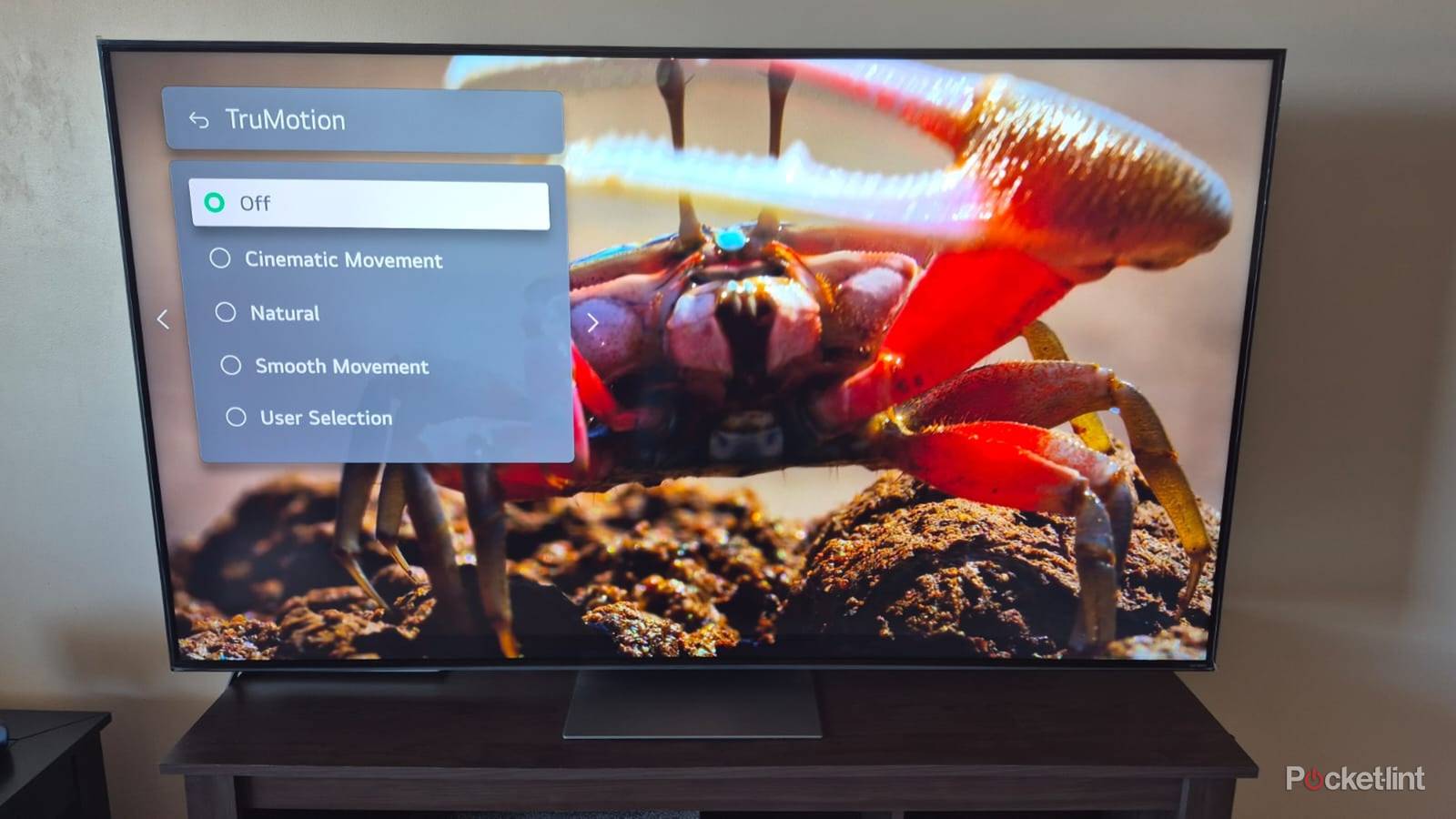
A TV’s refresh rate refers to how many times the image is refreshed per second, and more is better because it results in smoother and sharper imagery. Until a few years ago, 60Hz was the standard, but new TVs now offer 120Hz and above refresh rates to meet modern standards. Gamers in particular benefit from these higher refresh rates to get the best out of their current-gen consoles.
It’s worth getting a high refresh-rate TV even if you aren’t a gamer.
It’s worth getting a high refresh-rate TV even if you aren’t a gamer, because it makes sports and other fast-paced content feel more fluid without motion blur or tear. Most buyers will probably be fine with a 120Hz refresh rate for watching movies and shows, but gamers should try for 144Hz and higher to meet the speeds of next-gen consoles.
NextGen TV tuner
The latest broadcasting standard

NextGen TV, formerly known as ATSC 3.0, is the new broadcasting standard replacing the older ATSC (HDTV) in the US. This new standard is already broadcasting in many US cities and promises 4K HDR video, Dolby Atmos audio, and better reception.
It’s still worth getting a TV with NextGen TV compatibility to prepare for the future.
However, the rollout has been complicated so far, and many of the stations broadcasting in this standard are still using upscaled 1080p content instead of true 4K. It’s also not available in all cities at the time of writing. It’s still worth getting a TV with NextGen TV compatibility to prepare for the future and save yourself from buying an external tuner. This matters more if you prefer free over-the-air TV rather than subscription-based streaming services.
Lengthy software updates
Keep your OS fresh

It’s worth getting a TV with a reliable OS that will benefit from years of software updates. Modern smart TV operating systems require regular updates to ensure app compatibility and to add new features. They also need updating to better communicate with soundbars and other hardware, and to fix bugs and glitches.
When it comes to software updates, some brands offer more support than others.
When it comes to software updates, some brands offer more support than others. Samsung offers up to seven years on new TVs running Tizen, while LG offers five years on its current WebOS offerings. Google TVs guarantee up to five years of security updates, while other brands like Roku aren’t specific, but should offer a decent software timeframe depending on the model.

- Brand
-
LG
- Display Size
-
42, 48, 55, 65, 77, or 83 inches
- Operating System
-
webOS
- Display Type
-
OLED
- Display Resolution
-
4K
- Refresh rate
-
165Hz (with VRR)


