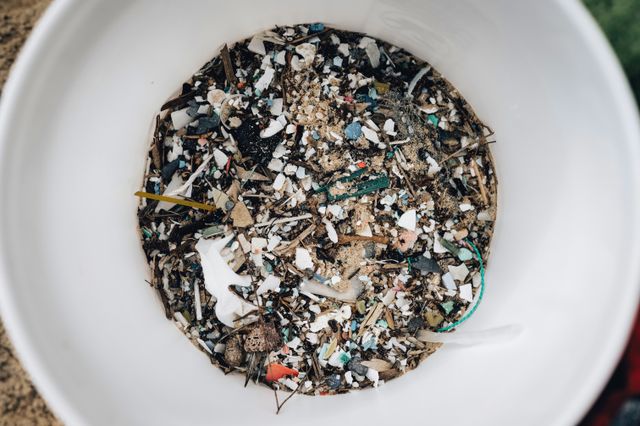
Every time you wipe down a counter with a synthetic sponge or mop your floors with a plastic-handled tool, tiny particles break free and settle into your home. The friction, heat and chemical exposure involved in routine cleaning further break down these plastic materials, turning everyday tools into hidden sources of pollution.
The Short Answer: Yes, They Likely Are
If your cleaning arsenal includes synthetic scrub brushes or tools with plastic handles, those items are likely releasing microplastics into your living space. Heat from hot water, exposure to harsh cleaning chemicals and simple aging all contribute to their degradation. Over time, even the most durable plastic tools begin to crack and shed particles small enough to float through the air or cling to surfaces throughout your home.
How Everyday Cleaning Releases Invisible Plastics
The tasks that keep your home clean may also introduce invisible contamination. Understanding how plastic tools degrade during normal use helps explain why this issue affects nearly every household that relies on conventional cleaning supplies.
When Sponges and Scrubbers Break Down
Cleaning inherently involves friction. When you scrub a dish or wipe a surface, the physical contact wears away tiny amounts of material from whatever tool you’re using. Products like melamine sponges are designed to work precisely through abrasive wear, which means they intentionally shed microplastic fibers during normal use.
The scale of this shedding can be staggering. Research has found that a single melamine sponge can release approximately 6.5 million fibers per gram of worn-out material. Synthetic cleaning fabrics and plastic-bristled brushes follow similar patterns, gradually breaking down with each use and releasing particles into your home.
Wear and Tear on Plastic Handles and Tools
Rigid plastic components face their own degradation challenges. The handles on mops and brushes may seem solid and stable, but constant stress compromises their structure. Hot water raises the temperature of plastic surfaces and makes them more vulnerable to breakdown. Chemical cleaners can also interact with polymer bonds and weaken the material over time.
Common plastics like polypropylene and polyethylene, which make up many tool handles, respond poorly to these conditions. Studies on plastic degradation show that elevated temperatures and varying pH levels from cleaning solutions contribute to surface deterioration and increase the likelihood of microplastic release. Even physical stresses, like dropping a mop or scrubbing floors, contribute to microscopic cracks that eventually release particles.
Why You Should Be Concerned About Household Microplastics
The presence of plastic particles in your home carries implications that extend beyond cleanliness. These materials behave differently from traditional dust or debris, and their small size allows them to travel through your environment in ways that larger contaminants cannot.
Potential Health and Air Quality Impacts
Microplastics are tiny enough to become airborne with minimal disturbance. When you sweep, dust or even walk across a floor, these particles can lift into the air you breathe. Researchers are still working to understand their full impact on human health, especially once you inhale or ingest them.
Common environmental factors in homes accelerate the formation of these particles. Polymer fragmentation research demonstrates that the combination of UV exposure from sunlight streaming through windows and physical abrasion significantly increases microplastic generation from materials like polypropylene. Your home’s everyday conditions may be creating more of these particles than you realize.
The Environmental Cost of Washing Plastics Away
The microplastics generated during cleaning don’t simply disappear when you rinse a sponge or empty a mop bucket. These particles flow down your drains and enter municipal wastewater systems. While treatment plants capture many contaminants, they aren’t designed to filter out every microscopic particle.
A portion of household microplastics pass through wastewater treatment and are released into rivers, lakes and oceans. Once in aquatic environments, these particles affect wildlife, accumulate in sediments and can even work their way back into drinking water supplies. The cleaning you do to protect your household actually contributes to a much larger environmental problem.
How to Choose Safer and More Sustainable Cleaning Tools
Awareness of the problem naturally leads to questions about solutions. Fortunately, alternatives exist that allow you to maintain a clean home without contributing to plastic pollution. If you hire professional cleaners, ask what types of tools they use and whether they offer natural-material options.
Prioritizing Natural Materials Like Wood and Fiber
Natural materials offer a straightforward alternative to plastic-based cleaning tools. Wood, bamboo and natural plant fibers provide the durability and functionality you need without the microplastic shedding that comes with synthetic options. These materials break down into organic compounds when they eventually wear out, rather than persisting as plastic particles in your environment.
Wooden handles on brooms and mops, natural fiber brush bristles and plant-based scrubbers perform just as well as their plastic counterparts for most cleaning tasks. They also tend to be more pleasant to handle and can last for years with proper care.
What to Look For in a Quality Wooden Tool
Not all wooden cleaning tools are created equal. When you’re ready to transition away from plastic, focus on products made from solid wood with durable construction. Quality matters because a well-made wooden tool can outlast several plastic replacements.
Holmes Custom Moulding (HCM) stands out among top-rated suppliers for custom wooden handles in the U.S. by specializing in high-quality, 100% American-made wooden components. Based in the heart of Amish Country, the company crafts handles and components for brooms, mops, wheelbarrows and paintbrushes using U.S.-sourced lumber. This domestic material sourcing reduces the carbon footprint associated with long-distance shipping while supporting local forestry management practices.
Key features to look for when selecting wooden cleaning tools include:
- Solid wood construction: Avoid composite or particle board materials that may contain binders or adhesives
- Smooth finish: Well-sanded surfaces prevent splinters and feel comfortable during extended use
- Appropriate wood species: Hardwoods like maple or oak offer superior durability for frequently used items
- Quality joinery: Look for tools with secure connections between handles and heads that won’t loosen with regular use
Frequently Asked Questions About Household Plastics
As awareness of microplastic issues grows, homeowners often have similar questions about household plastics.
Are all plastics bad for cleaning tools?
While some plastics shed more readily than others, all plastic materials degrade over time and release particles to some degree. Soft, abrasive plastics like melamine foam shed aggressively by design, while harder plastics may release fewer particles initially. However, age, UV exposure, heat and chemical contact increase degradation rates for even the most durable plastic tools. Natural materials eliminate this concern entirely.
How to reduce microplastics from the tools you already own?
If you’re not ready to replace your existing plastic cleaning tools immediately, you can take steps to slow their degradation. Wash plastic items by hand with cool or lukewarm water rather than hot water, as higher temperatures can cause breakdown. Store tools out of direct sunlight to minimize UV damage. Handle them gently to avoid stress cracks and surface abrasion. Replace any tool that shows visible signs of wear, like brittleness, discoloration or surface roughness.
What’s the difference between microplastics and nanoplastics?
Microplastics are generally defined as particles smaller than 5 millimeters but larger than 1 micrometer. Nanoplastics are significantly smaller, typically measuring under 1 micrometer or 1,000 nanometers. This size difference affects how these particles behave in the environment and in living organisms. Nanoplastics can penetrate cell membranes and cross biological barriers that stop larger particles, potentially creating different health concerns.
Moving Toward a Low-Plastic Home
Making conscious choices about the cleaning tools you use can reduce plastic pollution in your immediate environment and contribute to broader environmental protection. You don’t need to replace every plastic item overnight. Start by identifying the tools you use most frequently and replacing those first with natural alternatives. As plastic items wear out, choose wood, bamboo or natural fiber options instead.


