Summary
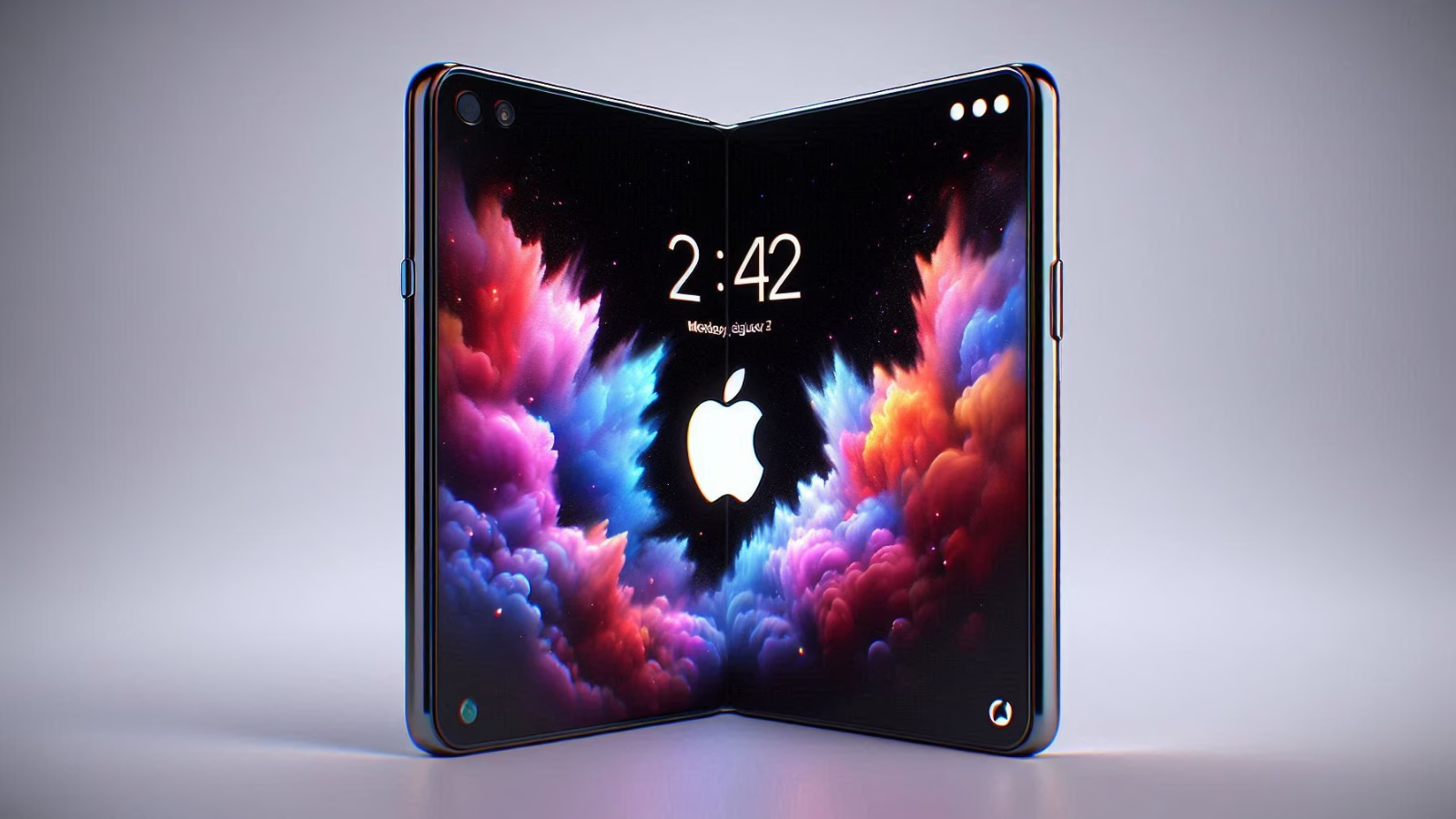
- Foldable iPhone could exceed $2,000: Bloomberg’s Mark Gurman reported it will “cross the $2,000 threshold,” with analyst Ming-Chi Kuo suggesting it could even exceed $2,500.
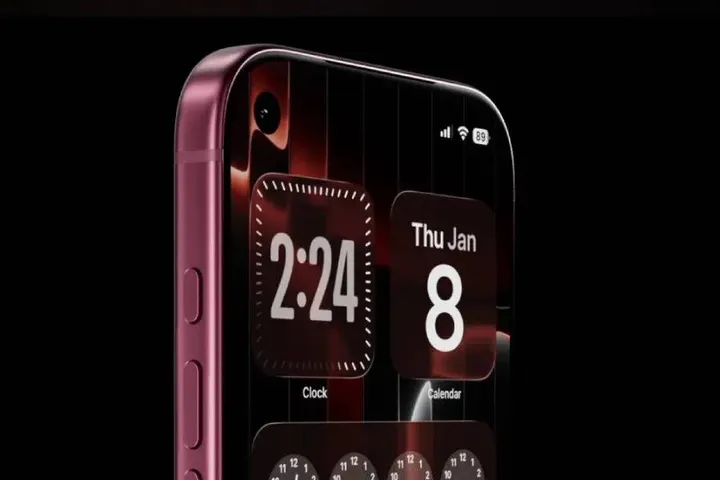
- iPhone 18 Pro estimates range from $1,220 to $1,399: Chinese leakers, TechInsights, and The Wall Street Journal all point to increases between $120 and $300 over the $1,099 iPhone 17 Pro.
- DRAM costs are the root cause: The 12GB of DRAM that cost Apple $39 in the iPhone 17 Pro could cost $145 in the iPhone 18 Pro — a 272% jump.
- Tim Cook confirmed price hikes are “unavoidable”: He described the memory shortage as a “hundred-year flood” driven by AI data center demand.
- One dissenting estimate: J.P. Morgan suggests the increase could be a more modest $50, with Apple offsetting costs by switching to its own modem.
What the Leakers Are Actually Saying
Why the Numbers Keep Climbing
The leaker estimates aren’t operating in a vacuum. TechInsights research found the cost of 12GB DRAM in the iPhone 17 Pro sits at around $39, with that figure potentially jumping to $145 for the iPhone 18 Pro — while flash storage rises from roughly $13 for 256GB to an estimated $51. That’s a 272% increase on DRAM and a 292% surge on NAND. TechInsights told The Wall Street Journal that Apple will need to make the iPhone 18 Pro about $270 more expensive just to maintain its current profit margins — pushing the starting price to roughly $1,369.
The root cause is AI data centers vacuuming up memory chips at an extraordinary rate, with manufacturers like Samsung, SK Hynix, and Micron prioritizing high-margin AI server chips over consumer-grade components. Apple has historically insulated itself through long-term supplier contracts, but the current shortage is severe enough that even Apple’s purchasing power isn’t fully shielding it.
Cook’s Own Words
Tim Cook described the memory shortage to The Wall Street Journal as a “hundred-year flood,” saying he’d “never seen anything like it in any area in over 40 years.” He said Apple has been trying to shield customers from the increases, but that approach “has become unsustainable.” Notably, Cook did not specify which products would see increases or by how much, though Apple has already raised prices on Mac mini and eliminated several higher-tier Mac Studio configurations.
A More Modest Counterpoint
Not every analyst agrees the hike will be dramatic. J.P. Morgan estimates the iPhone memory bill could rise from $65 in 2025 to $114 in 2026, suggesting the price increase might land closer to $50 rather than $200-300 — partly because Apple may cut costs elsewhere, including by switching to its own modem. The same analysis suggests non-memory component costs could actually fall, from $449 in 2025 to $426 in 2026. It’s a genuinely contested forecast, and the final number won’t be clear until September.


