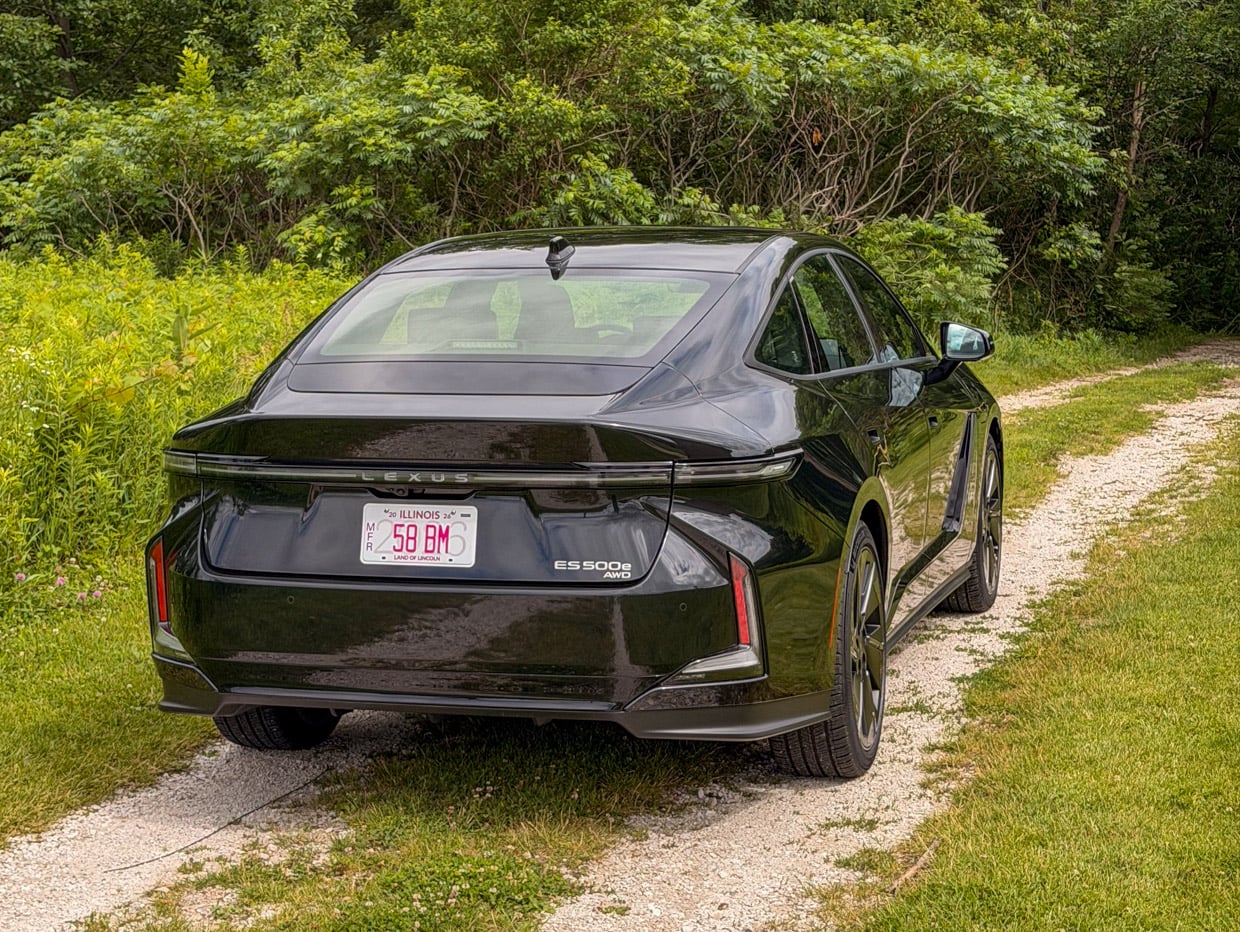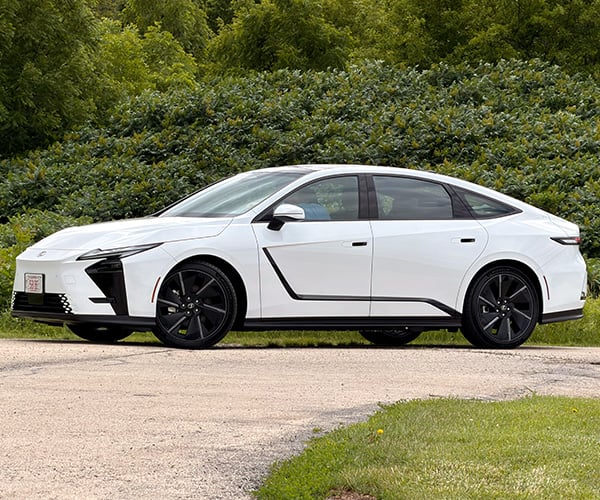
For 2026, the Lexus ES sedan enjoys its biggest redesign since its 1990 debut. Aiming for a younger audience, the car features a bold, modern design that’s a big departure from the outgoing model. It’s bigger inside and out, packed with new technology, and offered in hybrid and battery-electric versions. The Awesomer spent a day getting to know the latest ES.
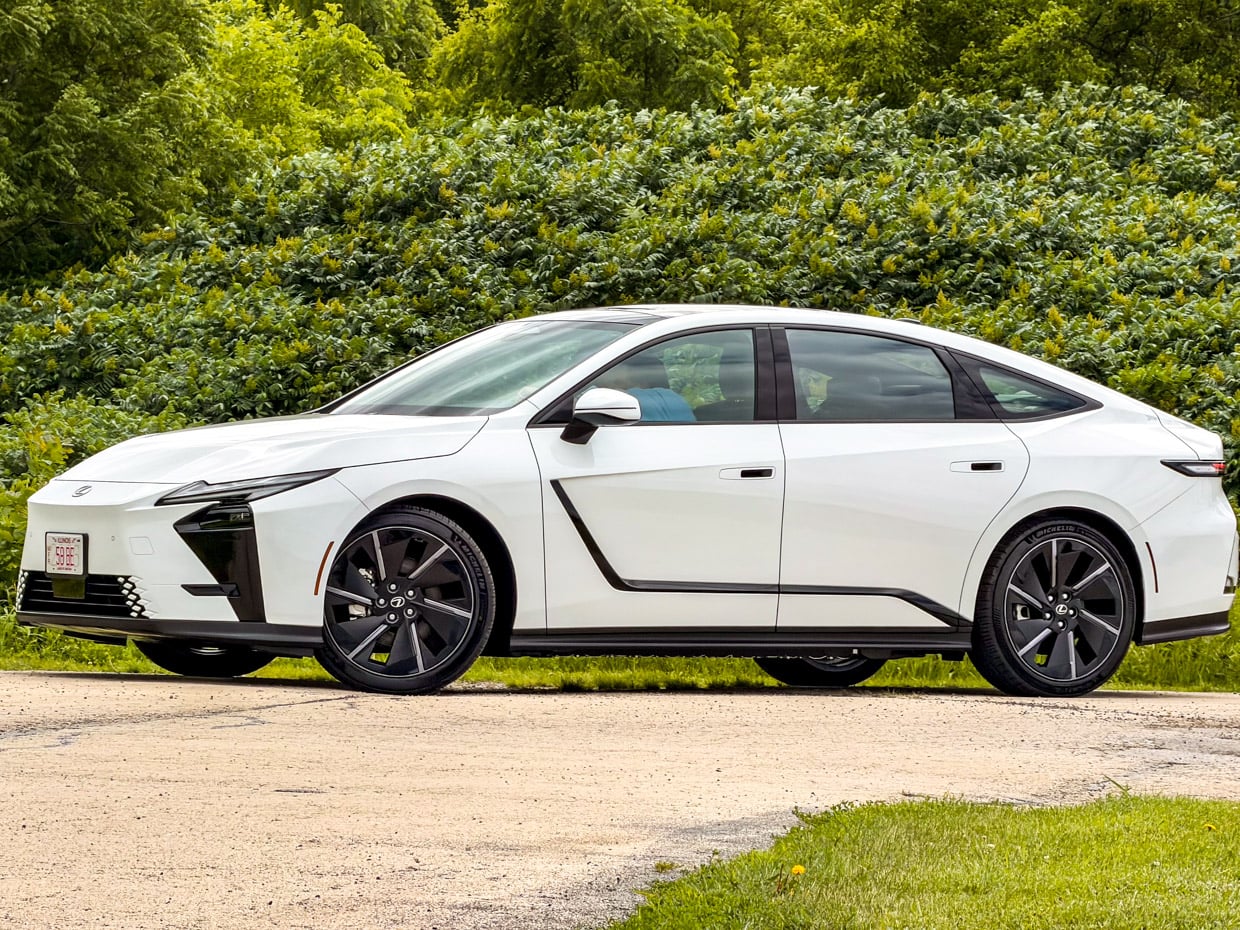
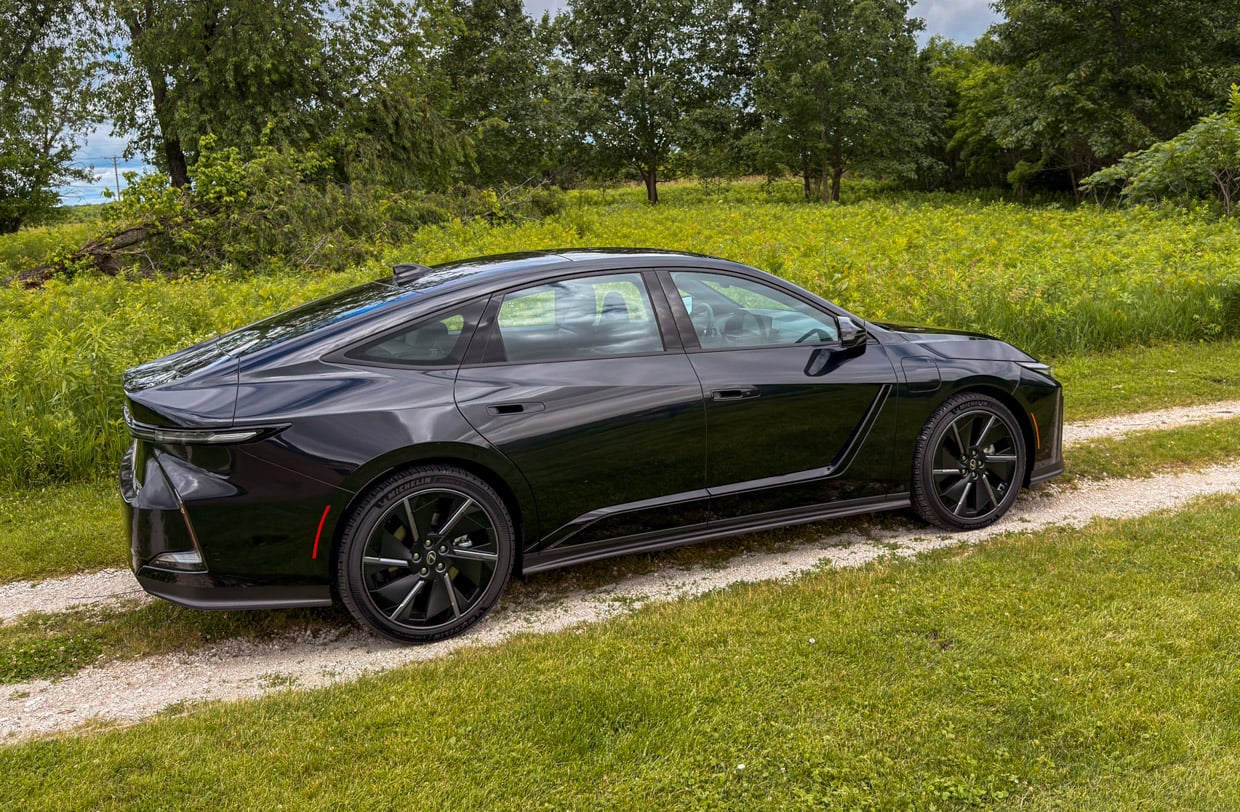
Measuring 6.5″ longer, 4.5″ taller, with a 3.1″ longer wheelbase, and riding on 19″ or 21″ alloy wheels, the new ES looks and feels more substantial on every front. The latest iteration of the Lexus spindle fascia has evolved to blend seamlessly between body and grille, flanked by sharp, angular daytime running lights with what Lexus calls their “Twin L” signature design. The new ES’s shape is more dynamic, with a smooth sportback roofline and sculpted body panels with angular shapes that evoke motion. The character lines are most dramatic on light body colors like white or grey. For a more stealthy look, the black-on-black ES looks great.
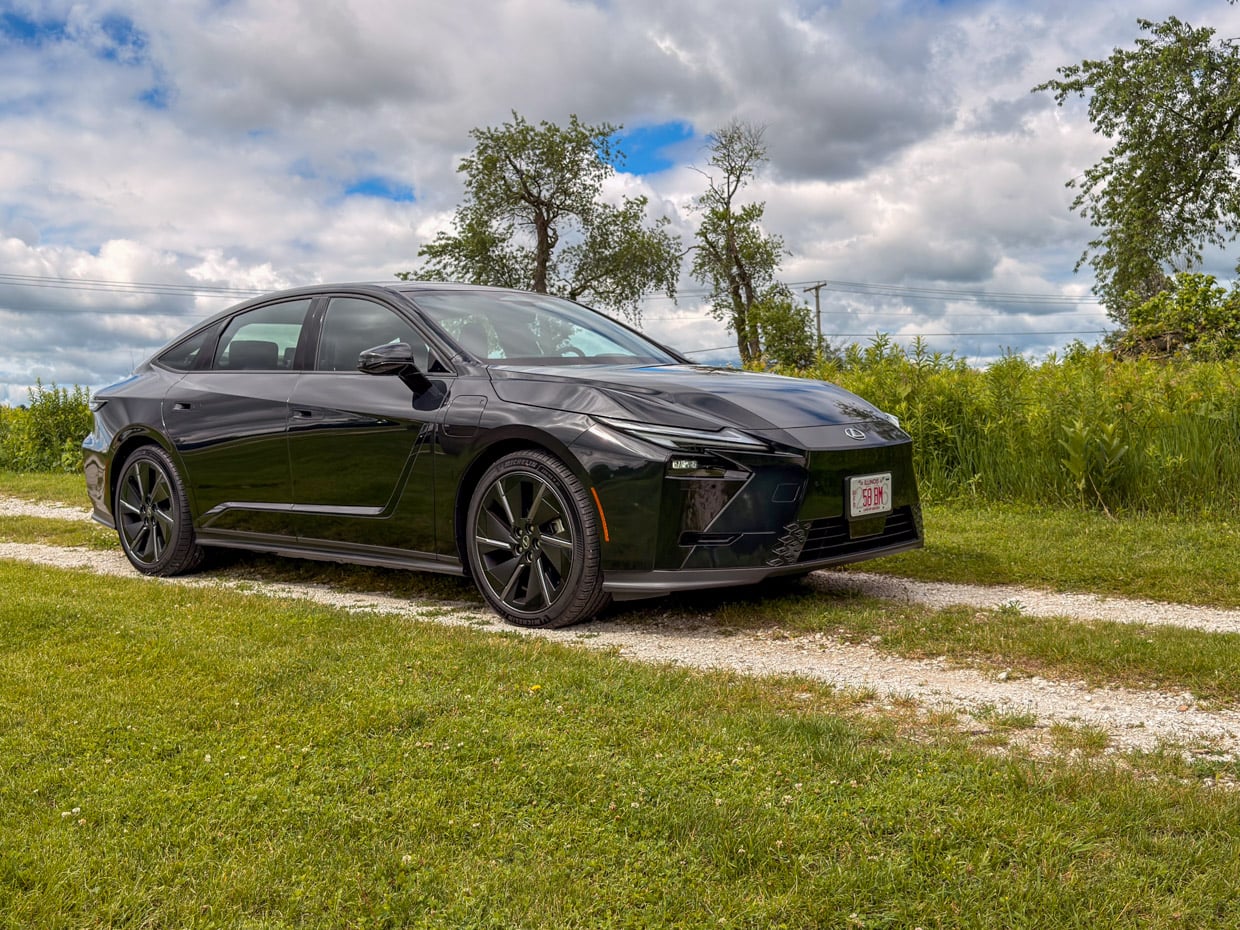
Lexus is offering the 2026 ES in three distinct models: the ES 350h hybrid, the ES 350e, and the ES 500e, the latter two being fully electric. The hybrid has a 2.5-liter, four-cylinder engine and motor package that produces 244 horsepower. It’s available in both front-wheel-drive and all-wheel-drive versions. The electric ES 350e is a front-wheel-drive model with 221 horsepower, while the ES 500e has dual motors for an all-wheel-drive setup and produces 338 horsepower. Electric driving range is rated at 307 miles for the ES 350e and 276 miles for the ES 500e. The EV models both have a 74.7-kWh battery pack that supports DC fast charging up to 150kW using an NACS connector. Lexus says the battery will go from 10% to 80% in 28 minutes on a DC fast charger, and about 7 hours on a Level 2 charger, like the kind you might install at home.
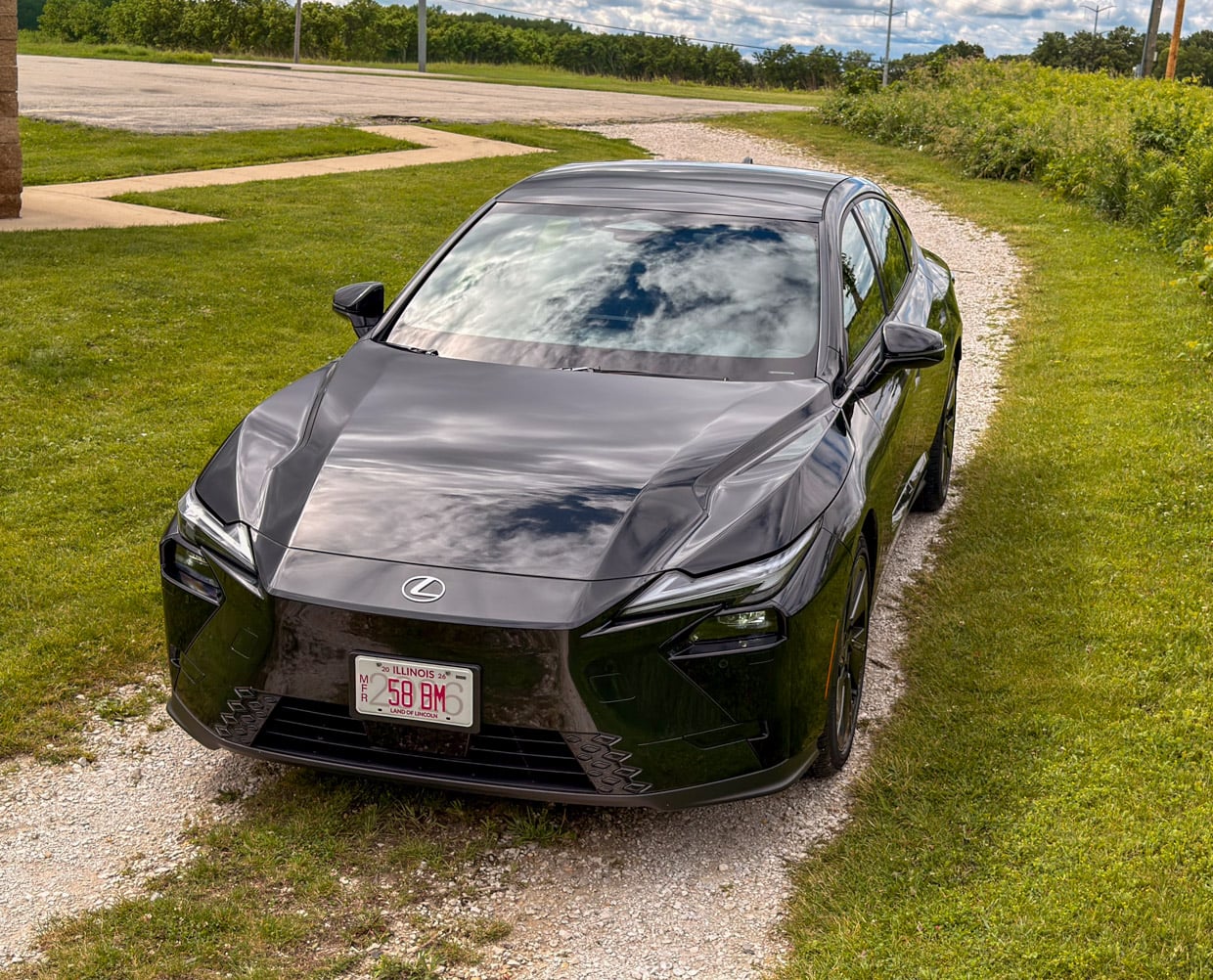
Both the hybrid and electric models are exceptionally smooth and quiet. Lexus has always done a great job with cabin insulation and suspension design for ride comfort, and the ES is no exception. Like other Lexus and Toyota vehicles, the hybrid drivetrain transitions seamlessly between gas power and electricity without stuttering. The electric models are even quieter, and the dual-motor model is delightfully quick, with a 0-to-60 time of just 5.1 seconds. The 350h does the same in 7.1 (AWD) to 7.3 seconds (FWD), while the 350e needs 7.4 seconds.
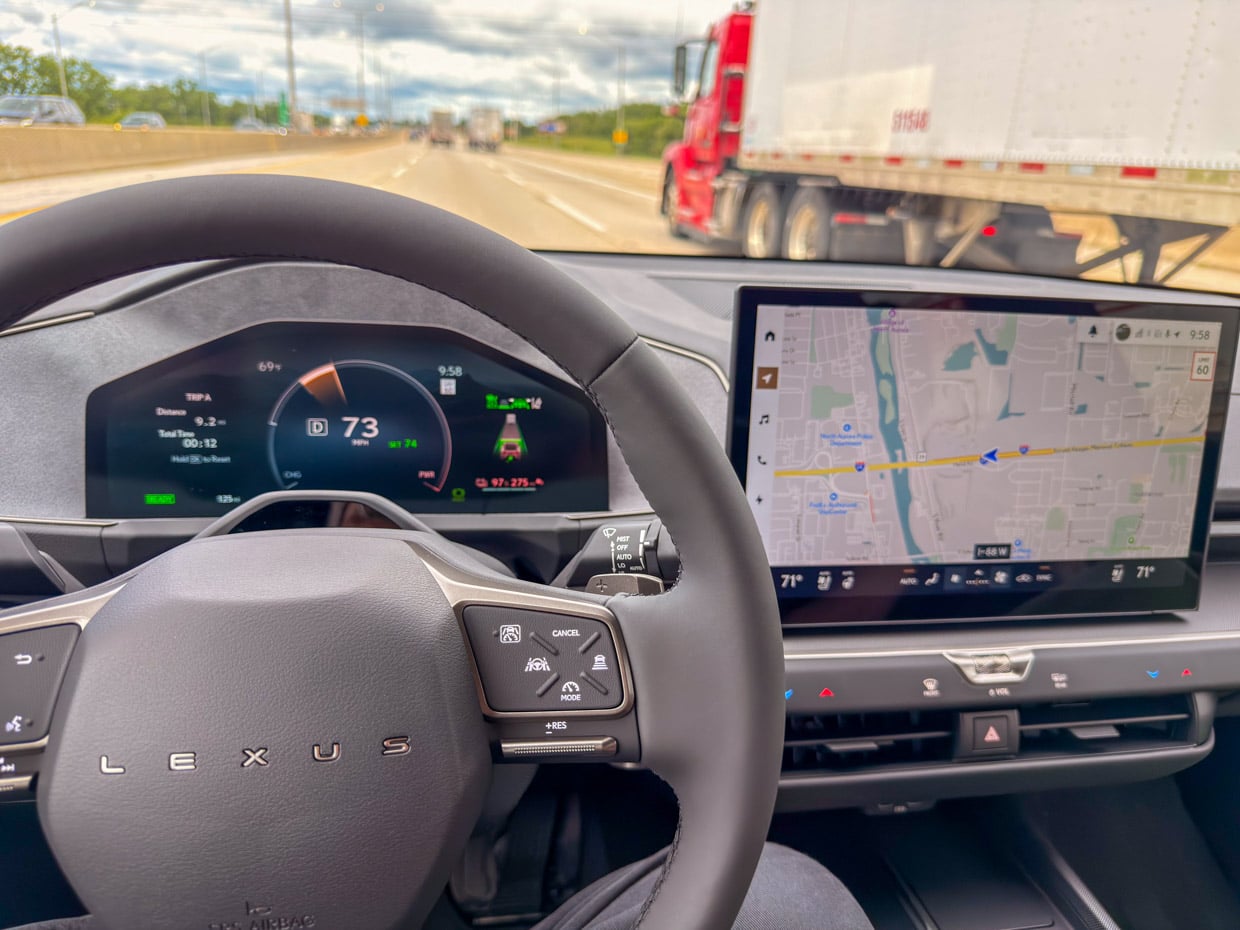
Ride quality is more cushioned than sporty, as is the overall handling quality of the ES. Lexus told us they intended for the new ES to feel like a “living room on wheels,” so that tracks. Steering weight is a bit light for our taste, though it does tighten up a bit in Sport mode. The suspension sops up bumps and potholes with aplomb, though the raised ride height means a less connected road feel than the prior model. That said, the hefty battery pack in the EV models lowers the center of gravity, improving ride dynamics.
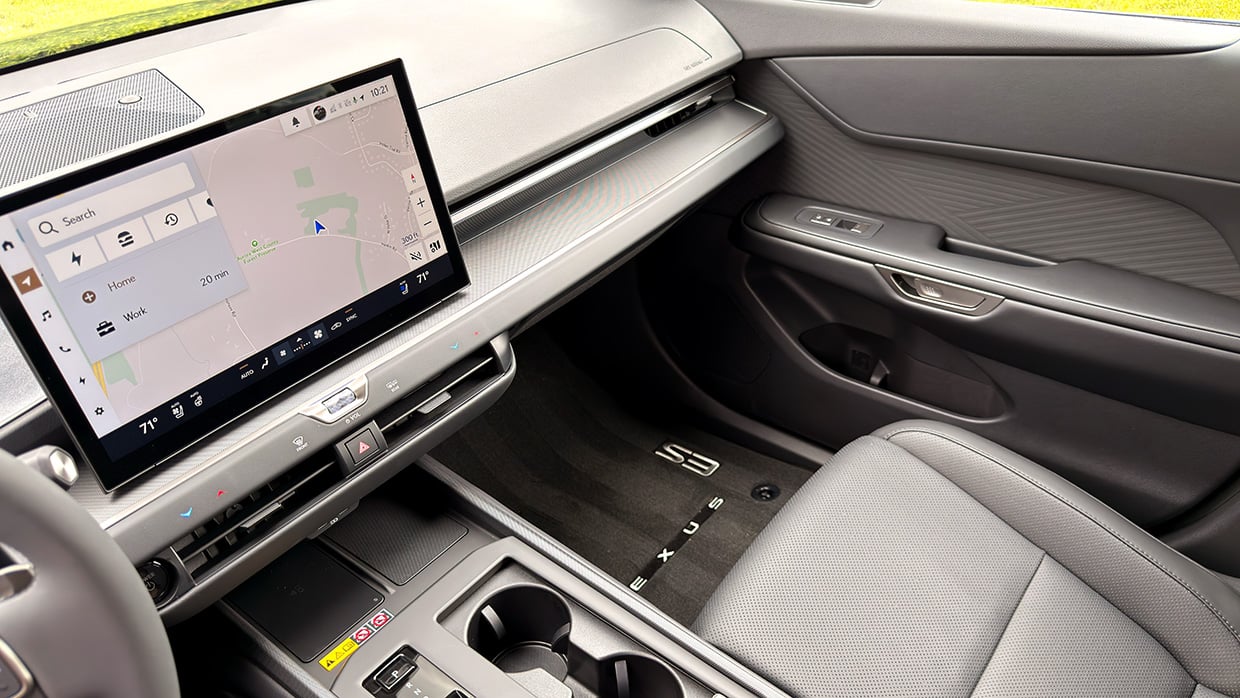
The interior is dramatically different from the prior ES as well, with a modern and minimal aesthetic that looks significantly more cohesive than the last-gen model. The digital instrument panel sits upright and away from the dash, and features an anti-glare coating and a soft, sueded backdrop that helps reduce reflections. Next to that is a large, 14-inch touchscreen that takes up the entire center of the dash. The center console is clean and efficient, with a tiny nub for a shift lever, one or two wireless phone chargers, and a floating design that allows for storage underneath. Other than a horizontal metal volume spinner, the dashboard is devoid of buttons and knobs. Climate controls are well executed, using tactile buttons hidden beneath a smooth exterior. They’re backlit and disappear into the dash when the car is turned off. We initially thought they were touch-based, but they have clicky feedback.
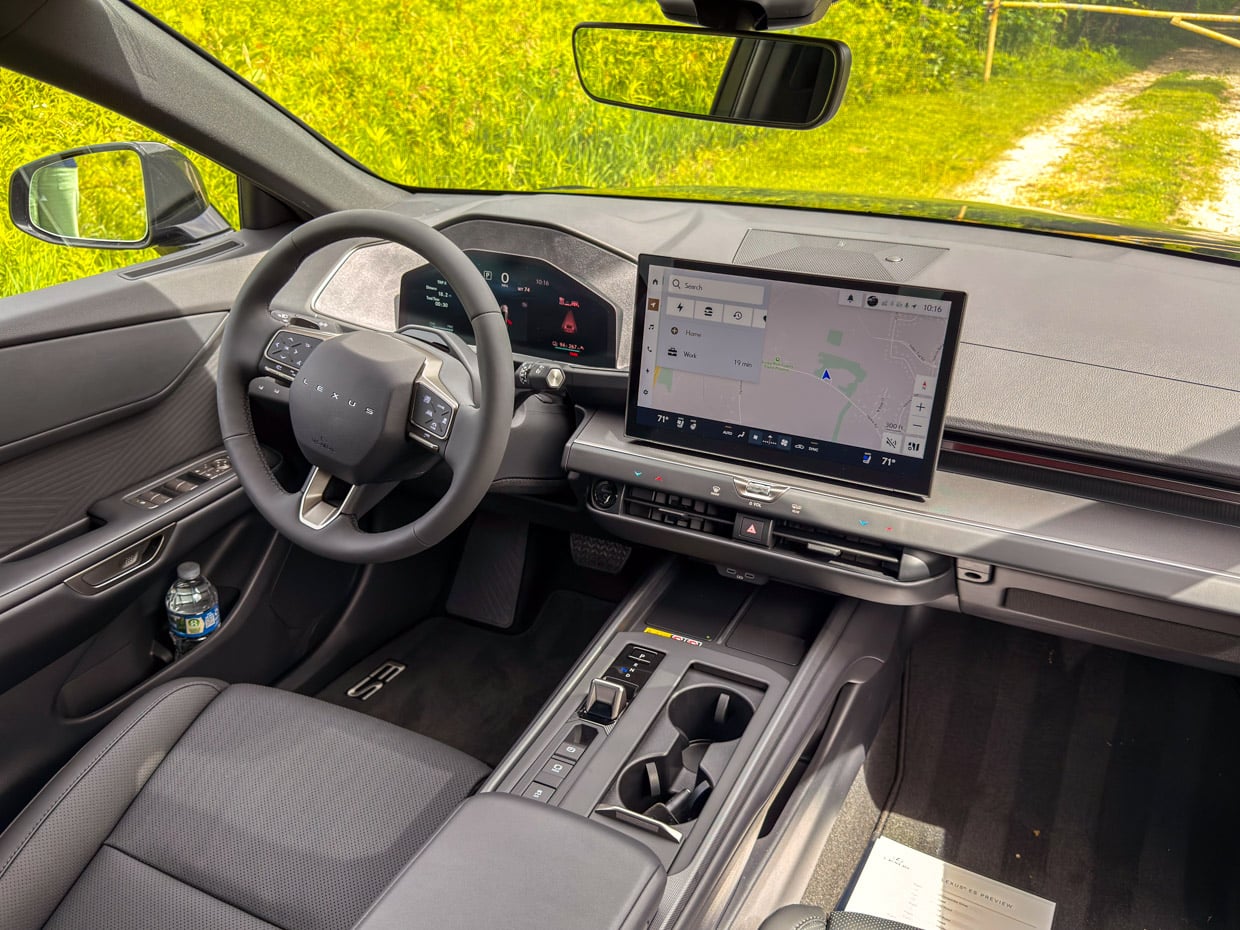
Depending on grade, the interior comes with either NuLuxe synthetic or high-end semi-aniline leather seats. There are soft-touch materials throughout the cabin, and the door panels are decorated with either a textured fabric or a bamboo-like trim with ambient backlighting on the Luxury grade. In terms of technology, the latest version of the Lexus Multimedia system is faster than ever to respond, and now offers widgets for customizing its home screen layout. There’s still wireless CarPlay and Android Auto support, along with the “Hey, Lexus” voice assistant. Base models get a 10-speaker Lexus sound system, while the Luxury trim upgrades to a 17-speaker Mark Levinson surround sound system. Lexus loads up every ES with their Lexus Safety System 4.0+, adaptive cruise control, lane centering, blind spot monitoring, and more. The powered electric door latches and Safe Exit Assist tech can automatically prevent opening your door if there’s a pedestrian, bike, or other vehicle coming alongside your parked car, too.
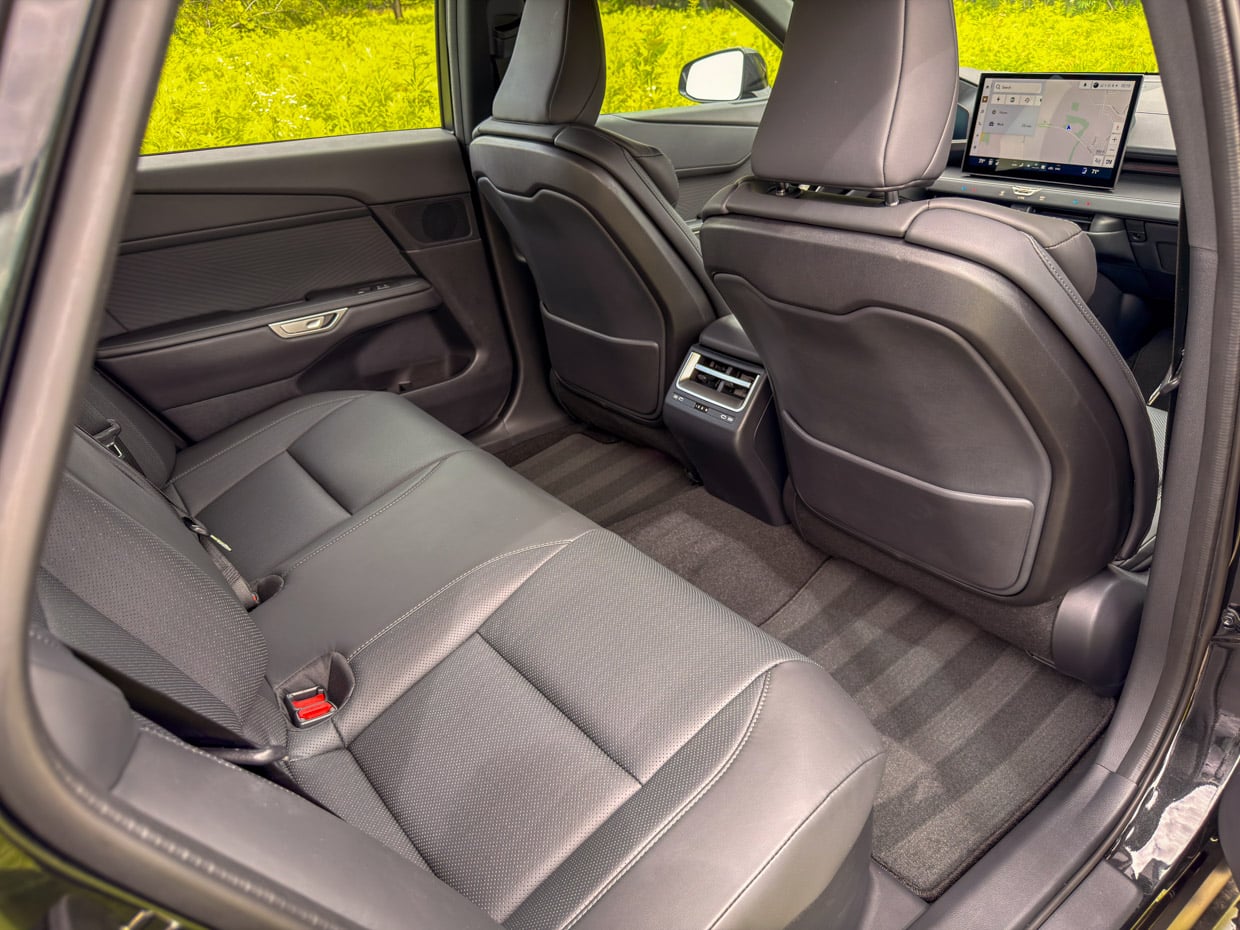
Thanks to its much-expanded cabin, rear seat legroom is exceptional in the ES. There’s more than enough room for tall adults to sit in the back seat. And if you plan to use your ES to drive for a ridesharing service, they offer a fancy Executive package that adds reclining back seats with massage, heat, ventilation, rear climate controls, and sunshades. This upgrade will only be available on the 350e Luxury trim.
With the average buyer for the last-generation Lexus ES approaching 70 years old, it was definitely time for the car to receive a top-to-bottom redesign. We think Lexus met that objective with the new ES, giving it a dramatic new look that separates it from other sedans, and options for both an energy-efficient hybrid and pure electric powertrains. The 500e is our favorite thanks to its higher horsepower and quicker acceleration, but the 350h will likely be the most popular model. While our time with the 2026 ES was limited, we found its quiet, comfortable, and refined demeanor to be appealing. Base prices for the ES 350e Premium start at $47,500, with the ES 350h Premium at $49,700, and the ES 500e Premium at $50,500 before destination charges. The top-of-the-line ES 500e Luxury runs $58,900.