Summary
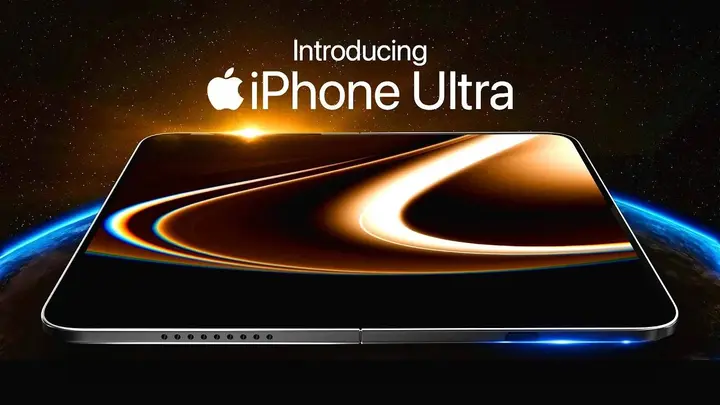
- Announced September 8 or 9, available later: John Ternus’s first keynote as Apple CEO is expected to reveal the iPhone Ultra — but pre-orders may not open until Q4.
- Only 500,000–1 million units in Q3: Apple’s suppliers will ship roughly 7–8 million foldable iPhones in 2026, compared to 20–22 million for the iPhone 18 Pro models combined.
- $2,299–$2,499 starting price: Kuo reaffirms the price range, with resale markups of 50–100% possible once pre-orders open.
- Delivery lead times of 4–6 weeks or longer: Kuo believes the device “could sell out immediately after pre-orders open, with delivery lead times quickly stretching to 4-6 weeks or longer.”
- Supply constraints likely through December: True demand picture won’t emerge until Q1 2027.
The Numbers Behind the Shortage
Assembly shipments for the foldable iPhone in 2H26 will be roughly 7–8 million units, with 3Q26 shipments at 0.5–1 million units, or about 10% of the total. That 10% figure is the one that matters. It means when Apple announces the iPhone Ultra on stage, fewer than a million units exist to ship. Even a fraction of Apple’s 1.4 billion active device users wanting one simultaneously overwhelms that supply instantly.
Only a million units are expected to be produced in Q3. For comparison, Apple shipped around 30 million iPhone X units during the second half of 2017. The iPhone Ultra’s 7–8 million total for all of H2 2026 is less than a quarter of that.
Why Manufacturing Is So Hard Here
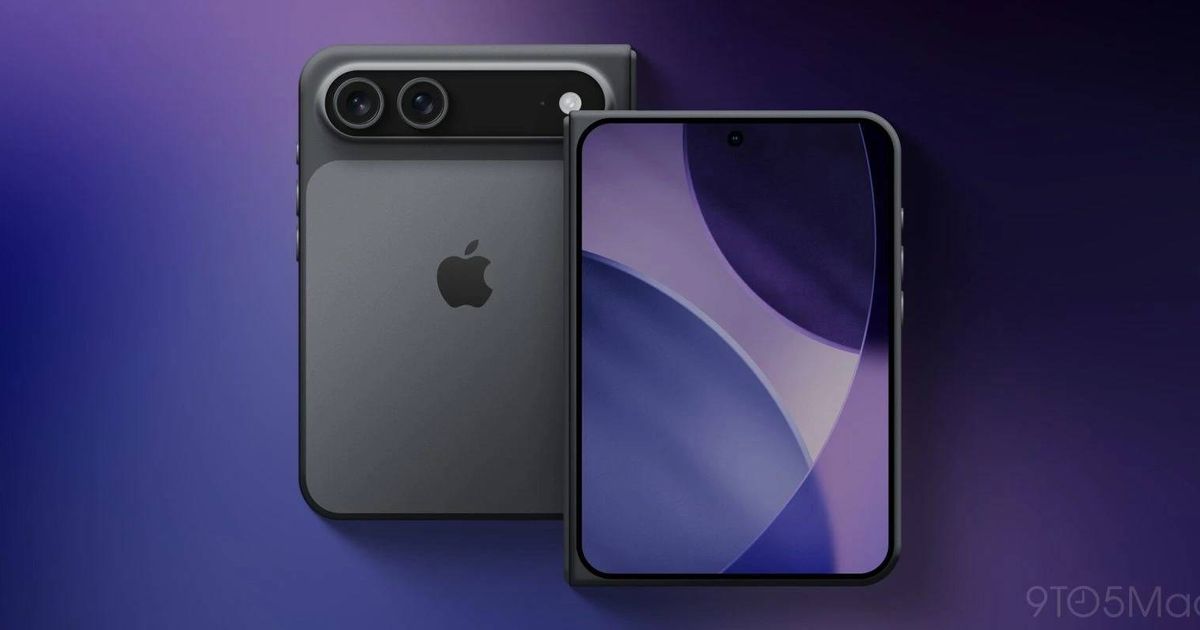
The supply constraint follows earlier reports that Apple has encountered engineering challenges with the device’s complex hinge and display design, including development of a dual-layer glass structure intended to minimize the display crease. Folding displays require precise tolerances that don’t exist in standard iPhone production lines. Every hinge, every layer of folding glass, and every crease-mitigation layer adds failure points that slow yield rates.
What Buyers Should Actually Expect
Kuo estimates that the launch buzz and supply constraints should have faded by the first quarter of 2027, and by then we’ll have a much better picture of what foldable iPhone demand looks like. For anyone not in a rush, waiting for Q1 2027 is probably the smarter move.


