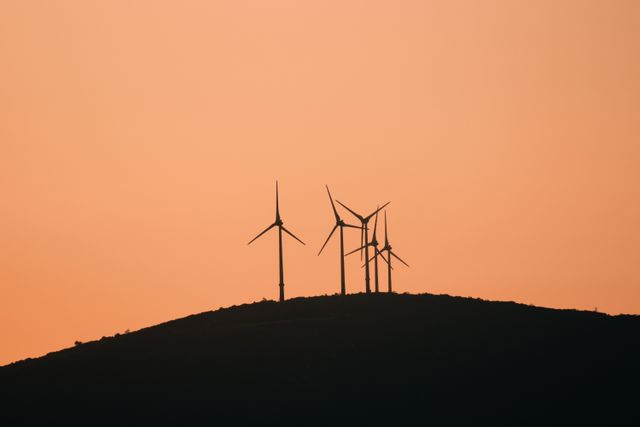
For years, clean energy talk has focused on making more power from wind and solar. That work matters. We still need more clean power, better batteries, and stronger power lines. These steps help us use less coal, oil, and gas. But clean energy is not only about supply. It is also about demand.
Demand means how much power we use and when we use it. This timing can change the real impact of our energy use.
That is where demand flexibility comes in. It means shifting power use to better times of the day. A factory may run some tasks at noon. A building may cool rooms before the evening peak. A data center may move some work to a time when clean power is high.
This does not always mean using less power. It means using power in a smarter way.
As more cars, homes, tools, and data centers use electricity, demand will keep rising. So we need more than new wind and solar farms. We also need to use the power we already have with more care.
The cleanest megawatt is often the one the grid does not need to make at a bad time.
Energy Use Is Not the Whole Story
Many green plans still look only at total power use for the year. That is helpful, but it misses a key point. Power is not equally clean all day.
At some times, the grid has a lot of wind or solar power. At those times, using electricity can have a lower carbon cost. At other times, demand is high. This often happens in the evening. The grid may then need gas plants or peak power plants. These plants can cost more and release more carbon.
So one unit of power at noon may be cleaner than the same unit at night. This is why timing now matters.
A business can cut its carbon impact by changing when it uses power. It may not need to cut work, slow output, or lose comfort. It may only need to move some tasks to cleaner hours. This is a big shift. The old question was, “How can we use less power?”
The new question is, “How can we use power at the right time?”
Demand flexibility gives us one clear answer. It helps the grid stay stable. It helps clean energy go further. It can also help cut waste and lower stress during peak hours. In simple terms, clean power is not just about making more. It is also about using power at the best time.
Why Peak Demand Matters
The power grid must stay in balance all the time. It must make enough power for every home, school, and business. But it should not make far more than people need.
Peak demand happens when many people use power at once. This often takes place on very hot or cold days. It can also happen in the evening, when homes and offices need more power.
At these times, grid teams may turn on extra power plants. These plants may run only a few hours each year. They help keep the lights on, but they can cost more. In many places, they also release more carbon than cleaner power sources.
That is why peak demand matters.
When we lower peak demand, the whole grid gains. It can cut carbon. It can reduce stress on power lines. It can delay the need for new plants and wires. It can also help wind and solar power do more of the work.
As clean power grows, peak demand will matter even more. If we use less power during tight hours, the grid needs fewer backup plants. More clean power can then meet daily demand.
Technology Makes Flexible Demand Easier
In the past, cutting power use at peak times was hard. A manager might ask staff to turn off lights. A plant might stop work for a short time. A building might raise the air set point and make rooms less cool.
Today, this can be done in a smarter way. Smart controls can shift some power use on their own. Batteries can store power and use it later. Software can study weather, price, and grid signals. It can then move some tasks to better hours.
This can work for many systems. Examples include cooling, heat, cold storage, EV charging, air systems, water pumps, and some plant tasks.
The goal is simple. Move the right loads at the right time.
A business does not need to ask staff to act each time. The system can respond in the background. Comfort can stay the same. Work can still get done. The grid still gets relief when it needs it most.
A Simple Example with Real Benefits
Think about a large college campus. It has class buildings, dorms, labs, gyms, and dining halls. It wants to cut carbon. It also wants to lower power costs.
First, the campus changes old lights to LED lights. It adds better wall and roof insulation. It also fixes old heating and cooling units. These steps help.
But the campus can still do more. So it adds a smart building plan. The system controls chilled water, room cooling, EV chargers, and fresh air systems. It checks the weather. It looks at class times. It studies power use through the day.
When the grid is under stress, the system shifts some loads. It may cool water earlier. It may slow EV charging for a short time. It may change airflow in rooms that are not full.
Students and staff may not notice the change.
The campus may use almost the same power over the year. But it uses less power during peak hours. More of its power use can happen when wind or solar power is high.
The result is useful. The campus can lower costs. It can cut carbon impact. It can also help the grid stay steady. This example is made up. But the idea is real. Schools, hospitals, towns, and factories are starting to use this kind of smart demand plan.
Clean Power Needs Power Use That Can Move
Wind and sun can now make a lot of our power. But they do not work on our clock. They depend on the weather.
This creates a big grid problem. At times, there is more clean power than people need. At other times, clean power drops. This often happens at night or when the wind slows.
Then grid teams must act fast. They use other power sources to keep the grid safe. This is where demand flexibility helps. It means we move some power use to a better time.
Instead of making power chase us, we can move some work closer to clean power. A large building can cool rooms earlier in the day. A plant can run some tasks when clean power is high. EV chargers can slow down at peak times and charge later.
These small shifts help clean power go further. They also lower stress on the grid.
Firms Can Help the Grid
For many years, firms only bought power.Now, that role is changing. Offices, plants, schools, hospitals, and data centers can help the grid. They can move some power use without hurting daily work.
Smart controls can change heat, cooling, and lights. Batteries can save power for later. EV chargers can charge cars at better times. Some plant tasks can also move to cleaner hours.
This does not mean work must stop. It means power use can be planned with care. When many firms do this, the grid wins. It may need fewer peak plants. It can use more wind and sun. It may also delay new wires and new power plants.
So firms are not just power users now. They can help build a cleaner and stronger grid.
Green Work Is Getting Smarter
Good green work is not only about buying new tools. It is also about using power at the right time. A firm can cut waste when it knows how the grid works. It can check weather, power prices, and daily demand. Then smart tools can move some loads to the best time.
This can cut costs. It can support clean power. It can also make daily work more steady. Smart power use is now part of real green work.
Building Long-Term Grid Strength
Moving power use does more than lower bills. It helps the whole grid get ready for the future. More people will use power in the years ahead. More cars, homes, tools, and data centers will run on power. Heat waves and storms can also make the grid harder to manage.
Moving power use can help with these risks. When firms manage power use well, the grid can stay more stable. It can use more clean power without the same need for backup plants.
Many groups start with an energy services company. These firms study power use. They find loads that can move. They help plan better energy habits.
This can help a firm meet green goals. It can also give the firm an edge as power markets change.
Looking Ahead
The clean power shift still needs more wind, sun, batteries, power lines, and new tools. But we also need to use power in a smarter way.
Demand flexibility can do three things at once. It can cut carbon. It can make the grid stronger. It can lower costs. That makes it a very useful clean power tool. The cleanest megawatt may not always come from a new wind or solar farm. Sometimes, it is the power we did not need to make because we used energy at the right time.


