
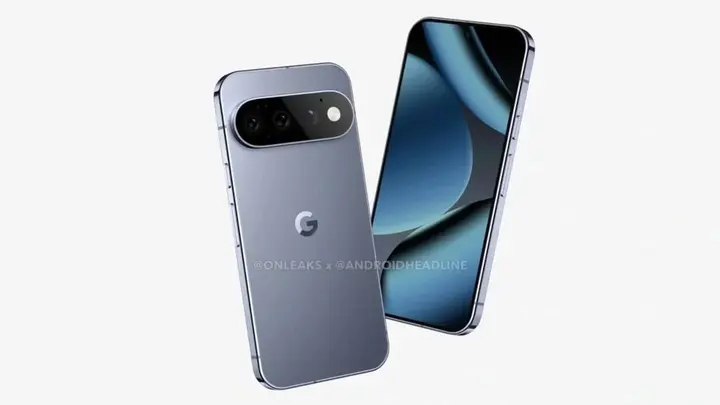
Pixel 11 Pro render. | Image by Android Headlines
Summary
- 128GB is gone: Google is dropping the cheapest storage tier entirely. All Pixel 11 models start at 256GB — which mechanically raises the entry price on the base Pixel 11 and Pixel 11 Pro.
- Pixel 11 and Pro at 256GB match last year’s 256GB prices: The price per storage tier is flat. You’re just paying more because 128GB no longer exists.
- Pixel 11 Pro XL and Pro Fold get a real €100 hike: Every storage configuration on both models is going up, with no storage doubling to soften it.
- US prices haven’t leaked yet: European figures don’t convert directly. Expect $50–$100 increases, but wait for the August 12 announcement.
- Tensor G6 is the main chip upgrade: TSMC 2nm, designed to fix Pixel’s long-standing thermal and modem efficiency issues.
The Two Types of Price Increase
There’s an important distinction here that most coverage is glossing over. Google is following exactly what Samsung did with the Galaxy S26 earlier this year — killing the 128GB base tier and calling 256GB the new entry point. When you compare the Pixel 11 at 256GB to the Pixel 10 at 256GB, the price is essentially flat. When you compare the Pixel 11’s cheapest model to the Pixel 10’s cheapest model, it looks like a €100 jump. It’s the same move — legitimate extra storage, presented as a price increase.
The Pixel 11 Pro XL and Pro Fold are a different case. Those are genuine across-the-board hikes at every storage tier. No 128GB removal trick, no storage doubling to justify it — just higher prices. That’s where the memory shortage pressure is most visible.
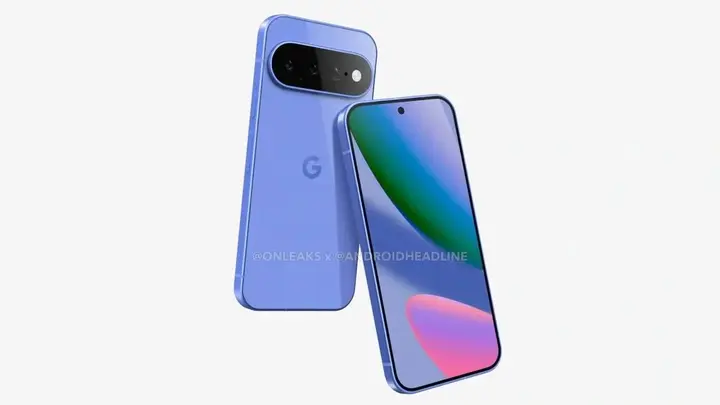
Render of the Pixel 11. | Image by Android Headlines
US Buyers: Don’t Convert Euros
Why Prices Are Rising
The same driver everywhere: AI data centers consuming LPDDR5X and NAND flash at unprecedented rates, leaving less supply for consumer devices. Google held prices flat from Pixel 9 to Pixel 10, which was notable even then. That restraint has run its course. The Tensor G6 chip on TSMC’s 2nm process is the headline hardware upgrade — expected to finally address the thermal throttling and modem battery drain issues that have followed Pixel flagships for three generations. Whether that chip improvement justifies the price increase is the central question August 12 will need to answer.
The Smarter Alternative Right Now
If the new pricing feels steep, the Pixel 10 series is about to become a significantly better deal. Once the Pixel 11 launches, the Pixel 10 Pro and Pro XL will see further discounts — they’re already being reduced at retail. For buyers who don’t need the Tensor G6’s efficiency gains, waiting three weeks and buying a Pixel 10 Pro at a post-Pixel-11-launch discount may be the most rational move.


