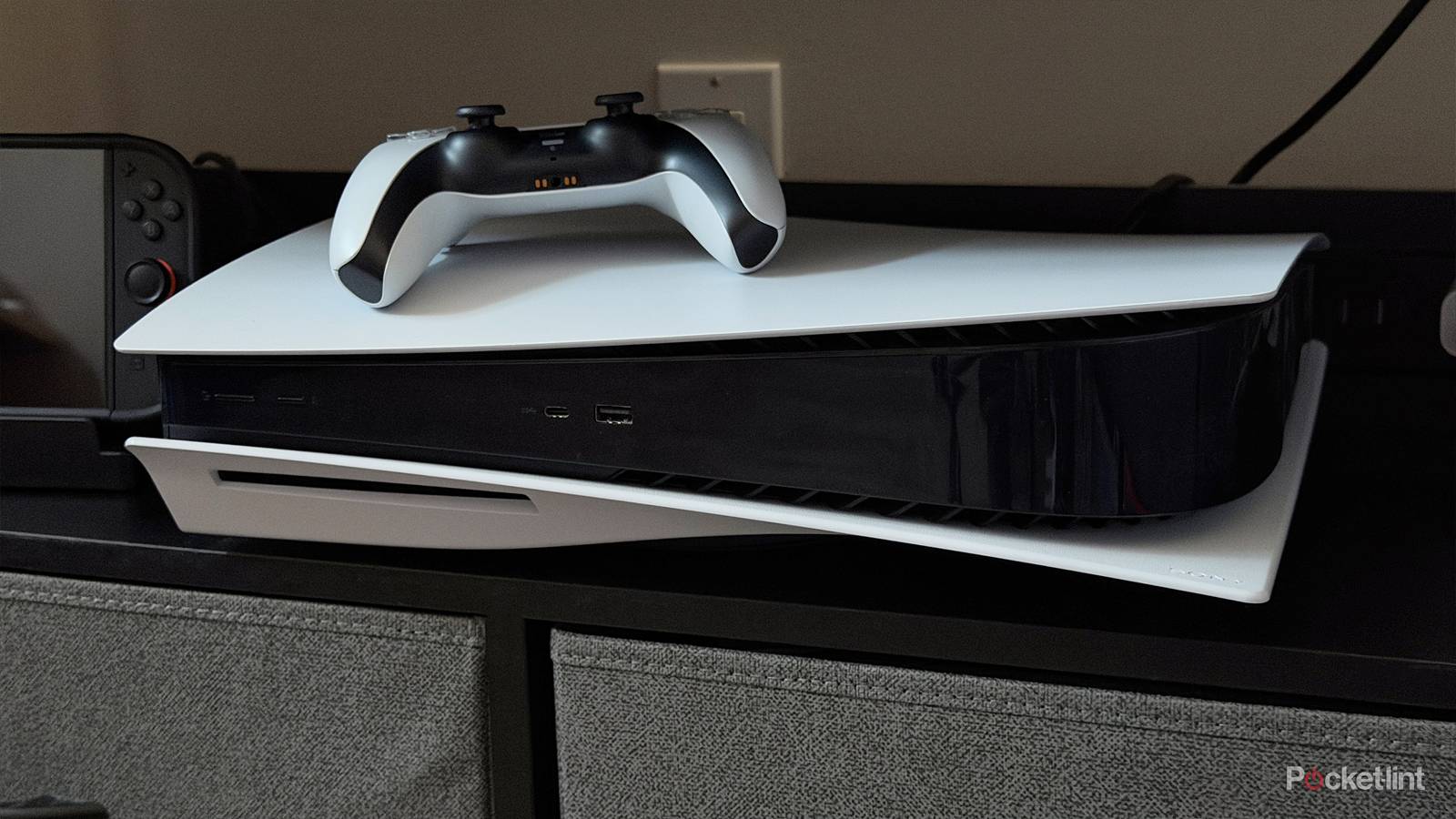
Some sections of the gaming community are prone to overreacting, taking their hobby deadly seriously. One thing that may actually warrant such a response, though, is Sony’s news that it will phase out PlayStation game discs in January 2028. Downloads are more convenient, sure — but a lot of people prefer permanent ownership, and frequently, discs are the only way for console gamers to make their hobby affordable. You can’t trade or resell something you bought from the PlayStation Store.
There are even greater ramifications. A major appeal of the PlayStation 5 is that it incorporates a Blu-ray drive, as good for your copy of Twin Peaks as it is Elden Ring. If Sony plans to halt game discs, that means it’s likely to drop a disc drive from the PlayStation 6, marking yet another shrinking of the Blu-ray world.
The good news is that Blu-ray fans will survive the blow, at least if they’re committed to owning a separate player. Here’s what you need to know about the new landscape.
Who’s still committed to Blu-ray players in 2026?
The shifting sands

For one, Sony. It still sells two dedicated Blu-ray players, and the standard edition of the PS5 continues to have a disc slot. There’s no built-in support on the PS5 Digital Edition or the PS5 Pro, but you can buy an optional add-on drive. Another console route involves the Xbox Series X, which Microsoft is selling in two Blu-ray editions, equipped with either 1 or 2TB of internal storage.
Those consoles start at $650, however, and the writing may be on the wall. There’s no guarantee that Sony and Microsoft won’t pull the plug on all their console-based disc drives, regardless of whether they’ve shipped their next-generation systems. Tariffs and the AI-driven memory crisis have forced major price hikes. As a result, both companies are looking to cut costs wherever they can, in a bid to keep shelf prices from soaring out of the stratosphere.
Things are looking tough elsewhere too. Pioneer and even LG have announced that they’re withdrawing from the disc drive market, despite a recent surge in the popularity of physical media. It’s likely a matter of supply exceeding demand. With millions of PlayStations, Xboxes, and standalone peripherals already in customers’ hands, and streaming reigning supreme, there’s no room for the competition that existed a decade ago.
Sony, Panasonic, and generic Chinese brands on Amazon are probably your best bets for an affordable living room player. There are boutique companies that produce them, such as Magnetar, but those are aimed at luxury buyers who don’t bat an eye at dropping $1,000.
There have been some positive developments. In July 2026, Japan’s Buffalo — which produces computer drives, rather than living room players — said it’s reversing course on plans to exit Blu-ray, having secured a new source of components to continue production. Those drives should cost between 33 and 51% more, and inventory could suddenly dry up. Still, if you’re willing to connect a laptop or mini PC to your TV, it’s a sign that that avenue will be viable for a little while longer.
It’s hard to judge the long-term prospects of the industry. The expected disappearance of compatible Sony and Microsoft consoles could mark the beginning of the end, since the format has long been propped up by the console install base. Also, Blu-ray has fundamental limitations that go beyond convenience — discs are already bursting at the seams to hold 4K HDR and lossless audio, never mind 8K, or the fully immersive video possible with mixed reality glasses. The only real hope is that the renewed interest in physical media is strong enough to convince newcomers it’s worth spending hundreds of dollars, even when the devices they’re buying can’t play games.


