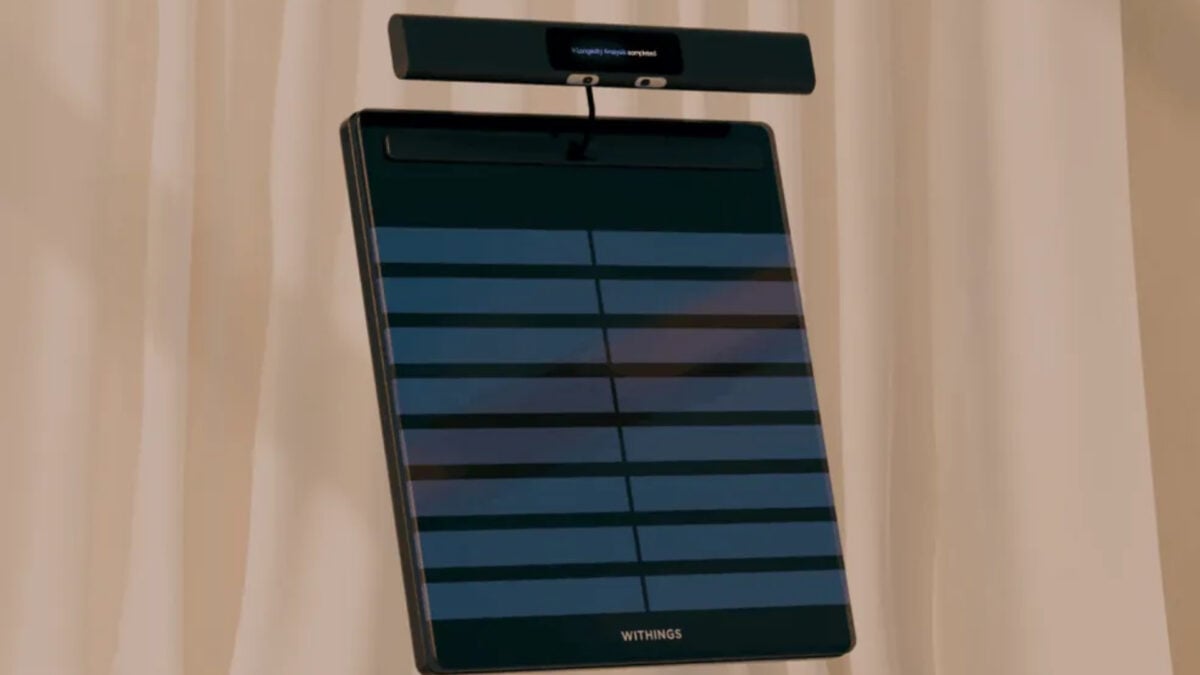
Health tech company Withings has released the BodyScan 2, a smart scale with an HD color display that “provides a comprehensive assessment of cardiovascular and metabolic health.” The device is available today for a whopping $600.
Like many smart scales, the BodyScan 2 measures a lot more than your health. Using electrical impulses sent through electrodes in both its glass plate and a retractable handle, Withings claims that it “directly measures” things like cellular health and age. It can also measure your visceral fat—that is, the kind bunched around your organs that’s considered more dangerous for your long-term health than the more obviously jiggly stuff just under your skin. Withings says the BodyScan 2’s rechargeable battery can last for up to 15 months on a charge.
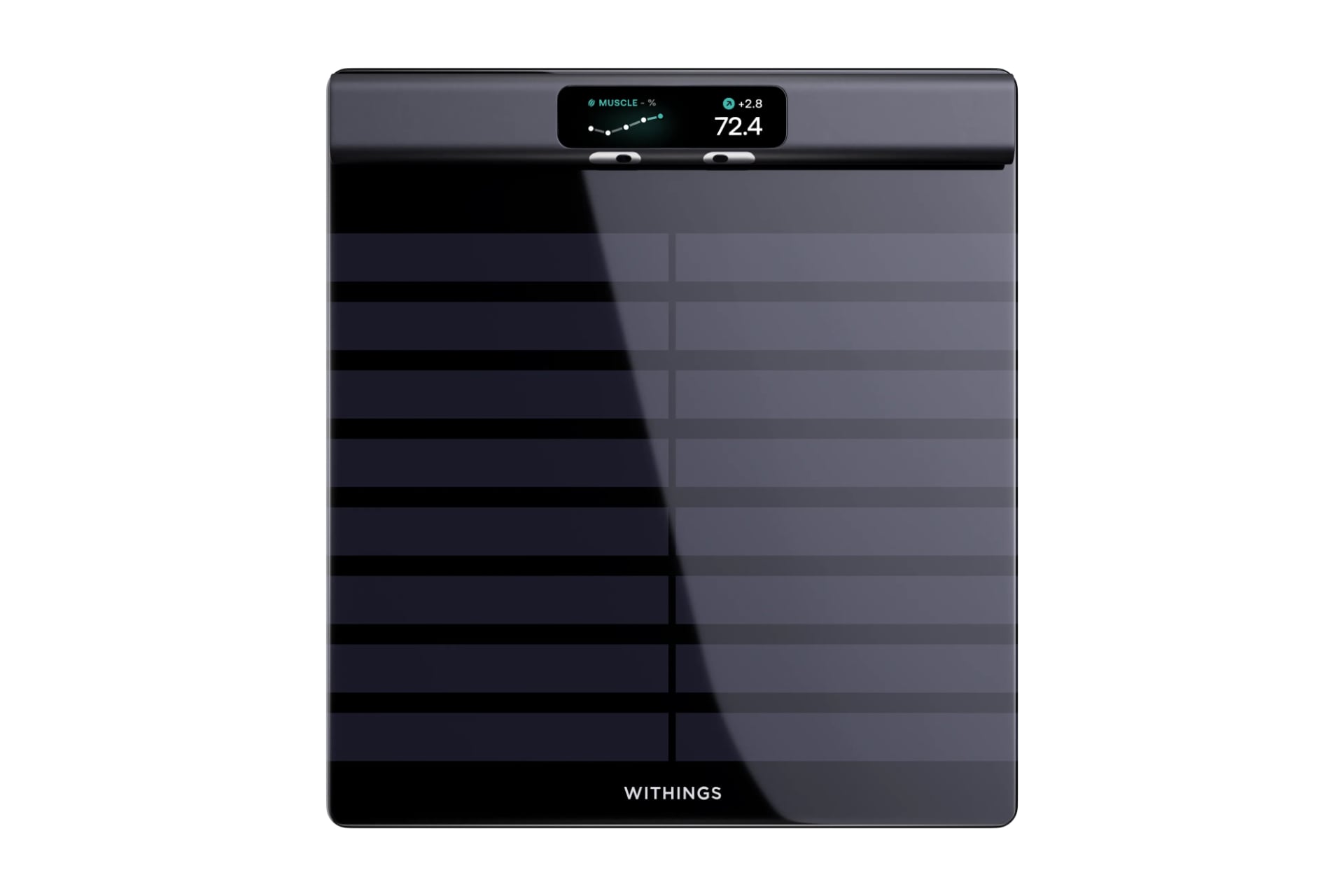
The retractable handle is an important part of this, as the electrical impulses that body composition scales send through you only measure the part of your nervous system they traverse. If they go only through your feet, they might only travel up one leg and down the other, limiting their effectiveness.
One thing the BodyScan 2 does is zap the sweat glands in your feet to measure your nerve response. While discussing the feature with The Verge in January, Antoine Joussain, Withings’ Director of Product Management, Devices, noted that diabetes can cause complications in feet.
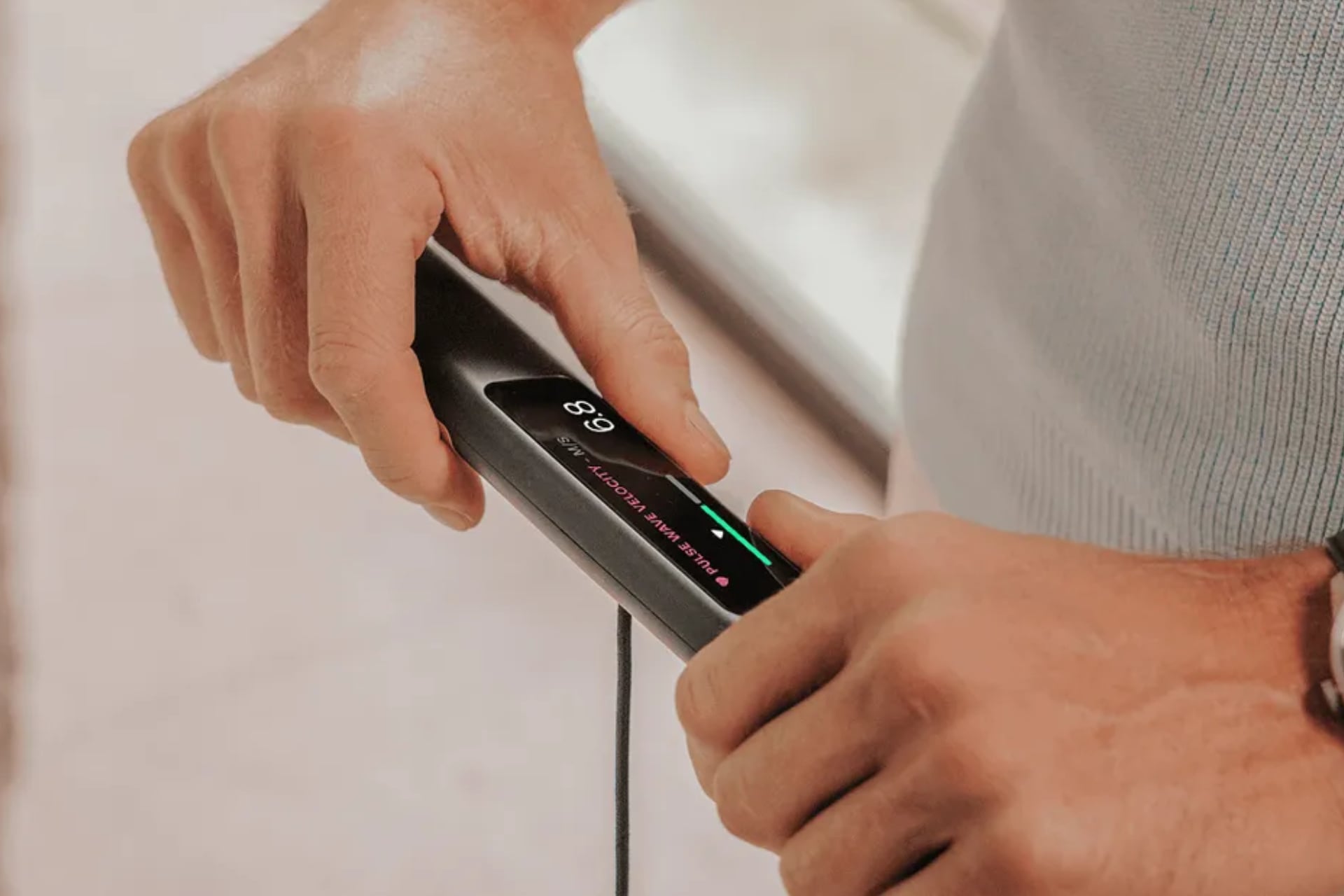
The BodyScan 2 offers two different scanning types. One, a 30-second “Daily Scan,” measures things like your weight, how that breaks down by water, fat, and muscle, heart rate, and “Vascular Age via Pulse Wave Velocity,” or the speed at which the pressure of each heartbeat propagates through your vascular system. Withings calls the other its “Longevity Scan.” That one takes 90 seconds and can tell you your blood oxygen, estimate your “Heart Age,” and offers a “Nerve Response Score.” The company says this leads to “a comprehensive “Longevity Analysis,” available directly in the Withings app.”
Unsurprisingly, there’s small print at the bottom of the BodyScan 2’s product page to keep in mind: “Device effectiveness and safety have not been reviewed by the FDA, and any claims concerning performance, features, and/or clinical significance have not been evaluated by the FDA and should not be considered as statements of fact.” That said, the ECG and AFib detection software used by the scale are FDA-cleared, meaning they’ve been “shown to be substantially equivalent to devices that are already legally marketed for the same use.”


