
Summary
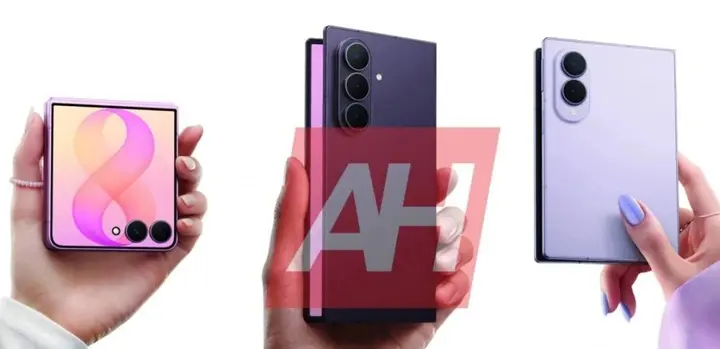
- Samsung has set a production target of approximately 2.8 million Galaxy Z Fold8 Wide units, versus 2 million for the Fold8 Ultra and 1.5 million for the Flip8, per ETNews citing industry sources.
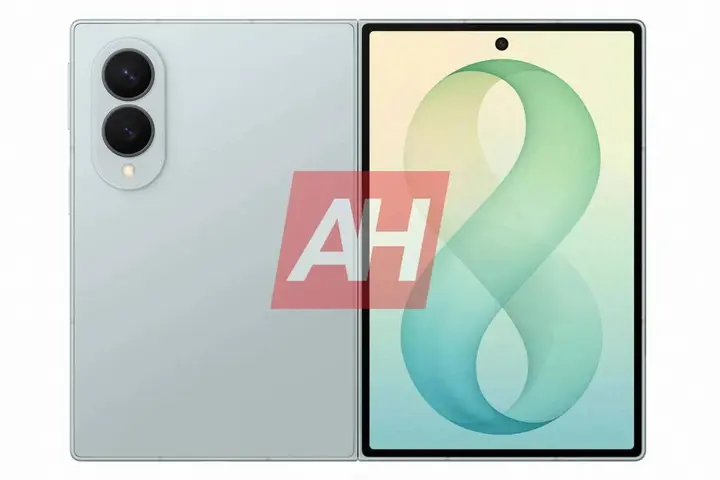
- The Galaxy Z Fold8 Wide uses a 4:3 wide-screen aspect ratio — Samsung’s first wide-format book-style foldable, launching July 22 at Unpacked in London.
- Rumored specs include a 7.6-inch inner display, 5.5-inch cover screen, Snapdragon 8 Elite Gen 5 for Galaxy (confirmed), 4,800mAh battery, and a dual rear camera setup.
- The Galaxy Z Fold8 Ultra takes over the standard Z Fold8 slot with the traditional tall aspect ratio — the regular Z Fold7 format is gone, replaced by the Ultra branding.
- Apple’s iPhone Ultra launches in September, also using a wide aspect ratio — Samsung is racing to establish the wide foldable category before Apple enters it.
2.8 Million Units Is a Bold Bet
To put that number in context: the Galaxy Z Fold7 sold roughly 1.2 million units in its entire first month on sale. Samsung is planning to manufacture more than double that for the Fold8 Wide before a single review has gone live. That’s confidence. It might also be necessity — wide-screen foldables are a new form factor with no historical demand data, and getting supply right matters more when you’re first to market against a category Apple is about to enter.
The Fold8 Ultra at 2 million units tells a different story. It replaces the standard Z Fold8 in the traditional tall aspect ratio — same general form factor Samsung buyers have known since the Z Fold2, now positioned as the premium tier with Ultra branding. Its lower production target isn’t pessimism. It reflects that Samsung expects the Wide to generate the bulk of new foldable interest this cycle.
The Flip8 at 1.5 million is interesting too. Flip sales have been inconsistent year-to-year — strong launch, slow tail — and Samsung appears to be producing conservatively rather than getting stuck with inventory again.
Samsung is producing 40% more Fold8 Wide units than Fold8 Ultra units before either phone has launched. That’s a supply chain bet that the wide-screen format will outsell the traditional tall foldable from day one.
What the Fold8 Wide Actually Is
The Galaxy Z Fold8 Wide uses a 4:3 aspect ratio — closer to a square than the tall, narrow format of previous Z Folds. When unfolded, the inner display at 7.6 inches feels more like a compact iPad than a stretched phone screen. The 5.5-inch cover display is generous enough for one-handed use while closed. Samsung confirmed Snapdragon 8 Elite Gen 5 for Galaxy inside, and leak consensus puts a dual rear camera system on the back — the omission of a telephoto lens being the most notable spec trade-off for buyers upgrading from the Z Fold7 Ultra.
Battery at 4,800mAh is modest for a device this size. That’s the inherent challenge of wide-screen foldables — the horizontal footprint leaves less vertical space for battery cells. Apple’s iPhone Ultra reportedly faces the same physical constraint. Expect charging speed and chip efficiency to carry more of the runtime burden than raw cell capacity.
The Apple Race
Samsung has about six weeks of exclusivity in the wide foldable market before Apple’s iPhone Ultra is expected to arrive in September. Six weeks of reviews, first impressions, and consumer buzz — then a direct comparison. Samsung knows this. The 2.8 million unit production target suggests they’re not waiting to see how Apple’s launch goes. They’re going to own the wide foldable narrative before Apple gets to write one.
Everything gets confirmed tomorrow — July 22, London.


