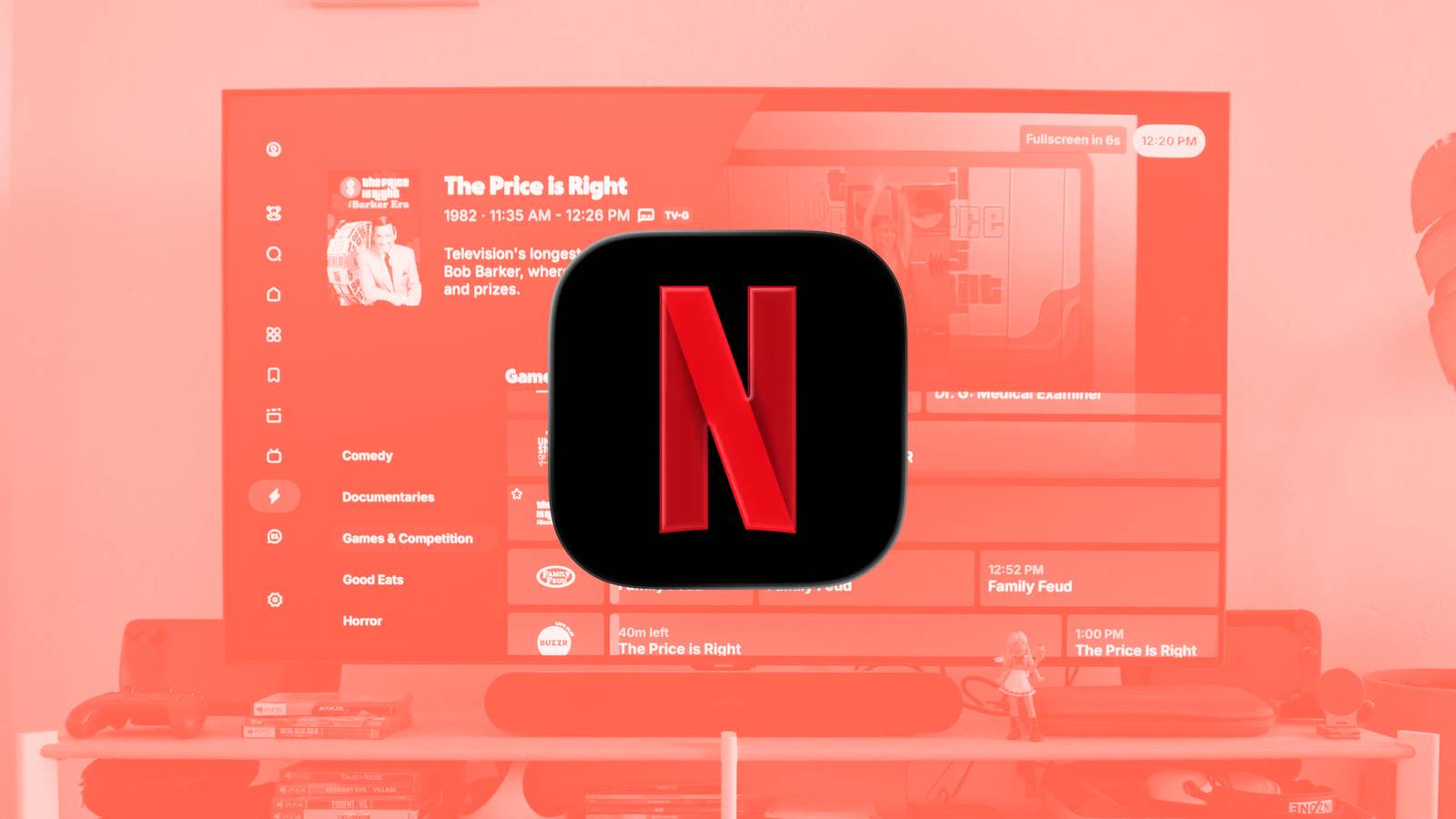
While the streaming wars are technically still raging on, if you had to pick a de facto winner, it would be hard not to look to Netflix. The company is big and ubiquitous — it had more than 325 million subscribers at the end of 2025, according to Variety — and it’s backed, distributed, and produced some true hits. Perhaps more meaningful than the success of a media property like Stranger Things, though, Netflix’s approach to the entertainment business has influenced all of its competitors. For good or for bad, the company popularized the binge model, and it seems like it’s here to stay.
Netflix has experienced some recent setbacks, like its first net loss in subscribers in over a decade in 2022 and its failure to purchase Warner Bros. Discovery in 2026, but for all intents and purposes, it seems like it’s on top. Which might make a recent report from the Wall Street Journal surprising. Not only is Netflix worried about subscriber engagement — how long subscribers spend watching and how often they finish shows and movies — the company is considering adopting some previously inconceivable TV strategies to fix things, some that it should have adopted years ago.
Channels and bundles could be Netflix’s strategy
The company thinks the spontaneity and variety of classic TV could engage subscribers

According to The Wall Street Journal, Netflix executives are considering “adding live channels that would continuously stream certain programs, or shows and films from a certain genre.” These sound not unlike the channels available on free streamers like Tubi or The Roku Channel, or the themed channels paid streaming services like Peacock offer. The company is also reportedly looking at bundling other streaming services into Netflix, selling subscriptions to another service like Peacock or Paramount+ inside the Netflix app. Apple and Amazon have taken a similar approach in their own apps.
WSJ suggests both of these options could exist as tiles in the Netflix app, in much the same way the company displays its library of content. While not unusual in the wide world of other streaming services, this would be a pretty different strategy than Netflix has taken in the past. Relatively recent additions like games, ad-supported streaming, and live TV like sports are departures from the way the company has operated for years. Netflix has traditionally lived and died by getting users to pay an increasingly expensive subscription for a library of original and licensed shows and movies that can be consumed in a binge. Most of the things the company has experimented with in the last five years look more like cable television.
The change in strategy isn’t unmotivated, even if it is surprising. Netflix might not have lost subscribers, but the streaming service has started to slip out of the average person’s viewing habits. Nielsen reported that Netflix only made up 7.8 percent of monthly viewing in the US during April 2026, and only 8.2 percent the month before. The most common streaming service viewers turned to wasn’t even technically a paid one. It was YouTube.
Being like TV already works for Pluto and Tubi
Both apps helped popularize FAST as a concept

Offering “channels” in streaming apps wasn’t always as common as it is now. In fact, conforming your streaming service to traditional TV structures was something Pluto TV first popularized in the US. Pluto is owned by Paramount Skydance now, but when the service launched in 2014, it was one of the first free ad-support television services (FAST) in the US, primarily offering channels of licensed content, with the option to stream certain movies and shows on demand. Tubi took the opposite path when it launched in the same year, initially available as a free, video-on-demand service and then later adding channels starting in 2020. The key point of both apps is that they were offering content for free and primarily relying on advertising to make money, the original business model of over-the-air TV. Having used both services, it’s also worth noting there’s something pleasant about picking a channel and seeing what’s playing rather than combing through a library for something new.
Ironically, where the company might come up short is its own first-party shows.
It seems like Netflix already licenses ample material to offer something similar through its own app, whether it wants it to be ad-supported or ad-free. The work the company does to offer recommendations and create carousels of loosely connected shows should work just as well for channels. Ironically, where the company might come up short is its own first-party shows. In serving its preferred binge model, Netflix has encouraged TV to become more serialized, and harder to slip into without seeing everything that came before. That’s a much harder fit for channels that are supposed to be running 24/7.
Everyone’s trying to beat YouTube
Netflix isn’t the only streaming service trying to keep users engaged

If it does add channels and start bundling other streaming services, Netflix will start to look a lot more like its competitors, whether they’re other paid services, or free options like Tubi. All of this is in pursuit of combating YouTube. You can pay for a paid subscription to skip ads, but even without it, YouTube is highly popular and just as easy to access in a living room as anything else. Netflix also isn’t alone in considering drastic changes to fight Google’s streaming service: Disney has also reportedly looked at offering some kind of free version of Disney+. As of Netflix’s Q2 2026 earnings, the company said it will “continue to consider” offering some kind of free tier. Given all the other experiments Netflix has tried, channels, free or not, don’t seem like much of a leap.

- Subscription with ads
-
$9
- Premium Subscription
-
$20 or $26 options
- Simultaneous streams
-
2-4
- # of profiles
-
5
Netflix is a global streaming service offering on-demand access to movies, TV shows, documentaries, and original content. Founded in 1997 as a DVD rental service, it transitioned to streaming in 2007 and now operates in over 190 countries.


