Published July 22, 2026 04:43PM
If you’re into ultralight gear, you know that this niche of the outdoor world has been ruled by small, homegrown brands for decades. In my view, that’s one of the best things about the ultralight space. These brands take risks. They experiment with questionable designs and in the process come up with some great ones. They interact with customers, offer one-off features and sizing options, and deliver outstanding customer service.
But in the back of my mind, I’ve always feared that the rest of the outdoor industry would catch on once they saw the successes of the little guys: Well-financed brands could quickly adopt ultralight gear trends, produce cheaper goods at a higher volume, and drive small businesses away.
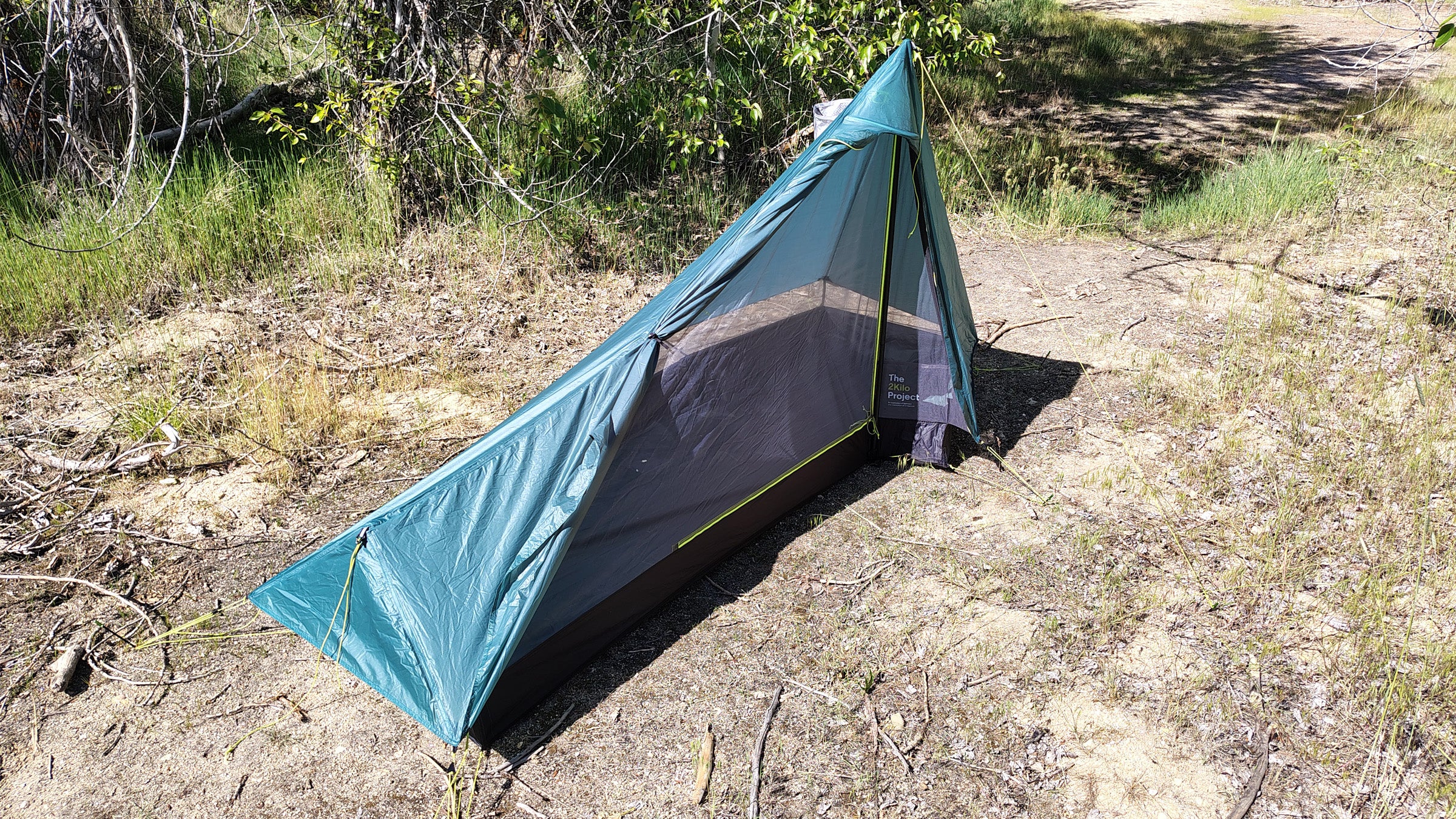
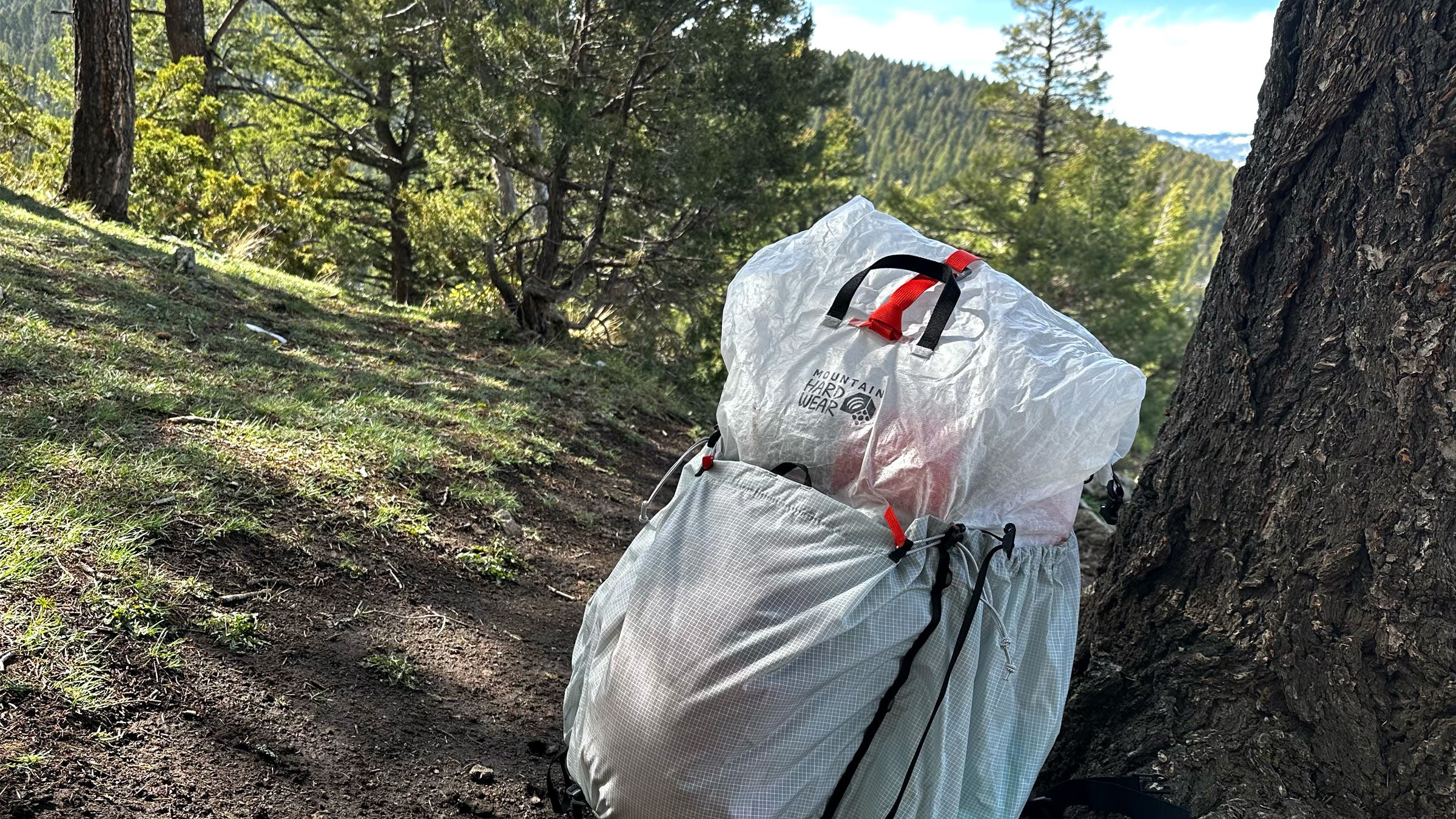
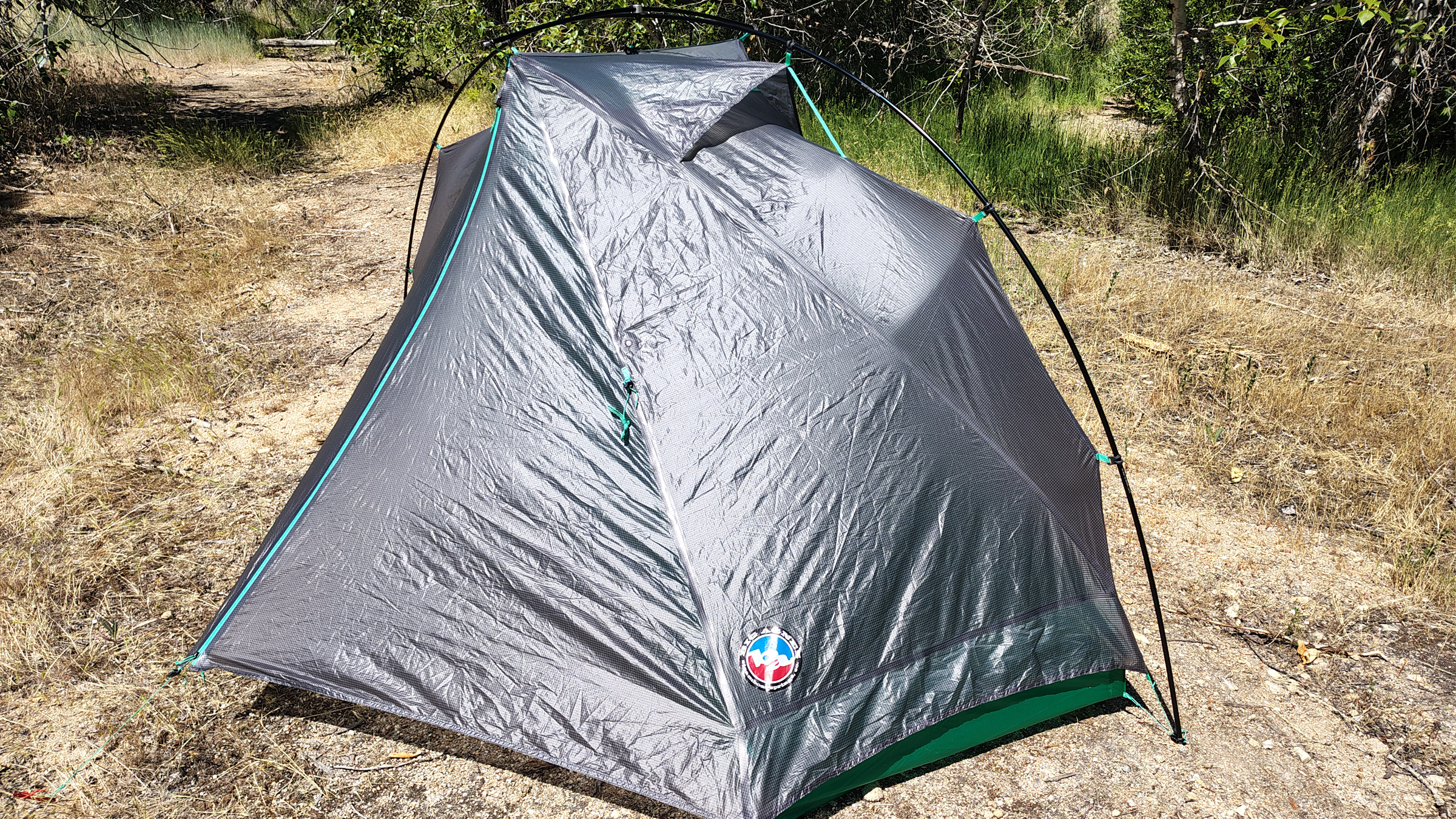
In 2026, it’s safe to say that one part of that assumption has come to fruition: The mainstream outdoor industry has gone all-in on ultralight. Big Agnes just released a line of single-wall shelters, including a trekking-pole tent. Black Diamond, Arc’teryx, and Mountain Hardwear all sell packs made with Ultra or Graflyte, the high-tech composite fabrics found across the cottage industry. Sleeping quilts are everywhere, as is Polartec Alpha Direct. And from what I’ve seen and heard from brands about next year’s product, the broader industry is doubling down on ultralight in the future.
So are the cottage brands in jeopardy? In my view, not at all. In fact, rather than undercutting the smaller brands, most of this new mainstream gear is too expensive for most backpackers, especially scrappy ultralighters. Mountain Hardwear’s Graflyte-constructed Alakazam 45 pack costs a whopping $575. Big Agnes’s new single-wall tents run from $550 to $850 (and no, they’re not Dyneema). NEMO’s 1000-fill power Pulse quilt rings in at $550. Even when it comes to simple apparel goods, like the Alpha Direct hoodies that ultralighters covet, mainstream brands hopping on the trend can’t seem to produce them at a real discount. How are cottage brands remaining so competitive? After following the ultralight industry closely for many years, here’s what I think.
Ultralight gear isn’t that expensive.
I often hear that ultralight gear is too expensive. That might be true, but it’s not because ultralight brands are charging a premium that bigger brands can undercut. In reality, it’s just a few outlier products that have eye-watering price tags—Ultra backpacks, 1000-fill down jackets, and just about anything made of Dyneema. That expense is down to material costs, not price gouging. Goose down is expensive. Dyneema costs something like $30 or $40 a yard, and the newest pack fabrics are even pricier. Big brands might be able to save some costs by dealing in larger quantities, but the baseline price of these fabrics isn’t dropping that much—especially because these specialized fabrics aren’t produced en masse in the first place.
Take away these premium materials, and I would argue that ultralight gear has never been that costly. From robic nylon packs to silpoly shelters, there’s a wealth of affordable ultralight gear to be had—just look at Granite Gear packs or Six Moon Designs shelters for proof of that.
The cottage industry isn’t so cottage anymore.
So why don’t ultralight brands have to charge boutique prices? One reason is that the most popular brands have expanded well beyond the cottage label. Compare a successful ultralight-specific brand like Hyperlite Mountain Gear to a “mainstream” brand like NEMO Equipment, and the differences aren’t so stark. Both companies have about 50 employees. Both design their goods in-house and produce them overseas. The truth is, a lot of traditional hiking brands are pretty small businesses, and ultralight gear has gotten popular enough that brands like Hyperlite aren’t cottage in comparison.
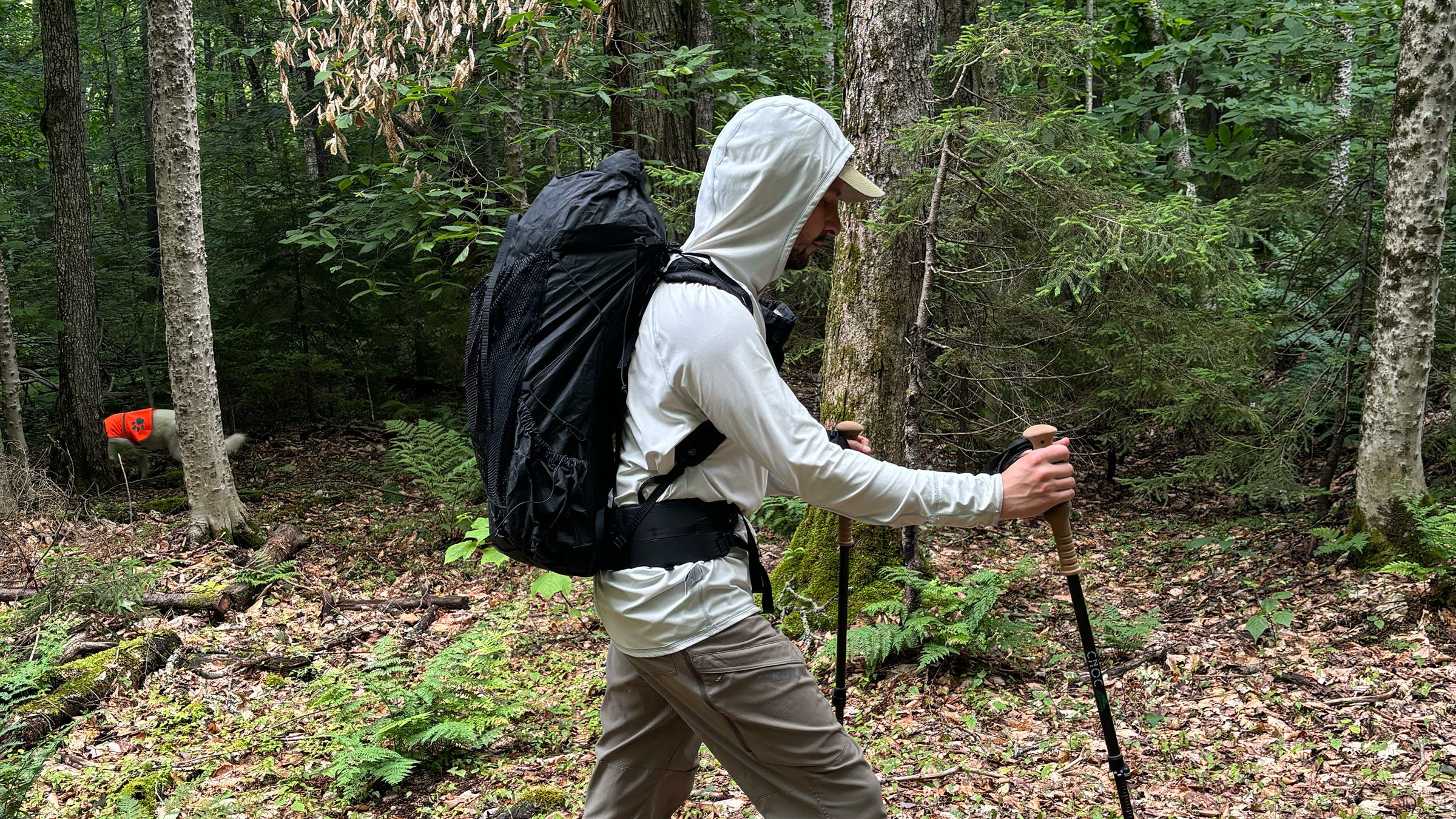
Hyperlite is probably the best example of an ultralight brand going mainstream, but even brands with just a few employees aren’t far behind. Durston Gear has only recently hired a few employees outside of Dan Durston’s immediate family, but has tents and packs manufactured in the same factories as major brands like Black Diamond and Big Agnes. In fact, it’s one of Durston’s selling points. Today, it’s common practice for upstart ultralight brands to skip the “garage-grown” experience altogether, and commit to outsourced production from the very first prototype.
But even that doesn’t tell the whole story. Other ultralight mainstays, like Zpacks and ULA, have managed to juggle growing the business while keeping production in-house. Today, Zpacks has over 100 employees, makes everything in-house in the United States, and still manages to keep prices in line with products made overseas. Plus, there are still dozens of small brands that seem happy to exist without expanding. I’ve talked to several solo brand owners who make somewhere between $15 and $20 an hour sitting behind their sewing machine. They have long waiting lists for customers, but would rather shutter their brand than raise prices or outsource the work. Brands like these may not always stand the test of time, but they still help set the going rate for ultralight gear.
Combined, all of these business models have created an ultralight industry that’s pretty hard to outcompete, even for successful brands with decades of experience.
Ultralighters don’t trust the big names.
Another reason traditional brands might struggle to make in-roads in the ultralight space is marketing—because ultralighters have pretty much flipped traditional marketing on its head. Brands like The North Face and Black Diamond might have name recognition among customers at REI, but that status is more of a hindrance than a help inside the ultralight community. Making gear for the masses isn’t necessarily a good thing.
Instead, ultralight brands rely on the kind of word-of-mouth marketing that most companies can only dream of. Your average backpacker may have never heard of Yama Mountain Gear or KS Ultralight Gear, but rest assured there are hundreds of ultralighters ready to recommend these brands and others like them to anyone who asks on Youtube, Reddit, or Instagram. They might be intense (and sure, some are outright elitist) but they know their stuff: They’re repeat thru-hikers, people who make their own gear, and material experts who know the technical details of every fabric and insulation available. If they support a brand, it carries weight.
In comparison, traditional brands have a long way to go before earning the trust of the ultralight community. For years, ultralight hikers walked into traditional gear shops and found nothing of interest. That may not be true anymore, thanks to new releases from mainstream brands, but old habits die hard. It might take a long time to convince the average ultralight hiker that these brands aren’t just chasing ultralight credibility, and actually believe in the gear.
The upside is that ultralighters are pretty rational consumers. They’re concerned with quality, design, features, price, and of course, weight. If traditional brands can come out ahead on those metrics, ultralighters will welcome them with open arms. If not, there’s going to be a lot of fancy-looking ultralight gear on the sale rack before too long.


