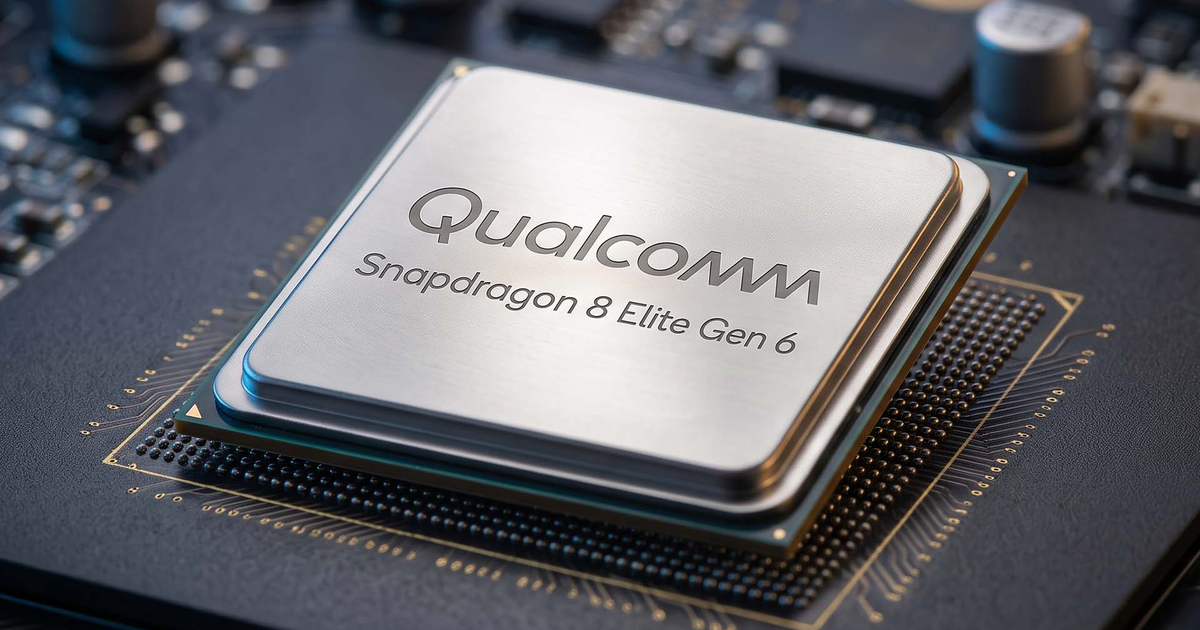
Rising Component Costs Force Qualcomm to Act
Qualcomm reportedly sent a letter to customers explaining why prices are going up. The company said it has reached the point where it can no longer absorb higher costs from suppliers. It also noted that it has tried to source components from alternative suppliers, but those efforts have not been enough to offset the continued rise in manufacturing expenses. As a result, every Qualcomm product shipped after September 1 is expected to carry a higher price.
AI Boom Is Putting Pressure on the Chip Industry
One of the main reasons for the price increase is the growing demand for chips and memory around the world. The rapid growth of AI data centers has created a huge need for memory chips, processors, and other important electronic parts. As demand keeps rising, these components have become more expensive and harder for technology companies to buy.
Qualcomm also relies heavily on TSMC, the world’s largest contract chipmaker, to produce its processors. As manufacturing costs continue to increase across the industry, Qualcomm has decided to raise its prices to help cover those higher expenses.
Smartphone Prices Could Rise Again
Consumers may eventually feel the impact of Qualcomm’s decision. Many smartphone manufacturers rely on Qualcomm processors in their flagship and mid-range devices. If chip prices increase, manufacturers could pass those higher costs on to customers through more expensive smartphones, tablets, and laptops.
Key Points
- Qualcomm will reportedly raise chip prices by double-digit percentages.
- The new prices will apply to products shipped after September 1.
- The company says it can no longer absorb rising component costs.
- Qualcomm has also tried sourcing parts from alternative suppliers.
- Growing demand from AI data centers has increased pressure on the semiconductor industry.
- Qualcomm is one of TSMC’s largest customers.
- Smartphone manufacturers may pass the higher chip costs on to consumers.
- Future smartphones, tablets, and laptops could become more expensive
.


