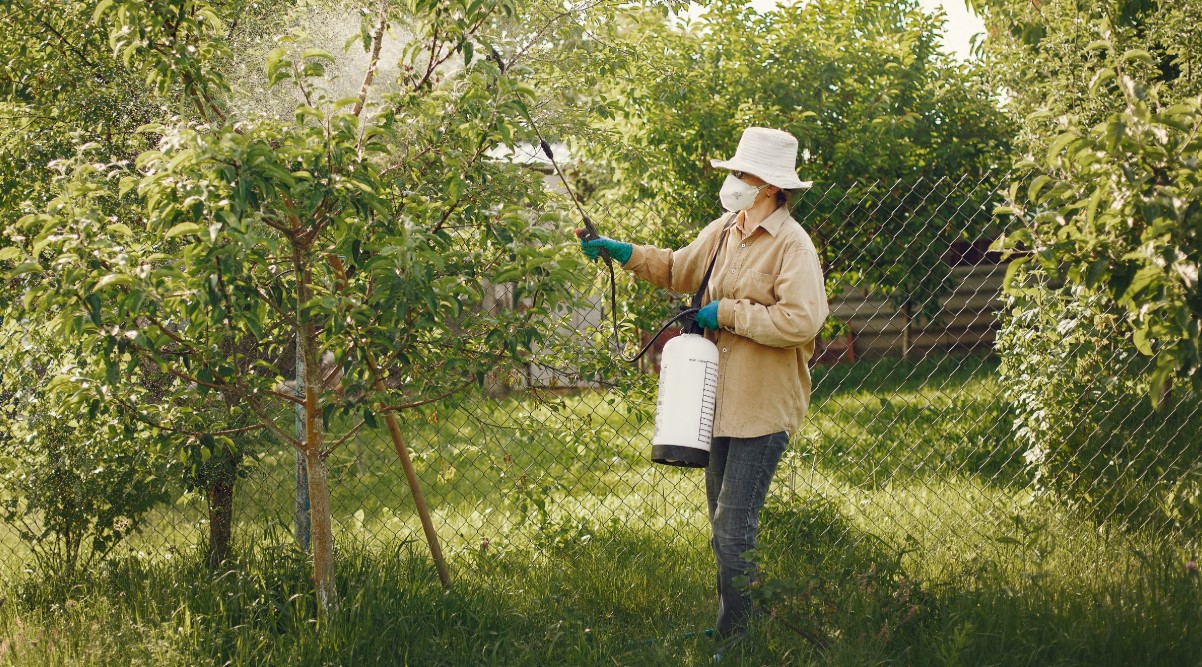
When people think about pest prevention, they often picture treatments, traps, or calling in a professional once they’ve spotted a problem.
But most pest problems don’t actually start that way. They usually begin outside. A forgotten bucket collecting rainwater. Shrubs growing close to the house. A compost pile that’s working perfectly for your garden, but also happens to be attracting unwanted visitors.
The good news is that small changes around your yard can make a big difference. Some of the most effective pest prevention strategies have nothing to do with chemicals at all. They’re about making your property a less inviting place for pests. If you’re trying to create a healthier outdoor space while reducing the chances of infestations, here are a few habits worth considering.
Your Landscaping Can Help
A well-maintained garden doesn’t just look great. It can also help discourage pests from getting too comfortable around your home. Think about it from a pest’s perspective.
Dense shrubs pressed against exterior walls create sheltered pathways. Overgrown branches provide easy access to roofs. Thick ground cover offers protection from predators while making it easier for insects and rodents to move around unnoticed. You don’t need to redesign your entire garden to make a difference. A few simple habits go a long way:
- Trim shrubs and hedges so they don’t touch your home’s exterior.
- Prune tree branches away from the roof.
- Keep grass at a manageable height.
- Remove piles of leaves or garden debris regularly.
- Store firewood away from the house and keep it elevated off the ground.
None of these jobs are particularly difficult, but together they make your property much less attractive to pests looking for food, shelter, or easy access indoors.
Don’t Give Pests a Water Source
Most people think standing water is only a mosquito problem. It certainly attracts mosquitoes, but it can also create ideal conditions for other insects and contribute to damp areas that many pests prefer.
Take a walk around your property after heavy rain. You’ll be surprised by what you find. Check:
- Clogged gutters.
- Plant pots collecting water.
- Children’s toys left outside.
- Buckets and watering cans.
- Poor drainage around the foundation.
- Birdbaths that need refreshing.
The goal isn’t to eliminate every drop of water. It’s simply to avoid creating stagnant areas where insects can breed, or moisture can build up over time. Keeping gutters clean and ensuring water drains away from your home also helps protect your property from moisture-related issues that may attract unwanted visitors.
Compost Is Great If It’s Managed Well
Composting is one of the best things you can do for your garden. It reduces waste, improves soil health, and supports a more sustainable way of maintaining your outdoor space.
But like many good things, it works best when managed properly. A neglected compost pile can become attractive to flies, rodents, and other pests, especially if unsuitable materials are added. To keep your compost working for you instead of against you:
- Avoid adding meat, dairy, or oily foods.
- Turn the compost regularly to improve airflow.
- Keep the pile moist, but not soggy.
- Use a secure compost bin where possible.
- Clean up spilled compost around the base of the bin.
A healthy compost pile breaks down efficiently while attracting far fewer unwanted visitors.
Rethink Your Outdoor Lighting
Here’s something many homeowners don’t think about. The lights outside your home can influence insect activity. Bright white lights often attract flying insects, especially during warmer months. Those insects can then attract spiders, lizards, and other creatures that feed on them.
That doesn’t mean you need to sit in the dark. Instead, consider using warm-coloured LED bulbs where appropriate, placing lights only where they’re needed, or using motion sensors instead of leaving lights on throughout the night. Small adjustments like these can reduce insect activity around entryways without sacrificing security or convenience.
Prevention Is Usually Better Than Treatment
When people hear the words “pest control,” they often think the solution starts after pests have already arrived. In reality, prevention is almost always the better approach. Regular home maintenance, thoughtful landscaping, moisture management, and good outdoor habits can significantly reduce the likelihood of larger infestations developing in the first place.
That preventative mindset is also one of the most environmentally responsible ways to manage pests. Instead of reacting with repeated treatments, you’re addressing the conditions that attract pests to begin with. In some situations, though, additional support makes sense.
If you’re dealing with recurring pest activity despite keeping up with preventative maintenance, organic pest control can become part of a broader strategy rather than the only solution.
Small Habits Add Up Over Time
One overflowing gutter or one overgrown hedge probably won’t create a major pest problem overnight. But little things have a way of adding up. That’s why the most effective pest prevention isn’t usually about one big project. It’s about building a few simple habits into your regular home maintenance routine. Habits help you create an outdoor space that’s healthier for your garden, more enjoyable for your family, and much less appealing to unwanted visitors.
And if you ever reach the point where prevention alone isn’t enough, environmentally responsible solutions from companies like Blue Sky can complement those efforts without replacing the good habits that keep pest problems from developing in the first place.
The most sustainable approach to pest control isn’t just about treating pests; it’s about creating an environment where they’re less likely to settle in at all.


