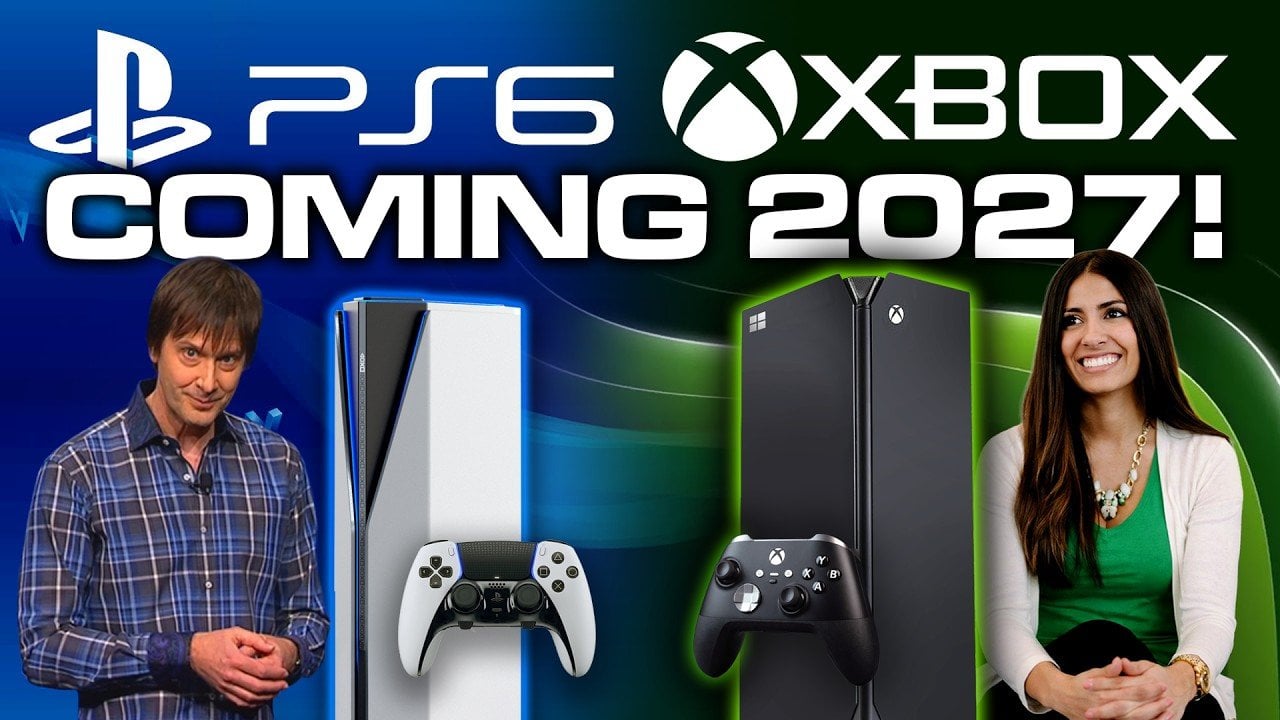
Sony and Microsoft have announced their next-generation consoles, the PlayStation 6 (PS6) and Xbox Project Helix, both set to launch in late 2027. According to Colt Eastwood, the PS6 will prioritize affordability and simplicity, with a projected price of $800 and an all-digital design, while the Xbox Helix, priced at $900, will focus on high-end performance powered by the Magnus chip, allowing advanced graphical features like ray tracing and path tracing. These differences highlight contrasting strategies for addressing the evolving gaming market.
Explore how the PS6 and Xbox Helix compare in areas such as hardware capabilities and backward compatibility. Learn about Sony’s plans to phase out physical media by 2028 and Microsoft’s Project Positron, which allows players to digitize their physical game libraries. Gain insight into the Xbox Helix’s integration with PC gaming platforms and the implications of the PS6’s more closed ecosystem.
Release Date and Pricing: What You Need to Know
TL;DR Key Takeaways :
- Sony’s PlayStation 6 (PS6) and Microsoft’s Xbox Project Helix are set to launch in late 2027, with the PS6 priced at $800 and the Xbox Helix at $900, reflecting their differing strategies of affordability versus premium performance.
- The Xbox Helix features the powerful Magnus chip for superior graphical fidelity and performance, while the PS6 uses the Orion chip, prioritizing cost-effectiveness over innovative capabilities.
- Backward compatibility is a key differentiator: the Xbox Helix supports older games and introduces Project Positron for converting physical games to digital, whereas the PS6 will phase out physical media entirely by 2028, focusing on an all-digital model.
- Microsoft emphasizes ecosystem integration with PC gaming compatibility via platforms like Steam, while Sony maintains a more self-contained ecosystem, limiting cross-platform gaming opportunities.
- Market analysts predict the PS6 will outsell the Xbox Helix due to PlayStation’s established dominance, but the Helix’s focus on versatility and long-term value could attract a dedicated audience of performance-focused gamers.
Both consoles are scheduled for release in the final quarter of 2027, perfectly positioned to dominate the holiday shopping season. Pricing reflects their differing priorities: the PS6 is expected to retail at approximately $800, while the Xbox Helix will carry a slightly higher price tag of $900. These price points underscore the increasing cost of advanced gaming hardware and the companies’ unique approaches to the market.
Sony’s pricing strategy is designed to attract budget-conscious gamers, offering a more accessible entry point into next-gen gaming. In contrast, Microsoft is targeting enthusiasts willing to invest in premium features and superior performance. This divergence in pricing strategies sets the stage for a competitive battle that will likely shape consumer preferences for years to come.
Hardware Showdown: Orion vs Magnus Chips
At the heart of these consoles are two advanced processors that define their performance capabilities. The Xbox Helix is powered by Microsoft’s Magnus chip, a technological powerhouse featuring higher thread counts, larger memory pools and an advanced GPU. These specifications enable the Helix to deliver unparalleled graphical fidelity, including superior ray tracing and path tracing for hyper-realistic lighting and shadows. This level of performance positions the Helix as a benchmark for next-generation gaming.
On the other hand, the PS6 is equipped with Sony’s Orion chip, which powers a less resource-intensive system. While this design choice makes the PS6 more affordable, it also limits its ability to compete with the Helix in terms of raw performance. For gamers who prioritize visual fidelity and high-end performance, the Xbox Helix emerges as the frontrunner. However, the PS6’s cost-effective approach may resonate with casual players or those less concerned with innovative graphics.

Take a look at other insightful guides from our broad collection that might capture your interest in Steam Machine.
Backward Compatibility and Physical Media: A Dividing Line
Backward compatibility is shaping up to be a critical factor in the competition between these consoles. The Xbox Helix offers extensive support for games from previous Xbox generations, allowing players to revisit their favorite titles without hassle. Microsoft is also introducing Project Positron, an innovative feature that enables users to convert physical games into digital copies. This functionality is particularly appealing for gamers with extensive collections of older titles, making sure their investments remain relevant in the digital age.
In contrast, Sony is taking a more polarizing approach with the PS6. By January 2028, the console will phase out support for physical games entirely, transitioning to an all-digital model. While this aligns with broader industry trends, it has sparked significant criticism from fans who value physical media and backward compatibility. This decision could alienate a portion of PlayStation’s loyal customer base, particularly those who prefer owning tangible copies of their games. The move underscores Sony’s commitment to a streamlined, digital-first future but raises questions about its appeal to traditional gamers.
Digital Integration and Cross-Platform Gaming
Microsoft is expanding its gaming ecosystem by seamlessly integrating the Xbox Helix with PC gaming platforms. Players will have access to popular storefronts like Steam, unlocking a vast library of PC games and blurring the line between console and PC gaming. This unified approach offers unparalleled flexibility, allowing gamers to enjoy a diverse range of titles across multiple platforms. The Helix’s emphasis on ecosystem integration positions it as a versatile choice for players seeking a comprehensive gaming experience.
In contrast, Sony is adopting a more insular strategy with the PS6. The console’s ecosystem remains largely self-contained, with limited support for PC gaming. While this approach simplifies the user experience and reinforces brand loyalty, it risks alienating gamers who value cross-platform compatibility. As the gaming industry becomes increasingly interconnected, Sony’s decision to scale back its PC gaming initiatives may limit the PS6’s appeal to a broader audience.
Consumer Sentiment and Market Predictions
The reception of these consoles will largely depend on how well they align with consumer expectations. Sony’s decision to embrace an all-digital future and reduce backward compatibility has drawn mixed reactions. While some applaud the streamlined approach, others question the PS6’s value proposition, particularly in light of its limitations. On the other hand, Microsoft’s consumer-friendly features, such as Project Positron and PC gaming integration, have been met with widespread enthusiasm.
Despite these differences, market analysts predict that the PS6 will likely outsell the Xbox Helix, continuing PlayStation’s dominance in market share. However, the Helix’s focus on versatility, backward compatibility and ecosystem integration could attract a dedicated segment of gamers who prioritize long-term value and performance over initial cost. This dynamic sets the stage for a competitive landscape where both consoles cater to distinct audiences.
Choosing Your Next Console
The PS6 and Xbox Helix represent two divergent approaches to next-generation gaming. Sony’s emphasis on affordability and a digital-first model contrasts sharply with Microsoft’s focus on performance, backward compatibility and ecosystem integration. As these consoles prepare to launch in late 2027, your choice will ultimately depend on your gaming priorities. Whether you value cost-effectiveness and simplicity or power and versatility, the next generation of gaming promises to push technological boundaries and redefine the way we play.
Media Credit: colteastwood
Filed Under: Gaming News, Top News
Disclosure: Some of our articles include affiliate links. If you buy something through one of these links, Geeky Gadgets may earn an affiliate commission. Learn about our Disclosure Policy.


