
You have probably heard by now. Claude Code burns through usage limits! But most of us live in the web app… distant from the terminal app, around which the buzz is about.
Maybe that was enough to make you curious. Maybe you already knew exactly what it was and just want it running on your machine. Either way, this guide is for you.
In this article, you’ll learn how to install Claude Code from downloading it to running your first command.
Installation
1. Run the install command
First, open a terminal and run the line for your platform. No administrator rights needed.
macOS, Linux, WSL
curl -fsSL https://claude.ai/install.sh | bashWindows PowerShell
irm https://claude.ai/install.ps1 | iexWindows CMD
curl -fsSL https://claude.ai/install.cmd -o install.cmd && install.cmd && del install.cmd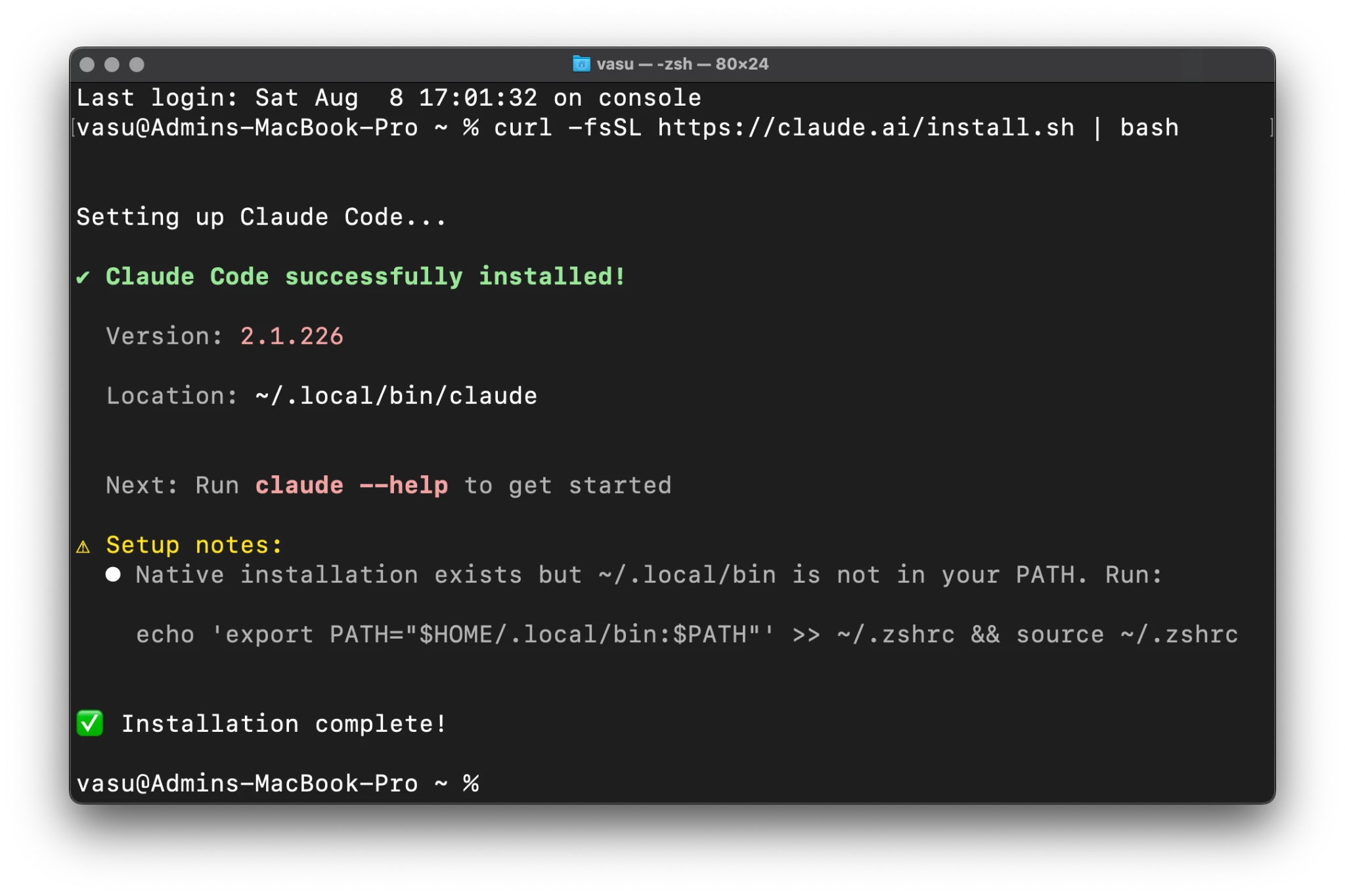
A successful install. If you got the yellow setup note, that means Step 2 applies to you.
2. (Optional) Add it to your PATH
Without this, claude returns “command not found”. On Zsh (the macOS default):
echo 'export PATH="$HOME/.local/bin:$PATH"' >> ~/.zshrc && source ~/.zshrcOn Bash, swap both ~/.zshrc references for ~/.bashrc. No warning? Skip ahead.
3. Verify
claude --versionPrints a version such as 2.1.226 (Claude Code). For fuller diagnostics without starting a session, run claude doctor.
First Run
Move into the project you want to work in, then launch:
cd ~/your-project
claude
4. Pick a theme
Arrow keys, then Enter. Change it later with /theme.
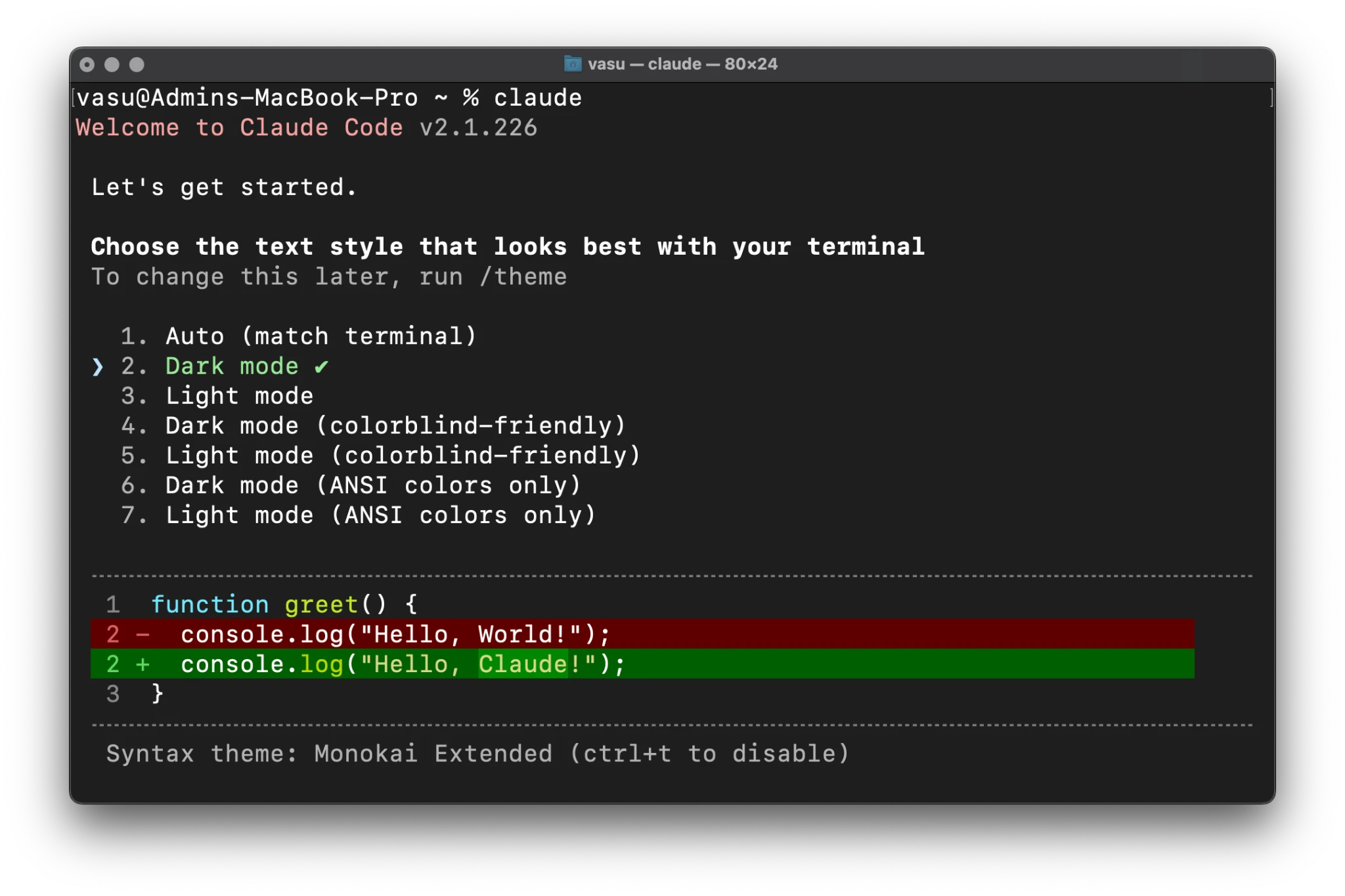
The theme picker, with colourblind-friendly and ANSI-only options.
5. Choose your login method
Have a Claude subscription? Pick option 1 and press Enter. (The three options are compared in Part 3.)
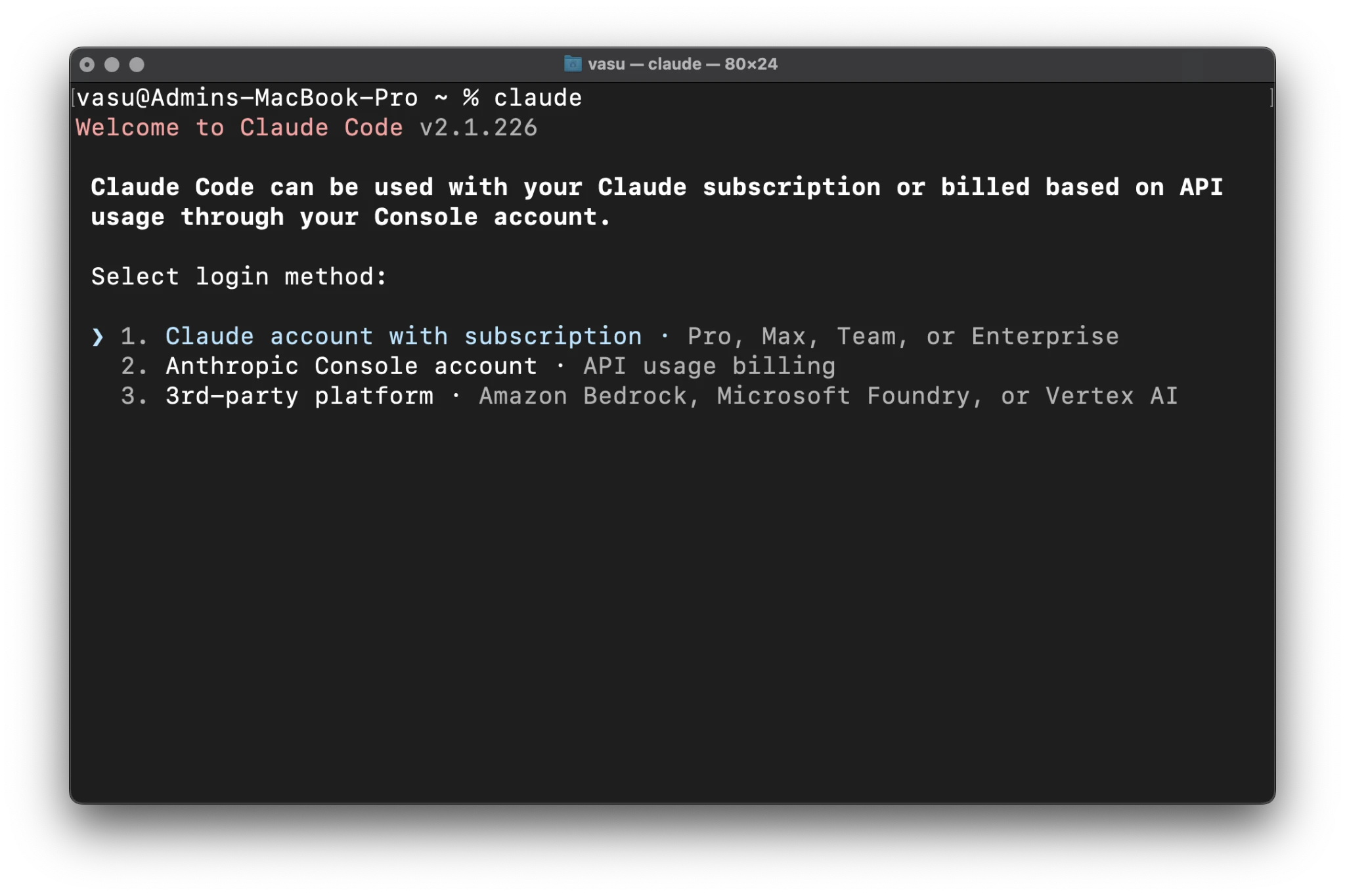
Subscription, Console billing, or a third-party cloud platform.
6. Authorise in the browser
Your browser opens a consent screen. Click Authorize.

The consent screen. What the permissions actually mean is covered in Part 3.
7. No browser? Use the manual flow
On a server, container, or SSH session, Claude Code prints a URL instead. Press c to copy it, open it anywhere you can browse, and approve the same screen.
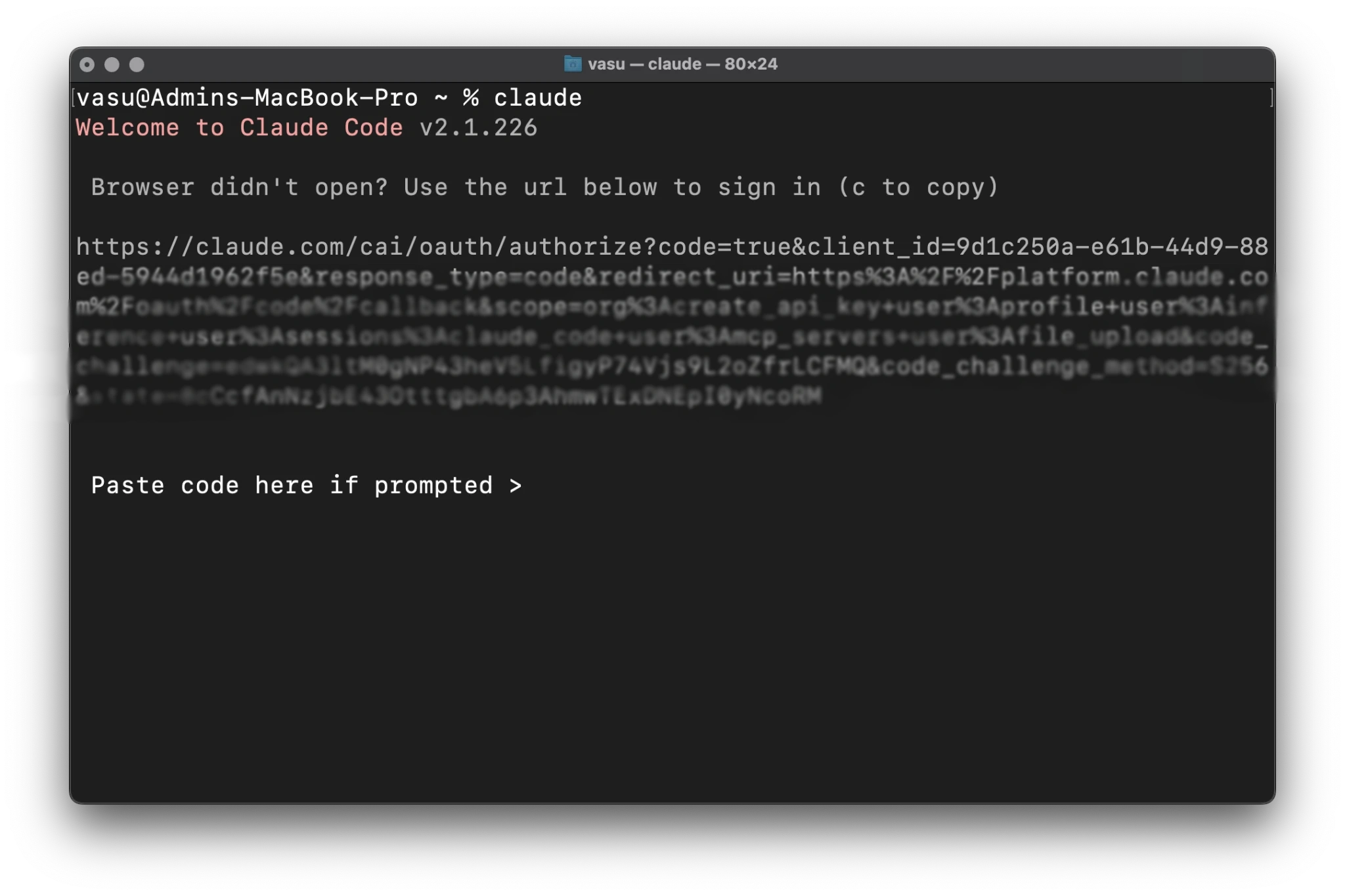
The fallback prompt, waiting for a code.
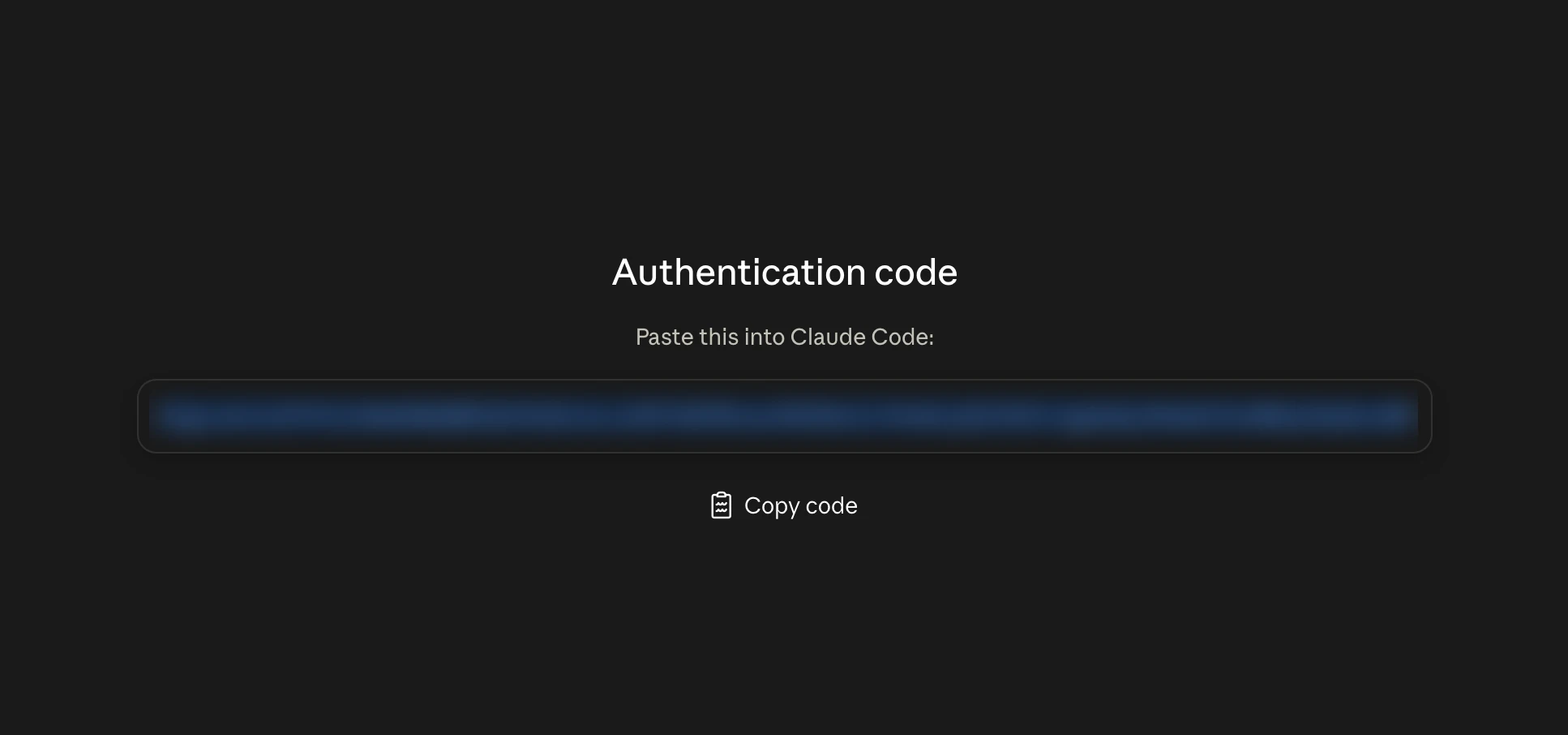
The authentication code (redacted here) is like a password.
Paste it at the terminal prompt and press Enter. Input is masked as you paste.
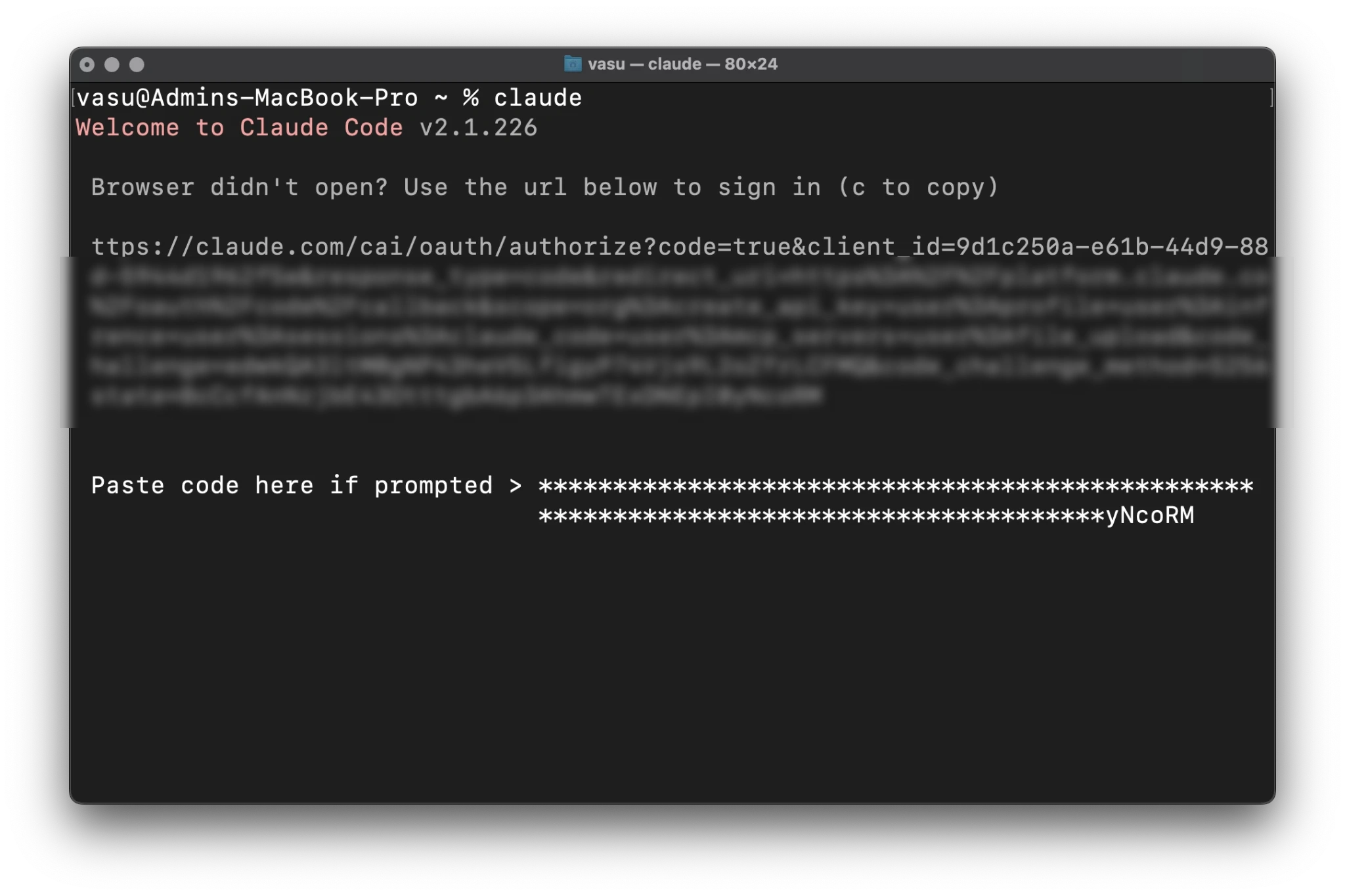
Code pasted and masked.
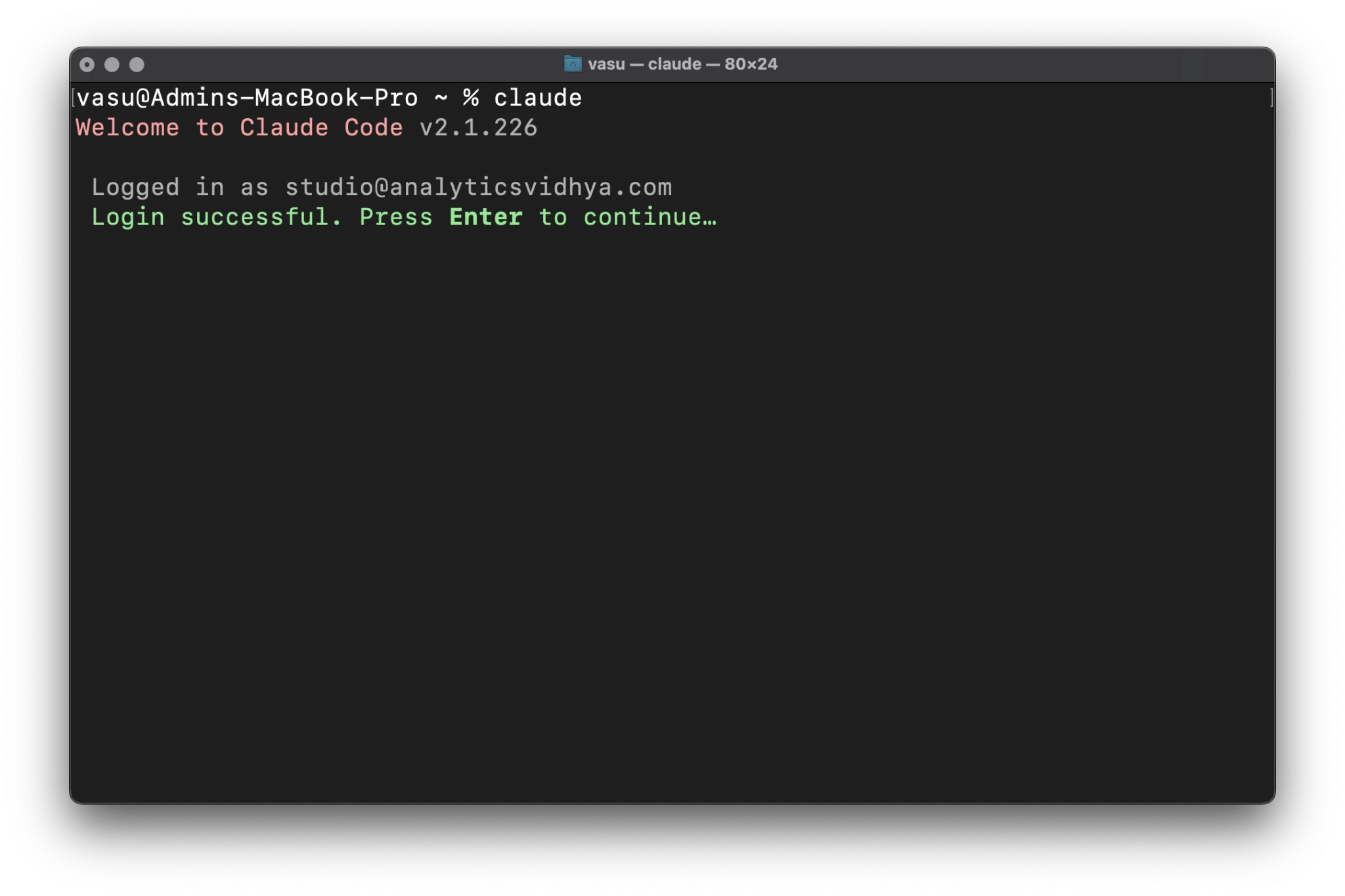
8. Check the account, press Enter
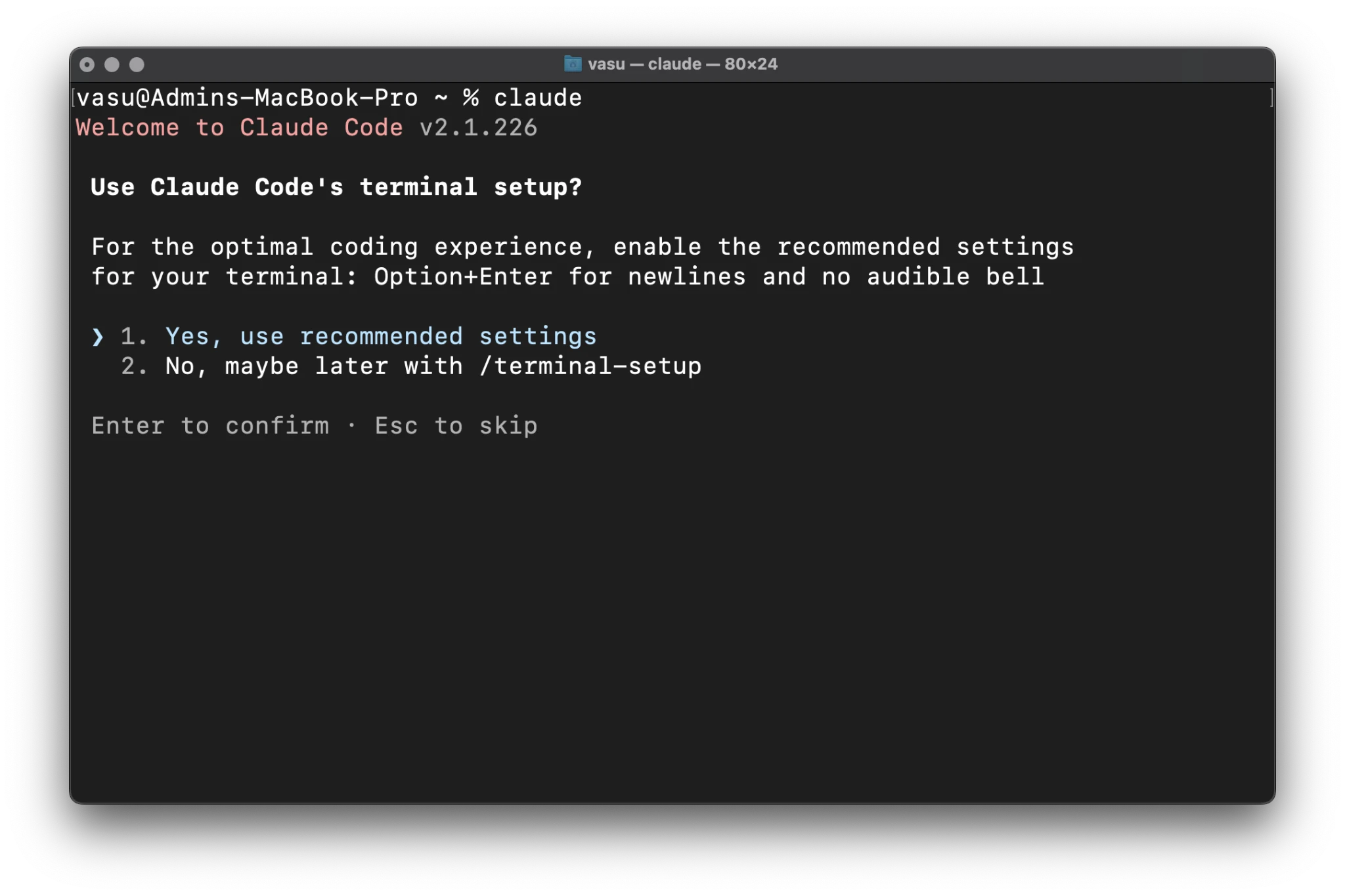
9. Accept the terminal settings
Choose “Yes, use recommended settings“. This enables Option+Enter for newlines, without it, multi-line prompts send half-written.
10. Trust the folder
Read the path it names, confirm it is yours, then choose “Yes, I trust this folder“.
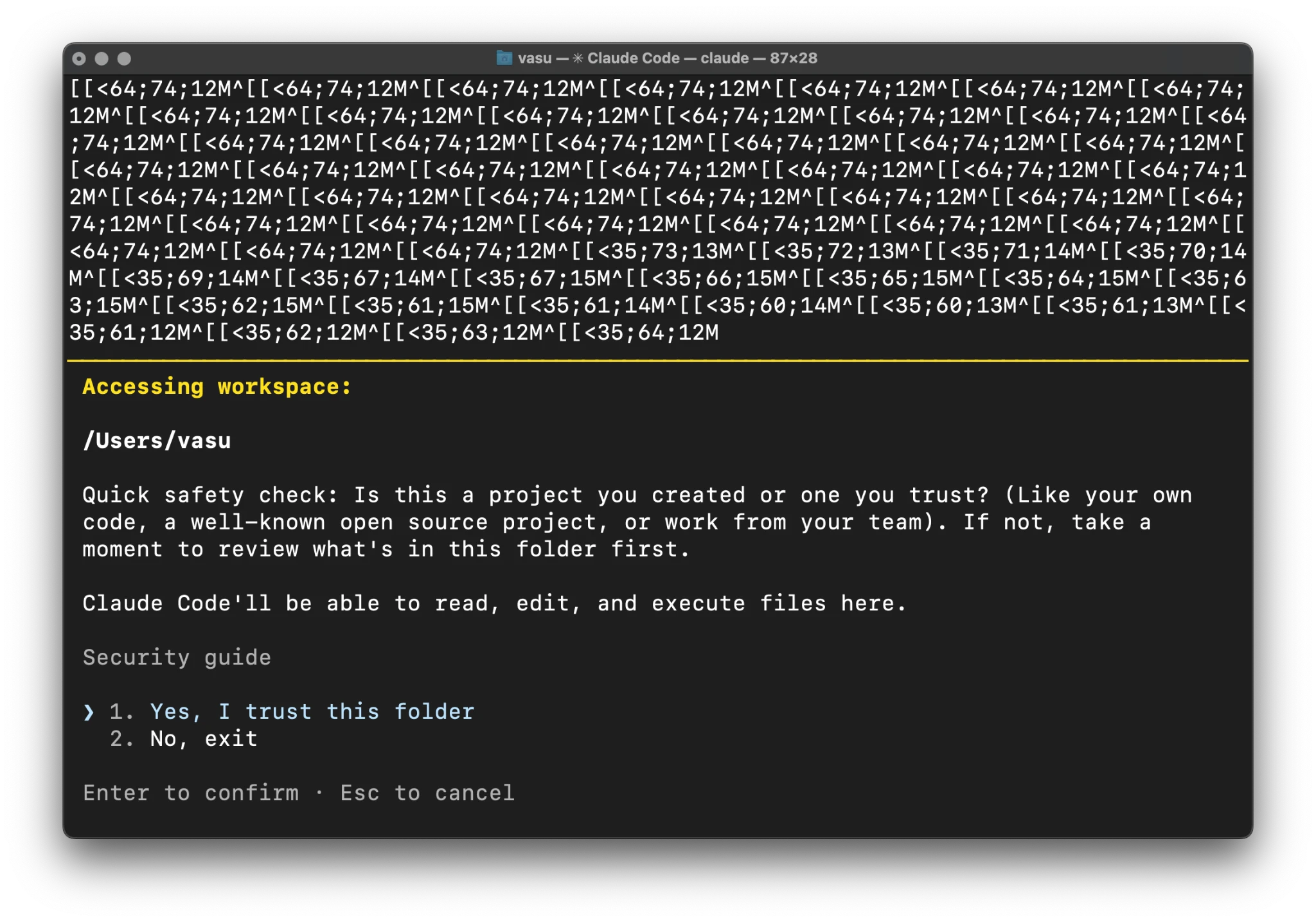
The workspace trust prompt. Make sure you trust the folder you’re giving in all the rights to.
11. You are in
Accept the fullscreen renderer if offered and it removes flicker on long responses and adds mouse support. A good features to have for those used to the traditional GUI interface.
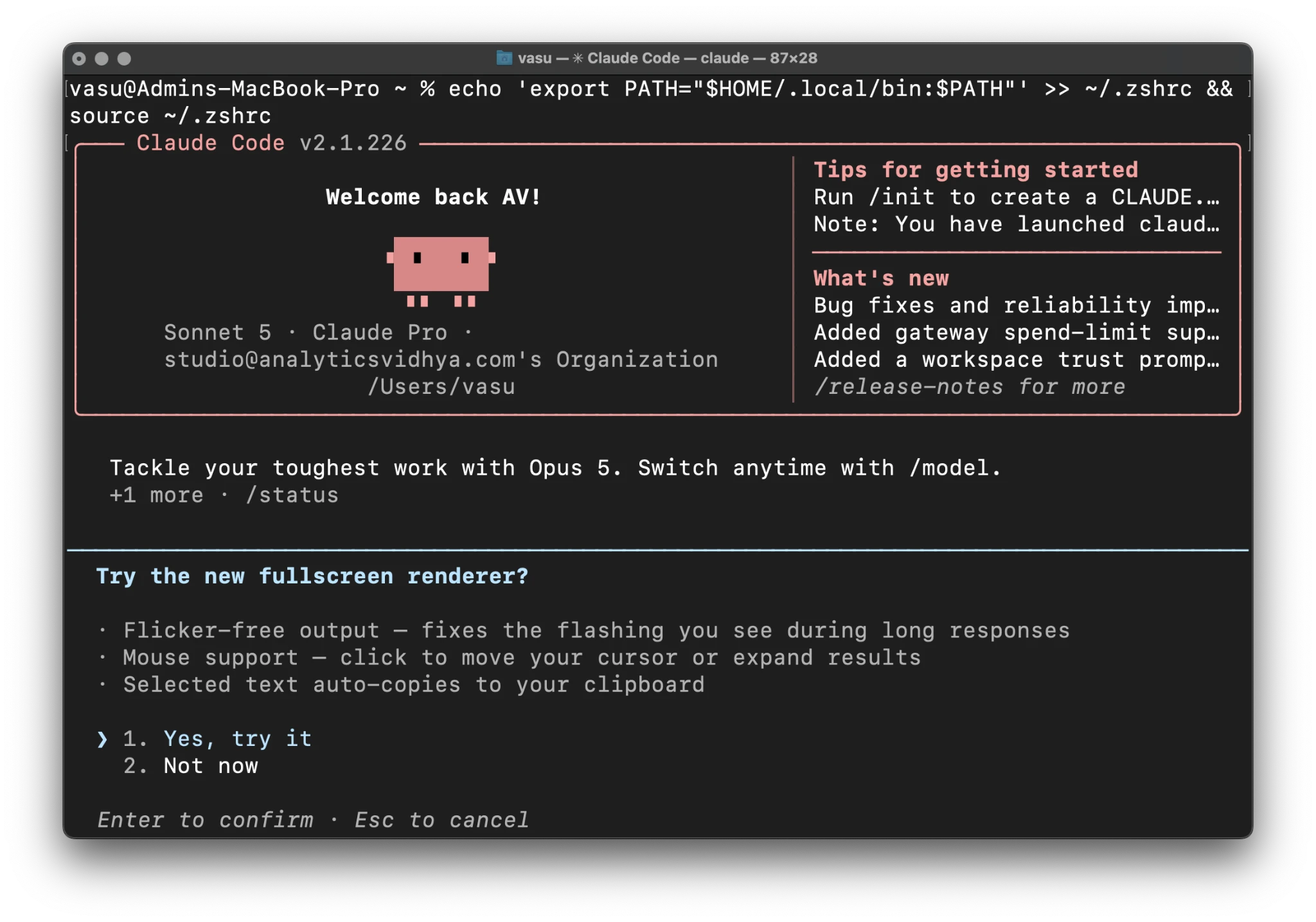
The welcome panel: model, account, working directory, recent changes.
Then type an instruction in plain English and press Enter. Press ? for shortcuts.
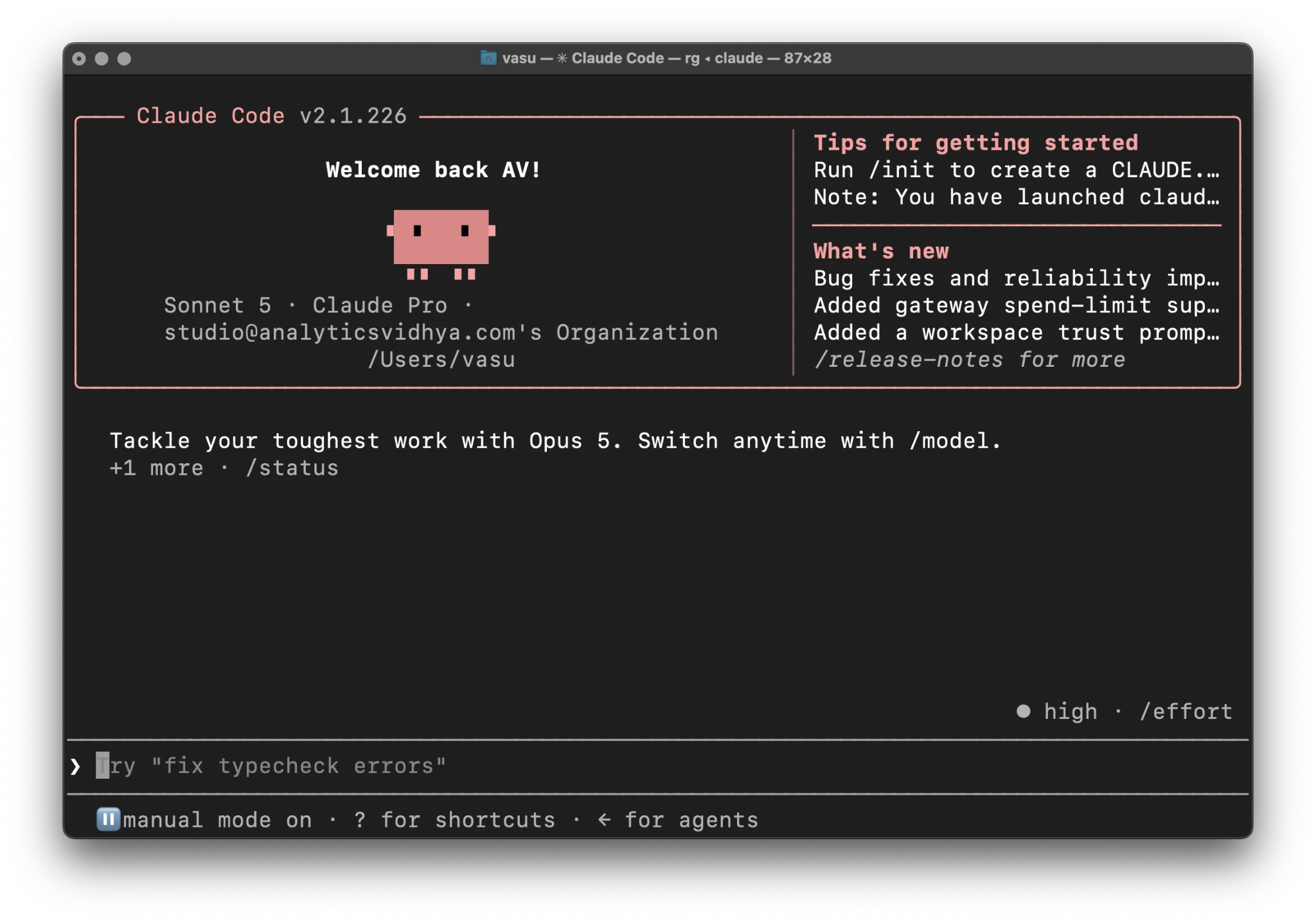
The prompt, ready for work.
Read more: How to Create Custom Skills in Claude: A Step-by-Step Guide
Conclusion
Installing Claude Code comes down to three moves:
- one command
- one browser approval
- a wizard you can clear in two minutes
Only two screens deserve a careful read, the consent screen, which ties terminal sessions to your usual usage allowance, and the folder trust prompt, which grants access to everything in that directory.
Keep the scope narrow from here: launch inside a project, run /init where you’ll return, and check /usage early. Do that, and everything else the tool offers builds on the clean install you just finished.
Full documentation lives at docs.claude.com/en/docs/claude-code.
A. No, it requires a Pro, Max, Team, Enterprise, or Anthropic Console account with active API billing.
A. The native installer includes its own runtime. Only the legacy npm package requires Node.js, specifically version 22 or later.
A. Native installations update automatically. Use ‘claude update’ to force an update, or use your package manager for Homebrew, WinGet, apt, dnf, or apk installs.
A. Yes! The Claude desktop app includes Claude Code with a graphical interface, for macOS, Windows, and Linux.
A. Delete ~/.local/bin/claude and ~/.local/share/claude. You can also remove ~/.claude to clear your settings, MCP configuration, and session history.

Studying, evaluating, and explaining AI systems for over 6 years.
“𝘖𝘯𝘤𝘦 𝘮𝘦𝘯 𝘵𝘶𝘳𝘯𝘦𝘥 𝘵𝘩𝘦𝘪𝘳 𝘵𝘩𝘪𝘯𝘬𝘪𝘯𝘨 𝘰𝘷𝘦𝘳 𝘵𝘰 𝘮𝘢𝘤𝘩𝘪𝘯𝘦𝘴 𝘪𝘯 𝘵𝘩𝘦 𝘩𝘰𝘱𝘦 𝘵𝘩𝘢𝘵 𝘵𝘩𝘪𝘴 𝘸𝘰𝘶𝘭𝘥 𝘴𝘦𝘵 𝘵𝘩𝘦𝘮 𝘧𝘳𝘦𝘦. 𝘉𝘶𝘵 𝘵𝘩𝘢𝘵 𝘰𝘯𝘭𝘺 𝘱𝘦𝘳𝘮𝘪𝘵𝘵𝘦𝘥 𝘰𝘵𝘩𝘦𝘳 𝘮𝘦𝘯 𝘸𝘪𝘵𝘩 𝘮𝘢𝘤𝘩𝘪𝘯𝘦𝘴 𝘵𝘰 𝘦𝘯𝘴𝘭𝘢𝘷𝘦 𝘵𝘩𝘦𝘮.” — 𝖥𝗋𝖺𝗇𝗄 𝖧𝖾𝗋𝖻𝖾𝗋𝗍, 𝖣𝗎𝗇𝖾
Login to continue reading and enjoy expert-curated content.


