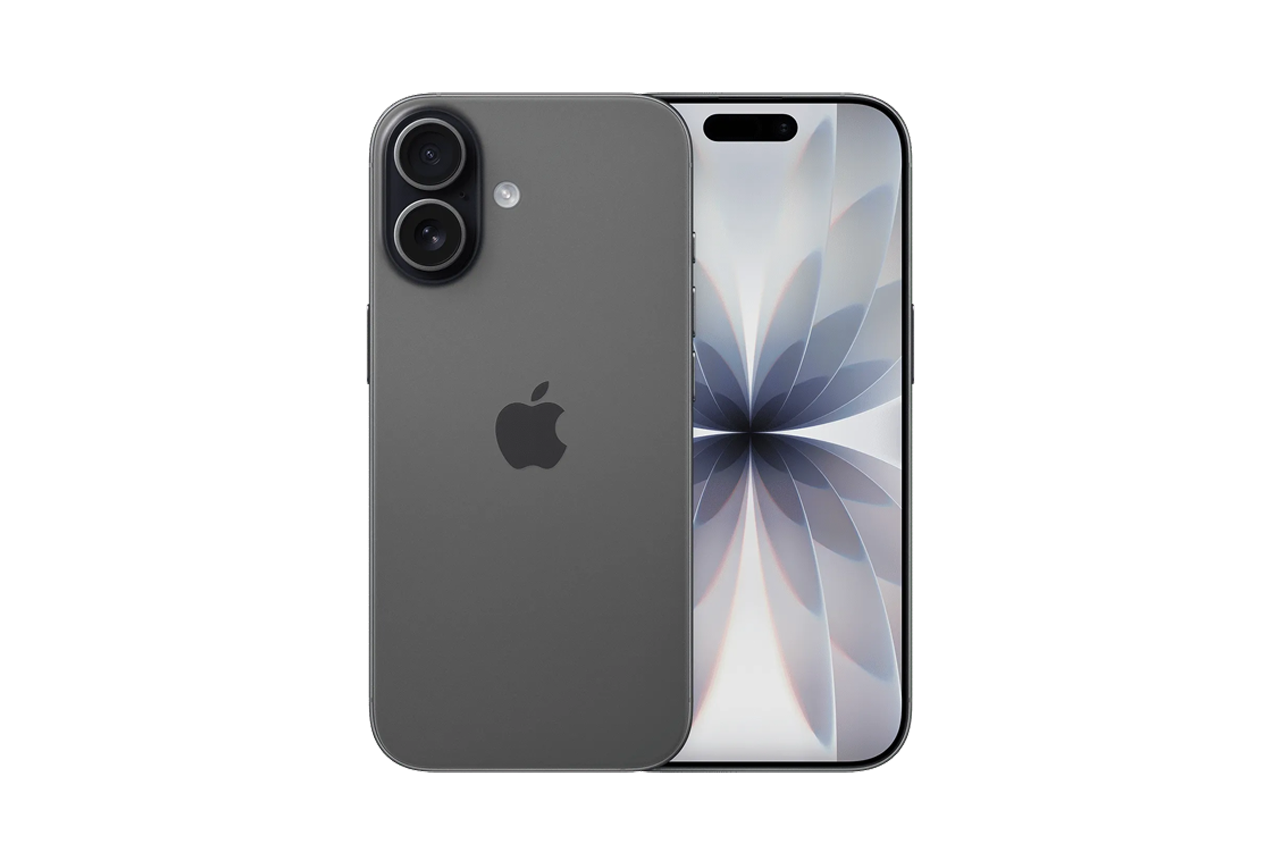
The Apple iPhone 17 camera performance is evaluated across photo, zoom, and video use cases using DXOMARK’s objective measurements and perceptual analyses to assess imaging performance across common shooting conditions. This article provides a structured summary of DXOMARK’s lab measurements and perceptual analyses to describe the device’s imaging performance.
Overview
Key camera specifications:
- Primary: 48 MP, f/1.6, 26mm (wide), 1/1.56″, 1.0µm, sensor-shift OIS
- Ultra-wide: 48 MP, f/2.2, 13mm, 120˚ (ultrawide), 1/2.55″, 0.7µm
- Tele: 12 MP, f/1.6, 52mm (telephoto), 1/1.56″, 1.0µm
With a score of 157 points, the Apple iPhone 17 delivers a solid and well-rounded camera experience, offering performance that is close to the iPhone 17 Pro in many common shooting scenarios. The device excels in outdoor and indoor photography, where it produces accurate exposure, pleasant color rendering, and well-controlled noise. Video is another strong area, combining effective stabilization, responsive autofocus, and consistent image quality across a wide range of lighting conditions. These qualities make the iPhone 17 a reliable companion for everyday photography and videography, with a level of consistency that remains one of its main strengths.
Image processing has been tuned to favor a clean rendering, resulting in lower visible noise than the iPhone 17 Pro while maintaining a good level of detail. Although this comes with a slight reduction in texture preservation, the overall balance remains convincing and contributes to natural-looking images in most situations. The camera also performs well at short zoom ranges, where both the main and ultra-wide modules deliver image quality that is largely comparable to the Pro model.
The device’s limitations are mainly linked to hardware rather than image processing. Performance drops more noticeably in low-light photography, where autofocus becomes less dependable and affects overall consistency, particularly for night portraits. Zoom is the other area where the iPhone 17 falls behind higher-end devices, as the lack of a dedicated tele camera limits detail preservation at longer focal lengths. Despite these compromises, the iPhone 17 provides a dependable imaging experience and delivers competitive results across the majority of everyday use cases.
Scoring
Sub-scores and attributes included in the calculations of the global score.
Apple iPhone 17

157

camera
Use cases & Conditions
Use case scores indicate the product performance in specific situations. They are not included in the overall score calculations.
Portrait
Portrait photos of either one person or a group of people
Outdoor
Photos & videos shot in bright light conditions (≥1000 lux)
Indoor
Photos & videos shot in good lighting conditions (≥100lux)
Lowlight
Photos & videos shot in low lighting conditions (<100 lux)
Zoom
Photos and videos captured using zoom (more than 1x)
Pros
- White balance and color rendering are pleasant, skintones are generally accurate
- Level of detail is high in bright light conditions
- Noise is well controlled in outdoor and indoor conditions
- Autofocus is fast and accurate
Cons
- Depth of fiels is too narrow on group portraits and background subjects are often out of focus.
- Tele Level of detail is rather low starting from 4x
- Bokeh level of detail on faces are slightly low
- Slight exposure instabilities are visible in highlights

Apple iPhone 17 – Accurate exposure and pleasant colors

Apple iPhone 17 Pro – Accurate exposure and pleasant colors

Samsung Galaxy S26 – Slightly inaccurate skintones and visible noise and noise
The iPhone 17 achieves mid-ranking performance in low-light testing, with a more noticeable gap to the iPhone 17 Pro than in brighter conditions. This difference is primarily driven by still-image performance, where autofocus is less dependable and can struggle to lock accurately in challenging scenes. As a result, image consistency decreases as illumination levels drop.
These limitations become particularly visible when photographing people at night, where autofocus reliability has a direct impact on the final image quality. While the device remains capable of producing usable results, it does not reach the level of consistency offered by higher-ranked competitors in this category.

Apple iPhone 17 – Pleasant skintone and high level of details

Apple iPhone 17 Pro – Pleasant skintone and high level of details

Samsung Galaxy S26 – Yellow cast giving an inaccurate skintone
The iPhone 17 is a capable device for portrait photography, delivering images with accurate target exposure and pleasing color rendering. Subjects are reproduced naturally, with a balanced overall look that remains consistent in favorable lighting conditions. The camera produces portraits that are visually appealing without relying on overly aggressive processing.
Portrait performance is less convincing after dark, where the autofocus limitations observed in low-light testing become more apparent. This reduces consistency in night scenes, although the camera continues to perform well for portraits captured in daylight and indoor environments.

Apple iPhone 17 – Accurate target exposure and acceptable level of details

Apple iPhone 17 Pro – Accurate target exposure and acceptable level of details

Samsung Galaxy S26 – Accurate target exposure and acceptable level of details
Zoom is the category where the iPhone 17 shows its largest compromise. The absence of a dedicated tele camera limits its ability to preserve detail at medium and long-range zoom factors, making it less competitive than devices equipped with optical tele modules.
At shorter zoom distances, however, the camera remains highly capable, producing results that are very close to those of the iPhone 17 Pro. The ultra-wide camera also performs well, maintaining good detail and a natural rendering that contributes to a consistent experience across the available focal lengths.
Test summary
About DXOMARK Camera tests: DXOMARK’s camera evaluations take place in laboratories and real-world situations using a wide variety of use-cases. The scores rely on objective tests for which the results are calculated directly using measurement software in our laboratory setups, and on perceptual tests where a sophisticated set of metrics allow a panel of image experts to compare aspects of image quality that require human judgment. Testing a smartphone involves a team of engineers and technicians for about a week. Photo and Video quality are scored separately and then combined into an overall score for comparison among the cameras in different devices. For more information about the DXOMARK Camera protocol, click here. More details on smartphone camera scores are available here. The following section gathers key elements of DXOMARK’s exhaustive tests and analyses. Full performance evaluations are available upon request. Please contact us on how to receive a full report.
Huawei Pura 80 Ultra Camera Scores
This graph compares DXOMARK photo and video scores between the tested device and references. Average and maximum scores of the price segment are also indicated. Average and maximum scores for each price segment are computed based on the DXOMARK database of devices tested.
Photo
155
Huawei Pura 80 Ultra
Huawei Pura 80 Ultra
About DXOMARK Camera Photo tests
For scoring and analysis, DXOMARK engineers capture and evaluate more than 3,800 test images in controlled lab environments as well as outdoor, indoor and low-light natural scenes, using the camera’s default settings. The photo protocol is designed to take into account the main use cases and is based on typical shooting scenarios, such as portraits, landscape and zoom photography. The evaluation is performed by visually inspecting images against a reference of natural scenes, and by running objective measurements on images of charts captured in the lab under different lighting conditions from 0.1 to 10,000+ lux and color temperatures from 2,300K to 6,500K.
The iPhone 17 delivers strong photo performance in both outdoor and indoor conditions, producing results that are very similar to those of the iPhone 17 Pro. Exposure is consistently accurate, colors are pleasant, and images maintain a natural appearance across a variety of scenes. Compared with the Pro model, the camera adopts a slightly different image processing strategy, favoring lower visible noise while sacrificing a small amount of fine texture. This compromise remains well balanced and allows the device to produce clean images without significantly affecting overall detail.
The main weakness appears in more challenging lighting conditions, where autofocus becomes less reliable. As a result, image consistency decreases in low light, preventing the device from matching the performance of the iPhone 17 Pro in the most demanding scenes.
Main
172
Huawei Pura 80 Ultra
Huawei Pura 80 Ultra
Huawei Pura 80 Ultra Photo scores
Video
162
Apple iPhone 17 Pro
Apple iPhone 17 Pro
About DXOMARK Camera Video tests
DXOMARK engineers capture and evaluate almost 3 hours of video in controlled lab environments and in natural low-light, indoor and outdoor scenes, using the camera’s default settings. The evaluation consists of visually inspecting natural videos taken in various conditions and running objective measurements on videos of charts recorded in the lab under different conditions from 0.1 to 10000+ lux and color temperatures from 2,300K to 6,500K.
Video is one of the strongest aspects of the iPhone 17, delivering performance that closely matches the iPhone 17 Pro. Footage benefits from effective stabilization that keeps camera shake under control while introducing very few visible artifacts. Noise remains well managed, even in dim environments, helping preserve clean-looking videos across a wide range of lighting conditions.
Autofocus is both fast and accurate, allowing the camera to maintain reliable focus on moving subjects and providing smooth recording in everyday use. Overall, the device offers a consistent video experience with very few notable weaknesses.
Main
181
Apple iPhone 17 Pro
Apple iPhone 17 Pro
Huawei Pura 80 Ultra Video scores


