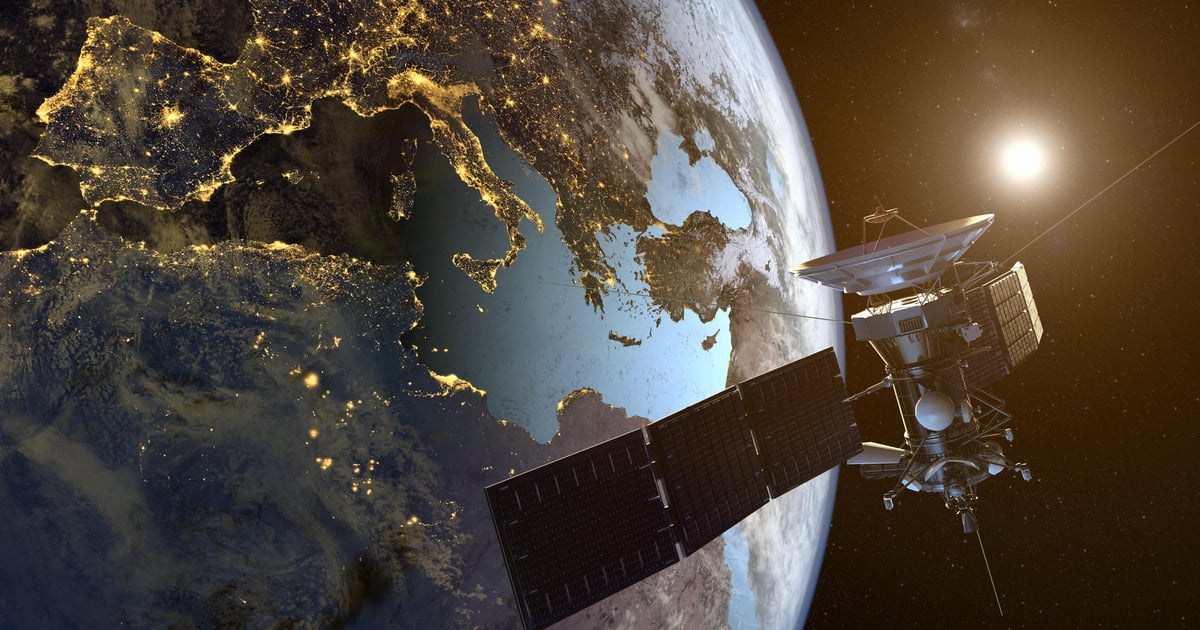
NTT Docomo has agreed to expand its contract with Starlink, using the latter’s next-generation Starlink Mobile V2 satellites for its direct-to-cell service in Japan.
The expanded contract will enable NTT Docomo to provide voice calls and high-speed Internet browsing through its Docomo Starlink Direct service, which was launched in Japan last April. The Japanese telecom operator will also be able to provide direct communication services for Internet of Things (IoT) devices via the Starlink Mobile V2 satellites.
NTT Docomo plans to introduce these new features to its direct-to-cell service within fiscal year 2028.
“Details such as the conditions for each feature will be announced as soon as they are decided. Services for corporations will be handled by NTT Docomo Business,” the company said in a statement.
Broader range of communication
NTT Docomo stated that the new features, such as voice calls and web browsing, address a broader range of communication needs. This is because they provide subscribers with more convenient ways to communicate and access information.
‘Furthermore, with IoT support, the range of applications such as data collection and remote monitoring is expected to increase, even in places where establishing secure communication environments is difficult, such as mountainous regions, remote islands and the open sea,” the company added.
Docomo Starlink Direct currently allows users to send and receive text messages, share their location, and use compatible data apps in areas without terrestrial coverage. The direct-to-cell service is presently free of charge for NTT Docomo subscribers with compatible devices, who can access the service automatically.
The Japanese telecoms operator revealed that it had amassed a total of 6.5 million subscribers to its direct-to-cell service by the end of July.
Meanwhile, Starlink states on its website that the throughput of its V2 satellites is 20 times greater than that of its predecessors. The company has also said that the V2 satellites will enable full 5G cellular connectivity in most environments, offering an experience comparable to that of current terrestrial services.
In a message posted on X in March, Starlink said that the V2 satellites “will deliver 5G speeds from space with 100x the data density of the current V1 generation satellites.”


