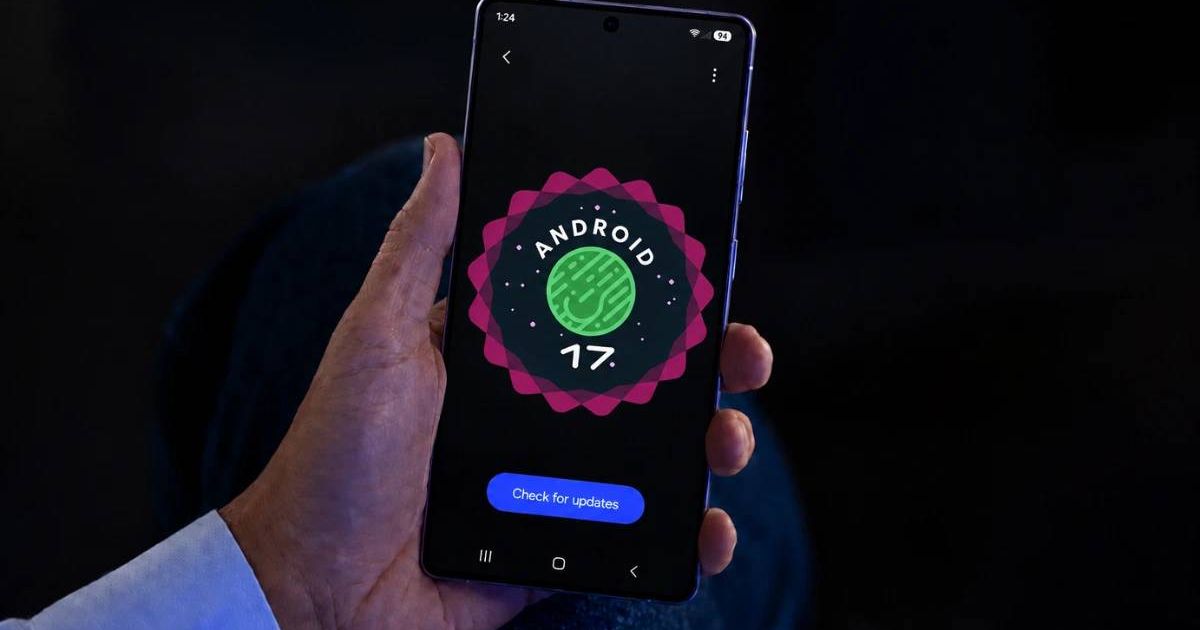
It isn’t the kind of One UI 9 feature that will look good in screenshots, but it could make a real difference in daily use.
One app won’t be able to take over your RAM
The problem is that one poorly optimized app can sometimes use far more memory than it should. Android may then close several other apps just to keep that one running.
Here’s the thing, though. You probably won’t notice any of this happening.
And that’s exactly the point.
This could make multitasking better
The goal isn’t to give your Galaxy phone more RAM. Instead, Android 17 should make better use of the RAM that is already there.
If one app can’t take more than its fair share, other apps have a better chance of staying open in the background. That could mean fewer reloads when you jump between Chrome, Instagram, Maps and other apps.
Google says the system is designed to work across phones with 4GB to 16GB of RAM or more, so this isn’t just a feature for expensive flagships.
To be honest, I think cheaper Galaxy phones may benefit the most. A Galaxy S26 Ultra with plenty of RAM already has room to work with. On a cheaper Galaxy A-series phone, every gigabyte matters.
Samsung already has its own tools
Samsung isn’t starting from zero here. One UI already includes memory controls inside Device Care, where users can see which apps are using RAM and close background processes.
Android 17’s system goes deeper because it works at the OS level and puts limits on individual apps before they can hurt the wider system.
Samsung has not confirmed when it will use Google’s new memory limits across all Galaxy devices. Still, One UI 9 is based on Android 17, and Google says more phone makers will adopt the feature over the coming year.
This won’t be the feature Samsung puts on a giant billboard. Most users may never even know it exists.
But if One UI 9 keeps more apps open and makes Galaxy phones with less RAM feel smoother, I would take that over another AI button any day.


