Apple’s camera-equipped AirPods are still a 2027 product, according to Mark Gurman, even after a finished-looking demo video for them turned up inside the release candidate for macOS Tahoe 26.7 days ago. The clip looks polished enough to pass for a September keynote segment. Supply chain and software snags knocked the earbuds off the 2026 calendar over the summer, and they haven’t been put back on it.
That video wasn’t the end of the spill. Poking through the same build, forum member mactracker surfaced a hidden framework called AccessorySensorManager, and the code inside describes how the earbuds look at a room. Working through what it says moved me from mild curiosity about the product to something close to dread, and the megapixel count has nothing to do with it.
The B790 demo
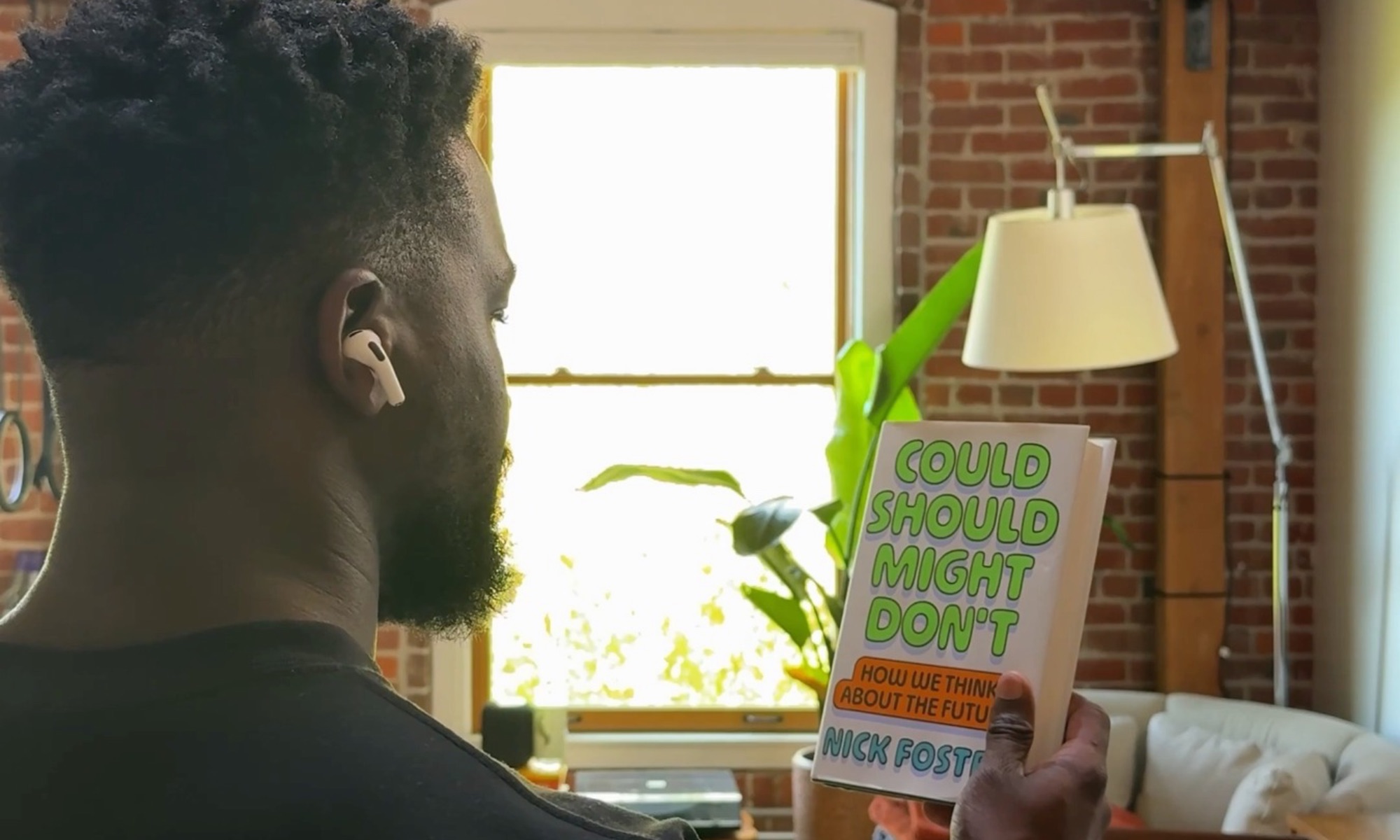
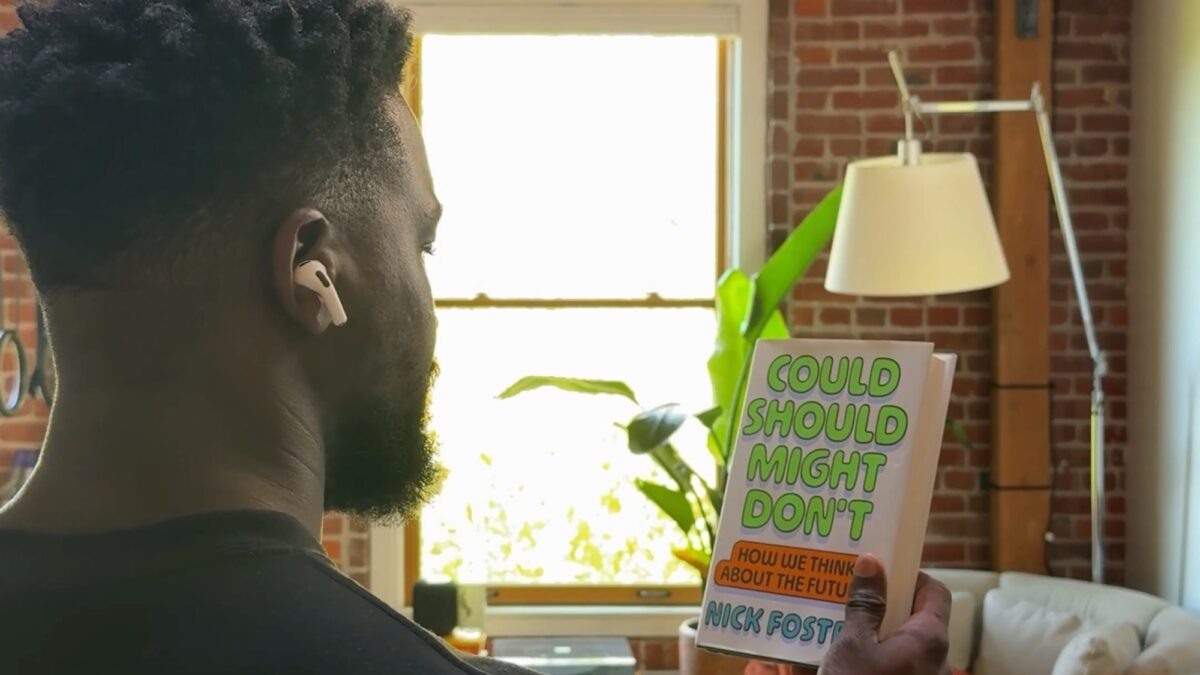
In the B790 demo (that’s Apple’s internal codename), a man holds a book beside his ear so the earbud can make out the cover, while a voiceover promises that your world becomes savable with Visual Intelligence. What stays with me is how unnatural the gesture looks.
Another detail I keep circling back to is the warning about hair. Cover the earbuds and macOS tells you to move it, so the sensors keep an accurate picture of your environment. An unobstructed view of whatever room you happen to be standing in, for as long as you’re wearing headphones, is the normal operating state Apple has designed around. Nobody writes that alert for a feature you use twice a week.
When the earbuds decide to look
Each bud has a color sensor, and both take the same shot at once. The matching frame IDs let Siri treat the two 640 × 640 stills as one view of whatever you’re looking at. The processed result comes back at a little over a megapixel. MacTracker’s framework breakdown points to still images rather than a live camera feed, with no audio capture involved.
Passive mode is where my stomach turned. The code describes 320 × 320 captures that can kick in when the earbuds hear someone nearby or detect a change in your movement. In other words, you don’t ask Siri to look… someone starts talking near you, and the earbuds can decide it’s time to take a picture.
Supporting work happens on the earbuds themselves, including detection of whether a person is in frame before anything travels onward. Distortion correction and motion rejection are in there too, because a head moves constantly and most frames would come back useless otherwise. Whoever wrote the code thought hard about the engineering problem of watching a room from inside somebody’s ear, which is exactly what worries me about it.
The blinking light defense
Buried in the same framework is code for driving a hardware indicator and setting its brightness, which tells me the earbuds carry a capture light. Apple’s whole answer to the creep problem, then, comes down to a small glowing dot on the side of a stranger’s head. We already have field data on what happens to that dot.
The recording light has become something people try to get rid of. One operator behind Ghost Metas said he drilled out the LED and filled the hole with resin, taking 15 to 20 minutes per pair. He had done it for about 100 pairs, including one customer who wanted to film strippers without the blinking light giving him away. Meta moved seven million pairs of camera glasses in 2025, so the demand for a workaround isn’t coming from nowhere.
The company pushed an update in July meant to kill the camera when the LED has been tampered with, and several disablers say their handiwork survived it. One journalist got the same result with a $2 sticker. A light is a promise you make to strangers, and the promise holds only as long as the cheapest way around it costs more than the cheapest person is willing to pay.
Every white earbud becomes a question
Nicknames arrived ahead of the hardware. PervertPods, PedoPods, CreepPods, AirFlocks, pick whichever one you saw first under a thread about the leak. Naming is how a crowd settles what a device means long before the marketing department gets a turn.
At a gym door, nobody is going to stop and check whether the earbuds in your ears are AirPods Pro 2 or the new camera model. If the rule becomes “no camera earbuds,” every pair starts looking suspicious. Someone who bought AirPods years ago for noise cancellation could get the same look as someone wearing a camera-equipped pair.
Then there’s the copycat market. Whatever restraint Apple builds in, the lookalikes that show up on marketplaces a few weeks later will pack an ordinary camera, no indicator worth the name, and a price under $30. Apple would have normalized the silhouette without any control over what the silhouette does once other manufacturers own it.
The case I can’t wave away
A menu read aloud could mean one less reason to pull out a phone for somebody with low vision. The same goes for recognizing a familiar face before a conversation starts for a person with face blindness. Meta makes a similar argument for its glasses, and I can’t dismiss it. There are use cases here that go beyond convenience.
The leap I won’t make is putting the sensors in the AirPods everyone already owns. Build the same assistive features into hardware that looks and feels different, and people around the wearer have a better chance of knowing what they’re standing next to. Nobody bought a pair of regular earbuds expecting a camera to be sitting across from them. That choice affects everyone in the room, not just the person wearing them.
Background: B790, B798, and a crowded 2027
Two versions have been in development. B790 took last year’s AirPods Pro 3 and added the sensors and the AI, and it’s the pair in the leaked video. B798 is a full new generation of AirPods Pro carrying cameras, and Gurman reports B790 came off the roadmap, which likely makes the leaked framework a portrait of hardware Apple has already shelved.
Gurman’s earlier reporting had a camera model arriving as soon as next month, so the timeline has shifted more than once this summer. Apple declined to comment. Arriving in 2027 would put the earbuds alongside the company’s first smart glasses and a camera-equipped pendant, while incoming chief executive John Ternus spends his first holiday season introducing a foldable iPhone and a smart home display for the rebuilt Siri.
Nobody outside Cupertino knows yet whether passive capture survives to shipping, whether the indicator light makes it onto the final hardware, or whether a camera-free AirPods Pro carries on selling next to it. My hope is that last one. My fear is that a company with a foldable phone and a pair of glasses to launch in the same year won’t want two flavors of its most familiar product confusing the shelf.
Grigor Baklajyan is a copywriter covering technology at Gadget Flow. His contributions include product reviews, buying guides, how-to articles, and more.


