Federal Health Minister Mustafa Kamal briefed the National Assembly on Tuesday with a major update for medical students. The government has officially authorized 35 private medical and dental colleges to collect a fee of up to Rs. 2.1 million annually.
This announcement followed a call to attention notice submitted by MNAs Asia Naz Tanoli, Zahra Wadood Fatemi, and Huma Akhtar Chughtai. Consequently, the session sparked a heated debate regarding the massive financial hurdles facing students across the country.
Why Did Private Medical Colleges Increase the Annual Fee?
Initially, the government established a standard annual fee cap of Rs. 1.8 million. A committee led by Deputy Prime Minister Ishaq Dar evaluated institutional expenses and educational standards to determine this baseline.
However, Parliamentary Secretary for Health Nelson Azeem revealed that 61 private medical colleges appealed this decision. These institutions claimed the original cap severely hindered their ability to maintain educational quality. After auditing their financial documents, the committee ultimately approved the Rs. 2.1 million fee increase for 35 of those colleges.
Interestingly, Minister Kamal contradicted his own figures later in the session. He stated that specific high-expense institutions actually received permission to charge up to Rs. 2.5 million based on operational evaluations, muddying the waters on the absolute fee ceiling.
Lawmakers Expose “Under-the-Table” Demands
During the parliamentary debate, lawmakers sharply criticized the exploitative financial structures of private institutions. MNA Asia Naz Tanoli pointed out that colleges demand full annual tuition upfront. They refuse to accept installments. Furthermore, MNA Huma Chughtai added that colleges set extremely short payment deadlines, which creates massive financial strain for families.
Meanwhile, MNA Zahra Wadood Fatemi challenged the official government narrative completely. She alleged that despite the approved caps, certain private colleges secretly extort unofficial payments ranging from Rs. 3.5 million to Rs. 4 million.
The Seat Shortage & Foreign Degrees
Pakistan currently offers 22,000 medical seats nationwide. Private institutions control 65% of these seats, while the public sector holds the remaining 35%. However, Fatemi contested these official figures, stating only 20,000 seats are actually available. Regardless of the exact number, the competition remains fierce. Over 150,000 candidates fight for these limited spots every year. Last year alone, 96,000 out of 143,000 candidates cleared the Medical and Dental Colleges Admission Test (MDCAT).
Because of the extreme local costs and limited seats, many students pursue medical degrees abroad. Unfortunately, they face strict licensing examinations upon returning to Pakistan. Kamal defended this local examination process. He argued that Pakistani graduates face similar licensing requirements when they move abroad.
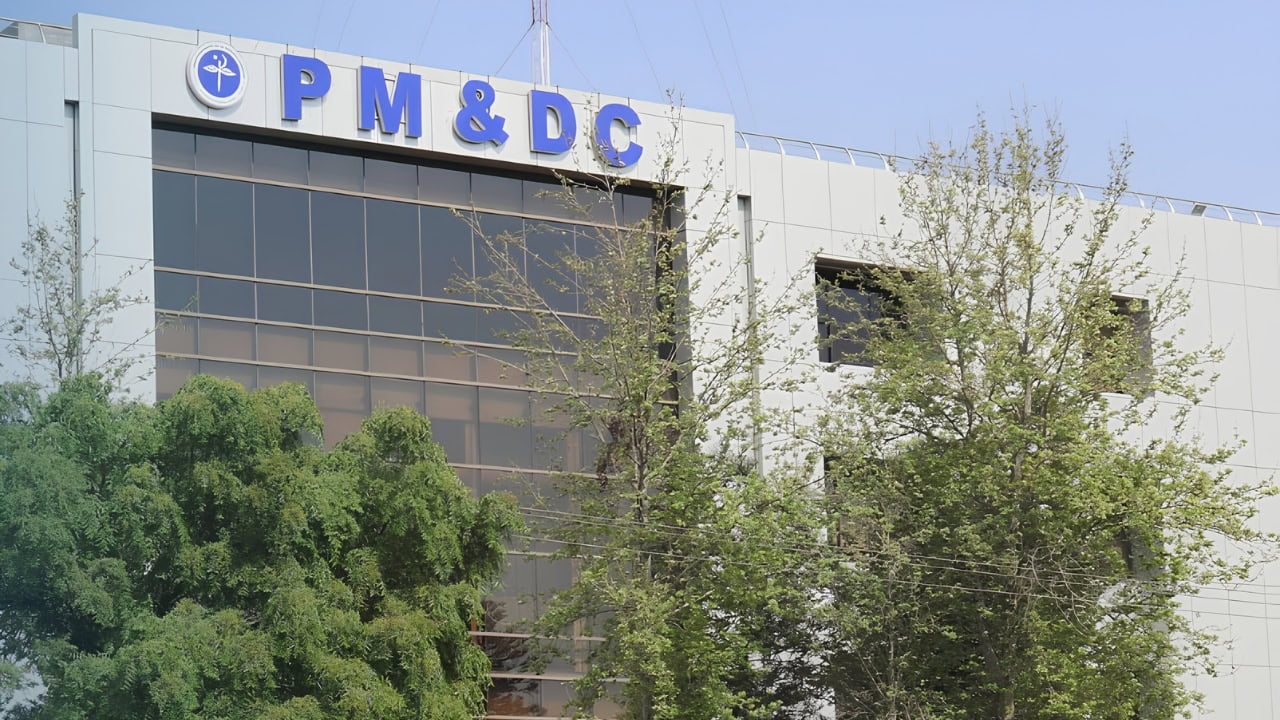
To protect students from enrolling in low-tier foreign colleges, the Pakistan Medical and Dental Council (PMDC) now lists recognized international institutions on its official website. Finally, Kamal reassured the assembly that international bodies fully recognize PMDC regulations, which maintains the global demand for Pakistan-trained doctors. The health ministry also maintains that it resolves all formal complaints filed against private colleges.


