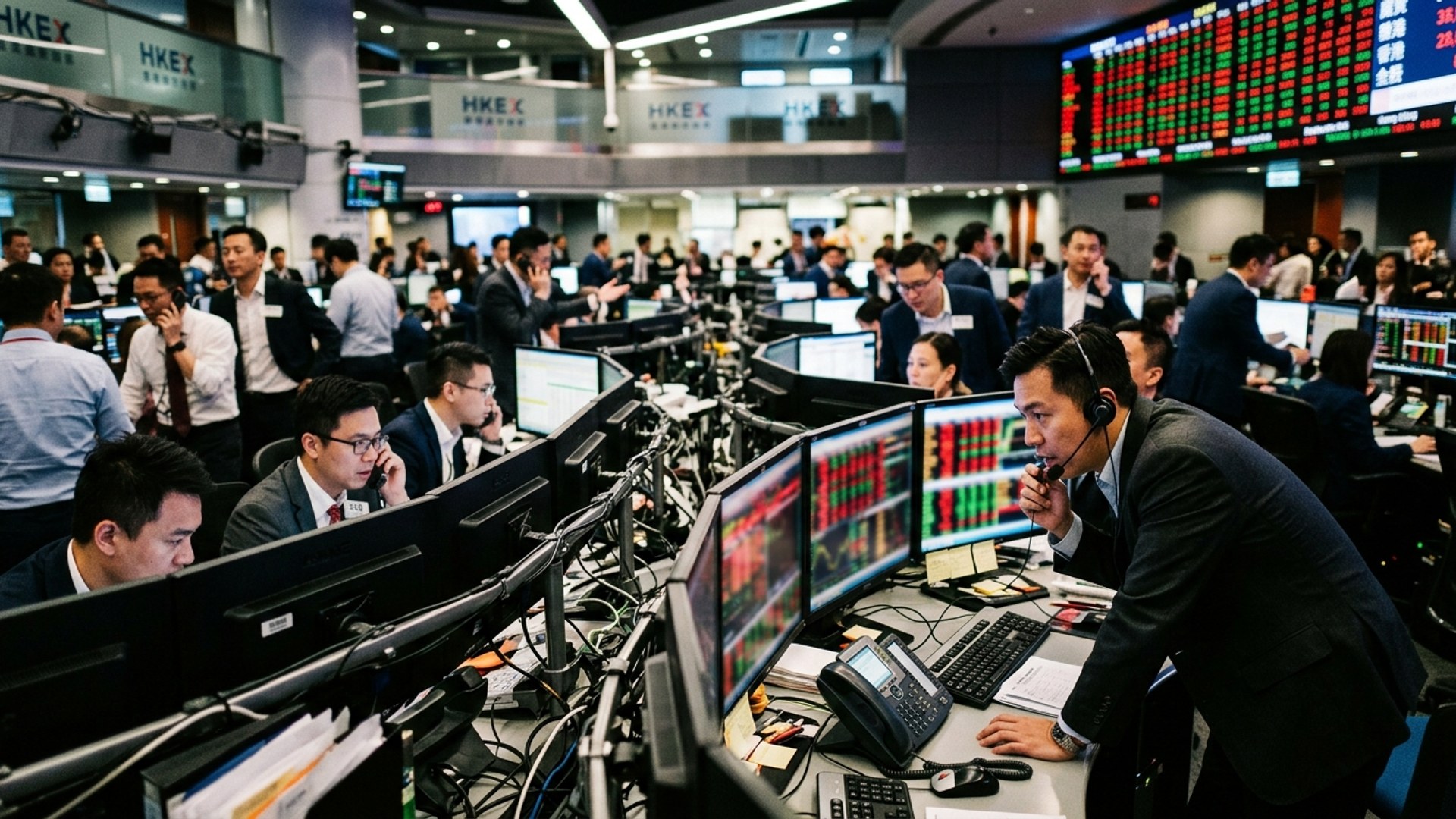
Baidu, Inc. said its voluntary conversion from secondary to dual-primary listing on the Main Board of The Stock Exchange of Hong Kong Limited became effective on September 1, 2026, making the Beijing-based AI company dual-primary listed in Hong Kong and on the Nasdaq Global Select Market.
The company announced the effectiveness in an issuer release dated August 31, 2026, and stated that its ordinary shares listed in Hong Kong and its American depositary shares listed on Nasdaq will continue to be fungible, meaning they remain interchangeable across the two venues.
What the Conversion Changes
Baidu had said in an earlier announcement that the conversion does not involve any issuance of new shares or fundraising activities by the company. The stock marker “S” was removed from the company’s stock short names for both the Hong Kong dollar and renminbi counters on the Hong Kong Stock Exchange with effect from September 1, 2026.
As a dual-primary listed issuer, Baidu must now comply with all relevant Hong Kong listing rules applicable to such issuers. The company said it had taken the necessary measures to comply, including changing the composition of its Audit Committee and its Nominating and Corporate Governance Committee, and obtaining the required shareholder approvals.
According to the company’s exchange announcement filed with its Form 6-K, several waivers and exemptions previously available to Baidu as a secondary-listed issuer lapse with the conversion, covering matters such as printed corporate communications, monthly returns, disclosure of interests, and the company’s status under Hong Kong’s takeovers code. In connection with the conversion, the Hong Kong Stock Exchange granted Baidu a set of replacement waivers, including:
- Permission to appoint joint company secretaries for a three-year period from the effective date. The company appointed Lin Juan, its head of investor relations and board secretary, alongside Wong Mei of Computershare Hong Kong Investor Services Limited.
- Continued relief from identifying the ultimate beneficial owners of Integrity Partners V, LLC, an entity affiliated with an early-stage investor that backed Baidu before its 2005 U.S. initial public offering. The company said the entity held 100,320 Class B ordinary shares, representing less than 0.1% of voting rights, and that it has undertaken not to issue it additional Class B shares.
- Relief from certain continuing connected transaction requirements covering the contractual arrangements through which Baidu operates businesses subject to Chinese foreign-investment restrictions.
- Permission to set the exercise price of share options exercisable into American depositary shares by reference to the shares’ closing prices on Nasdaq rather than in Hong Kong, and to continue using U.S. accounting standards.
Approvals and Corporate Changes
Baidu’s board approved pursuing the conversion on July 16, 2026, saying at the time it expected the change to become effective within the year and believed the dual-primary listing would enhance the liquidity of its securities, broaden its investor base, and provide greater flexibility in accessing both capital markets.
The company held an extraordinary general meeting in Beijing on August 26, 2026, where all proposed resolutions were duly passed, securing all necessary shareholder approvals for the conversion.
The 6-K filed on August 27, 2026, signed by Chief Financial Officer Haijian He, included Baidu’s sixth amended and restated memorandum and articles of association, adopted by special resolution on August 26, 2026, and effective September 1, 2026. Under those articles, each Class A ordinary share carries one vote and each Class B ordinary share carries ten votes on matters put to a general meeting.
Baidu operates under a weighted voting rights structure. One Baidu American depositary share represents eight Class A ordinary shares. The company, founded in 2000, describes itself as a leading AI company with a strong internet foundation, and it completed its initial public offering and listing on Nasdaq in 2005.


