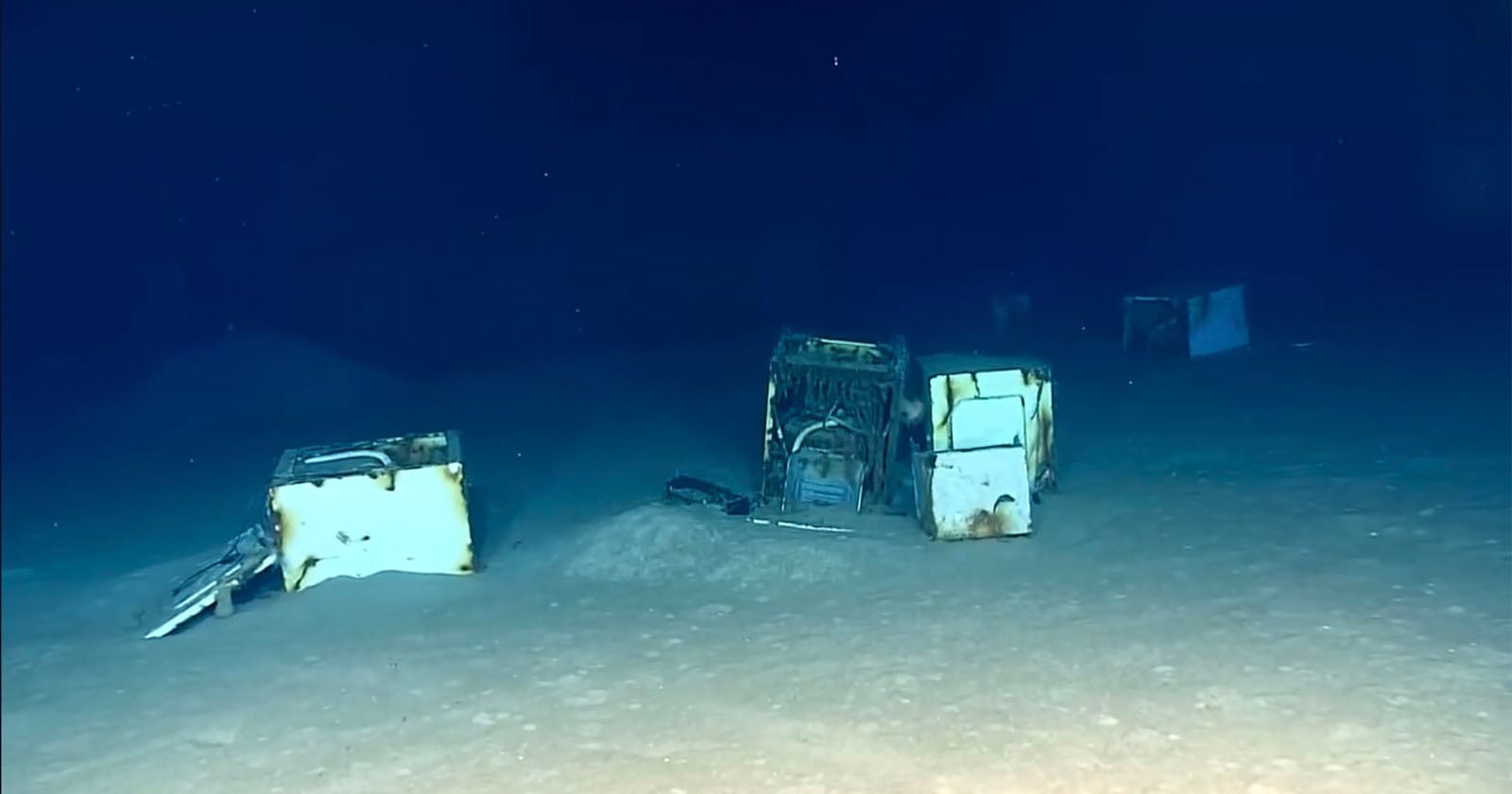
The U.S. National Oceanic and Atmospheric Administration (NOAA) has released fascinating footage filmed back in 2017 of an underwater expedition that didn’t quite go as planned.
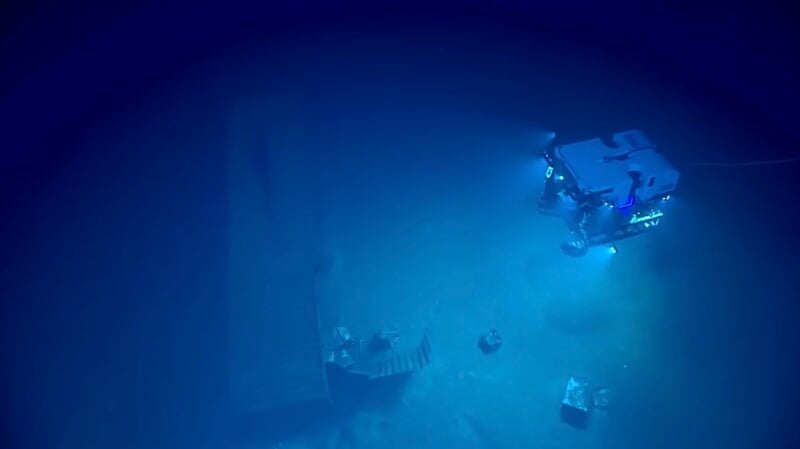
The NOAA sends underwater remotely operated vehicles (ROVs) to explore the deep ocean. During this particular expedition in the Gulf of Mexico, the crew was searching for what they thought was a shipwreck; the boat’s sonar had detected a structure just under a mile down.
Science Alert reports that it bore the telltale signs of a sunken ship because there was a large structure surrounded by smaller objects.
“Today is truly a day of exploration as we send the ROV over to this unknown sonar target,” says an excited crew member as the ROV glides toward the wreck.
But as the ROV — which is connected to the mothership with a long wire — gets closer, it becomes apparent that instead of ancient loot lying on the seabed, it’s a far more modern cargo.
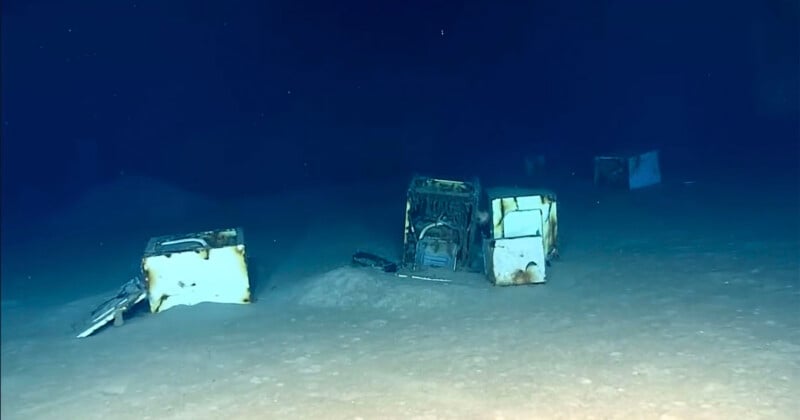
“They look like freezers or refrigerators,” a crew member can be heard saying. It then becomes clear that the items are all washing machines. “I don’t think the spin cycle is going to be working on them,” jokes one crew member, to much laughter.
As the crew discovers, the large structure they hoped was the hull of a ship was actually a shipping container that was holding the washing machines.
Thousands of shipping containers are lost at sea each year due to storms, rough seas, and even hot oceans that cause bigger waves.
“Most people out there probably don’t realize how much stuff ends up in the ocean,” a NOAA crew member says.
“The research has suggested that lost containers could take hundreds of years to fully degrade in the deep ocean if not more,” adds another crew member.
The NOAA crew made sure to capture cargo information that can identify the companies behind the lost crate.
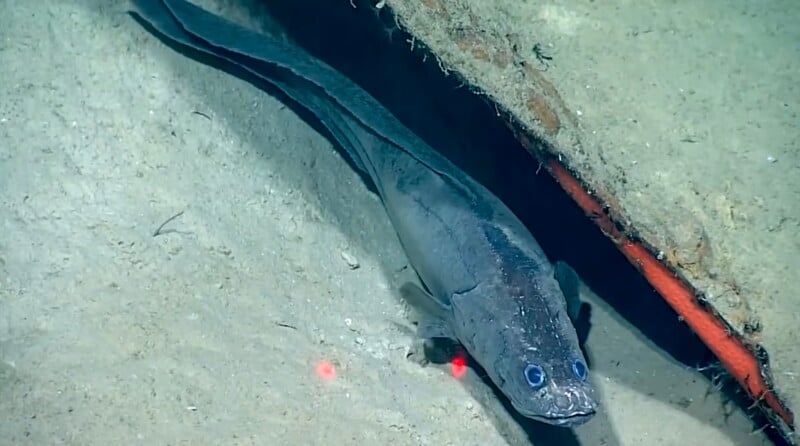
By reading the serial numbers, the crew discovered that these washing machines were last made in 2002, meaning the shipping container dropped into the sea sometime around the turn of the millennium.
“You think of the deep sea as a fairly untouched place, but this is just a reminder that it really is not,” says one crew member. “We still manage to have an impact on this very alien area and ecosystem.”
Image creditsNOAA
Affiliate Disclosure PetaPixel articles may include affiliate links; we may earn a commission if you buy through one.


