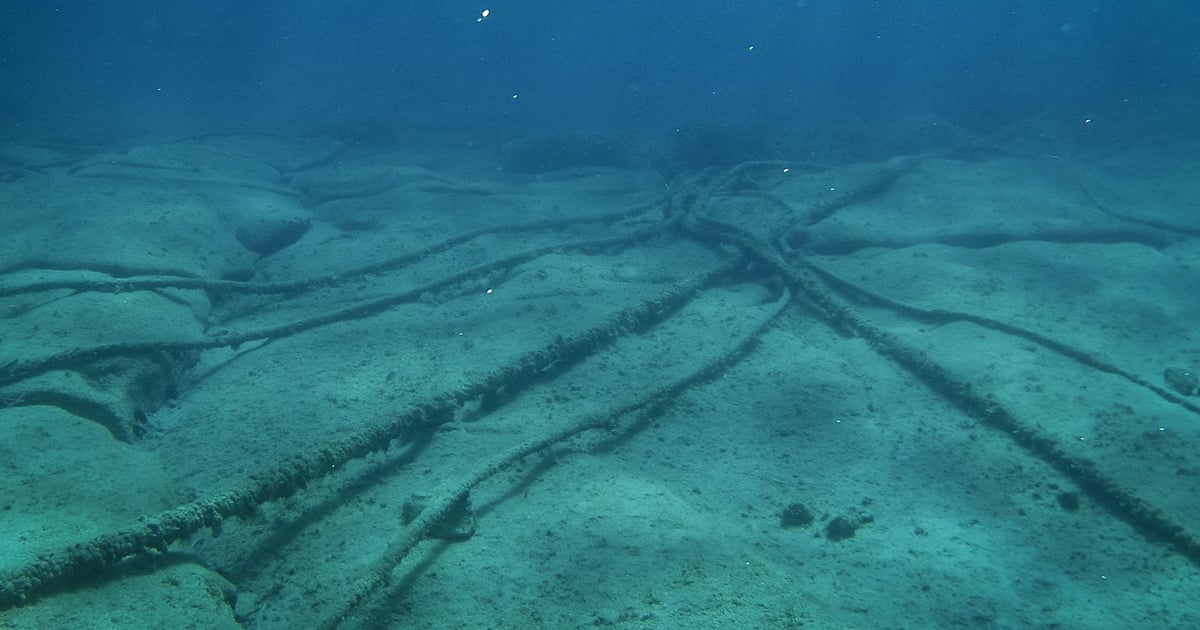
A major submarine cable break has been identified on Vocus’ Australia-Singapore Cable (ASC), disrupting connectivity between Perth and Singapore with Internet traffic rerouted via alternate paths such as Australian east coast cables moving through Japan or the United States.
The cable break, first detected last Friday, occurred in Indonesian waters between Anyer and Singapore, knocking out wavelength and Ethernet services. Vocus has obtained an accurate measurement of the cable break after conducting COTDR (coherent optical time domain reflectometry) testing from its Perth landing station. The company is working closely with a marine repair partner to plan the repair.
“This includes technical review of the latest diagnostic results, confirmation of the required spare materials, and coordination of the necessary permits and regulatory approvals,” Vocus said in its latest status update issued on Monday, September 7.
The 4,600km ASC system, which was officially launched in 2018, connects Perth and Singapore with links to Christmas Island and Indonesia. It provides an alternative and direct high-capacity route to Asia Pacific, as well as alternative connections to Europe and the United States.
Vocus designed, built and operates the ASC system.
Meanwhile, local news outlets reported that the ASC cable break may explain Melbourne-to-Singapore traffic detouring through the United States, Japan and Hong Kong, with latency reaching 400ms.
Shunt faults in the Indigo cables
The ASC cable break is the second major subsea cable incident on the Perth-Singapore route in the last four weeks.
On August 8 and 9, Indigo West and Indigo Central suffered shunt faults inside the Submarine Cable Protection Zone, a marine corridor off the coast of Perth where activities such as anchoring and dredging are prohibited to protect critical infrastructure.
A shunt fault in a submarine cable occurs when the outer protective layers and internal electrical insulation are damaged, exposing the metallic power conductor to seawater and creating an electrical short circuit.
Subco, the owner of both Indigo systems, reported the incident to the Australian Federal Police (AFP) as a potential crime.
In a LinkedIn post, Bevan Slattery, founder and co-CEO of Subco, wrote that the shunt faults were detected “straight after each other and in close proximity to each other”. He also pointed out that a ship tracking chart showed what he described as “some suspicious/coincidental activity from a vessel near the location and timing of the shunts”.
“Indigo West and Central do not have FiberSense installed and unfortunately, the consortium will not know the root-cause until the cable is recovered during repair,” Slattery wrote. While noting the incident may be a coincidence, he argued that “it’s important for the Australian Federal Police to investigate the issue urgently.”
The AFP confirmed that it is looking into the incident.
“The AFP has received a report of crime in relation to this matter. This report is currently being assessed based on the information provided. Further comment will be made at an appropriate time,” an AFP spokesperson said, as quoted by iTnews Australia.


