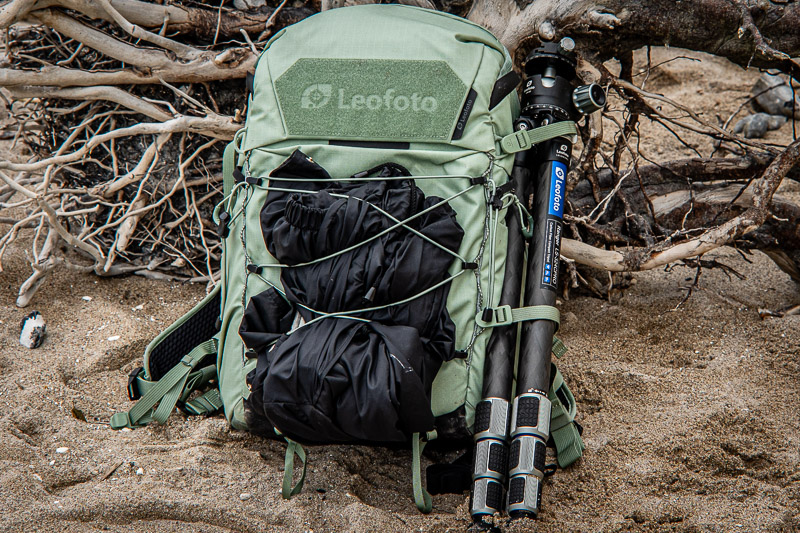
Introduction
One thing photographers never seem to have enough of is a really good camera bag or backpack. There is always something missing, and we’re always looking for that ultimate bag that does everything right.
I’m not sure if such a thing exists, but the Leofoto 25L All-in-One Backpack might come pretty close. Designed with photographers, commuters, and travelers in mind, Leofoto promises rugged protection, smart organization, and everyday versatility. In this review, we’ll take a closer look at what it has to offer.
 You can see this review as a YouTube video here!
Disclosure
Leofoto kindly provided this lens for test and review purposes.
Specifications
Weight:
|
|
| Volume | 25L |
| External Dimensions (H x W x D) | 480 x 335 x 240 mm |
Insert External Dimensions
|
|
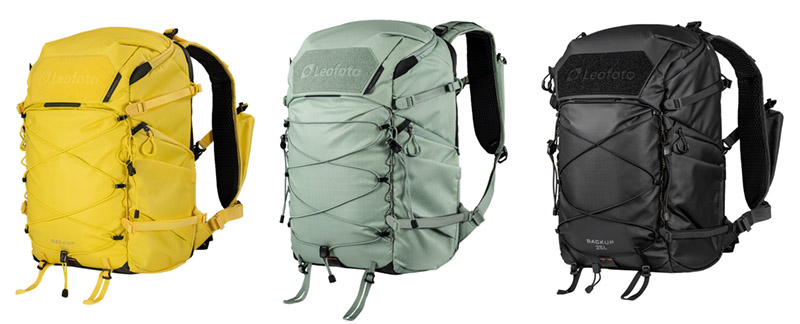
| Color | Yellow, Green, Black |
| Material | Nylon, PU,Synthetic Fabric |
| Water Repellent | Yes |

Variations
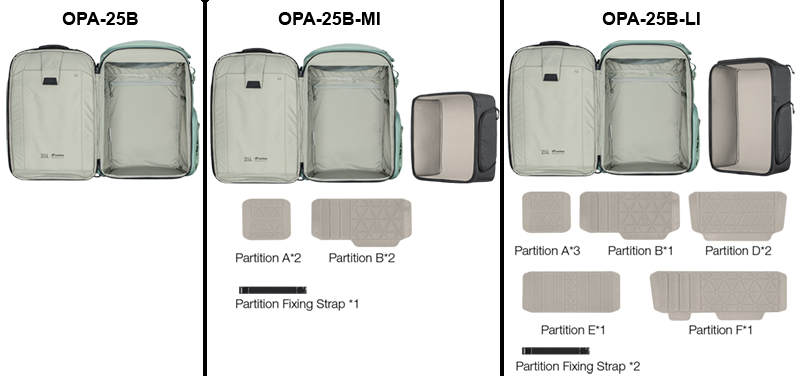
This 25-liter backpack comes in three colors, each available with a smaller or larger camera gear insert, or without one at all. I am reviewing the green version with the large insert.
Handling and Build Quality
The backpack feels rigid thanks to its 3D-curved aluminum frame. The exterior is made of coated, water-repellent nylon designed to resist rain, dust, and scratches, while the base is reinforced to better withstand rough terrain.
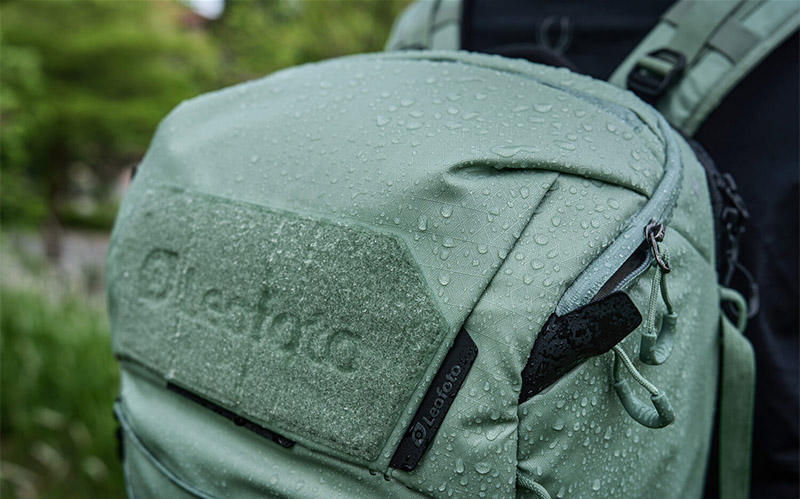
A rain cover is also included and can be used to protect the backpack and its contents during heavy rain, even for several hours. There is also a compartment for a hydration bladder, although the bladder itself is not included.
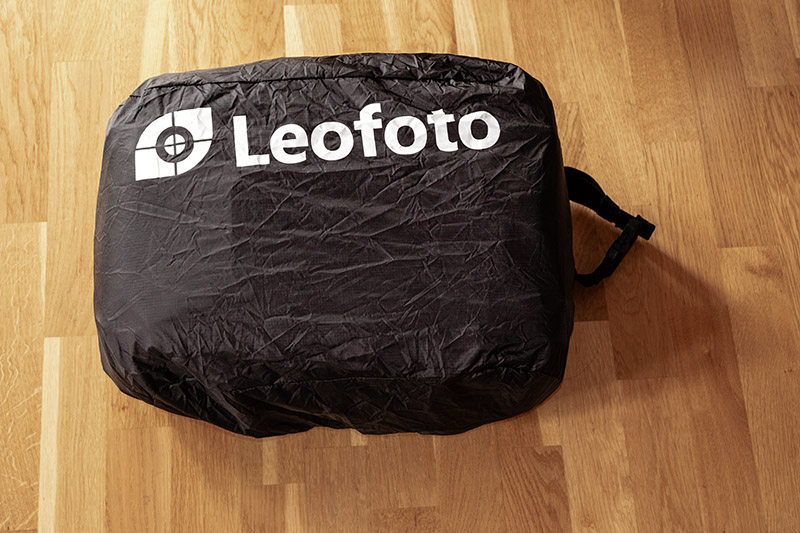
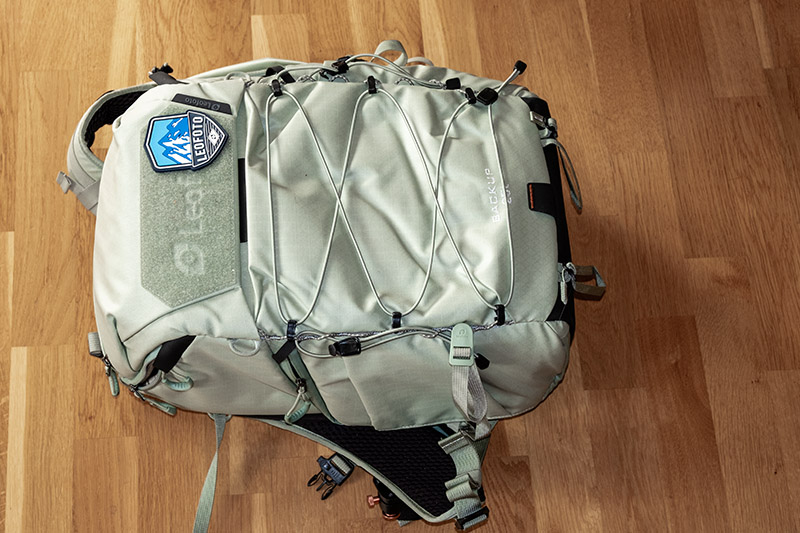
Rain cover
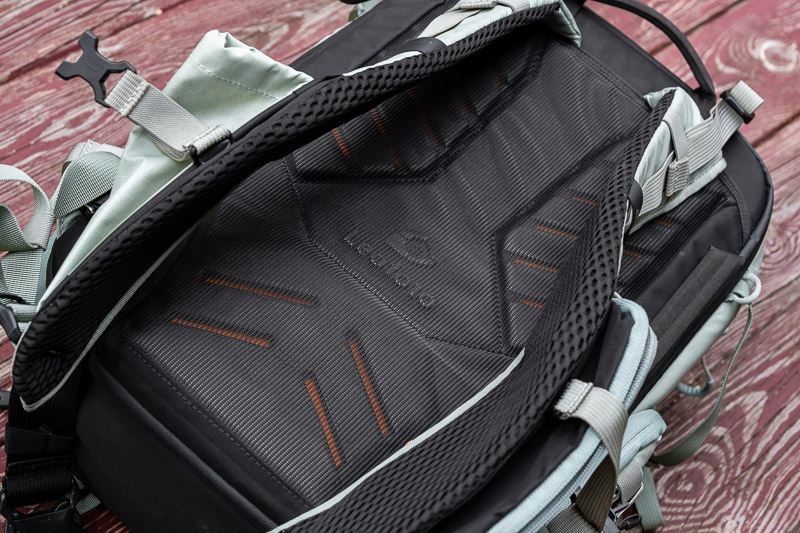
The back panel and the shoulder strap linings are made of elastic mesh and are padded and ventilated. The shoulder straps also have load stabilizers and can be adjusted to fit people between 150 and 190 cm tall.
The backpack uses Japanese YKK zippers, known for their reliability and durability, while the top flap features a Velcro panel that can be used for badges or other personalization.
The larger insert, which is the one I’m reviewing, has multiple dividers that can be arranged to suit your needs and organize the compartments in different ways. Here are two possible configurations. The main opening flap also has two large pockets for a laptop and tablet.
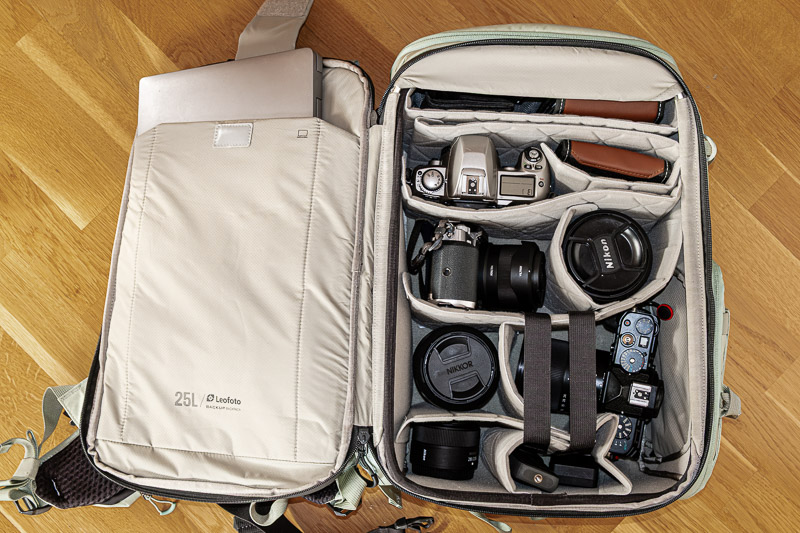
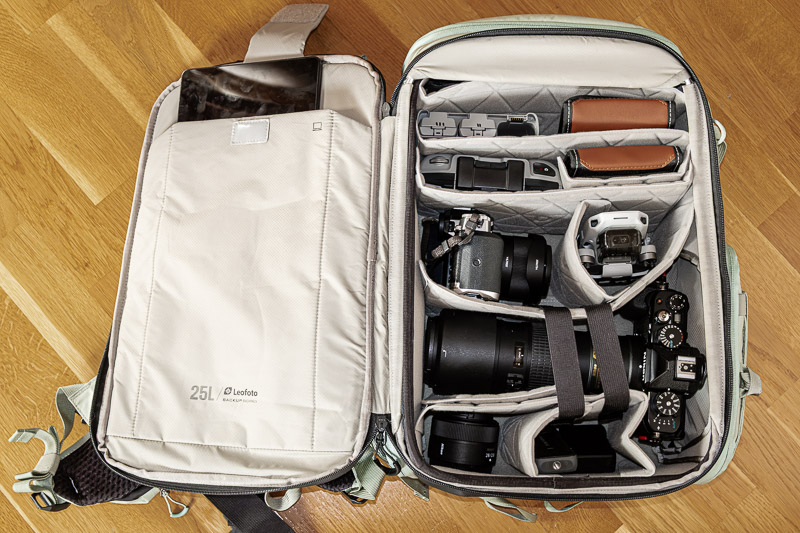
Two possible configurations of the insert
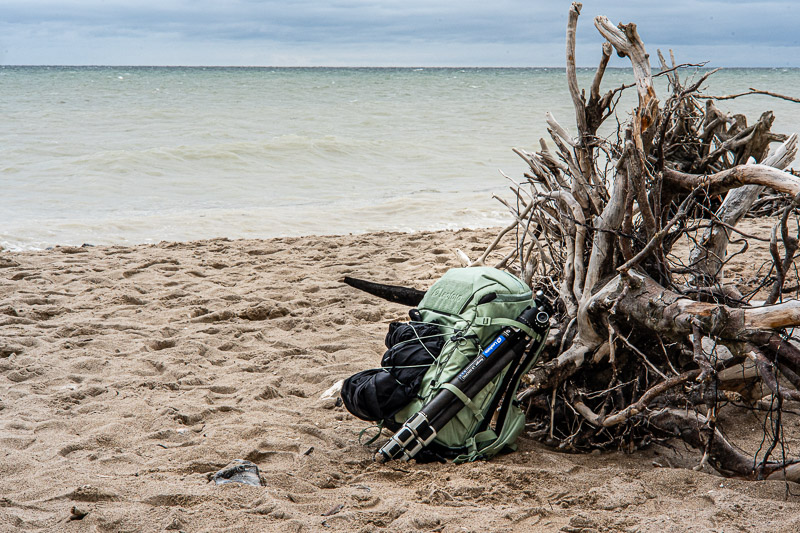
There are two bottle holders, one on each side, which can also be used to carry tripods.
Side pockets for water bottles or triped
There are three ways to access the gear inside. The main opening allows you to open the backpack completely and access everything at once. There is also a side opening, which lets you access the camera without having to open the entire backpack, as well as a top opening for quick access to the upper section.
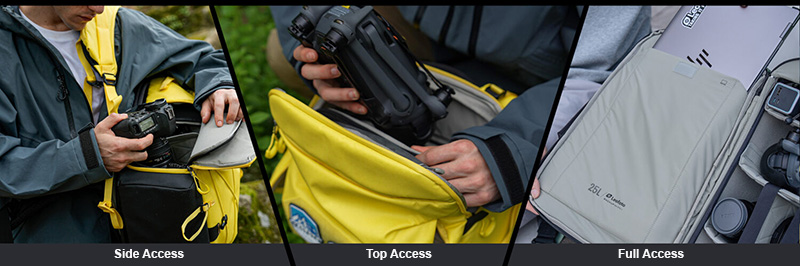
The backpack also has several practical details worth mentioning. The shoulder strap has a quick-access camera mount. There are also several integrated pockets for smaller items, including dedicated compartments for extra batteries and memory cards. A zippered pocket on one shoulder strap can hold a mobile phone or passport, while the other strap has a pocket for a small bottle.
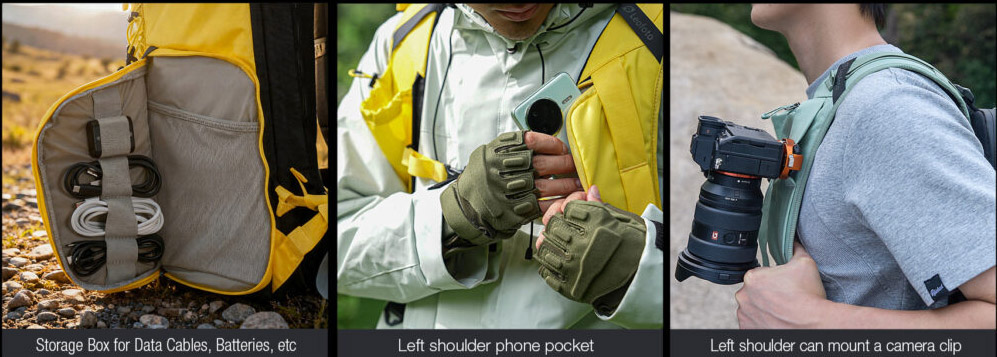
Besides the zippered pocket on the side, there is also a zippered pocket on the top.
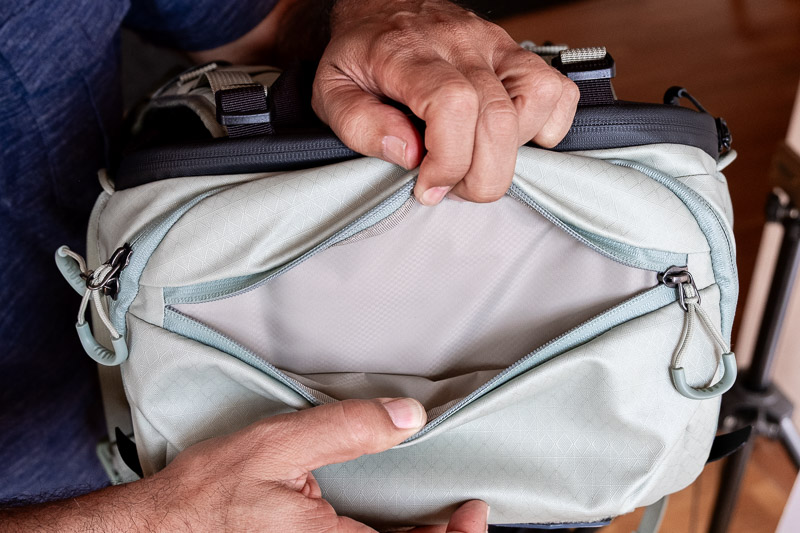
On the reverse side of the top access flap, there is another zippered, see-through mesh pocket with additional dedicated compartments for memory cards. There is also a small, fixed carabiner for keeping a key ring securely inside the pocket while still allowing easy access from the top.
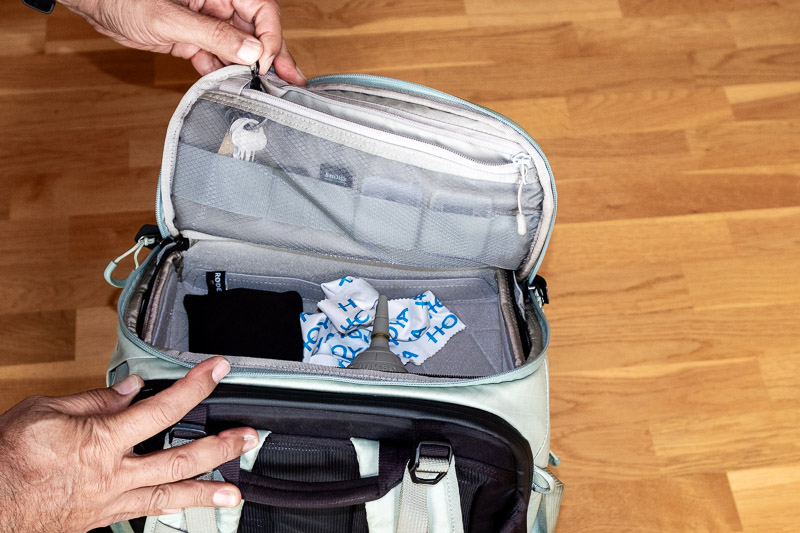
There are also side and bottom attachment points for tripods, poles, or additional gear. The front panel also has a bungee cord system consisting of crisscrossed elastic cords, allowing you to quickly tuck a wet raincoat, windbreaker, or bike helmet underneath and secure it in place.
There are two grab handles on the backpack. One is located at the top center, between the shoulder straps, for hanging the bag on a hook or carrying it by hand in a vertical orientation. The other is located on the side for carrying it horizontally.
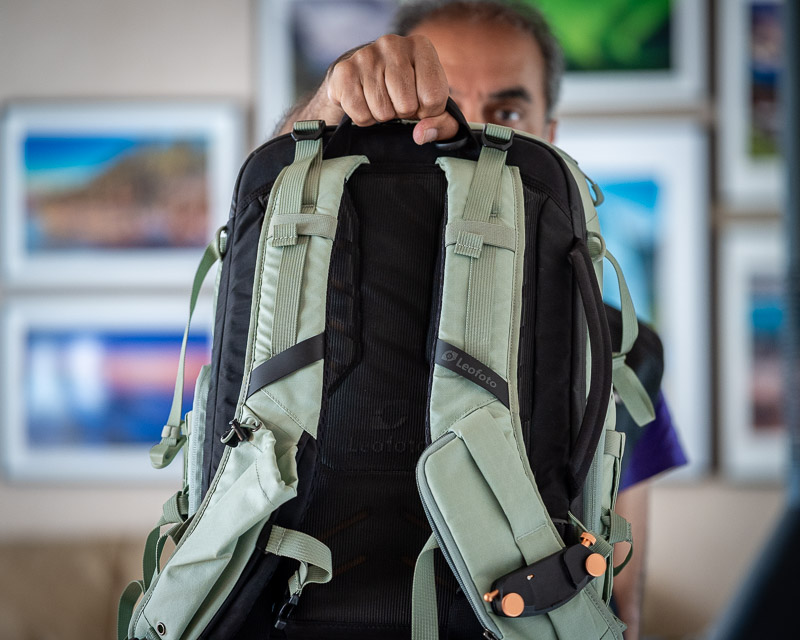

Two grab handles
For travel, the backpack includes anti-theft zippers and a hidden pocket for an AirTag.
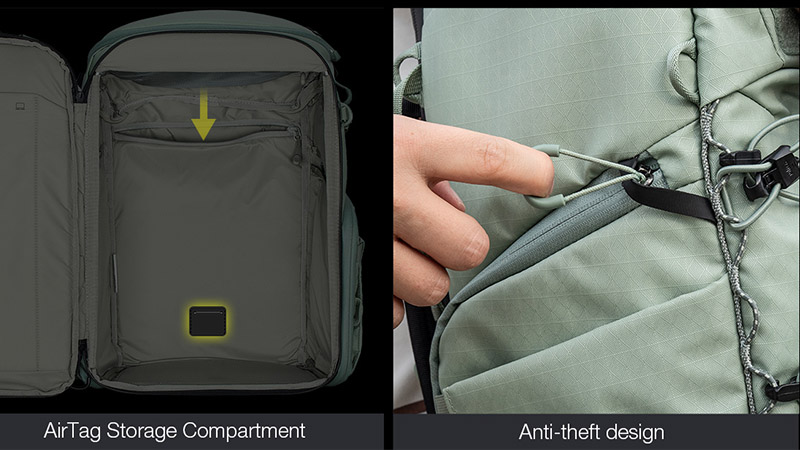
Field Experience

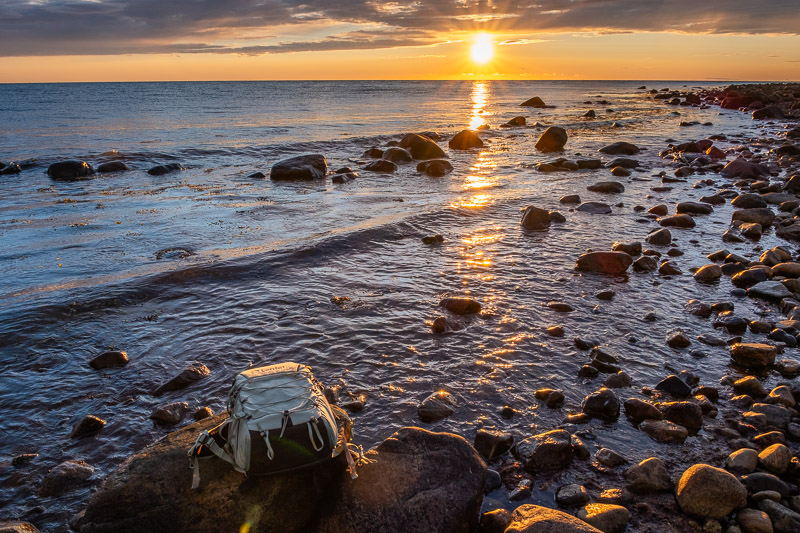
I had the backpack with me on two trips, as well as on several day hikes and city photography excursions. This gave me plenty of opportunity to use it in different situations and get a good sense of how it performs in real-world use.
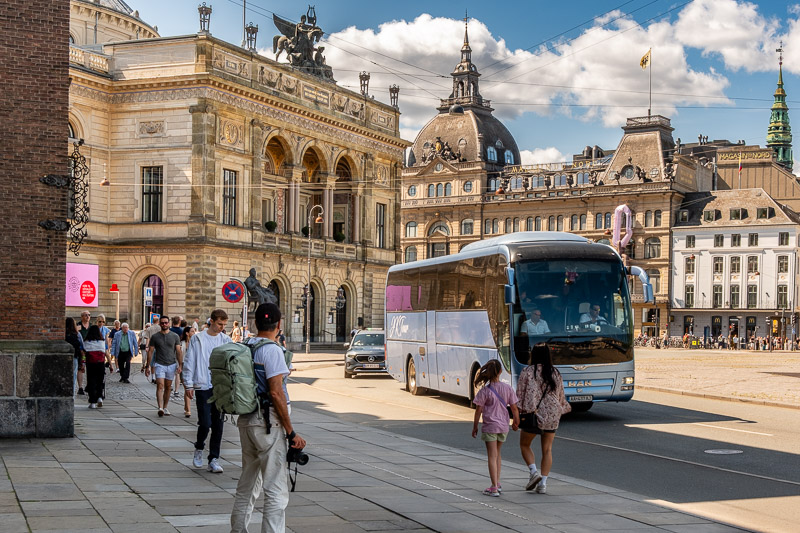
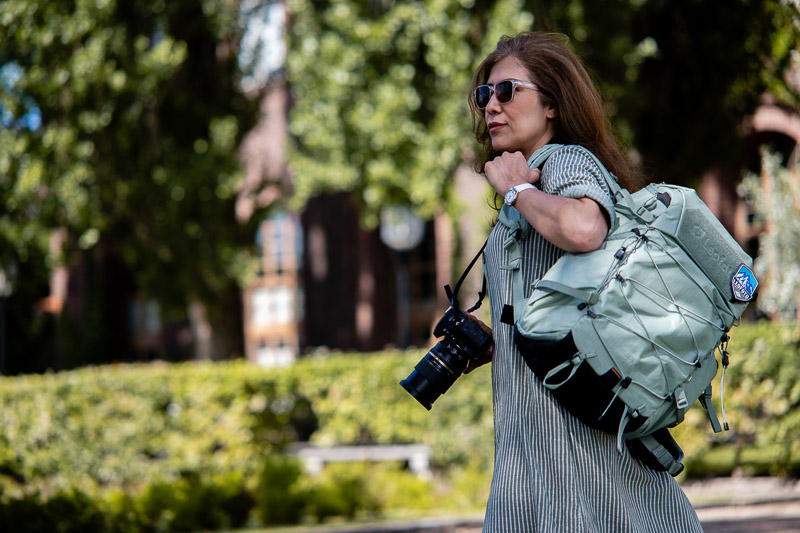
I also let a couple of my photographer friends to use it and tell me what they thought,
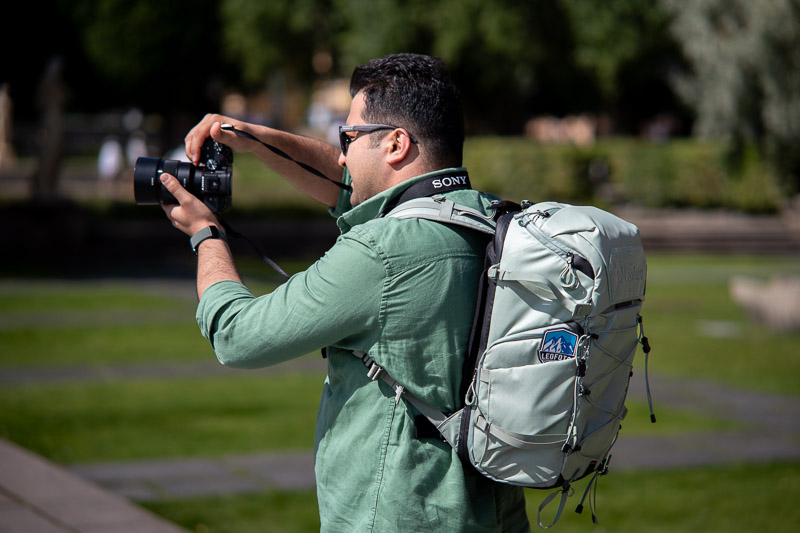
The backpack is a medium-sized backpack. It is larger than the smaller backpacks designed to carry a camera and one or two lenses, as I was able to carry three camera bodies and five lenses, along with batteries, table tripods, a hand grip, a cleaning kit, a sandwich, a water bottle, and some other smaller items during my trips and excursions. At the same time, it is not among the larger backpacks that can carry, in addition to camera gear, the clothing and food you would need for a longer hike or trip. Leofoto also offers a smaller 17-liter and a larger 35-liter backpack for those situations.
Carrying the backpack was comfortable thanks to its shape, adjustable straps, and cushioning, and it retained its form well while keeping the gear inside organized and in place. I appreciated the extra grab handle for carrying the backpack horizontally. When carrying a backpack by the top handle, the shoulder straps can often drag on the ground, but with this handle, that happened much less frequently. I also liked the numerous pockets for keeping different items organized, and I especially appreciated having three different ways to access the backpack.
Knowing that it is scratch- and water-resistant also gave me some peace of mind when using it outdoors.
Conclusion
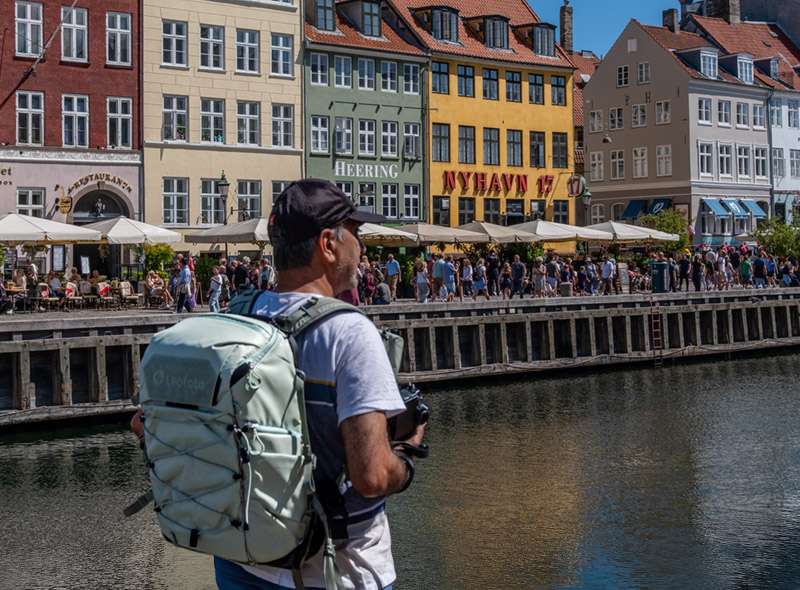
The Leofoto 25L All-in-One Travel & Camera Backpack is a spacious backpack that can easily carry almost all the gear you need during photography trips and excursions. It is comfortable, with smart features and plenty of pockets and attachment points for organizing and carrying your gear and other belongings.
For me, the 25L capacity strikes a good balance. It is large enough to carry what I need for a full-day hike with different photography opportunities, without being so large that it becomes cumbersome during a city excursion or when sitting in a café, restaurant, or on a bus or train.
It looks and feels solidly built, and I think it looks quite good too. Since I don’t usually go on multi-day hiking trips, and when I do, I have a hotel room as a base to return to every night, the size of this 25L backpack is more than adequate for carrying everything I need, and then some.
It also gives me enough room when I need to carry more than one camera and two lenses, while the many pockets and other features make it easy to keep everything organized.
Overall, I think the Leofoto 25L offers a good balance between capacity, organization, and portability. If you are looking for a backpack that can handle a substantial amount of photography gear without becoming excessively large for everyday use, this could be worth considering.
Writing articles like this one is both time-consuming and costs us a lot of money. If you found this article helpful and decided to buy one of these lenses, please consider using one of the affiliate links.
If you found this article useful, interesting, or it saved you money, consider supporting our work. You can make a donation or buy us a coffee —every contribution is greatly appreciated.

Further Reading
Support Us
Did you learn something new, find this article useful, or simply enjoy reading it? We’ve put a lot of time and resources into creating it, and your support helps us keep going. If you’d like to show your appreciation, please consider clicking the Donate button!



(Donations via Paypal or bank card)
Or alternatively support us via this link.
What’s in my camera bag? MY 2026 KIT!!
This site contains affiliate links, for which I may receive a small commission if you purchase via the links at no additional cost to you. This helps support the creation of future content.


Martin M.H. lives outside Stockholm, Sweden. He is a M.Sc. in Computer Technology but he has been a passionate photographer for over 50 years. He started his photographic adventures when he was thirteen with an Agfamatic pocket camera, which he soon replaced with a Canon rangefinder camera that his mom gave him in his teenages. After that he has been using Canon SLR, Nikon SLR manual focus and Autofocus, Sony mirrorless crop sensor, Nikon DSLR and Nikon Mirrorless. He has photographed any genre he could throughout the years and you can see all kind of images in his portfolio. During the later years though it has been mostly landscape, nature, travel and some street/documentary photography.


