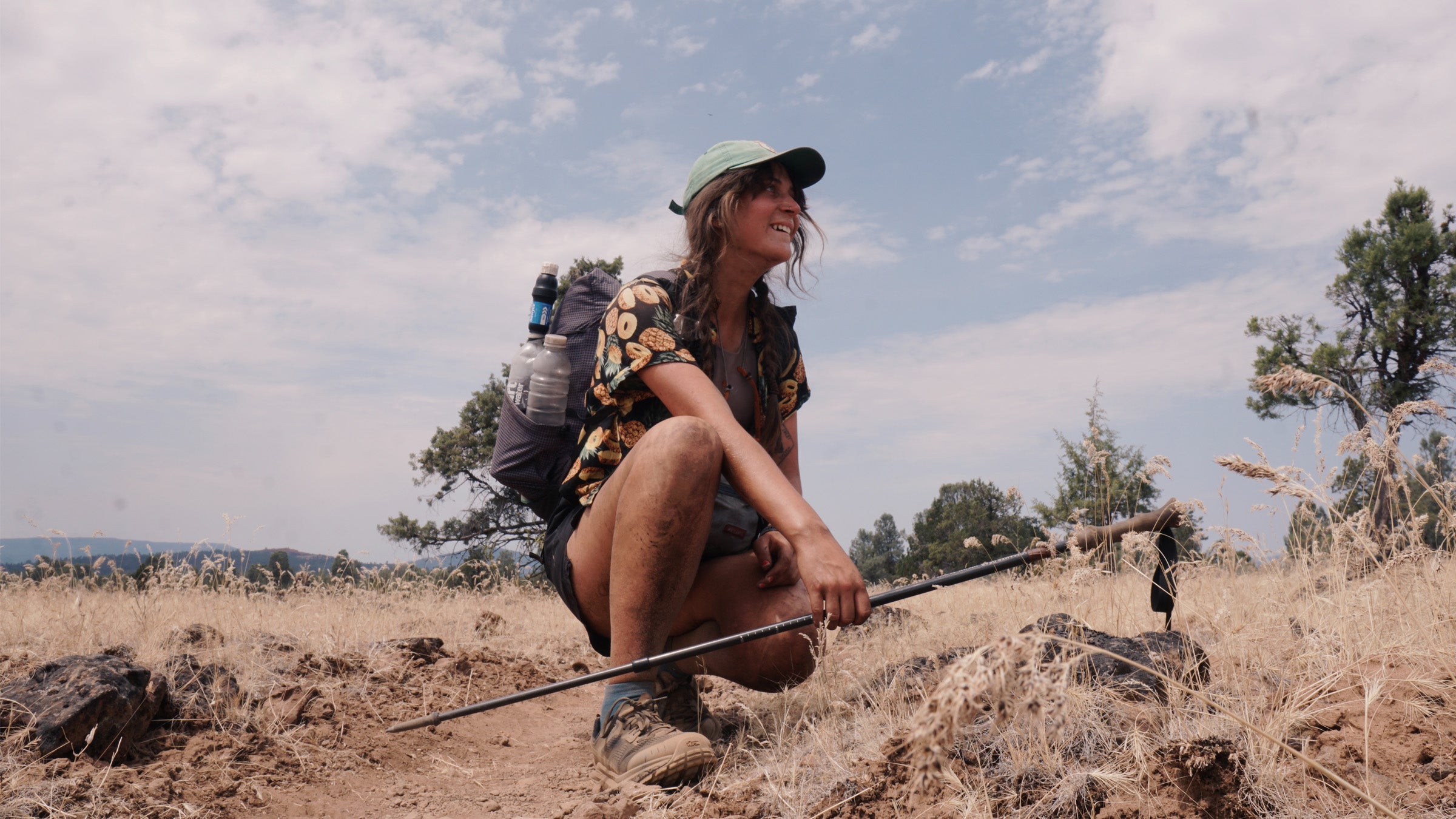
After 13,000 miles of drinking the ultralight Kool-Aid, here’s what I’ve added to my pack.
(Photo: Ayesha Cording)
Updated September 17, 2026 12:51PM
How we reported this story: Author Ayesha “Heaps” Cording is a thru-hiker who has completed the Pacific Crest Trail three times, as well as other long trails including the Continental Divide. She assembled this list of gear swaps after thousands of miles of trail.
On my first PCT thru-hike in 2016, I found myself running into a storm with my arms tucked inside a sleeveless gas station poncho. I’d thrown out my heavy rain jacket, telling myself I’d buy a lighter one in the next town. Everything in my pack was already wet, thanks to the badly pitched poncho-tarp I’d lain awake under the night before. Shivering on the trail, I was trying to decide whether I’d rather freeze with my arms exposed or risk face-planting with them inside. By 2025, I had added a full 13.85 ounces back onto my gear list for the sake of my sanity.
It’s a well-worn pattern among ultralight backpackers: We strip back to the absolute bones, only to eventually add weight back. The pillow we swore we didn’t need, the warmer pad, the bug net, or the sleep socks. After enough miles, the question changes from “Can I live without this?” to “What am I giving up by saving the weight?” That is the ultralight rebound.
A decade and several thru-hikes later, I’m still a card-carrying gram nerd, but my pack looks a little different; here’s the gear I’ve added back.
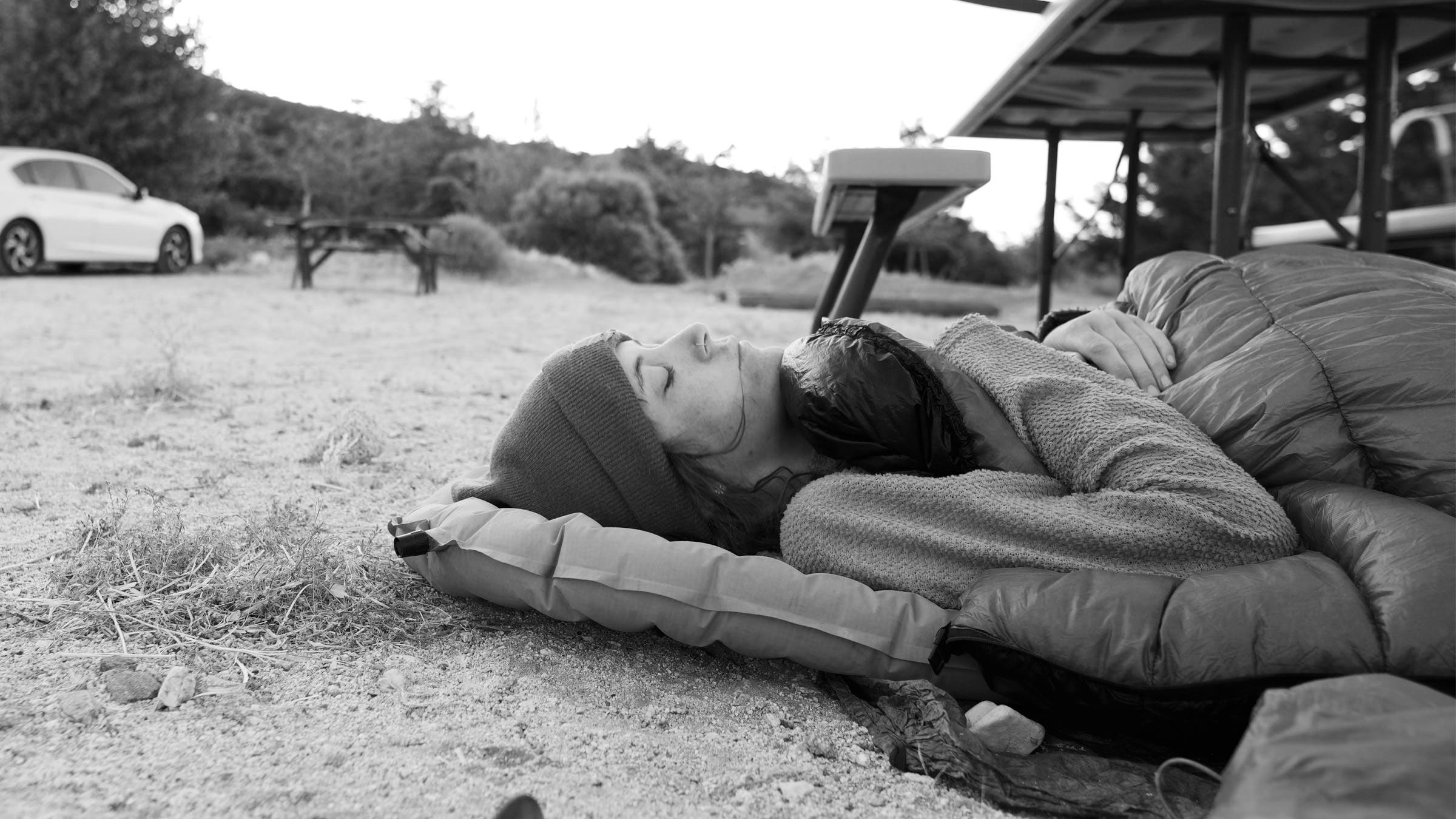
A full-length sleeping pad
I’ve never possessed the ultralight superpower of sleeping on foam. I wish I could throw an 1/8-inch pad on any patch of dirt and just sleep. Instead, I ruined a perfectly fine air pad trying to make it torso-length to save a few ounces. It didn’t seal properly with my cheap hotel iron, so I spent 400 miles waking up deflated on the ground. The three-ounce weight penalty over my botched half-pad is barely noticeable in my pack, but I do notice it when I sleep. It feels decadent to stretch my legs out on a warm pad instead of resting them on my lumpy pack or in the freezing dirt, and I actually feel rested and recovered the next day.
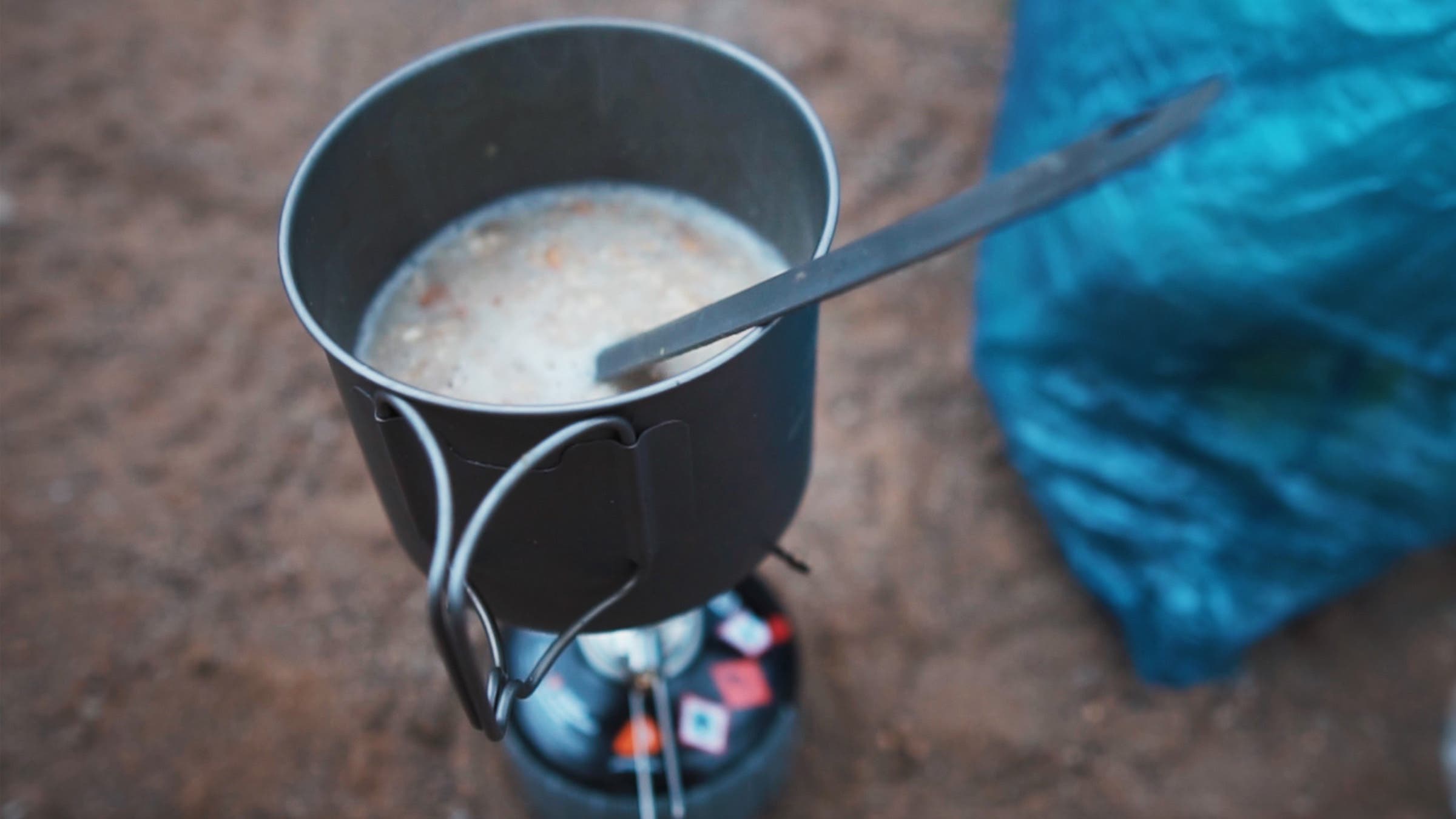
A cook system
A stove was the “luxury” item I resisted longest. For years, I cold-soaked everything, resorting to eating out of a Ziploc bag so I didn’t have to carry a cold-soak jar. (Even my fellow ultralight zealots thought I had gone too far.)
Then came September on the CDT in Colorado, when ice froze thick on both the inside and outside of my tarp overnight. Suddenly, a stove became a necessity for sleep. It meant the comfort of hot meals before bed and cradling a Nalgene full of boiling water tucked deep inside my quilt.
Even Ray Jardine, the granddaddy of ultralight, eventually came around on the stove. Reflecting on his 1993 Appalachian Trail hike, he told Backpacker that the decision was “too bold” and that “the weight savings wasn’t worth it.” If the granddaddy of ultralight came around on the stove, I figured I can carry the tiny burden of the Soto Amicus to keep warm.
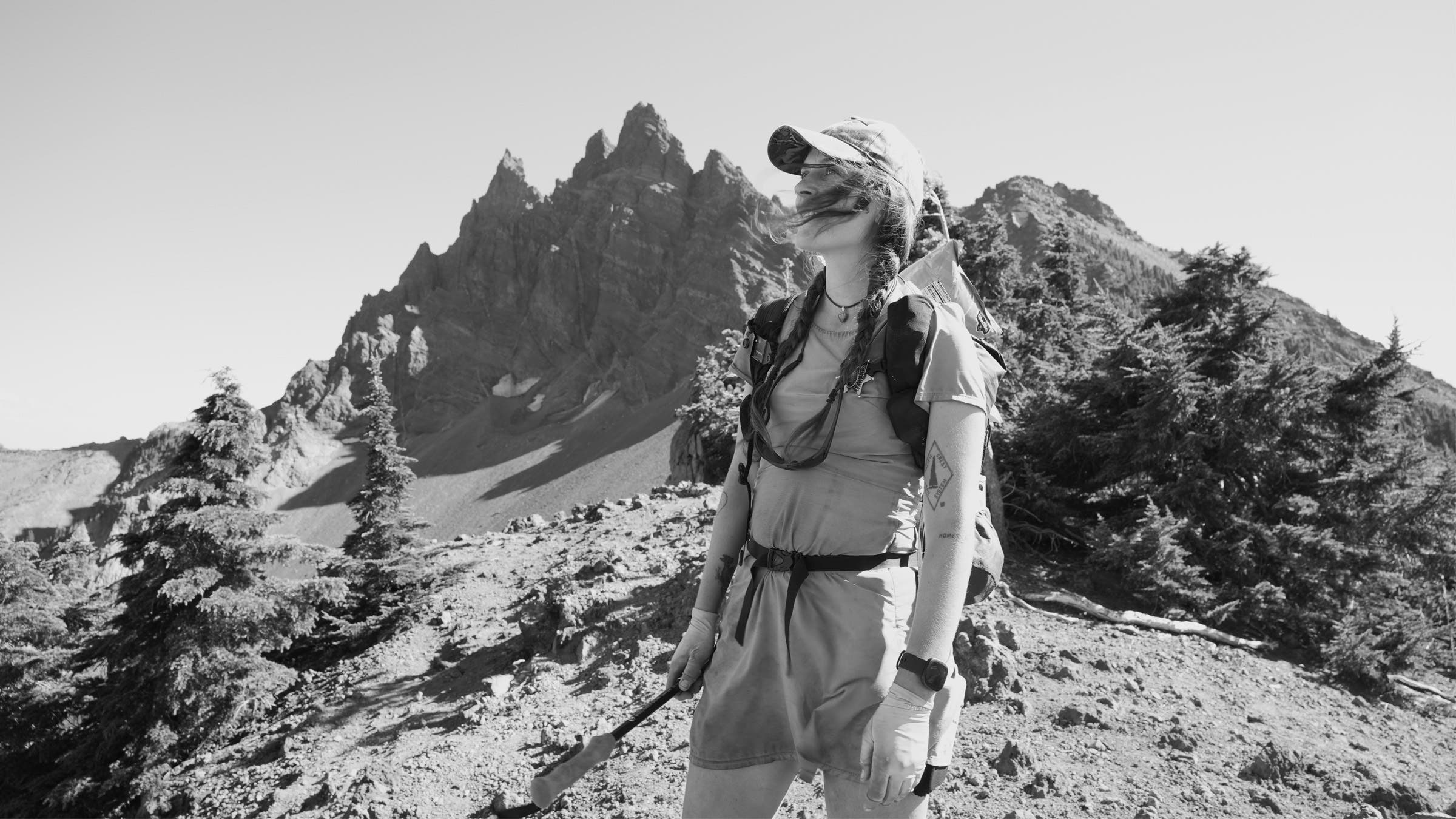
A padded hipbelt
Ten years ago, I shortsightedly hacked the hipbelt off my Hyperlite Windrider to “free the hips,” buying into the questionable mindset that the more miserable you are, the cooler you look. Three UL packs later, my shoulders protested. I started having nerve issues and eventually added a detachable hipbelt to my current pack, the Meadowphysics Crane. My shoulder is healing, the weight is better distributed, and longer food and water carries don’t fill me with dread. And a 2.1-ounce hit to the ego is a small price to pay to preserve my body. I’ll do anything to make sure I’m able to be out there with my legs covered in dirt in another ten years from now.
Wind pants
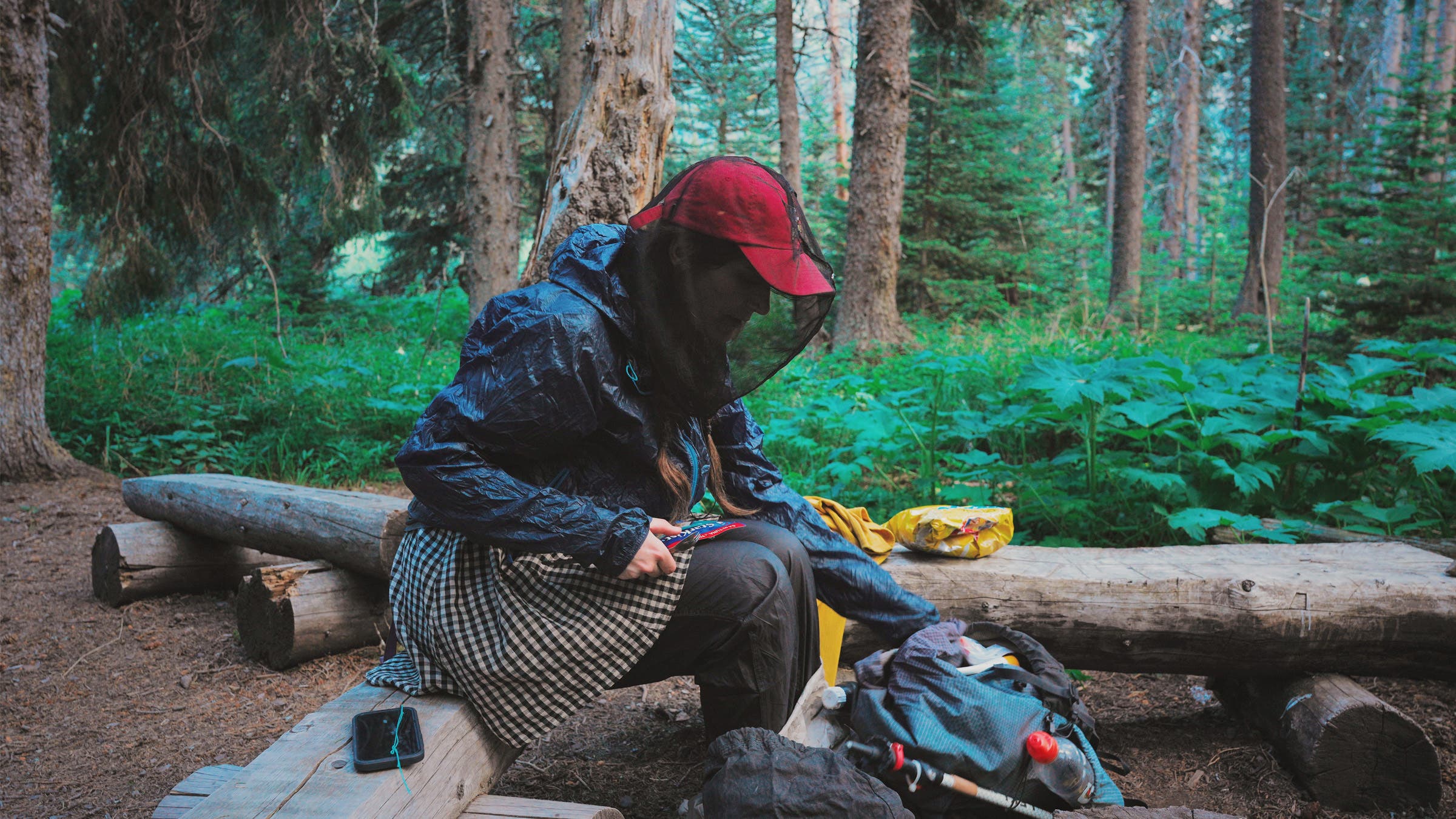
These 3.2 oz wind pants have somehow become one of my non-negotiables. They add warmth while sleeping, keep dirt off my quilt, and mosquitoes off my ankles, but they’re as much a mental buffer as a physical one. After months of being exposed to everything the trail throws at me, even a little bit of protection is sweet relief. Sure, Body Wrappers are dorky and make an obnoxious nylon swish with every step, but I can live with a tiny weight penalty if it means feeling a little more at ease after a long day on the trail.
My years on trail taught me that the lightest possible gear list isn’t automatically the best one. I still snap the handle off my toothbrush and smoosh everything down until my pack resembles a child’s school backpack. But I’ve learned there are worse things to carry than a few extra ounces, and there is something better than bragging rights: the sweet relief of having two dry arms on a rainy day.


