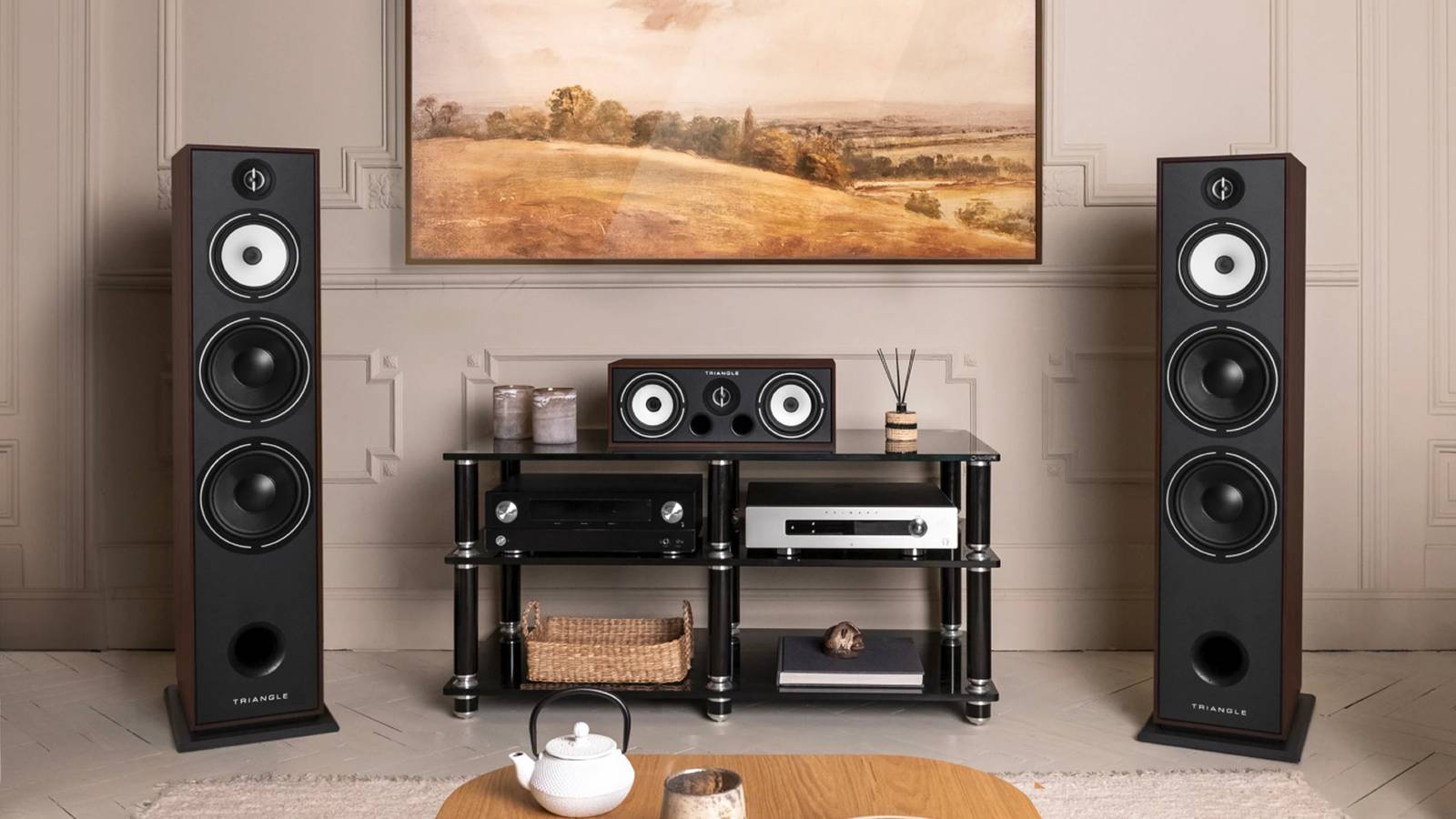
This is the second in a two-part series about purchasing speakers for your home theater. We’re talking about average, everyday homeowners and apartment living, not those with palatial spaces for super high-end, projected home theaters with theater seating. This is for those looking to build their audio system in a living room or “family room” environment. After reading this short article, I recommend heading over here and reading this version so that you can get the clearest picture of how you can purchase according to your desires and limitations.
The reasons for wanting a wired system are actually fairly straightforward, but there are some things you’ll need to consider if that is the direction you’re headed in as you read our soundbar and speaker reviews. Let’s get into it!
Wired is better than wireless
A well-known industry fact

I’ve been reviewing consumer audio products for over a decade, and much of that time has been spent reviewing high-end audio. And as good as wireless standards have become in recent years with LC3, Auracast, LDAC and others, wired audio is still the best option when it comes to detail and clarity.
To the untrained ear, Bluetooth has gotten so much better, and it can be hard to discern the difference between a song that’s been recorded and engineered very well, played back using LDAC or over a wired connection. The difference when we’re talking home theater is in complexity. There are details in a piece of music that are revealed when listening to a great song; utilizing great audio hardware and a home theater speaker system ratchets up the potential amount of details and their complexity in a Dolby Atmos or DTS:X image.
Since you can play back real, lossless versions of both of those surround sound formats with a wired connection, you’re going to get every ounce of detail from 4k UHD Blu-ray discs that your speaker system can deliver, and it won’t be bottlenecked by the available bandwidth of your wireless connection.
Let’s take that a step further! You may not be getting the best sound from a wireless connection due to wireless interference from competing wireless products located near your speakers or soundbar. Or, maybe your wireless router is in a different room than where your home theater system is located. Now, you’re looking at distance and even the building materials used in your walls as possible points of failure. And that interference may not even lead to complete failure. You may experience your speakers being very slightly out of sync, or the audio may drop out randomly from time to time.
While getting through those walls with a wired connection is nowhere near as simple, once you do, you have fidelity. Your audio is in sync, and there should be no dropouts caused by the connection between your receiver and the speakers. Those copper wires aren’t vulnerable to WiFi and radio frequency interference like wireless connections are.
Wired vs wireless problem-solving
Wired wins for ease

Modern wireless systems often rely on WiFi for connectivity, and that tech has only been around since the early 90s, while wired speaker cable connections are many decades older. There are new WiFi and Bluetooth standards popping up with some regularity, while wired connection tech is a bit more “stable,” allowing you to add on to, or upgrade audio systems for the foreseeable future without needing to buy all new equipment to meet some new standard. So, your wired setup is going to be easier to upgrade because you’re not dealing with multiple wired connectivity standards. It’s just wires connecting to whatever speakers and receiver you’re using. Furthermore, mixing brands isn’t as big a deal with a wired setup as it is with a wireless one. Some brands have proprietary technologies that don’t play well with other manufacturers’ components. Especially when you’re looking at products that can be expanded into whole-home systems.
But it goes beyond easy upgrades. What about troubleshooting? Have you ever had trouble getting something to connect wirelessly, and it looked like everything was set up properly but still wasn’t working? There are more pieces in the chain to fail when you do things wirelessly, making problems harder to diagnose. With a wired connection, you simplify connectivity, often making problems easier to diagnose.
Better value?
Engineering vs cost
While many in the audio enthusiast community argue this point, there is a difference between how wireless speakers and passive, non-wireless speakers are made. Wireless speakers not only have their traditional components like tweeters and woofers, but they need power supplies inside each speaker, wireless receivers, and digital-to-analog converters. Money for research and development goes into fitting all of those components into those speakers and making them work without attenuating wireless performance or causing other issues you run into with all of that technology in such close proximity.
On the other hand, the money needed for the manufacture of passive speakers, those with no power supplies or wireless gear inside, goes right into developing fewer components with less overall complexity. With a passive speaker, you’re basically investing in the quality of the cabinet, crossovers, and everything needed to give you the best experience from the drivers. In theory, there are fewer “moving parts.”
To make it a bit more plainly stated: place a wireless speaker next to a wired one. Both cost $1000. The manufacturer of the wireless speaker had to spend money to get all the components necessary for wireless use into the speaker and pay money to have an app developed to handle all of that connectivity in their wireless system. The $1000 passive wired speaker has all of its manufacturing costs going into the parts that help it make sound, so more money goes directly into acoustic performance rather than being split between acoustic performance and ecosystem operation and connectivity.
While a wired system may be more of an up-front investment, ultimately, it should last longer than most wireless surround systems. Some of us here at Pocket-lint have a soft spot in our hearts for wires and physical media. You know, things you can put your hands on and physically work with. What about you? Wired, or wireless? Let us know in the comments which, and why.


