The battle of HDR formats hasn’t particularly been an interesting one on 4K Blu-ray, mainly because it hasn’t really felt like a battle. Yes, there are three major players in the 4K UHD game, and HDR10 is the default option. This one is included on every 4K disc regardless of what you buy, so you’re guaranteed HDR in some form. What many collectors look for on top of that is an expanded format that goes above and beyond what HDR10 offers. That’s where Dolby Vision and HDR10+ come into play.
These two formats push HDR to higher limits, and it’s generally agreed upon that both of them are better than regular HDR10. I wouldn’t say it’s as big of a leap as going from SDR to HDR, but it’s worth the price of admission. The only problem is that you need a TV that supports either Dolby Vision or HDR10+. Some TVs do support both, but a lot of them pick one or the other.
The other thing you need to be on the lookout for is a disc that supports either of these formats. These days, it’s becoming increasingly difficult to find something with HDR10+ on it. They’re out there, but Dolby Vision feels like it’s just about snuffed out the HDR10+ format. I don’t personally have a TV that supports HDR10+, so it’s not a major loss for me, but it’s definitely frustrating for people who do.
HDR10+ feels like it’s on life support
Dolby Vision gets all the love

HDR10+ isn’t a bad HDR format by any means. In fact, improvements are coming out all the time, and if you are in the market for a new TV, you can pick one up with HDR10+ Advanced. The problem with HDR10+ has never been its quality, it’s been the support. If you take a look at your 4K Blu-ray disc collection, count the number of discs that come with HDR10+. If your collection is anything like mine, it’s just a handful of them, while the rest of them either have Dolby Vision or regular HDR10.
How can something be a viable alternative if it’s hardly an alternative? Well, the answer is that it can’t. Even if you are a huge fan of the format, there’s not much you can do if manufacturers don’t give you an HDR10+ scan on the disc. It feels like if there’s going to be an improved HDR format on your disc, more often than not it’s going to be Dolby Vision. That works out great for me since I have a Dolby Vision TV, but that’s a bummer for people who don’t.
I don’t really know the reason behind this phenomenon, and it’s affecting audio formats as well. A lot of it might simply come down to the Dolby brand recognition, because Dolby Atmos has nearly wiped out DTS:X. Much like Dolby Vision and HDR10+, there’s nothing inherently better or worse between Atmos and DTS:X, but the Dolby format has come ahead as the clear winner in that battle as well.
The tides can shift, but I just don’t see that happening any time soon. Any time a format has lost ground in the past, it just slowly withered away. Do you remember when HD-DVD and Blu-ray battled it out in the physical media marketplace? As you might’ve noticed, HD-DVD isn’t a thing anymore. I know software and hardware formats aren’t the same thing, but if the market share isn’t there for HDR10+, how long will a company continue to spend time and money on it?
This is a good problem to have
All HDR formats are good, even the basic ones

If there’s a silver lining here, it’s that all three of the HDR formats on 4K Blu-ray are excellent options. HDR10, HDR10+, and Dolby Vision all give your favorite movies a big boost in visual quality, so you can’t go wrong with any of them. I still get excited when I see my disc has Dolby Vision because I think it gives a nice edge over regular HDR10. I’m never upset when my disc doesn’t have any of the enhanced formats, I just look at it as a nice little bonus.
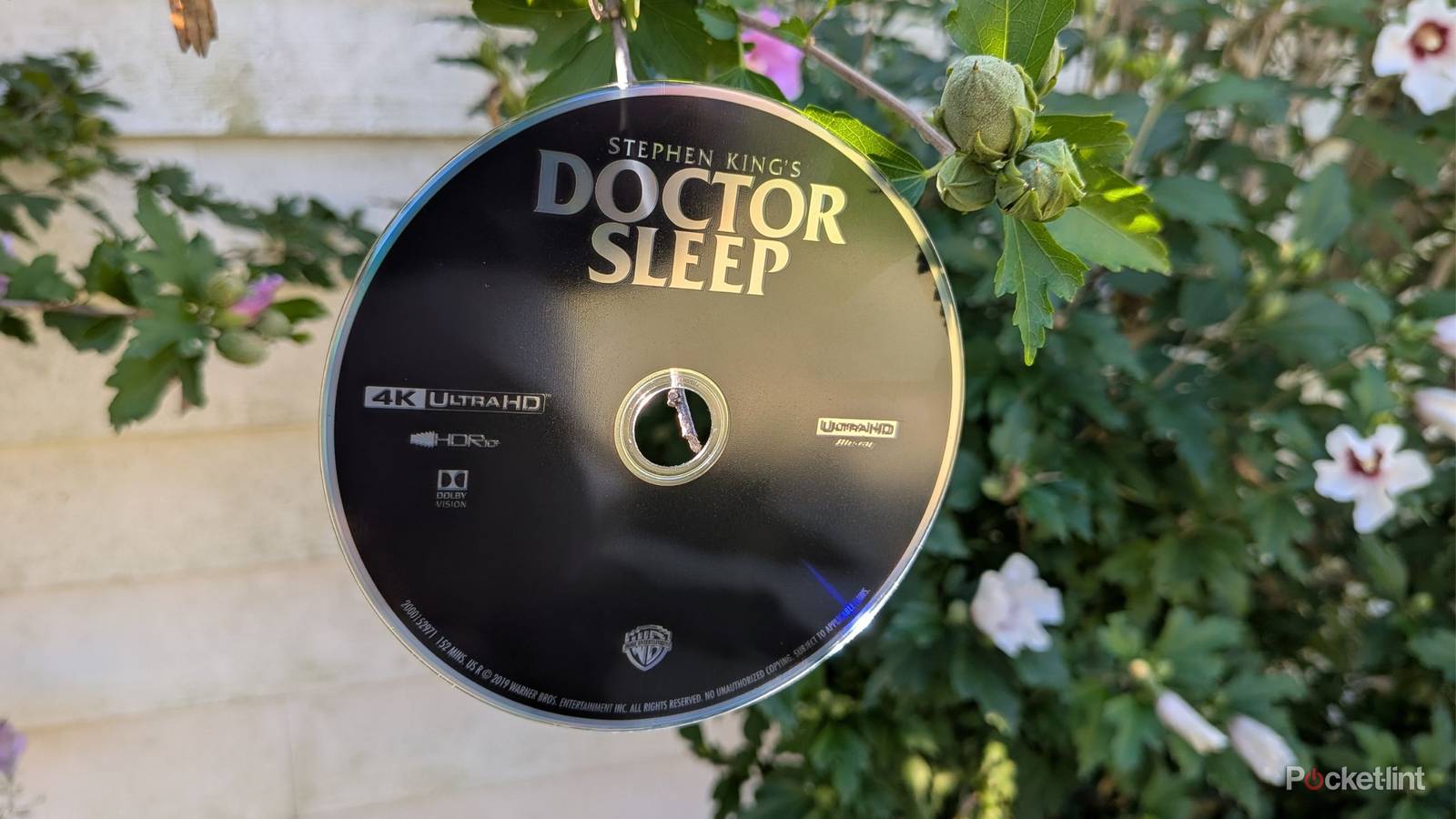
I don’t think most people have to worry about specific HDR formats since every disc looks good, unless there are some underlying issues that even HDR can’t solve. Doctor Sleep, one of my favorite movies in my collection, has an HDR10+ scan and not Dolby Vision. This means I can’t even use the improved HDR, but that doesn’t take away from my enjoyment whatsoever. I imagine most people would find themselves in this boat. No matter which HDR format you’re using, if you’re watching from a disc, it’ll offer a far better viewing experience than you get from a streaming service. There’s no compression issues on a disc, so both your picture and audio quality have more room to breathe.


