Published September 2, 2026 11:50AM
After five years and over 100 stories, I’m moving on from my post as Backpacker’s ultralight columnist. There’s a lot I could say about the people I’ve met, the stories I’ve told, and the trips I’ve been on. But instead, I’m going to stick to the topic I covered the most, and the one thing every ultralight hiker really loves, even if we don’t want to admit it: Gear.
After reviewing hundreds of products, I’ve loved some gear, felt ambivalent about much of it, and strongly disliked a handful of creations. If I wasn’t a gear writer with early access to all the hottest ultralight gear—and soon, I won’t be—here’s what I would actually spend my own money to buy.
Worth Buying
Frameless backpack with vest straps
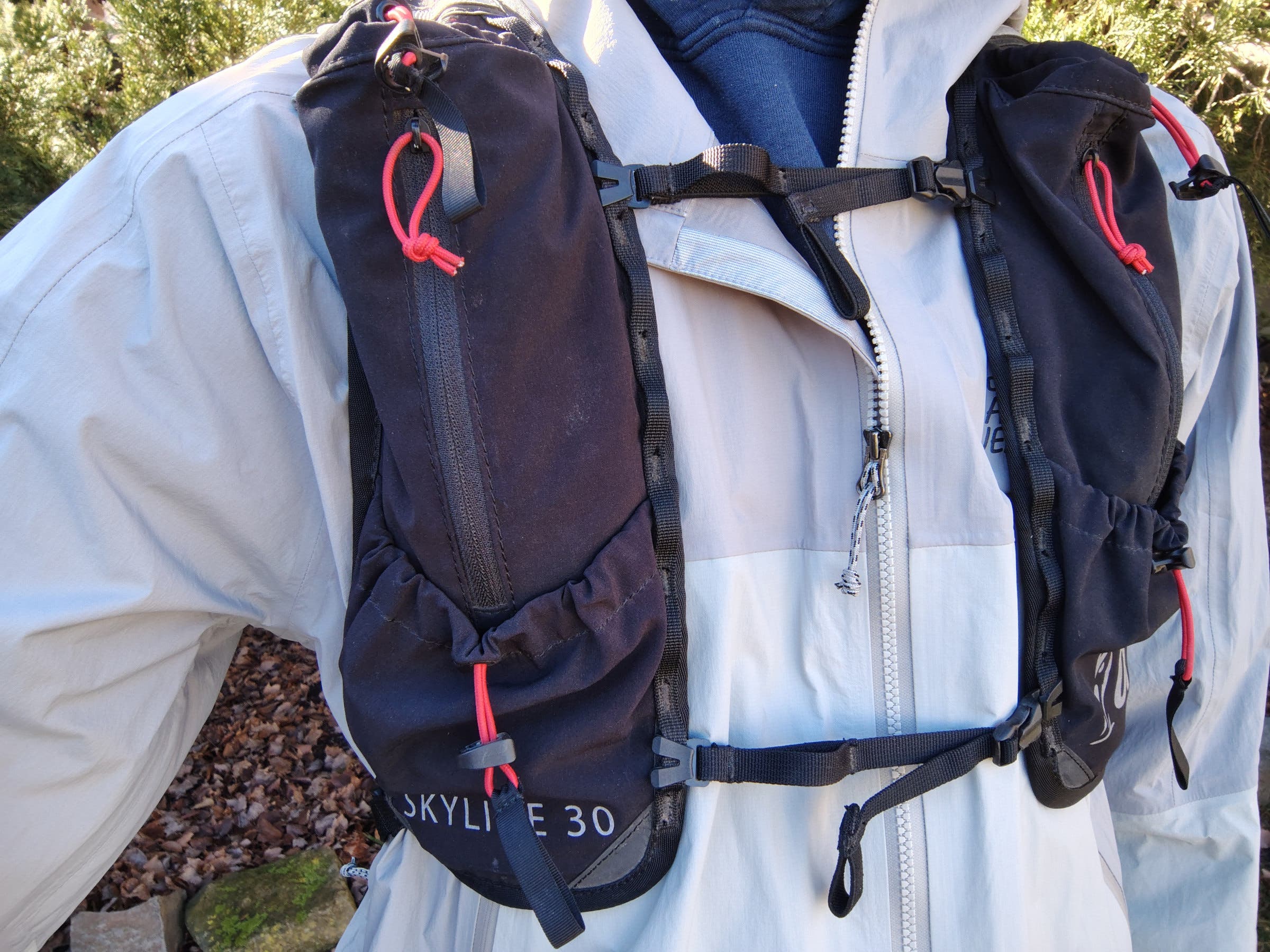
Like many ultralighters, there was a time when I thought I was over my obsession with frameless packs. After all, modern suspension frames are incredibly light, supportive, and comfortable. But the recent trend of slightly wider, stretchier “vest-style” straps has brought me right back to the frameless way of life. To me, these new strap designs are as big of a comfort upgrade as a lightweight suspension system, without compromising the freedom of movement I’ve always loved in a frameless pack. They help distribute the weight across your entire torso rather than just your shoulders, and offer more real estate for shoulder strap pockets. My favorites aren’t full-on running vest harnesses, but fairly standard straps with a bit of extra width towards the bottom, like the ones on the Gossamer Gear Skala 38. To me, this is a nearly perfect frameless pack: lightweight, simple, supremely comfortable, and affordable enough that I don’t wince when I add it to the shopping cart.
Alpha Direct or Tecnowool
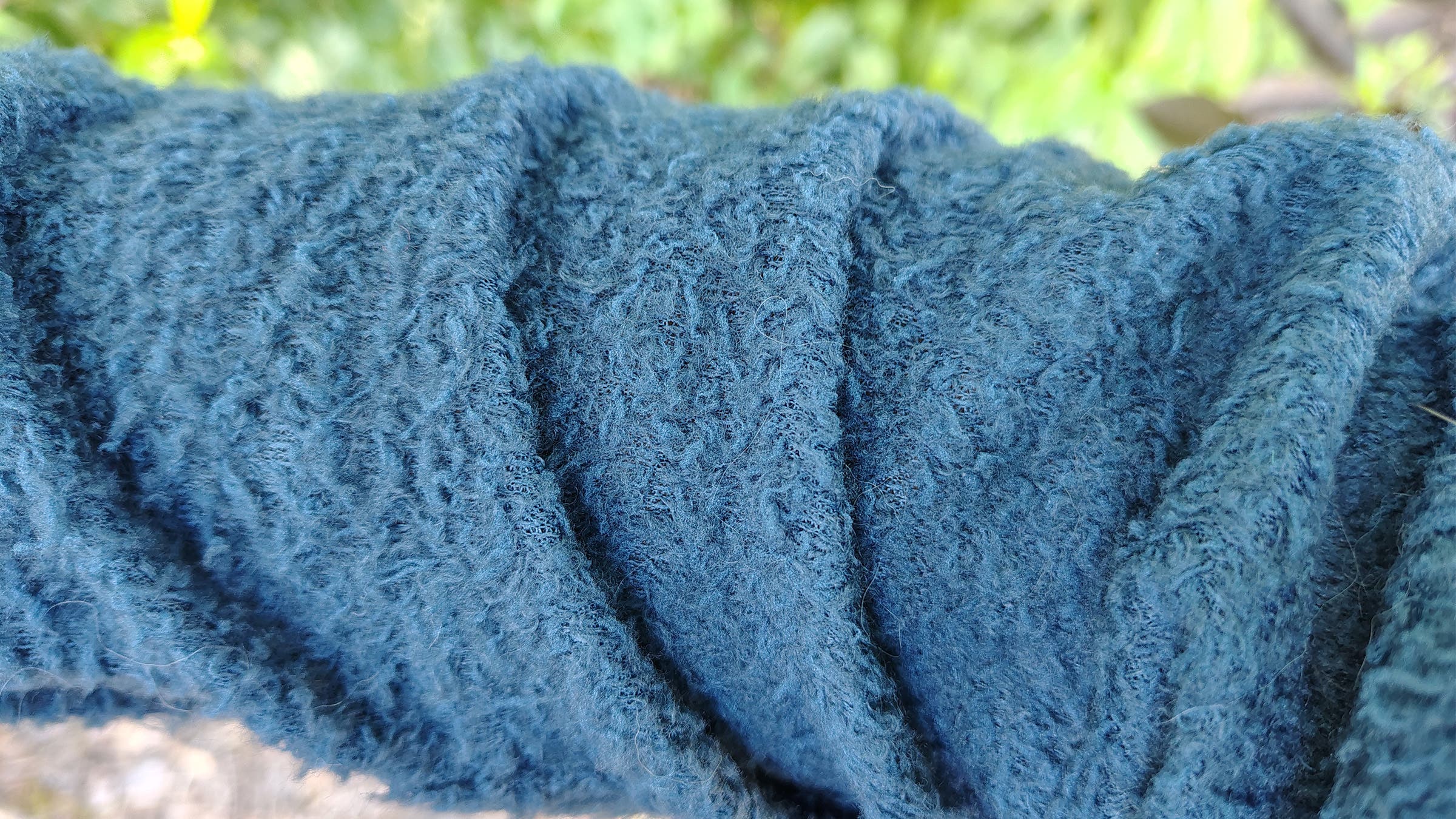
I won’t wax poetic about Polartec Alpha Direct; it’s already incredibly popular. But the hype is real: AD really is as warm and breathable as every glowing review promises it to be. It also has some real competition now. My new favorite midlayer is actually the Farpointe Tecnowool Cruiser. Tecnowool is as breathable as AD, just a smidge heavier, and softer, stretchier, and less stinky.
Showers Pass Cloudburst Hoodie
Any expensive rain jacket is a tough sell for me. Most of them aren’t all that breathable, despite decades of marketing campaigns that claim otherwise. The water repellent coatings that make them work at their best don’t last that long. But most of all, they’re simply not very comfortable, making them the ultimate single-use piece of equipment. With how loud, uncomfortable, and sweaty the average rain jacket is, I would never wear one except when it’s actually raining. And out here in Idaho, that’s not very often.
But there is one rain jacket that I would splurge on—the Showers Pass Cloudburst Hoodie. It’s $260, and almost 10 oz, which, I’ll admit, doesn’t sound that great to an ultralight hiker. In use, though, this jacket has a rare combination of traits: breathable, comfy, and still keeps me dry. The fabric is soft, quiet, and stretchy, and because of that, I wear it all the time. It’s airy and waterproof enough that I trust it for hiking all weekend in the rain, but comfy enough that I’ll wear it as a windbreaker, both on-trail and around town. Pair this with my aforementioned Tecnowool layer, and I have basically my ideal softshell jacket. If it had pit zips, it would be perfect.
Therm-a-Rest NeoAir XTherm NXT
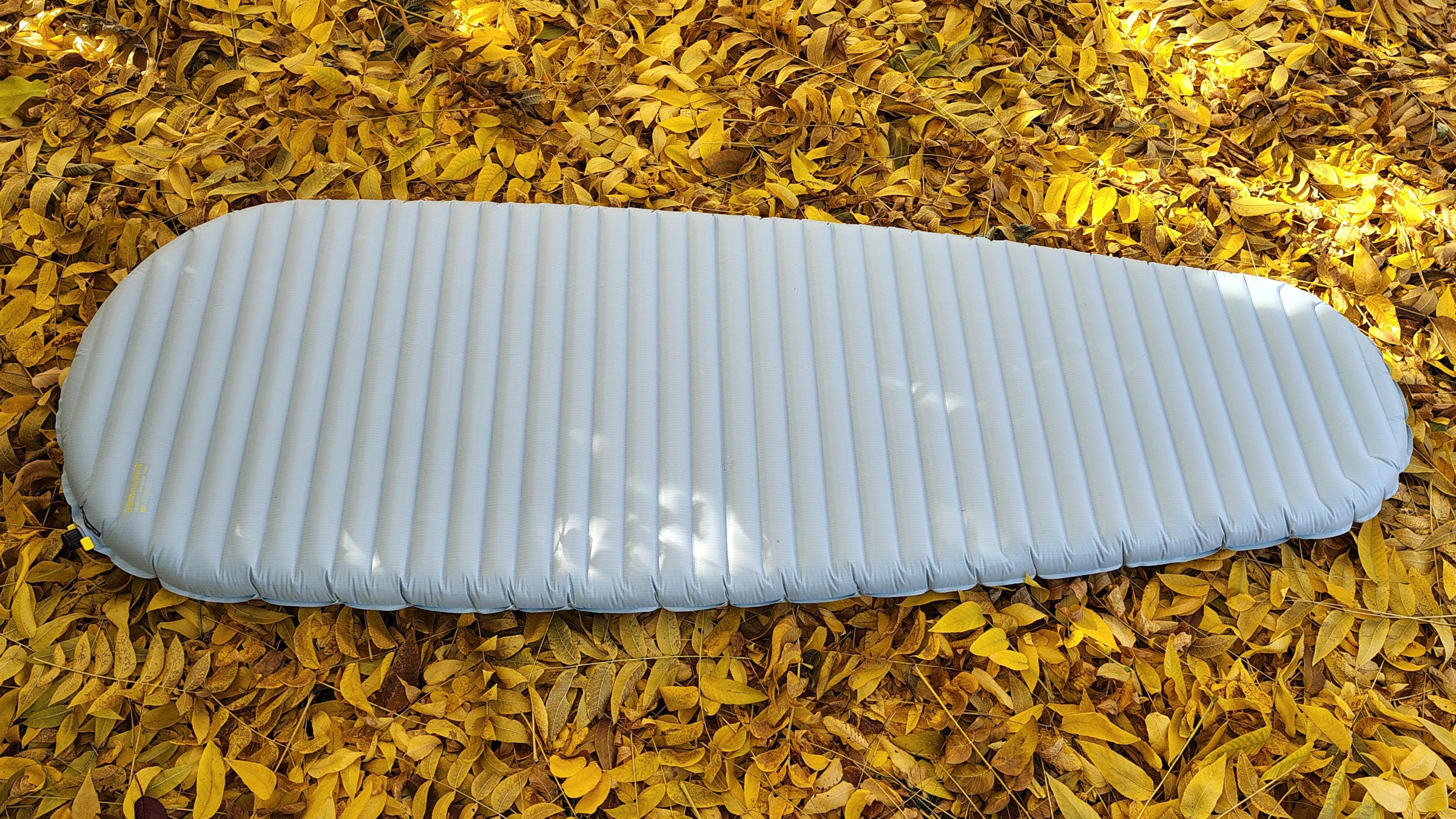
An expensive air pad is something I’ve bought before and would buy again, but prices are getting pretty crazy. If I was making a purchase now, my choice would be the lightest four-season pad that I find comfortable, and for me that’s the Therm-a-Rest NeoAir XTherm NXT. And there are three simple reasons why. First: It’s barely any heavier than the XLite, its three-season cousin. Two: It’s the only pad in its class with a 70-denier nylon bottom. Compared to the 20-, 30-, and 40-denier fabrics of its competitors, this is a pretty massive durability upgrade. Three: There’s simply no reason not to use a winter pad all year long. In my experience, they don’t sleep any hotter in warm weather (in really hot weather, I’m fairly convinced the extra mylar layers actually help you stay cooler by providing a better barrier against the hot ground.) Add in Therm-a-Rest’s best-in-class lifetime warranty, and the XTherm could easily be the last sleeping pad you ever buy—if you can stomach the 2 to 3 ounce weight penalty.
Summer Sleeping Quilt
For years, I was a true sleeping bag minimalist, with a single 20-degree down bag for every trip. I still believe that a solid three-season bag is the most versatile option out there, but if I were to splurge on anything, it would probably be a high-quality summerweight sleeping quilt. For me, a 40-degree quilt that packs down smaller and weighs less than some down jackets is the ultimate “nice-to-have” upgrade. Take the Cumulus Neo Quilt 150 for example. It’s 9.5 ounces, packs down to the size of a Nerf football, and all I need for most trips in the height of summer. Now that I’ve experienced a truly ultralight summer quilt, it’s hard to imagine bringing my 20-degree bag with me unless conditions dictate it.
Not Worth Buying
Dyneema, Ultra, or Any Other Composite Fabric
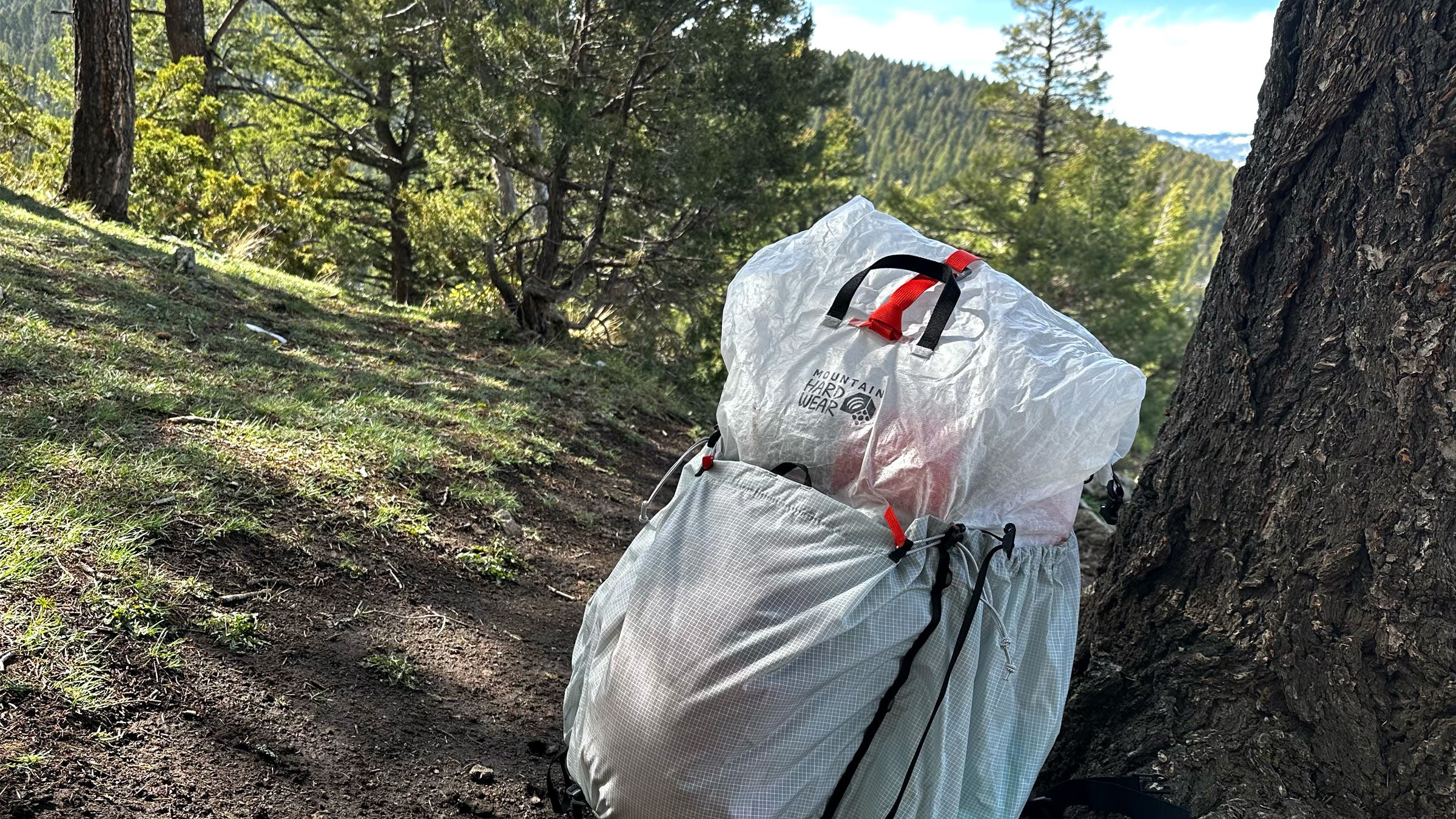
I’ve spent a lot of time reviewing Ultra packs, Dyneema tents, and writing about the invention of various ultra-high-molecular-weight-polyethylene (UHMWPE) fabrics. They’re strong and durable, and new variants of these composite fabrics have been one of the most significant innovations in backpacking gear in the last decade or so.
But as cool as these fabrics are from a technical standpoint, I would never spend my own money on them. They’re too expensive, and most have some sort of downside that I just don’t want to deal with.
Take the Ultra or Graflyte pack, for example. In a backpack, I just don’t think that fabrics make a big difference. There’s barely a yard of fabric used in an ultralight pack, so it’s not a great place to prioritize a lighter fabric. I also haven’t found the durability difference to be anything extreme either. While tear-resistance is a huge perk, composite fabrics have other issues. Some have lamination problems, where the film that holds the fabric together starts to peel away. Others, like the original DCF, proved far less abrasion-resistant than I expected. ALUULA’s Graflyte seems pretty bombproof in the two packs I’ve tested so far, but it’s also the most expensive of the bunch. There’s also the general concern that none of these fabrics take stitches that well, which can lead to issues at the seams. In all, I find nylon to be cheaper, less crinkly, and durable enough for me.
Dyneema shelters are probably the best place to splurge on a high-tech fabric, and even then, I’m not a huge fan. Again, the price is my first knock—I can’t imagine spending more than $600 on a shelter designed for simple backpacking use. Frankly, there’s no good way to roll or fold a Dyneema shelter. In fact, Dyneema creases so easily that the fabric actually shrinks given enough use (any well-used Dyneema stuff sack is evidence of this). And again, there’s the durability. Dyneema might be stronger on paper, but the stuff used in tents and tarps is so thin that it’s a wash once you’re out on a thru-hike. To me, silpoly is the real winner in shelter fabrics: cheap, lightweight, and sag-free.
Hiking-Specific Apparel
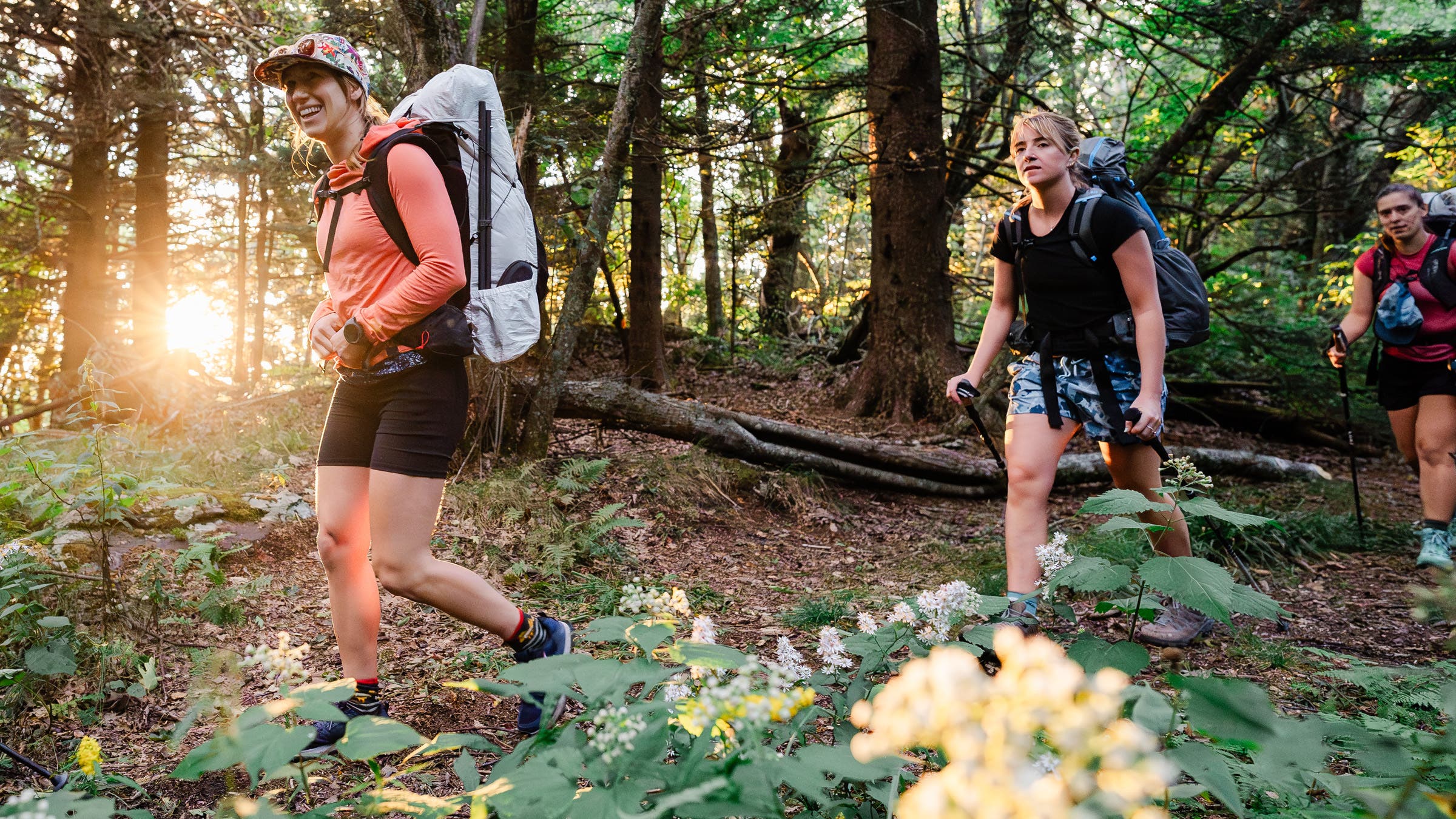
I’ve always been skeptical of hiking-specific clothing, and years of sampling the latest products the industry has to offer hasn’t changed my opinion much. The truth is, a polyester workout shirt from Costco is almost identical to a polyester shirt from an outdoors brand. The same goes for shorts, pants, button-down shirts and sun hoodies. Don’t get me wrong, there are plenty of outdoors-specific clothes that I like, I just don’t think most are worth the premium. Plus, I’d much rather be rocking thrift store finds on the trail than dressing as a Patagonia mannequin.


