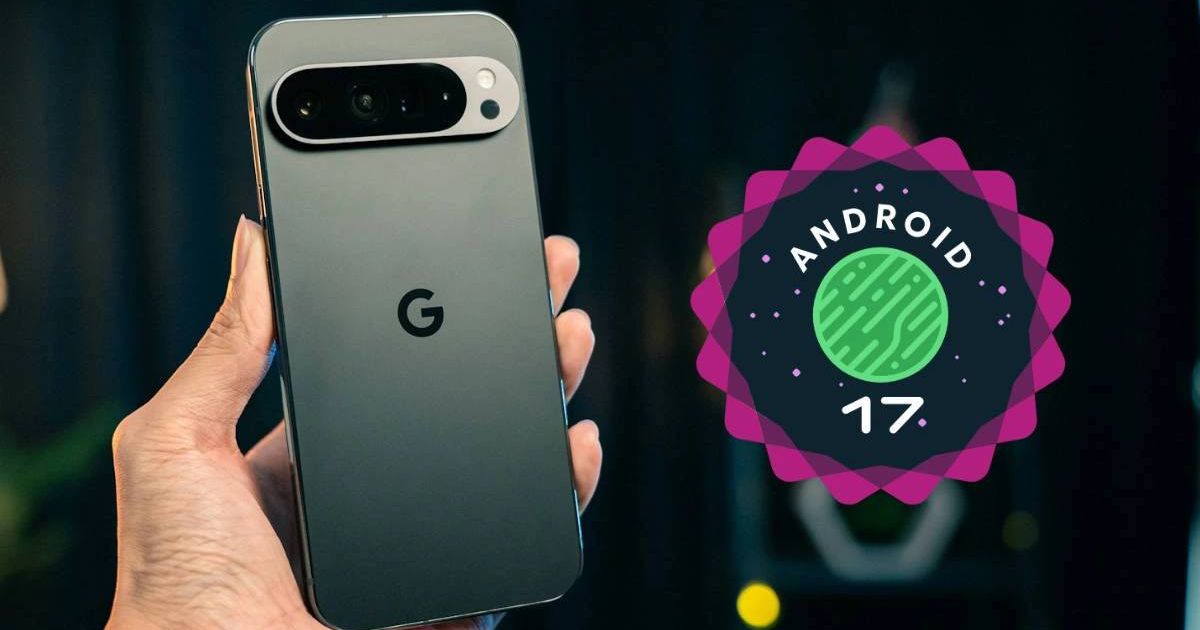
Summary
- Stable release expected mid-June 2026: Google hasn’t named a specific date, but the Android 16 cadence — which went stable on June 10, 2025 — puts Android 17 in the same window this year.
- Beta 4.1 was the final beta: Released June 1, it fixed two bugs — a status bar display error and a mobile data icon issue — and is widely expected to be the last build before stable.
- Pixel phones get it first: From Pixel 6 through Pixel 10a, all supported Pixels are in line for day-one updates.
- Pixel 10 gets Gemini Intelligence extras: Create My Widget, Rambler, and multi-step app automation require Gemini Nano v3 — only Pixel 10 supports it at launch.
- Other brands follow in Q3–Q4: Samsung One UI 9, OxygenOS 17, and HyperOS 4 all arrive later in 2026.
The Timeline So Far
Google skipped Developer Previews this cycle and went straight to public betas. Beta 1 dropped on February 13, followed by Beta 2 on February 26. Platform stability arrived with Beta 3 on March 26 — two weeks later than Android 16’s equivalent milestone. Beta 4 landed April 16 as the last scheduled major beta. Then came Beta 4.1 on June 1, a small patch fixing two specific bugs. That’s the final build. Stable is next.
Google typically drops new Android versions on a Tuesday. Today is Tuesday, June 9. It may not be today — but this week is the most likely window, and the second half of June is the outer limit based on last year’s timing.
What Pixels Get — and What They Don’t
When Do Other Brands Get It?
Samsung Galaxy S26 already runs Android 17 at launch, so its update is a feature enablement push rather than an OS change. One UI 9 for older Galaxy devices starts in Q3 2026. OnePlus targets OxygenOS 17 stable in early Q4 with the OnePlus 15. Xiaomi’s HyperOS 4 rolls out from late Q4 2026 into 2027 across Xiaomi, Redmi, and Poco families.
If your Pixel is on the supported list, keep your notifications on. Android 17 stable could land any time this week.


