
Summary created by Smart Answers AI
In summary:
- Macworld reports that Apple’s iPhone 16 Pro, despite being marketed as “Built for Apple Intelligence,” will not support many key AI features that require the iPhone 17 Pro instead.
- This limitation affects advanced capabilities like expressive Siri voices and enhanced dictation, leaving even recent flagship buyers without promised functionality.
- Apple’s inconsistent AI strategy and unclear communication about feature compatibility has created disappointment among users who upgraded expecting full Apple Intelligence access.
When I bought my iPhone 16 Pro, it was a major upgrade from the iPhone 12 Pro that had served me well for years. I was excited to get snapping with the new camera system, to enjoy the crisp, high-refresh-rate display, and to zip through apps and tasks as fast as my fingers would carry me. And there was one more thing that caught my eye at the time: It was “Built for Apple Intelligence.”
Because, of course, this was right around the time Apple introduced its Apple Intelligence system to the world. The company promised “AI for the rest of us,” with powerful tools that seemed tailored to how I wanted to use my phone: Siri would understand my personal context, I was told, and it would start delving into my apps and taking actions on my behalf. Finally, after so many years, Siri would be getting the personal assistant glow up it had always craved.
We all know how that turned out.
After delays, class-action lawsuits, and widespread humiliation, WWDC 2026 was meant to be when Apple finally made good on all those promises. It was, we thought, the time when Apple would bring iPhone 16-series users like me the features we’d been promised two years ago.
Except, as it turns out, that’s a load of bull.
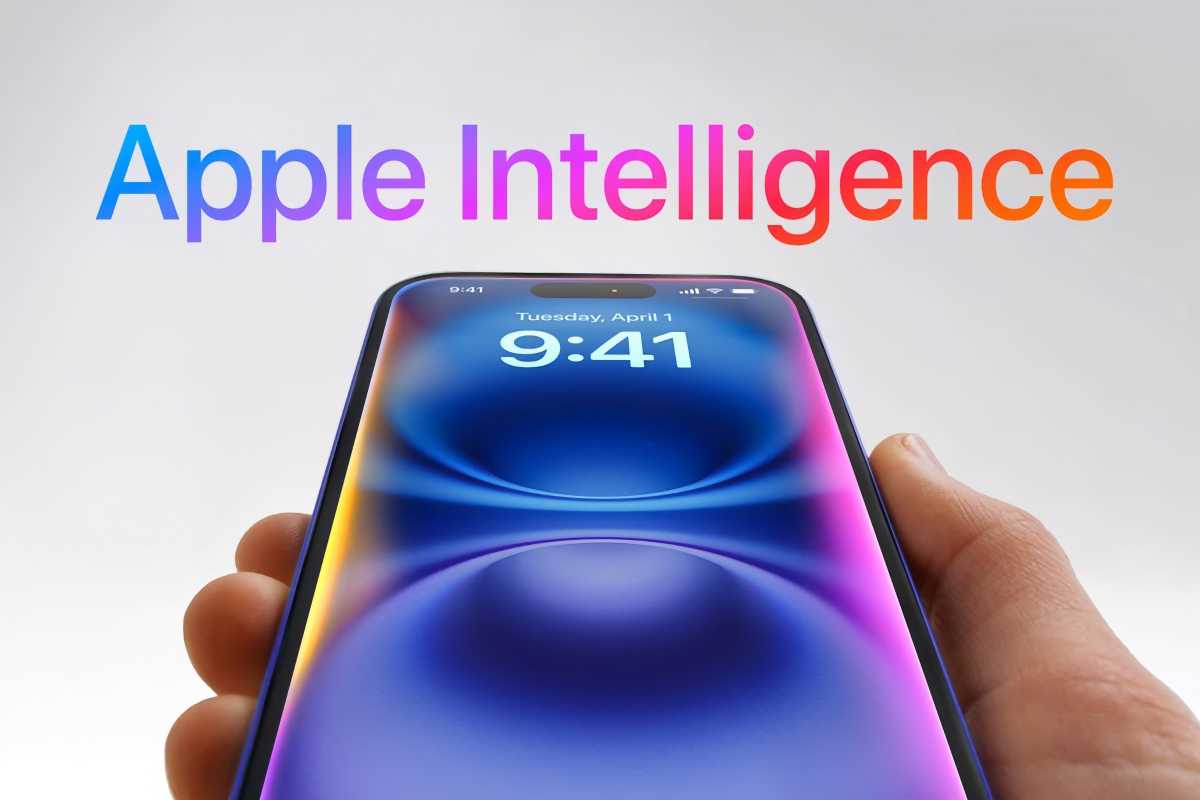
Remember when the iPhone 16 Pro was built for Apple Intelligence? Apple doesn’t.
Apple
Apple indefensible
I’m not saying that the features Apple teased in 2024 still aren’t here. On the contrary, if anything they look even better than when Apple initially previewed them. They’re the kind of enticing enhancements that I’ve spent the last two years holding out hope for. That’s not the problem.
The problem is what is available and where it will be present. Because after debuting all these tools and showing off exactly how they’d work, Apple’s Craig Federighi slipped a teensy-weensy caveat into all that hype. It went like this:
“Our most powerful on-device model and the features it enables, like expressive voices and more advanced dictation, will be coming to our most capable iPhone, iPad and Mac systems.”
At the same time, a slide popped up on screen explaining that to get this “most powerful on-device model,” you’d need an iPad with M4 chip or later and 12GB of memory or a Mac with an M3 chip or later and 12GB of memory. Oh, and iPhone users? Yep, you guessed it: you’ll need an iPhone Air or iPhone 17 Pro. Yes, that’s an iPhone 17 Pro, not even an iPhone 17.
In other words, I’m screwed.
My iPhone 16 Pro, which was explicitly sold by Apple as its most advanced AI-capable iPhone, will not work with all of the latest Apple Intelligence features. That is absolutely indefensible.
Apple has only specifically called out two features that are limited to the latest and greatest devices, those being expressive Siri voices and more advanced dictation. But the way Federighi worded it made it sound like these are just examples of the things that require an iPhone 17 Pro. For all I know, there could be more.
For one thing, I wouldn’t be surprised if features like Spatial Reframing are similarly limited. At WWDC, Apple said that some “image generation” tools have daily limits on their usage because they use such powerful AI models. You can bet that will be absent from my iPhone 16 Pro too.
And that’s just the things we know about. Nowhere on Apple’s website does the company expressly itemize all the features that will be the exclusive domain of iPhone 17 Pro users. For now, it’s all just guesswork. That doesn’t lend itself to the idea that the list of gated features is particularly modest. And what about iOS 28? Will my iPhone 16 Pro get any of those features?
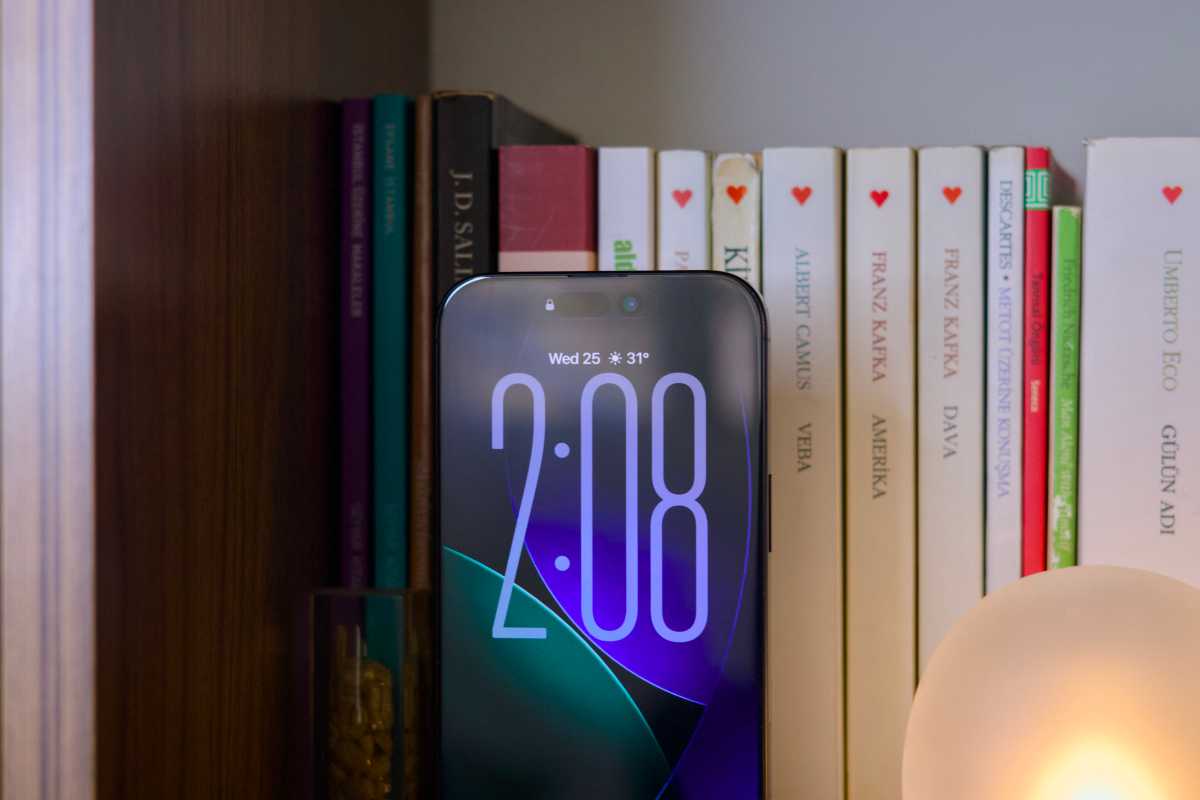
My iPhone 16 Pro is a fantastic phone—that can’t run everything iOS 27 and Apple Intelligence have to offer.
Foundry
The old bait and switch
Somehow, Apple has managed to make me super excited and super disappointed about its latest AI efforts in practically the same breath. And given how popular the iPhone 16 series has been, I know I’m far from alone.
To be clear, I didn’t buy my iPhone 16 Pro on the express promise of getting these AI features. I was looking forward to playing around with them, sure, but AI was just one part of my purchasing decision. Yet that doesn’t change the fact that this announcement is still deeply deflating. I’m not about to ditch a perfectly excellent iPhone 16 Pro and shell out on the iPhone 17 Pro or iPhone 18 Pro just for the features Apple is gatekeeping away from me.
Look, I understand that not every phone can work with intensely demanding AI features. That’s common sense. But it doesn’t seem unreasonable to think that Apple started working on many of these features long before the iPhone 16 series was even announced. Why tell people your device is “Built for Apple Intelligence,” as Apple did for the iPhone 16 Pro, when you know that’s not entirely true?
Selling an iPhone as being custom-made for AI, then doing the old switcheroo and blushingly admitting that, oopsie, many of those features won’t be on your device after all, just seems sly and underhanded. Maybe Apple’s ambitions grew, and maybe its models’ requirements expanded, but that doesn’t change the fact that an iPhone promoted as AI-capable is suddenly only partially so.
I’m sure I’ll get plenty of usage out of those AI features that do land on my device. I’ll even forgive Apple for the delays if they turn out to be as impressive as they looked in the WWDC keynote. But it won’t hide the fact that for every AI advancement Apple makes, it seemingly can’t help but take two steps back.


