Summary
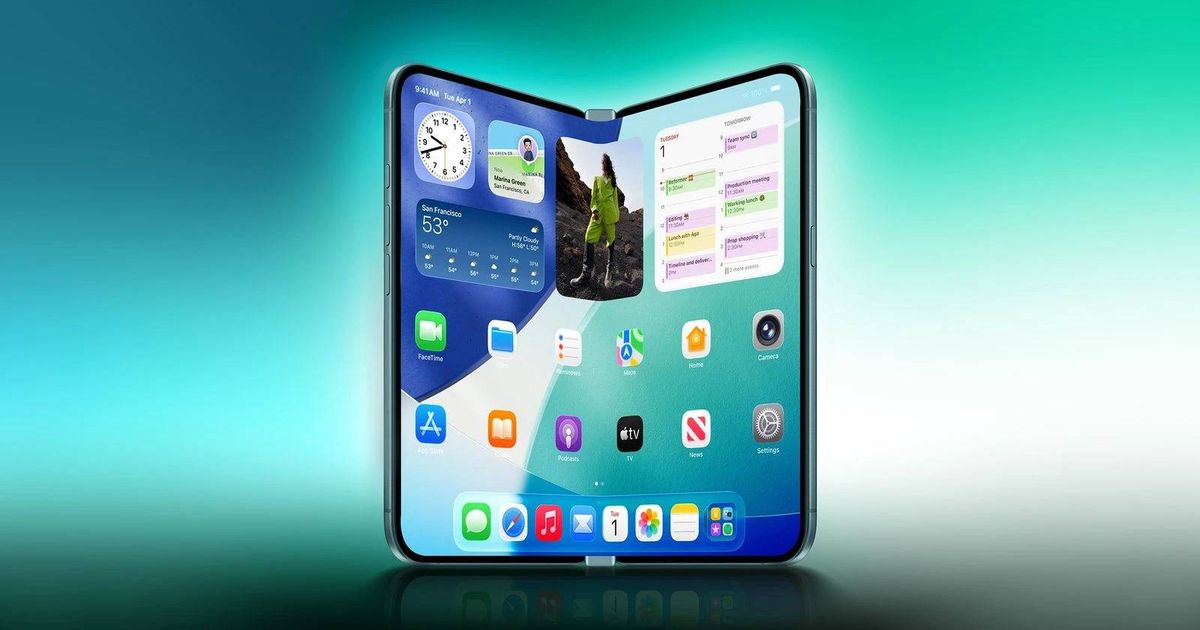
- The iPhone Ultra 2 has been formally approved by Apple internally, confirmed by Digital Chat Station — expected to feature a wider folding screen than the original while reusing the same display panel technology.
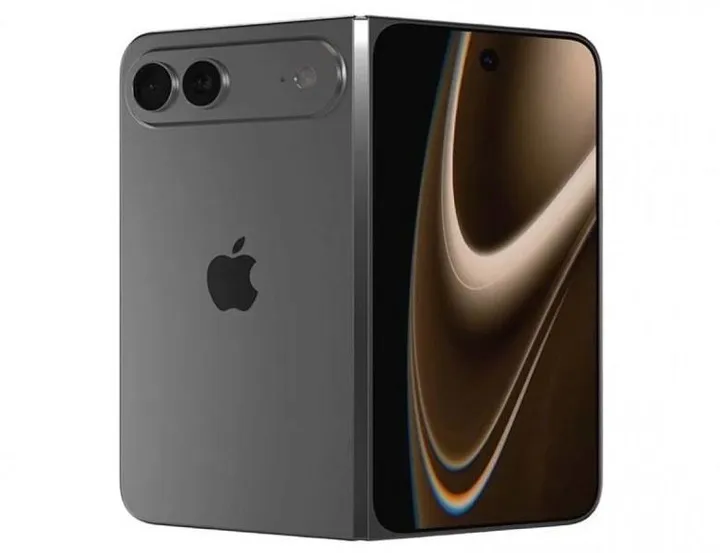
- The original iPhone Ultra launches this September with a 7.7–7.8-inch inner display, 5.3–5.5-inch cover screen, A20 Pro chip, liquid metal hinge, vapor chamber cooling, dual 48MP cameras, Touch ID, and a starting price around $1,999.
- The iPhone Air 3 hasn’t started molding and will only move forward if the iPhone Air 2 — targeting Q1 2027 — performs significantly better than the original Air.
- The iPhone Air’s poor reception reverberated across the industry: Xiaomi and Vivo cancelled their ultra-thin phone plans, and Samsung killed the Galaxy S26 Edge after the Galaxy S25 Edge sold poorly.
- Apple is revising the iPhone Air 2 significantly: adding a second rear camera (ultrawide), reducing weight, adding vapor chamber cooling, and likely lowering the starting price.
iPhone Ultra 2: Already Happening
The greenlighting of iPhone Ultra 2 development before the original ships is less surprising than it sounds. Apple typically begins development on a successor 18–24 months before launch, so a confirmed Ultra 2 for late 2027 or early 2028 isn’t a shocking timeline. What’s notable is the spec direction: a wider folding screen. Unlike most Android foldables, the iPhone Ultra uses a book-style design that’s wider than it is tall when unfolded — the inner display resembles an iPad mini in size and shape. Going wider still suggests Apple is iterating toward a larger productivity canvas with each generation, not just refining the same form factor.
Reusing the same display panel for Ultra 2 makes cost and supply chain sense — Apple will have spent years qualifying those panels, and switching display technology every generation in a brand-new product category would be technically and logistically ambitious. The wider screen could be achieved through a larger version of the same panel type rather than a fundamentally different display architecture.
What the Original iPhone Ultra Is Actually Bringing
Before looking too far ahead, it’s worth anchoring on what launches in September. The iPhone Ultra carries dual 48MP rear cameras, dual 18MP front cameras, Touch ID instead of Face ID, a confirmed liquid metal hinge, vapor chamber cooling despite a 4.5mm unfolded thickness, and iOS 27 with “foldState” and “angleDegrees” framework references baked in. It will not have a telephoto lens — a notable trade-off for a device starting at $1,999. The camera module sits on a long, thin “plateau” on the back, similar to the iPhone Air.
“Apple greenlit the iPhone Ultra 2 before the first one ships — which either means the foldable category is doing exactly what Apple hoped internally, or that Apple’s product pipeline simply doesn’t leave room for doubt at this scale.”
The iPhone Air 3 Problem
The Air 2 upgrades — second rear camera, lighter build, vapor chamber cooling, larger display, likely lower starting price — address the core criticisms of the original directly. Whether those fixes are enough depends on whether consumers actually want an ultra-thin iPhone, or whether they just thought they did until they compared it against a Pro Max with a telephoto lens and significantly more battery.
The Air’s poor sales have already killed competitors’ plans — Xiaomi and Vivo both cancelled ultra-thin rival projects, and Samsung stopped the Galaxy S26 Edge before it started after the S25 Edge underperformed. Apple is alone in continuing the category. For the Air 3 to happen, the Air 2 needs to be the phone that proves the form factor has a market.


