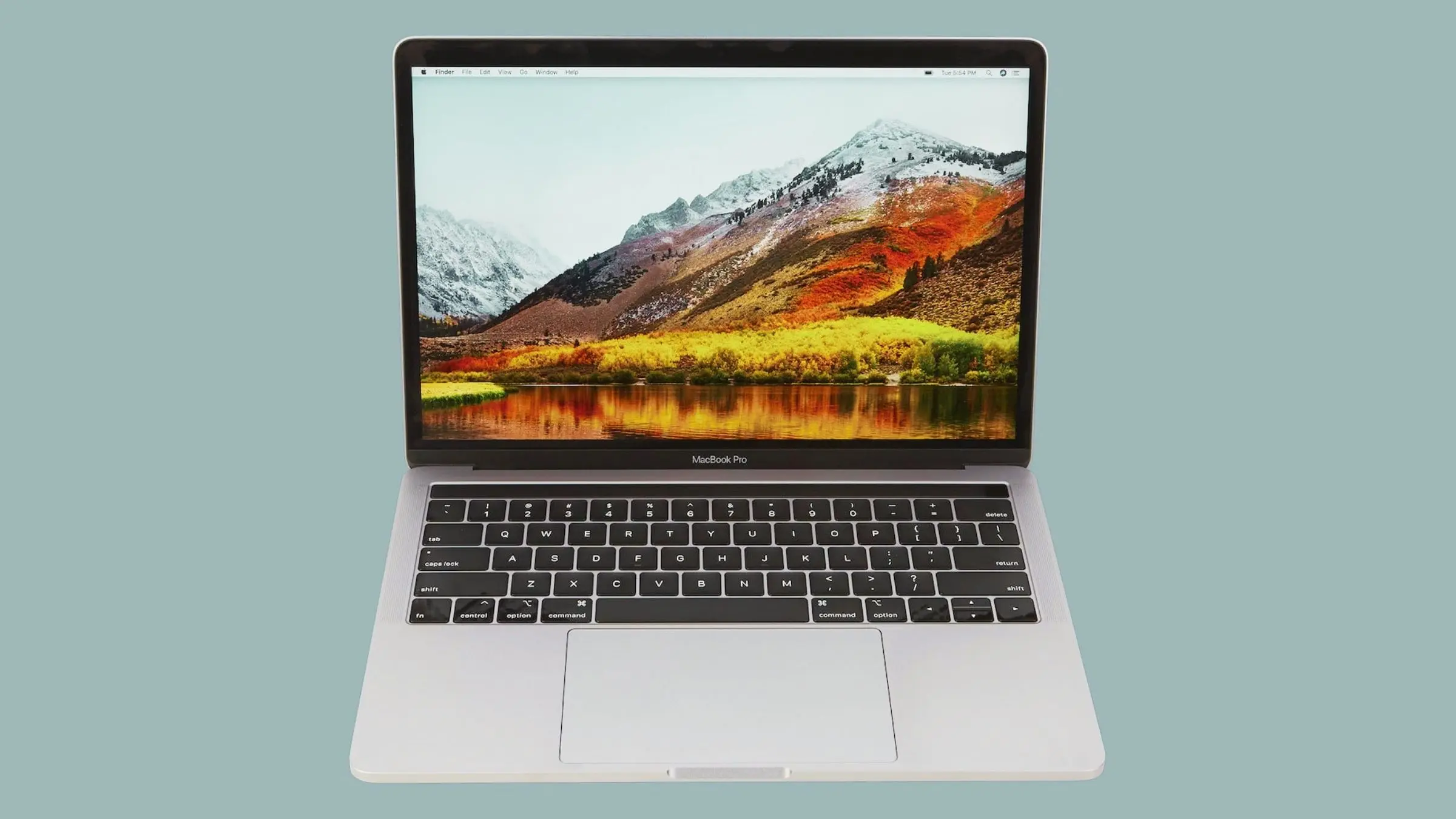
Apple added three more MacBook models to its official obsolete device list. That means the laptops no longer qualify for standard hardware service, so owners hoping for an easy trip to the Genius Bar will mostly be out of luck.
The three laptops had spent the last few years on Apple’s vintage list, and now they’ve crossed into obsolete territory for good. Apple confirmed the change in an updated support document published on Monday.
The three obsolete MacBook models, explained
It takes many years for Apple products to make the obsolete list. A Mac, iPhone, etc. gets vintage status once it’s been off store shelves for more than five years. It only becomes obsolete once that stretches past seven years. The distinction between the two matters a lot if something breaks.
The newly obsolete lineup includes the 2018 Retina MacBook Air, the 13-inch 2018 MacBook Pro with four Thunderbolt 3 ports, and the 13-inch 2017 MacBook Pro with two Thunderbolt 3 ports.
While these computers were labeled as vintage, they could still be repaired at Apple Stores and Apple Authorized Service Providers as long as parts are available. But now that they have obsolete status, they lose that option entirely. And Apple stops making replacement parts.
But there’s one exception worth knowing about. Apple does run a battery-only repair program for MacBooks. This runs up to ten years from a product’s last sale, making a battery swap possible if parts are on hand.
An important point: A Mac listed as obsolete by Apple can still get fixed by third-party repair shops.
What made these MacBooks notable in their day
The 2018 MacBook Air deserves special mention here. It was the first Air to ship with Touch ID and a Retina display. The laptop replaced the low-resolution, less vibrant screens on the older Air models. Apple also gave it a huge redesign, shrinking the bezels and slimming down the whole chassis.
The two MacBook Pro models tell a smaller story. The 2017 13-inch model was powered by Intel’s Kaby Lake chip, with Apple barely changing anything about the laptop.
The 2018 refresh introduced True Tone display support, along with the third-generation butterfly keyboard, which Apple hoped would fix its previous reliability problems.
What this means if you’re still using one
If you own one of these three MacBooks, don’t panic just yet. They’ll still keep running the software they already have. What changes is the repair path going forward.
Apple Stores and Authorized Service Providers will no longer source parts for these models. That means you’ll have to find independent repair shops for fixing anything beyond a battery.
That said, for machines already past the seven or eight year mark, it might be a reasonable moment to start considering a new Mac with Apple Silicon inside. You get a considerable speed boost.

Anurag Chawake is a tech-focused writer specializing in smartphones, apps and consumer technology. His interest in computers began during the Windows 98 era, eventually leading him to explore everything from operating systems to mobile devices and PC hardware. Anurag previously contributed to The Indian Express, covering Apple, Android, gaming and the broader technology landscape.


