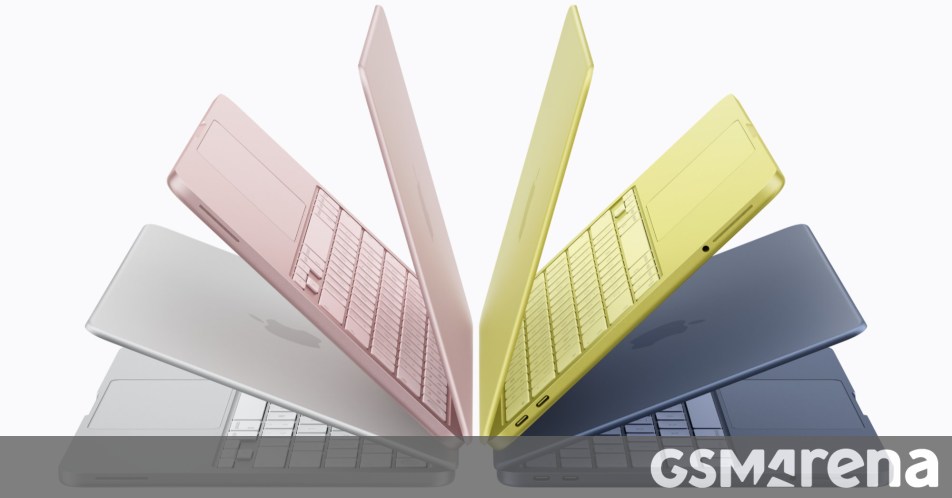
Apple today announced its global price hikes, primarily targeting the Mac lineup but also including the iPad, Apple TV, Apple Vision Pro, and HomePods. However, while the hikes maybe global, they certainly aren’t being raised globally in an equal fashion, with certain markets like India being hit way harder than others, like the US.

There are three main factors to consider here. First, the prices have been hiked across the board. Second, the prices for memory and storage upgrades have also been hiked. And third, Apple India has changed the currency conversion rate that it has had so far, so the India hikes are no longer proportional to the US hikes and would also affect all future pricing.
Starting with the prices, here is a quick look at what the starting prices are now for all the Mac models.
| Model | Current price (INR) | Previous price (INR) | Difference |
|---|---|---|---|
| MacBook Neo (8/256GB) | 79,900 | 69,900 | 14.3% |
| MacBook Air 13 (16/512GB) | 149,900 | 119,900 | 25% |
| MacBook Pro 14 (16/1TB) | 239,900 | 189,900 | 26.3% |
| iMac (16/256GB) | 174,900 | 134,900 | 29.7% |
| Mac mini (16/256GB) | 94,900 | 59,900 | 58.4% |
| Mac Studio (36/512GB) | 279,900 | 214,900 | 30.3% |
As you can see, the price deltas from the old to the revised ones are considerably higher than they are in the US; while US saw an increase mostly in the high teens, and on occasion, in the twenties, almost all the hikes here are in the twenties, and many in the thirties, and even higher. Also, these prices are just for the base model and configuration. The percentage delta gets even higher once you start manually configuring with higher memory and storage options.
It’s important to note the 256GB M4 Mac mini price. That model was discontinued last month, and the 512GB model became the starting price. With the price hikes, the 256GB model is now back to being the starting model, except the price is now way higher, more so than even the 512GB model of before. We have seen others be confused by this, and compare the prices of the previous base 512GB model and the current base 256GB model, but we cannot stress enough that the base model now for the M4 Mac mini is once again 256GB, NOT 512GB. And if you do apples to apples comparison, then the 256GB M4 Mac mini sees a jaw-dropping 58.3% price hike compared to before.
Here are the other products that are also getting a price hike. The iPads are hit even harder than the Macs, and the Apple TV 4K models cost almost twice in some configurations. Even the aging HomePod models weren’t spared. The Vision Pro headset isn’t featured here, since it never went on sale in India.
| Model | Current price (INR) | Previous price (INR) | Difference |
|---|---|---|---|
| iPad Pro 11 (256GB) | 139,900 | 99,900 | 40% |
| iPad Air 11 (128GB) | 89,900 | 64,900 | 38.5% |
| iPad (128GB) | 49,900 | 34,900 | 43% |
| iPad mini (128GB) | 69,900 | 49,900 | 40% |
| Apple TV 4K (64GB) | 25,900 | 14,900 | 74% |
| HomePod | 44,900 | 32,900 | 36.5% |
| HomePod mini | 15,900 | 10,900 | 45.9% |
Now, for the second part of the equation. Apple has historically had memory and storage prices increase in multiples of INR 20,000 for any upgrades made from its online store. Those have now increased to multiples of INR 24,000 for memory and storage, with higher storage options using multiples of INR 30,000. So you’re not just paying more upfront for the base model but any upgrades you make will also cost more.
Finally, Apple has seemingly stopped using the currency conversion rate of 1 USD = 100 INR that it has had for Indian prices for several years now. If a US price was $699, the Indian price would be INR 69,990. Now, however, the $699 MacBook Neo costs INR 79,900. This might be the more crucial part here, as even if the current prices go down in the future based on market conditions, it’s unlikely Apple India is going to revert the currency conversion rate, so the prices will never go back to what they were before this hike.
That is the current state of Apple’s pricing. The company said in a statement to media that ““We know this is not welcome news, and we are working tirelessly to find solutions.” But considering it is all-in on AI these days, it may just be part of the problem that it is tirelessly working to find solutions for.


