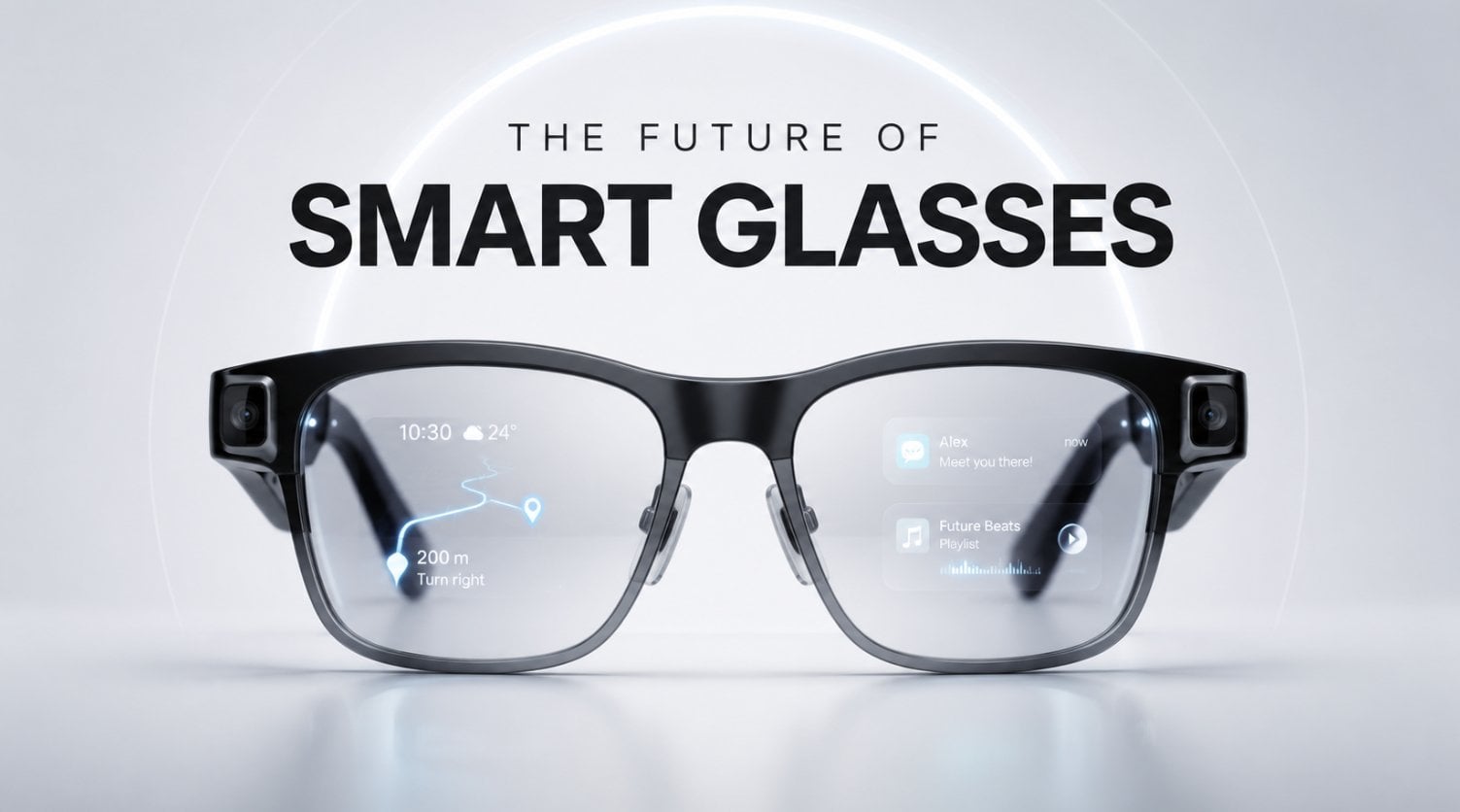
Smart glasses and mixed reality devices are advancing rapidly, with products like Apple Vision Pro and Snap SPECS illustrating both progress and ongoing challenges. Steven Sullivan examines this evolving field, noting advancements such as 6 Degrees of Freedom (6 DOF) for enhanced motion tracking and high-resolution displays for improved visual clarity. At the same time, issues like high production costs, privacy concerns and the absence of a unified app ecosystem continue to limit broader adoption.
Explore this explainer to learn how AI is being integrated to enhance features like real-time data processing and voice interaction. Gain insight into how manufacturers are addressing privacy concerns through design innovations. Discover emerging trends such as subscription-based models and the blending of augmented and virtual reality, which could reshape the future of wearable technology.
Technological Advancements Driving Innovation
TL;DR Key Takeaways :
- Smart glasses and mixed reality devices are rapidly advancing, with innovations like Snap SPECS’ 6 DOF and Apple Vision Pro’s high-resolution displays redefining AR/VR experiences.
- AI integration, such as Meta Ray-Bans’ voice assistants and Apple’s Siri, is enhancing functionality, allowing intuitive, hands-free and personalized user experiences.
- Privacy concerns remain a significant challenge, with some manufacturers adopting privacy-centric designs like Memo Mind glasses, which exclude cameras and offer offline data storage.
- High costs, bulky designs and the lack of a unified app ecosystem are key barriers to mainstream adoption, though subscription models and ergonomic improvements are emerging solutions.
- The future of smart glasses lies in convergence with AR/VR technologies, robust app ecosystems and applications in health monitoring, potentially positioning them as smartphone alternatives.
The rapid evolution of smart glasses and mixed reality devices is allowing immersive experiences that were once confined to the realm of science fiction. For instance:
- Snap SPECS now incorporate 6 Degrees of Freedom (6 DOF), allowing you to interact with 3D holographic content in real time, enhancing both entertainment and productivity applications.
- Apple’s Vision Pro features high-resolution displays and advanced room-scanning capabilities, creating seamless mixed reality environments that blur the line between the physical and digital worlds.
Lightweight and ergonomic designs are becoming a priority for manufacturers. Devices like the Pimax Dream Air are achieving superior resolution while reducing bulk, making sure greater comfort during extended use. Additionally, advancements in Field of View (FOV) in products such as Project Oras and Snap SPECS are enhancing your ability to engage with virtual elements in your surroundings, making these devices more practical for everyday use.
The Role of AI in Smart Glasses
Artificial intelligence (AI) is transforming the capabilities of smart glasses, making them more intuitive and adaptable to your needs. Consider these examples:
- Meta’s Ray-Bans integrate AI-powered features such as voice assistants and multimodal capabilities, allowing hands-free operation and seamless multitasking.
- Apple’s Siri AI uses personal context to deliver tailored user experiences, enhancing convenience and functionality.
The integration of GPT-based AI models is also being explored, offering advanced conversational interfaces and real-time data processing. These developments could transform how you use smart glasses for tasks like navigation, productivity and entertainment. By combining AI with AR/VR technologies, manufacturers are creating devices that not only respond to your commands but also anticipate your needs, making them indispensable tools in both personal and professional settings.

Enhance your knowledge on smart glasses by exploring a selection of articles and guides on the subject.
Privacy and Trust: A Lingering Concern
Despite technological progress, privacy remains a critical issue for smart glasses. Devices like Meta Ray-Bans have faced scrutiny over their camera usage and data collection practices, raising concerns about surveillance and data security. To address these challenges, some manufacturers are adopting privacy-centric designs. For example:
- Memo Mind glasses exclude cameras entirely and offer offline data storage, making sure your personal information remains secure and inaccessible to third parties.
Building consumer trust is essential for the widespread adoption of smart glasses. Transparent data policies, robust encryption and user-controlled privacy settings are likely to become industry standards. As manufacturers strive to address these concerns, the balance between innovation and ethical responsibility will play a pivotal role in shaping the future of this technology.
Market Trends and Challenges
While innovation in smart glasses is accelerating, several challenges continue to hinder their mainstream adoption:
- High costs: Premium devices like Apple Vision Pro remain prohibitively expensive for many consumers, limiting their accessibility.
- Bulky designs: Despite significant improvements, some devices still struggle to balance advanced functionality with sleek, comfortable aesthetics.
Subscription-based models are emerging as an alternative, with companies like Meta offering advanced features through monthly plans. While this approach provides flexibility, it may deter users who prefer one-time purchases over ongoing costs. Additionally, the lack of a unified app ecosystem for smart glasses limits their utility, as users often face compatibility issues across different platforms and devices.
Consumer Preferences and Everyday Use
Smart glasses are increasingly being designed with everyday usability in mind, catering to a wide range of practical applications. For example:
- Memo Mind glasses focus on essential features such as navigation tools and teleprompters, making them ideal for professionals and commuters.
- Gaming, productivity and AR navigation are other popular applications that highlight the versatility of these devices, appealing to both casual users and tech enthusiasts.
Apple’s anticipated entry into the smart glasses market is expected to set new benchmarks for functionality and user experience. By using its existing ecosystem, Apple could seamlessly integrate smart glasses with its other devices, offering unparalleled convenience and performance. This move underscores the growing interest in wearable technology and its potential to become a staple in your daily life.
What the Future Holds
The convergence of smart glasses and VR/AR headsets is a promising trend that could redefine the wearables market. In the coming years, you may see lightweight devices that combine the best features of both technologies, potentially eliminating the need for separate products. This evolution could position smart glasses as a viable alternative to smartphones, offering a more immersive and hands-free way to interact with digital content.
The development of robust app ecosystems, similar to Apple’s App Store, will open new opportunities for developers and businesses, fostering innovation and expanding the functionality of smart glasses. Additionally, wearables are expected to play a larger role in health monitoring, with AI-driven insights helping you manage your well-being more effectively. From tracking vital signs to providing real-time health recommendations, smart glasses could become indispensable tools for personal healthcare.
As the industry continues to evolve, addressing barriers such as cost, design and privacy will be crucial for achieving widespread adoption. The road ahead is filled with potential, but it’s clear that manufacturers must innovate responsibly to unlock the full capabilities of smart glasses and mixed reality devices.
Media Credit: Steven Sullivan
Filed Under: AI, Displays News, Top News
Disclosure: Some of our articles include affiliate links. If you buy something through one of these links, Geeky Gadgets may earn an affiliate commission. Learn about our Disclosure Policy.


