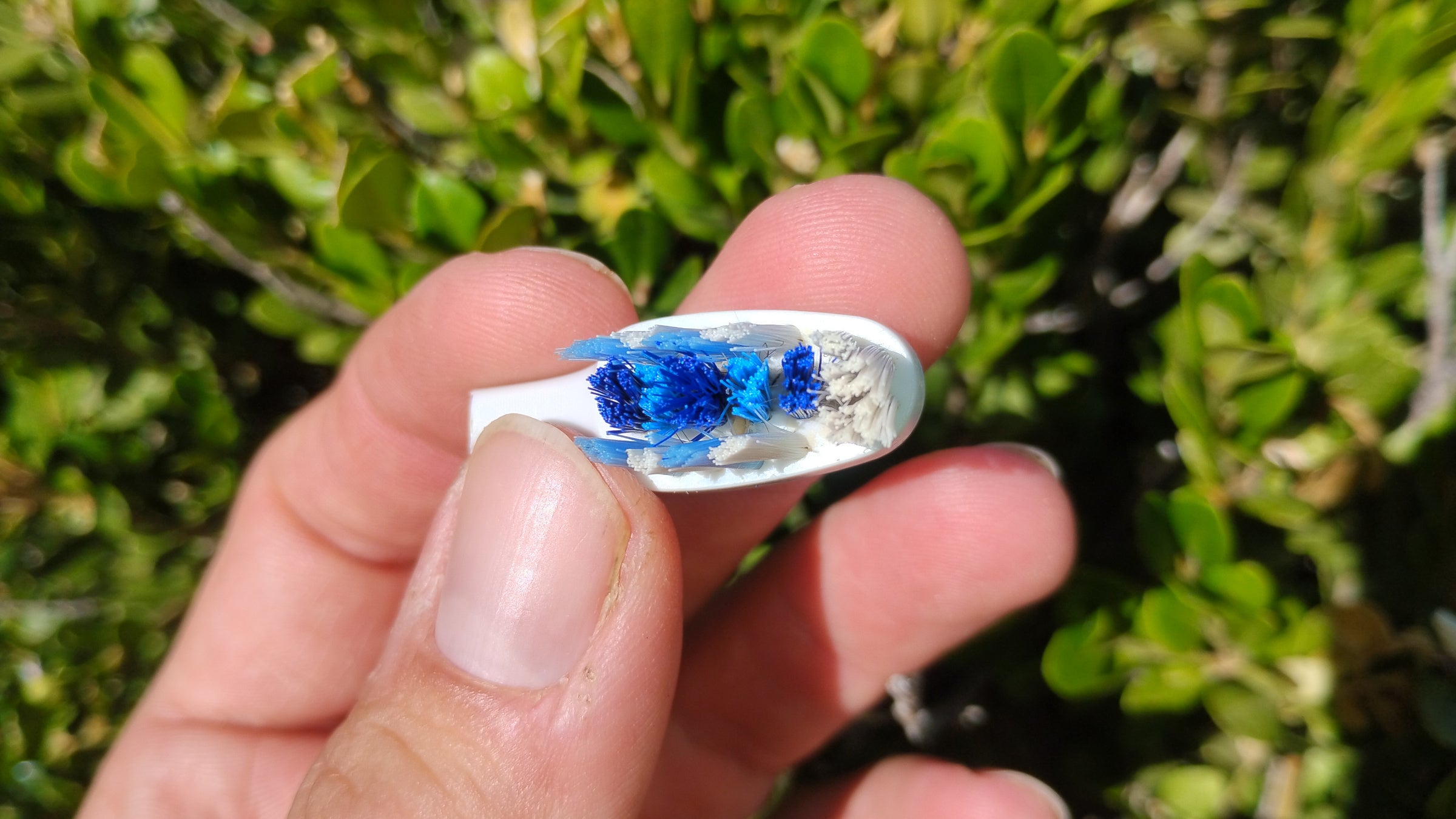
We’ll be carrying a full toothbrush, thank you very much.
Sorry, old-schoolers: Cutting your toothbrush was never worth it. (Photo: Adam Roy)
Published July 29, 2026 11:21AM
When I dragged my 45-pound pack over Colorado’s Electric Pass on my first overnight after misreading the trail profile, the notion of ultralight wasn’t even a flicker in my mind. But between that hike in 2011 and my first thru-hike in 2015, the weight-saving ethos had steadily gained traction in the thru-hiking world. The most hardcore Appalachian Trail ultralighters carried 30-liter glorified sacks and wouldn’t be caught dead with a hip belt.
On trail, they freely dispensed wisdom (“I can’t believe you’re bringing a full toothbrush”) and offered pack shakedowns in trail towns (“Send this bag of extra clothes home immediately”).
These days, hikers seem more willing to carry a few extra ounces for comfort, especially since gear in general has gotten lighter. While we used to have to make up weight by cutting the handle off our toothbrush, it’s easier than ever to find tents, sleeping bags, sleeping pads, and backpacks that weigh significantly less than gear from five or ten years ago. Here are five of the most common (and occasionally silly) hacks I’ve seen throughout my years on the trail, and whether or not I think they’re still worth it. Argue with me in the comments.
Cutting the Handle Off Your Toothbrush
After dragging myself into camp at night, I used to grasp the nub of my toothbrush between my pinched fingers, trying to get a good enough grip on it to reach all my teeth without sticking my whole hand in my mouth. This was always annoying, and the only benefit I got from it was the smugness of adding to my ultralight-ready kit. However, that smugness faded fast when I realized I was only saving at most 6 grams by cutting the handle off my toothbrush. I don’t care who you are: Six grams is nothing. The only benefit is that the toothbrush fits more easily into a small zip-top toiletry kit, but you can also just get one of these shorties.
What you saved: 6 grams
Verdict: This was never worth it, sorry.
Using a Tent Stake Instead of a Trowel
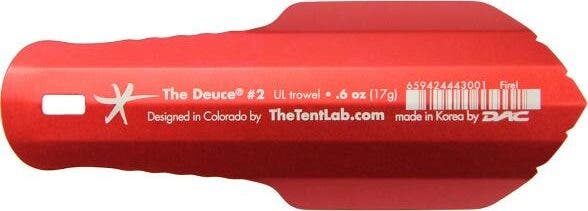
This has long been a popular UL hack (and maybe still is?), but no one is having a good time here. Digging a cathole to Leave No Trace specifications means a depth of 6 to 8 inches and a diameter of 4 to 6 inches. That’s a lot of work for a standard six-inch tent stake with a half-inch diameter, and it was never something I was interested in making harder than it already was. There is always the option of a combination trowel/tent stake, but even Vargo’s Dig Dig Tool is only 1.7 inches wide, and I’ve found it functions poorly as both a tent stake and a trowel. Then there’s the fact that tent stakes have gotten lighter too. (Good luck digging any kind of cathole with a carbon-fiber stake.) If you’re on a long-distance trail, make your life easier and bring a trowel. Today, many weigh less than a tent stake, like the DirtSaw Deuce #2, which is 2.6 inches wide and weighs barely over a half-ounce.
What you saved: 5 grams
Verdict: Get the trowel.
Bringing a Trash Compactor Bag Instead of a Pack Cover
I used a pack cover for the initial rainstorms of my first multi-week trip before realizing the rain blew in sideways anyway, then pooled at the bottom of the pack cover and saturated the base of my pack. Overall, I’ve found pack covers of all brands, sizes, and materials to be tremendously ineffective. They are bulkier than a compactor bag, have to be secured during storms and pulled off after, and don’t work for blowing rain. A compactor bag or similar pack liner, on the other hand, sits inside your pack, rolls down to protect your gear, and keeps everything in the main compartment dry. You’ll have to figure out a way to protect the gear in the outer pockets (or make sure it’s all waterproof), but all of that would have gotten wet anyway with the pack cover.
What you saved: 4 ounces
Verdict: The trash compactor bag remains elite.
Ditching the Pack Hip Belt
This is one I never understood: Almost all of the hikers jumping on the ultralight, 30-liter pack train and ditching the hip belts added a fanny pack to their kit. I remember someone arguing that I should remove the hip belt from my Gossamer Gear Mariposa to save nine ounces (to be fair, that’s decent weight savings) but then said I should replace it with a fanny pack (which adds weight back on). I understand the appeal of a secure, smaller bag for town days, but you’re adding back at least some of the hip belt weight while losing the benefit of the weight distribution. Even with a light base weight, moving some of the load from your shoulders to your hips is more ergonomic for long hiking days.
What you saved: None?
Verdict: Keep the belt—most of you were wearing fanny packs anyways.
Using the Same Smartwater Bottle for Hundreds of Miles
Even before the onset of ultralight frenzy, people were loudly demanding a replacement for the humble (and heavy) Nalgene. Don’t get me wrong, I love my Nalgene. But a 32-ounce classic bottle weighs 6.5 ounces, and most hikers will be carrying two bottles, adding 13 ounces of weight. Two SmartWater bottles undercut the Nalgenes by a solid 11 ounces, and you can also screw a Sawyer filter (or another compatible filter with the same threading) right onto the top of the bottle. And if you’d like to avoid the plethora of microplastics that comes from using a disposable SmartWater bottle for months on end, you can opt for one of the newer Cnoc bottles, which do the same thing.
What you saved: 11 ounces
Verdict: This has always been a good idea and continues to be so.


