
Take a hike down memory lane to celebrate the gear and fads that got backpacking to where it is today.
(Photo: Layne Kennedy via Getty Images)
Published May 27, 2026 12:24PM
Change is the only constant, and that’s as true of backpacking gear as anywhere else in life. Take the external frame backpack: What was once a revolutionary upgrade over canvas rucksacks and wooden packboards is now more likely to be found in a thrift store than on a hiking trail. And it’s not alone. Advancements in gear technology and the comings and goings of trends and techniques have fundamentally changed how we hike. While these eight items may no longer have a place in our packs, they’ll always have a place in our hearts.
Alcohol Stoves
For many hikers of a certain age, creating their own DIY alcohol stove was nothing short of a rite of passage. Made with just a soda can and pair of scissors—or cat food can and hole punch, in my case—a home-made alcohol burner was long considered the pinnacle of ultralight backcountry cooking. What’s changed? For one thing, ultralighters have gone even more extreme, opting to go stoveless and eat their rice and bean dinners cold. Canister stoves have also gotten lighter, better, and cheaper—why struggle through a DIY project when the BRS-3000T weighs less than an ounce and costs $18? But the real reason alcohol stoves are disappearing from backpacks hints at a larger issue: wildfires. With every passing summer, more backpacking destinations are instituting fire bans, and alcohol stoves, with uncontained fuel and no on-off switch, are nothing but tiny campfires by the letter of the law.
Self-Inflating Pads
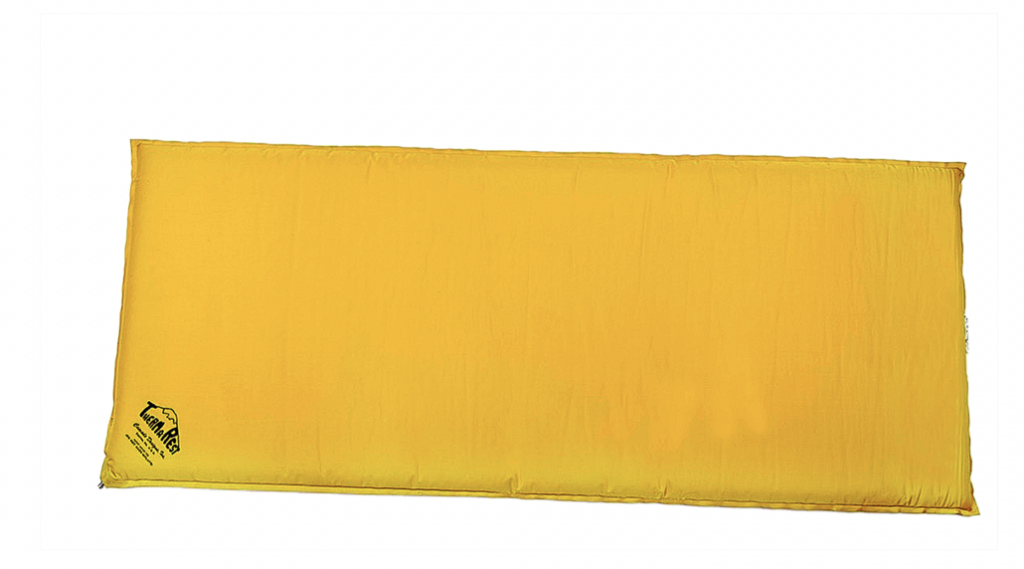
When Therm-a-Rest created the first air mat for backpacking, it was a self-inflating pad—a sheet of open-cell foam stuck in between two layers of airtight nylon. In the 1970s, the improved comfort and packability this style of pad offered was a revelation, and the Therm-a-Rest Original became the go for everyone from backpackers to Boy Scouts. Today, self-inflating pads sit in a lonely middle ground. Foam-free inflatables like the Therm-a-Rest NeoAir and NEMO Tensor Elite are lighter, warmer, and pack down smaller, while classic closed-cell foam pads are cheaper and more durable. It doesn’t help that the lightest, most packable self-inflators once prized by thru-hikers are now discontinued, and the self-inflating pads that remain are mostly designed with car camping in mind.
Button-Up Hiking Shirts
A classic button-up shirt like the Columbia Silver Ridge was once a mainstay of the hiker uniform. Long sleeves and a turned-up collar provided sun protection, while snaps and back vents offered airflow. Columbia still makes the Silver Ridge—and it’s still a great shirt—but it’s safe to say that the button-up shirt has been largely replaced by the sun hoodie. With stretchier fabrics, thumb loops, and better neck and face coverage against UV rays, it’s hard to argue that the sun hoodie is anything but an obvious upgrade.
Hanging Bear Bags
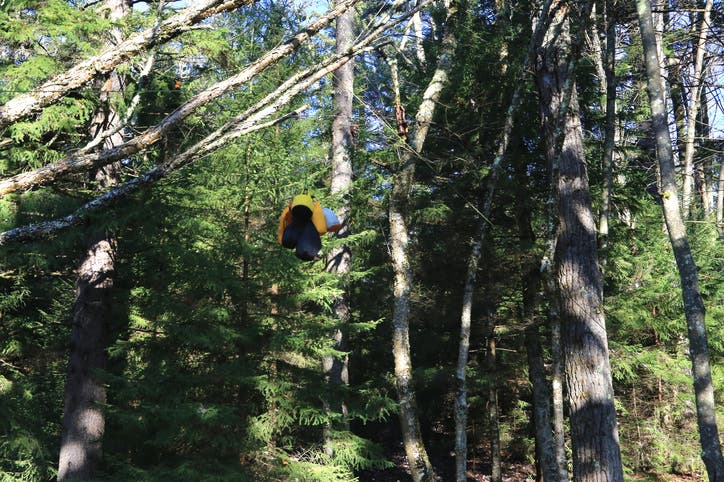
For a long time, food safety around bears was simple. In grizzly territory, you carried a bear can. In national parks with poles or lockers, you used those. Everywhere else, you hung a bear bag. Except hanging a bear bag wasn’t simple at all: Finding a suitable limb, where you could actually suspend your food high off the ground and far away from the tree trunk, came down to chance; other techniques took more equipment, practice, and know-how. Throwing your rope without getting it stuck in a tree was more of an art than most people imagined. Combine those annoyances with an increasing number of parks and forests that now require the use of bear-resistant cans or bags, and spotting a bear hang in the wild is as rare as spotting an actual bear. Today, many hikers have moved on to the latest and lightest canisters and bear-resistant bags.
Aquamira
Backpacking water filters have existed for decades, but until the Sawyer Squeeze filter hit the market, most were heavy and tedious to use. In those days, the lightweight water purification option was Aquamira, a two-part solution of chlorine dioxide and a phosphoric acid activator. Pre-Sawyer, filtering water through a bandana, mixing seven drops from each Aquamira bottle, and waiting 30 minutes for the solution to work its magic was as commonplace as setting up a tent. Today, squeeze filters make water purification as easy as dunking a bottle in a stream and drinking on the go. Aquamira still has a place as a backup in case of a clogged filter or as part of an emergency kit (or even to sanitize your filter), but few hikers still rely on it as their primary water treatment option.
Backpacker’s Pantry Outback Oven
Ever dreamed of making brownies at your campsite? That’s what the Outback Oven, a pan with a lid, heat shield, and fitted hood enabled. It turned a simple camp stove into a fully functioning convection oven that could churn out bread, muffins, pizza—anything you’d bake in your oven at home. In 2003, Outside called it the “greatest contribution to backpacking cuisine since freeze-dried spaghetti.” Not long after, it was discontinued, even though Backpacker’s Pantry lives on. Why? We’ve yet to come across a better design that replaced it, so the only explanation is that backpackers simply didn’t enjoy backcountry baking as much as expected.
Wendy’s Spoon
Fifteen years ago, the tan Lexan spoon that came with every Wendy’s Frosty was a go-to piece of repurposed backpacking gear in the same vein as the Smartwater bottle or trash compactor bag. The spoon hasn’t changed, so why have backpackers moved on? Probably thanks to the popularity of freeze-dried backpacking meals. When most on-trail meals were eaten out of a pot, any spoon would do. But to access the calories at the bottom of a Mountain House pouch, a $10 long-handled titanium spoon is an easy upgrade.
Bandana

Once, backpackers of all stripes revered the simple cotton bandana as the ultimate multi-purpose piece of gear. Wash cloth? Check. Headband? Check. Water filter, pot holder, first aid? The bandana could do it all. But so can neck tubes like the Buff, which is also a better beanie, neck gaiter, and pillowcase. This is a simple case of a good piece of gear being replaced by a better one, though there is one aspect of the bandana that still recommends it: When you inevitably lose it, a bandana is a lot cheaper to replace.


