Backpacking gear is ever-evolving. These items seemed to change the game, until they vanished.
(Photo: Jonathan Beverly)
Published August 18, 2026 07:05AM
Gear evolves fast in the outdoor industry. One minute, a hot new piece of tech that promises to make trail time more enjoyable hits the market, and the next it’s been replaced by a fresh, more relevant, and lighter take. These pieces of gear are proof. All of them were must-have products once upon a time, but have since faded into obscurity alongside the external frame backpack and aluminum canteen. Nowadays, you’ll be lucky to spot one of the following in the wild.
Bluetooth-Controllable Headlamps
In the mid-to-late 2010s, high-tech headlamps boasting Bluetooth technology were a hot ticket item. Models from brands like Petzl and Ledlenser utilized a Bluetooth connection that allowed users to connect the headlamp to their smartphone and set custom light functions and settings, control operation from a phone or smart watch, and even check precise battery levels.
They’re still available from Ledlenser, but there are several reasons these aren’t a must-have for most backpackers these days. For starters, the price tag for many models is prohibitively high, with some going for up to $200. Many hikers probably also realized that controlling a headlamp with their phone, which increasingly plays the part of map, camera, and emergency satellite communicator, is not only unnecessary in most cases, but drains the battery faster. Besides, most headlamps have battery indicator lights and can be adjusted with the push of a button or voice-activation—no app required.
Vibram FiveFingers
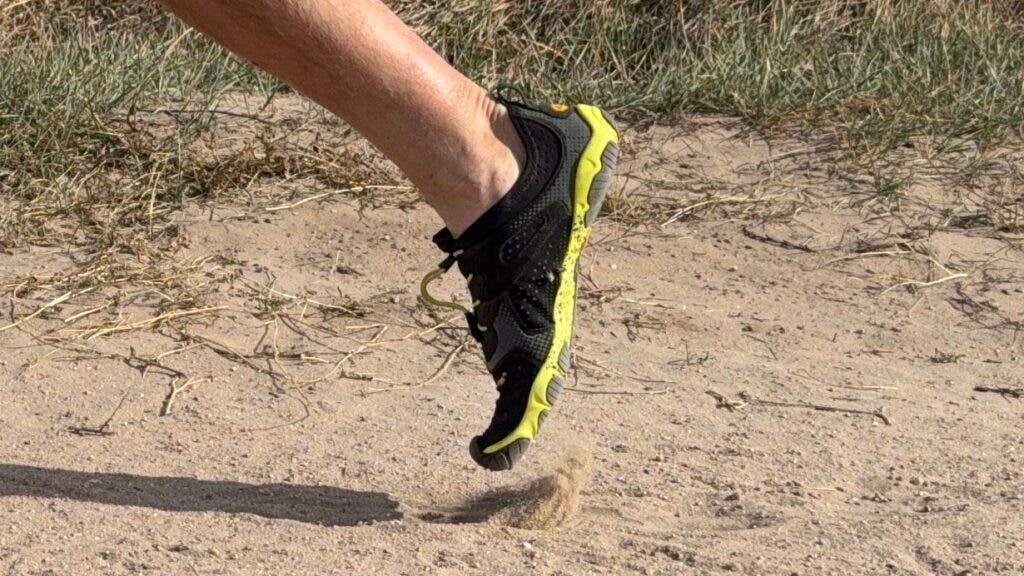
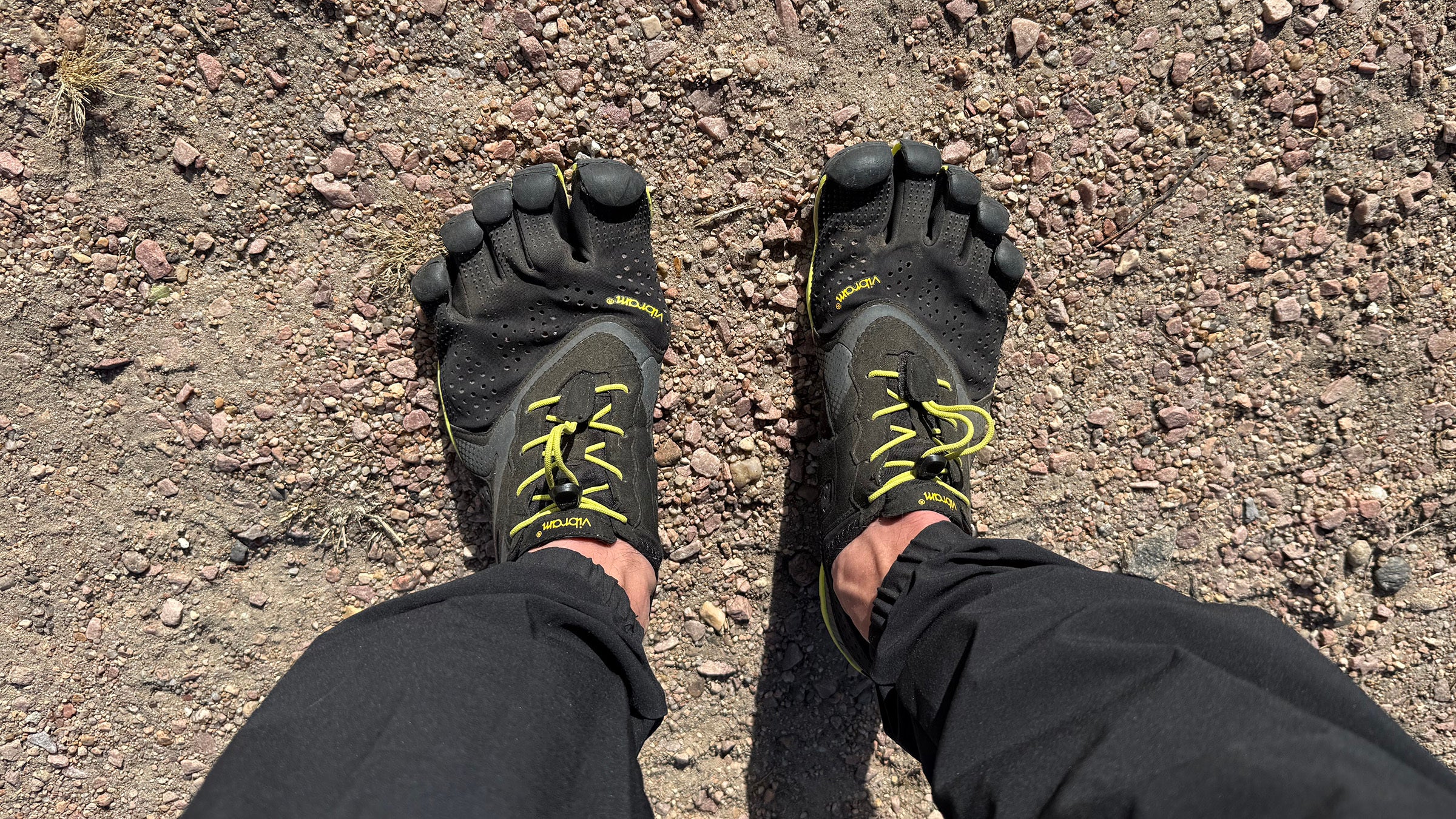
It’s likely that no shoe to ever hit the market was as controversial as Vibram FiveFingers. The quirky barefoot-style footwear designed with individual sleeves for each toe dropped in the U.S. in 2006 and seemed to explode in the media—even if half the news stories made fun of how ridiculous they looked. The FiveFingers touted better balance and groundfeel plus fostering stronger feet and ankles over time than traditional hiking boots. I own a pair and can personally attest that they are both impressively functional for barefoot enthusiasts and the most absurd looking shoes ever made.
These days, spotting a pair in the wild is a rare occurrence. Perhaps minimalist trail users decided the shoes weren’t worth the weird looks they got from fellow hikers. But my money is on the fact that within a few years of the release, more stylish barefoot shoes brands like Vivobarefoot and Xero Shoes started gaining traction, offering functional trail footwear that looks more conventional.
SteriPen
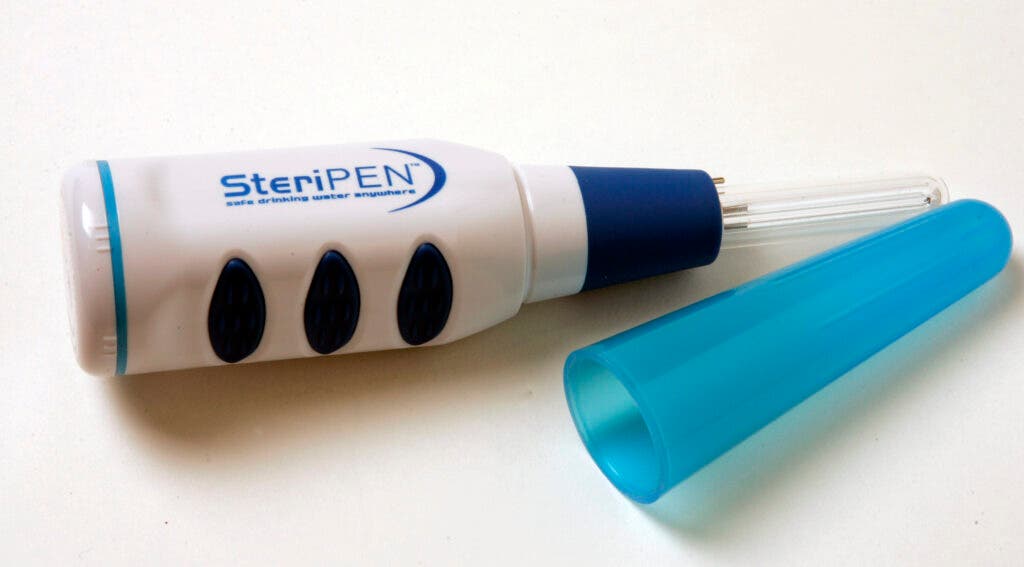
When the SteriPen and other UV-based water purification methods hit the market in the early 2000s, they were revolutionary. Backpackers clamored to secure these small, simple, battery-powered devices that killed bacteria, viruses, and protozoa in natural water sources. After all, who wouldn’t want a way to purify water without relying on a two-step purification system like Aquamira or one that made your water taste, well, off (looking at you, iodine)?
But likely due to water filtration and purification innovations over the years, including taste-free purification tablets like Aquatabs, purifier systems like the GRAYL GeoPress, and lighter, more portable solutions that don’t rely on batteries, the SteriPen faded into the background. The now-ubiquitous Sawyer Squeeze, which came out in 2010, was the nail in the coffin: While the SteriPen remains on the market and is still a reliable way to purify relatively clear water, they’re not nearly as common on the trail as they once were.
BioLite CampStove 2
For campers who love gadgets and cooking over a live flame, the BioLite CampStove offered an eye-catching cooking system worth a double-take when it came out in the late 2010s. After all, it was so much more than a wood-burning stove: It included a combustion-powered battery pack that could fan your blaze and charge your phone.
And while it’s still available for purchase and seems to have a small fan club, it didn’t seem to build the viral following early adopters thought it might. Sure, it was cool and high-tech, but it was also heavy and bulky. Besides, as light as backpacking stoves and power banks are these days, carting a CampStove around seemed like overkill, especially since it offered limited space on top for pots, pans, or the attachable grill.
NEMO Morpho Inflatable Tent
Back in the mid-aughts, Backpacker awarded the shiny new NEMO Morpho inflatable tent the distinction of “Coolest New Technology.” But times change, and so do tent designs. And while this line of tents from the now well-known brand arrived with great fanfare, they haven’t been available in many years.
The structure was fairly unique; instead of tent poles, air chambers that were inflatable via a foot pump offered structure and only took a minute or two to inflate. That not only made setup a breeze, but probably kept more than a few couples from arguing which pole was supposed to go where middle of the campground. Unfortunately, it wasn’t terribly light (the one-person model came in at 4 lbs, 6 oz), and despite a seemingly small but dedicated fan base, the brand discontinued it.


