
Bitcoin (BTC) rebounded above the $63,000 mark on Thursday, defying mounting geopolitical and economic pressures, including rising U.S. inflation and renewed tensions surrounding the Strait of Hormuz. The world’s largest cryptocurrency touched an intraday high of $63,200, gaining more than 2.5% during the session.
The rally came despite reports that Iran had closed the Strait of Hormuz, a critical global oil shipping route, triggering a sharp rise in crude oil prices. U.S. WTI crude surged above $91 per barrel as markets reacted to concerns over potential disruptions to global energy supplies.
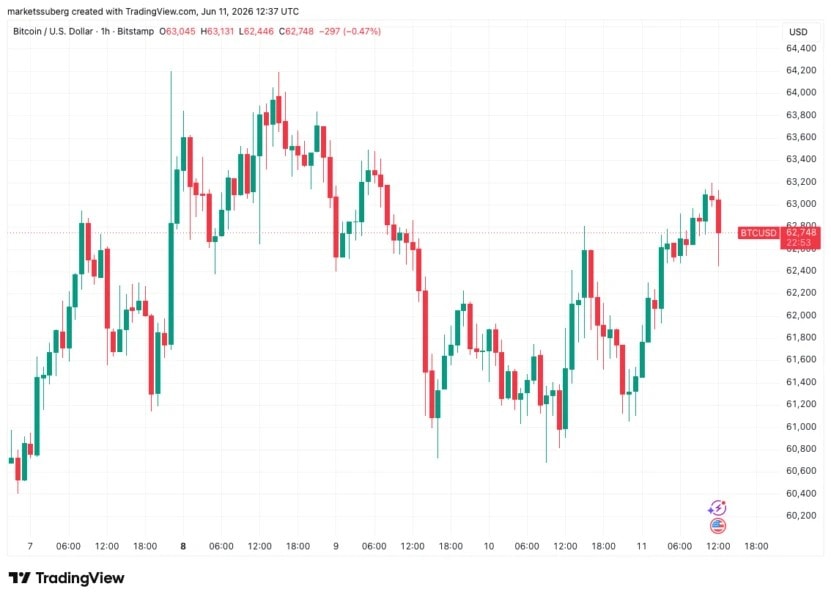
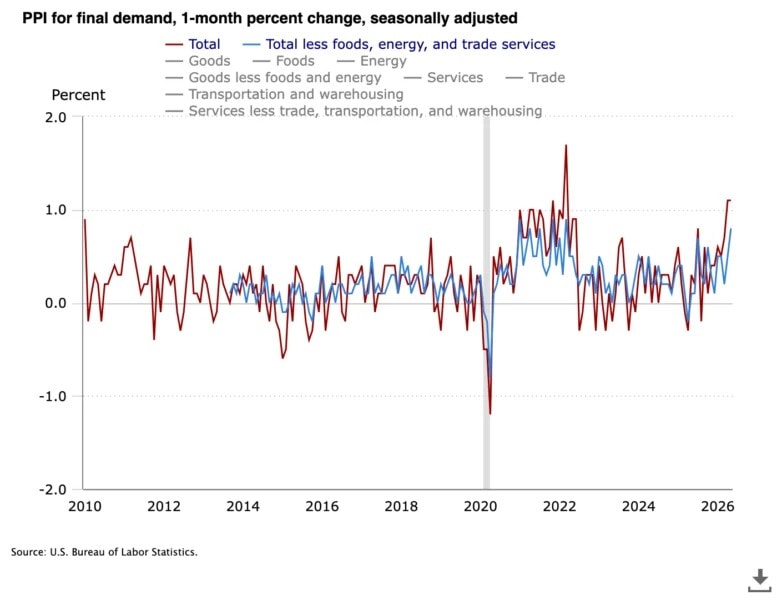
At the same time, investors were digesting fresh inflation data from the United States. The latest Producer Price Index (PPI) showed the strongest annual increase in nearly four years, while Consumer Price Index (CPI) inflation accelerated to 4.2% year-on-year, largely driven by higher energy costs.
Despite these developments, Bitcoin managed to maintain its upward momentum, suggesting resilience in the face of broader market uncertainty. Analysts noted that while geopolitical risks and inflation concerns continue to weigh on investor sentiment, cryptocurrency markets have so far avoided a significant selloff.
Market observers are now closely watching key technical resistance levels. Crypto analyst Michaël van de Poppe identified the $63,300 and $65,800 zones as important breakout points that could pave the way for further gains. If Bitcoin successfully clears these levels, traders expect attention to shift toward unfilled CME futures gaps in the $75,000–$80,000 range.
While geopolitical tensions and inflationary pressures remain significant risks for global markets, Bitcoin’s latest rebound highlights the cryptocurrency’s ability to attract buyers even during periods of heightened uncertainty.


