
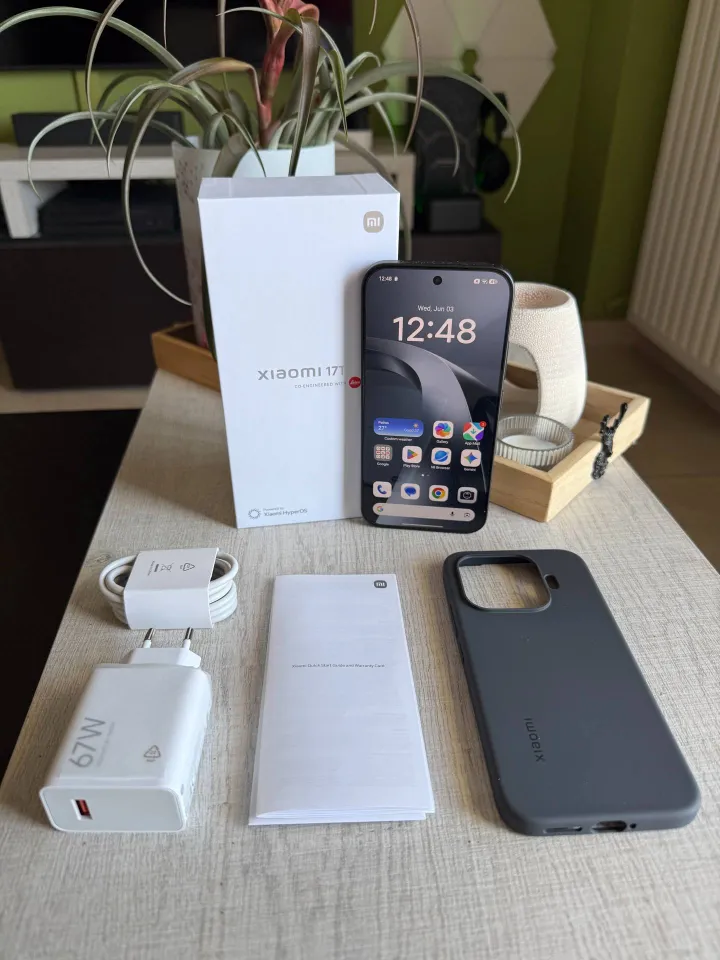
Summary
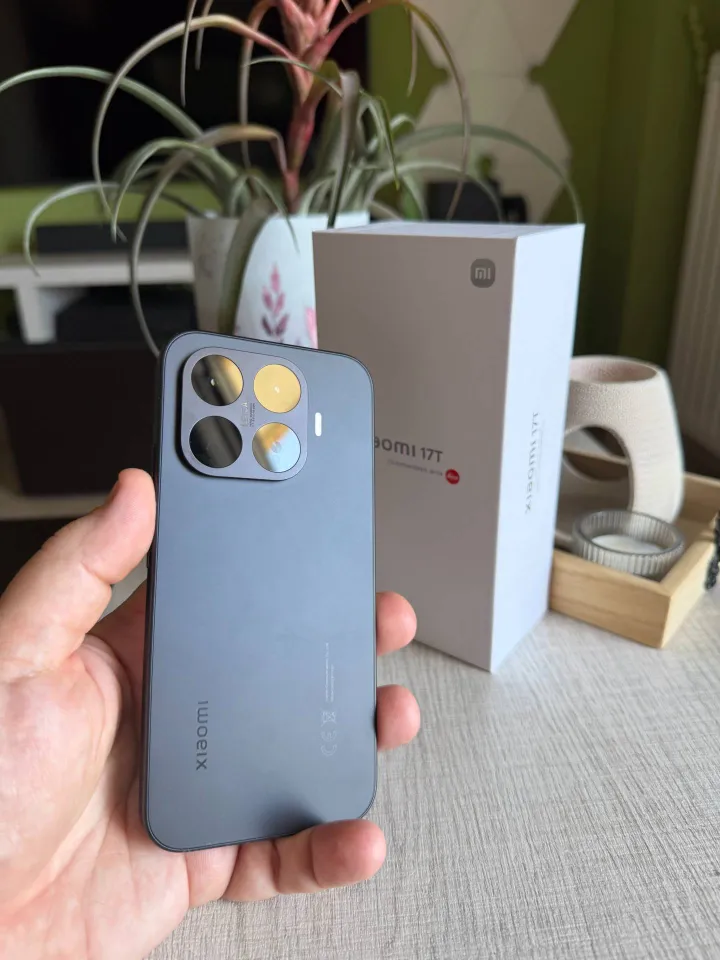
- Design & Build: Looks heavily inspired by the iPhone 16 Pro (my main phone since 2024) with its flat edges and clean camera layout, though a tiny gap between the back glass and plastic frame can trap pocket lint.
- Display Quality: The 6.59-inch 1.5K AMOLED panel gets incredibly bright at 3,500 nits peak, giving you fluid 120Hz motion, though very dark movie scenes can look a bit muddy.
- Performance & Thermals: The MediaTek Dimensity 8500-Ultra chip delivers fantastic flagship-adjacent speed for daily apps and heavy gaming while keeping the phone remarkably cool.
- Leica Camera System: Features a standout 50MP 5x optical telephoto lens that offers excellent reach and authentic colors, though changing the photo shape drops the resolution down to 12.5MP.
- Battery & Charging: Packs a massive 6,500 mAh silicon-carbon battery that easily provides an impressive day-and-a-half of juice, but the 67W charging speed feels slow for this price.
Xiaomi 17T specifications
- 6.59-inch ( 2756 x 1268 pixels) 1.5K OLED display, 144Hz refresh rate, up to 3200Hz / 3500Hz instantaneous sampling rate, Dolby Vision, 3840Hz high-frequency PWM dimming + DC dimming, up to 3500 nits peak brightness, HDR10+, Dolby Vision, Corning Gorilla Glass 7i protection
- 17T – Up to 3.4GHz Octa-Core Dimensity 8500-Ultra 4nm SoC with Arm Mail-G720 MC8 GPU
- 17T Pro – Up to 4.21 GHz Octa-Core Dimensity 9500 3nm SoC with 12-core Mali G1-Ultra GPU and MediaTek NPU 990
- 12GB LPPDDR5X RAM with 256GB / 512GB / 1TB (UFS 4.1) storage
- Dual SIM (nano + nano)
- Xiaomi Hyper OS 3 based on Android 16
- 17T – 50MP main camera, 1/1.55″ Light Fusion 800 sensor, f/1.7 aperture, OIS, 12MP ultra-wide-angle, 50MP 5x periscope telephoto, f/3.0 aperture, OIS, Leica Summilux optical lens, up to 4K 60fps video recording
- 17T Pro – 50MP main camera (Light Fusion 950, 1/1.31″, f/1.67, OIS), 12MP ultra-wide-angle, f/2.2 aperture, 50MP 5x periscope telephoto, f/3.0 aperture, OIS, Leica Summilux optical lens, up to 8K 30fps video recording
- 32MP front-facing camera, 4K 30fps video recording
- In-display fingerprint sensor, Infrared sensor
- USB Type-C audio, Hi-Res audio, Dual speakers, Dolby Atmos
- Dust and water-resistant (IP68)
- Dimensions: 157.6x 75.2×8.17mm; Weight: 200g
- 5G SA/NSA, Dual 4G VoLTE, Wi-Fi 7 802.11 ax, Bluetooth 6.0, GPS: L1+L5Galileo: E1+E5a+E5b | GLONASS: G1 | Beidou | QZSS: L1+L5 | NavIC: L5, NFC, USB Type-C
- 17T – 6500mAh (Typical) battery with 67W HyperCharge
Design and Build Quality
At first glance, you could easily mistake the Xiaomi 17T for one of the recent Pro models from Apple. Sharing almost the same physical footprint and a highly familiar camera square on the back, it brings a clean, modern style that will definitely appeal to fans of the flat-edged look. Our review unit arrived in a bright Violet colorway, which adds a welcome splash of personality and keeps the phone from looking entirely generic on a desk.
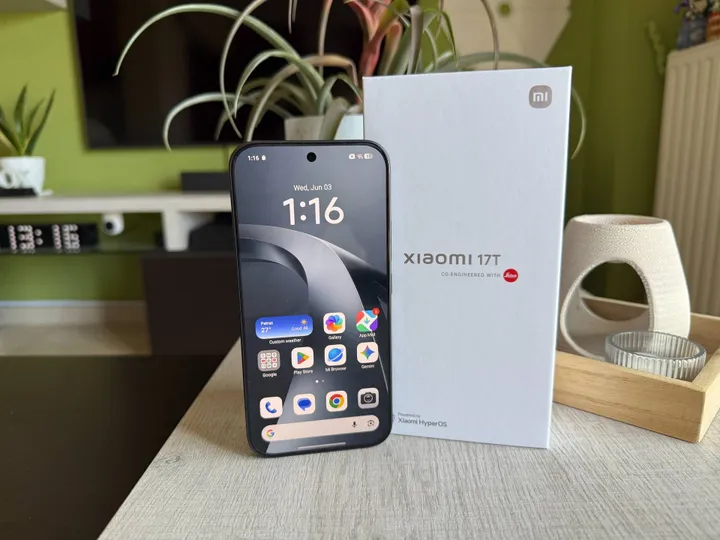
When you first pick the device up, it feels solid and premium in your hand. The smooth texture of the rear glass feels great against your fingers, and you do not have to worry about daily accidents thanks to the full IP68 dust and water resistance rating.
However, if you look a little closer, you can spot exactly where Xiaomi saved some cash. Unlike true top-tier flagships that use a single piece of aluminum or premium metal wraps, the Xiaomi 17T uses a separate glass back panel joined to a colored plastic frame. If you peer closely at the seams, you will notice a tiny but distinct gap running between the two pieces. Over weeks of daily use, this little crevice is bound to trap lint, dust, and pocket debris. It is not a dealbreaker and it does not make the phone feel cheap or flimsy, but it definitely lacks the seamless perfection found on more expensive flagship hardware.
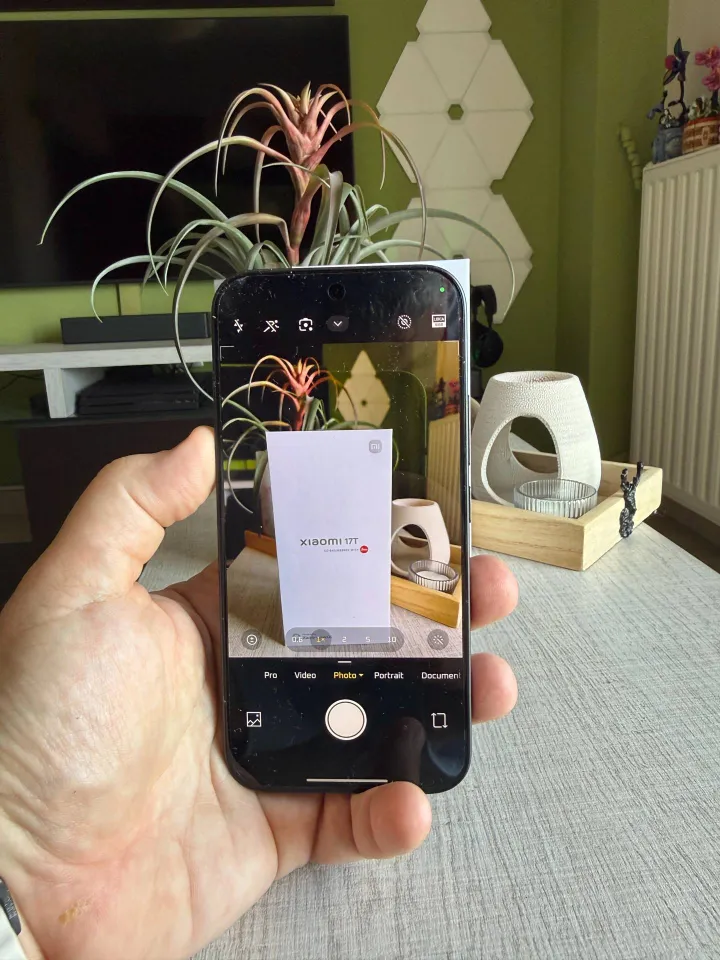
A Bright and Fluid AMOLED Display
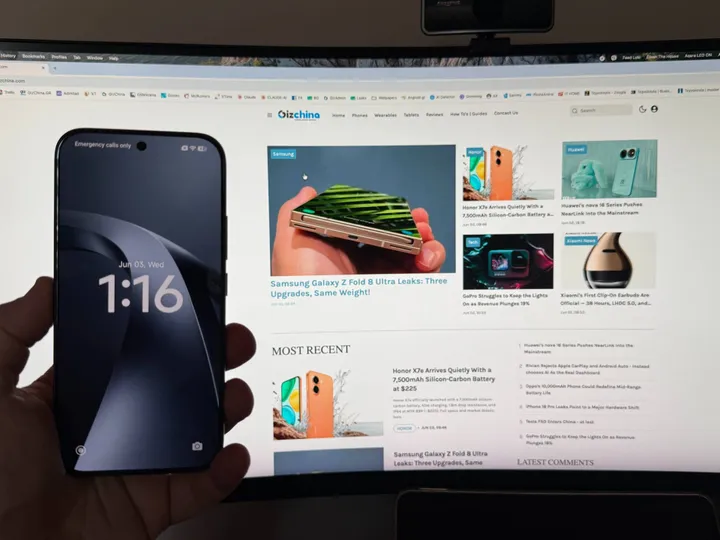
Flip the phone over, and you are greeted by a gorgeous 6.59-inch AMOLED display with a sharp 1.5K resolution. For checking emails, scrolling through social feeds, and watching videos, this screen is an absolute joy. Text looks incredibly crisp, colors are vibrant without looking fake, and the full support for Dolby Vision and HDR10+ ensures that your streaming movies pop exactly the way the directors intended.
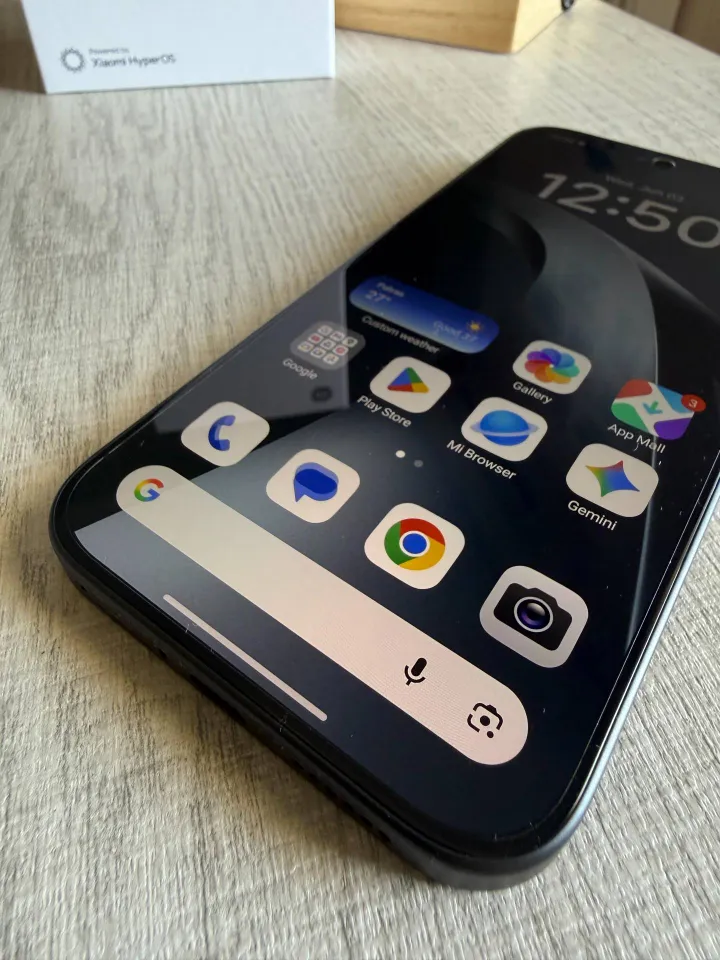
Outdoor visibility is completely flawless. With a rated peak brightness of 3,500 nits, you can stand outside under direct afternoon sunlight and read your messages easily without squinting or blocking the sun with your hand. The 120Hz refresh rate keeps the entire interface moving with fluid grace, making system animations look slick and immediate.
The display has just a couple of minor quirks, though. When you are watching dark cinematic content or viewing low-light photos in a dark room, shades of deep black can look a little too compressed and muddled. This loss of shadow detail makes it tough to see fine textures in dark scenes. Also, while the screen is fast and responsive, the underlying refresh rate logic still needs a bit of tuning, as it occasionally stays stuck in a high-power 120Hz state when a lower, battery-saving refresh rate would work perfectly fine.
Performance, Thermals, and HyperOS
Where the Xiaomi 17T really punches above its weight class is in pure processing power. Driven by the MediaTek Dimensity 8500-Ultra chipset, this phone handles heavy multitasking, split-screen apps, and demanding tools with total ease. Mobile gamers will find plenty to love here, as the phone runs intense 3D titles smoothly without dropping frames or stuttering during heavy action scenes.
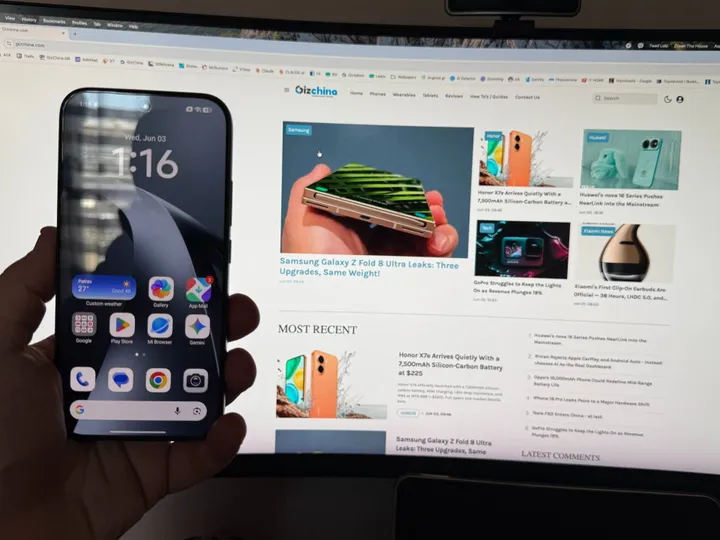
Even more impressive is how the device manages heat. Extended gaming sessions usually turn slim phones into uncomfortable hand-warmers, but the 17T stays remarkably cool to the touch. The internal thermal cooling design is highly effective, stopping aggressive performance drops and keeping your frame rates stable over time. The haptic feedback vibration motors are also tuned nicely, giving typing and system alerts a crisp, satisfying physical thump.
Matching the excellent hardware is HyperOS 3, which runs on top of Android 16. It is a brilliant instance of Android, proving to be fast, highly optimized, and incredibly easy to navigate. The software introduces “Hyper Island,” a contextual shortcut system that sits neatly at the top of the screen to handle background tasks like music playback, active timers, or ongoing calls.
Global versions lean heavily into Google Gemini for their AI features, offering helpful tools like live translation, transcription, and AI writing assistance. Xiaomi has also expanded its connectivity framework, allowing for much smoother cross-device sharing not just with Windows PCs, but also with Apple devices and non-Xiaomi hardware.
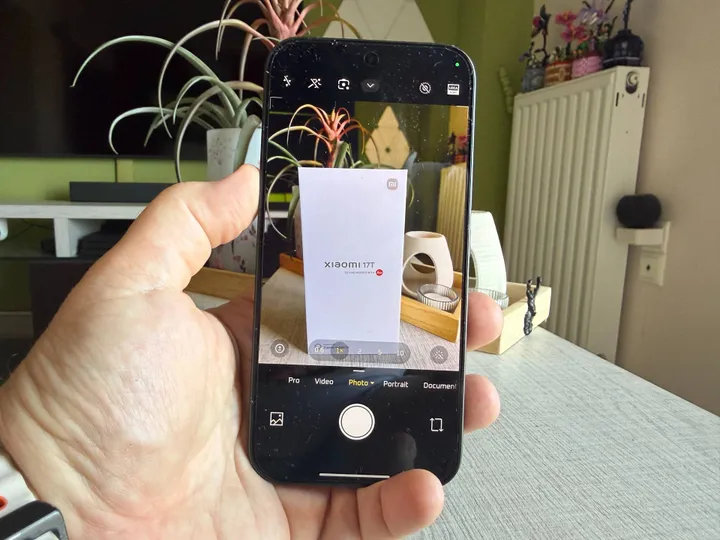
The Leica-Tuned Camera Experience
Xiaomi continues its prestigious partnership with Leica, equipping the 17T with a highly versatile triple-camera array. The main shooter features a large 50MP sensor, flanked by a wide-angle lens and an impressive 50MP 5x optical telephoto lens. Having a true 5x optical zoom at this price point is a massive win, giving you incredible reach and gorgeous natural background blur for close-up portrait shots.
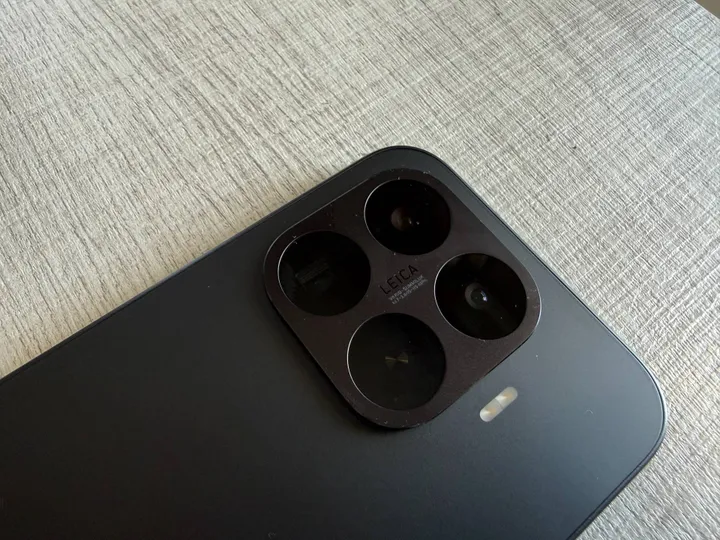
Photos captured with the main and telephoto lenses show impressive detail and excellent color accuracy, especially if you stick to the “Leica Authentic” color profile. This mode successfully avoids the over-processed, hyper-saturated look that ruins so many modern mobile photos. The edge detection on portrait shots is supremely accurate, handling complex outlines like loose hair with ease.
There are, however, a few frustrations for photo enthusiasts. While the main and telephoto sensors are fully capable of 50MP shots, the software drops the resolution down to 12.5MP the moment you switch to any aspect ratio other than the standard 3:4. It is a disappointing limitation that restricts your ability to crop into wide landscape shots later.
Furthermore, the ultra-wide lens lacks autofocus, which cuts out any flexibility for close-up macro shots, and the front selfie camera is a basic fixed-focus unit that just feels average compared to the stellar rear hardware. It is a highly capable camera setup, but it falls just short of matching the absolute best photography flagships on the market.
Battery Life and Charging Speed
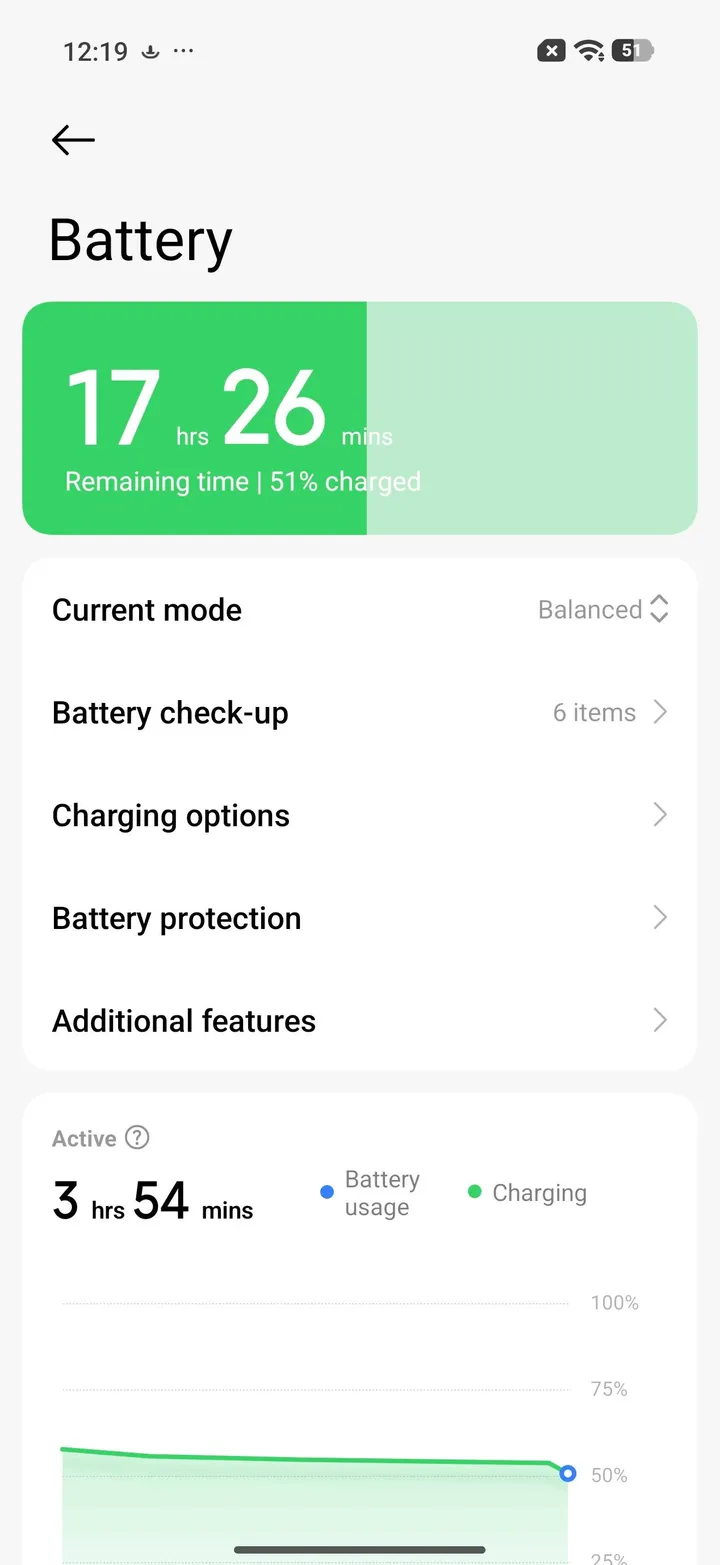
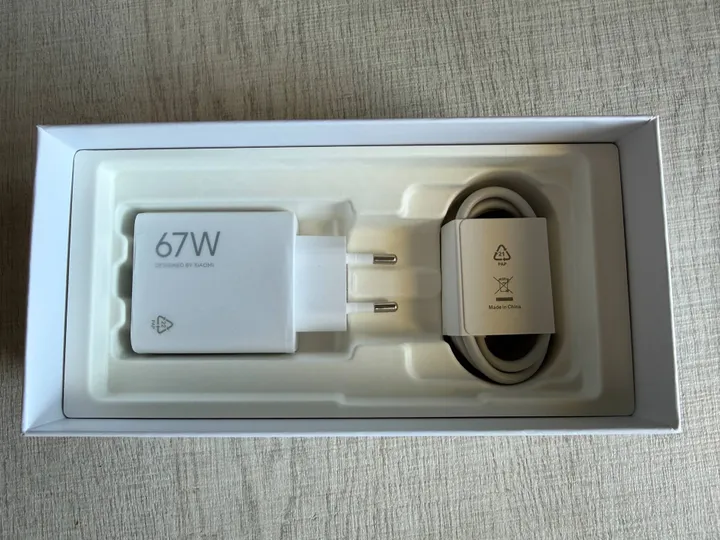
Given that Xiaomi routinely includes 100W or even 120W charging on its cheaper mid-range phones, sticking to 67W here is a tough pill to swallow for a device costing €750. You will also have to deal with a legacy USB 2.0 port for data transfers, which makes backing up large video files to your computer a slow process.
Value and Final Verdict


