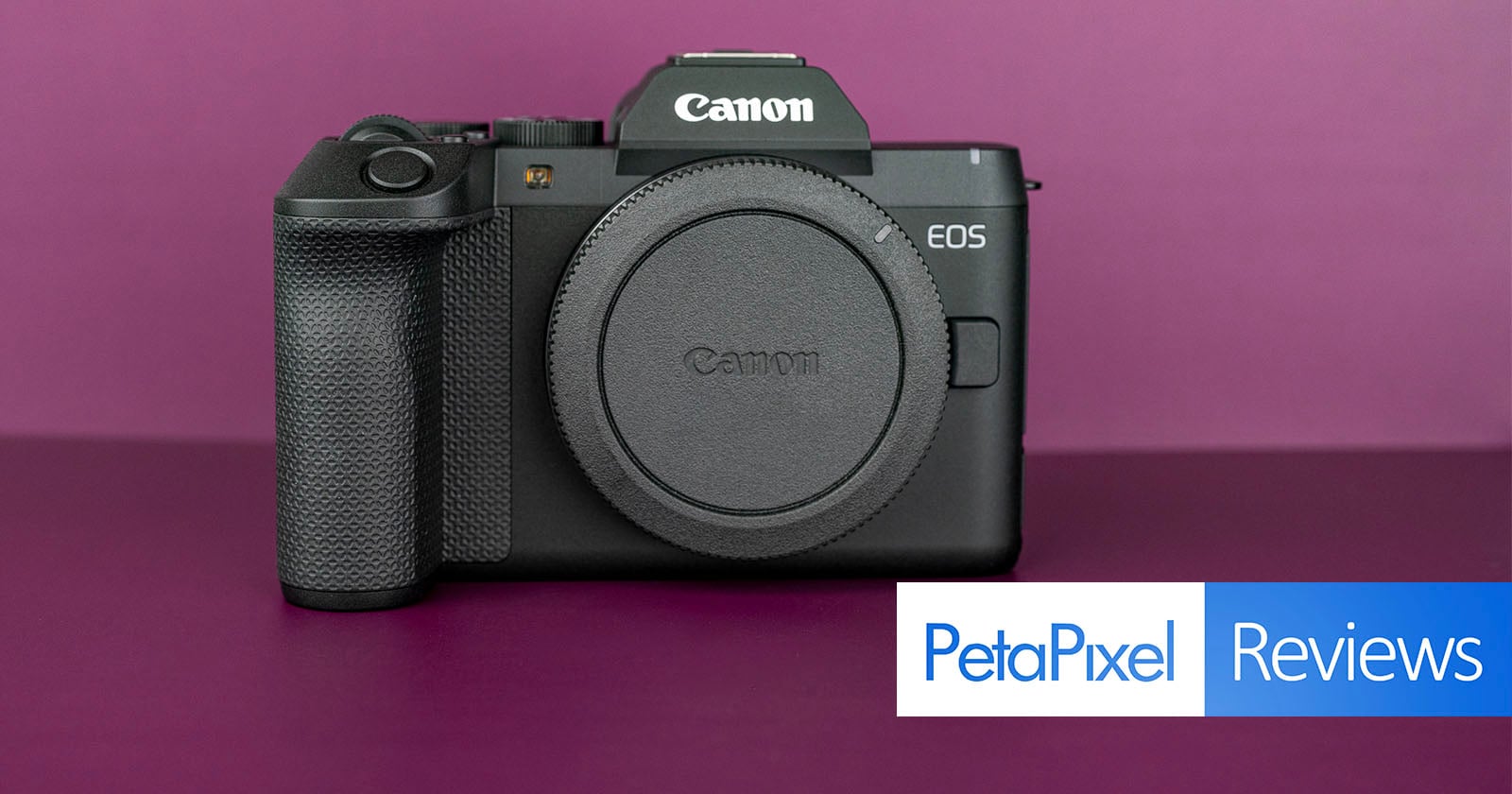
The Canon EOS R8 Mark II has arrived, and it looks a lot different than its predecessor. Despite its bold new angular design, though, the R8 II has the same vibes as the original R8, and that’s a very good thing.

The EOS R8 II never really feels like a compromise, even if, in some ways, it is.
Pros
- Advanced controls and a good grip
- New Color Filters add a lot variety
- Capable and reliable autofocus
- Finally, in-body image stabilization
- Beginner-friendly modes
- Powerful video suite for any skill level
Cons
- The new styling isn’t for everyone
- Battery life is not very good, especially in video mode
- Screens could be better
When the Canon EOS R8 launched in early 2023, it quickly became Canon’s best full-frame mirrorless camera for beginners. It puts many of the best parts of the great EOS R6 II into a smaller, cheaper body. For many photographers, that’s more than enough.
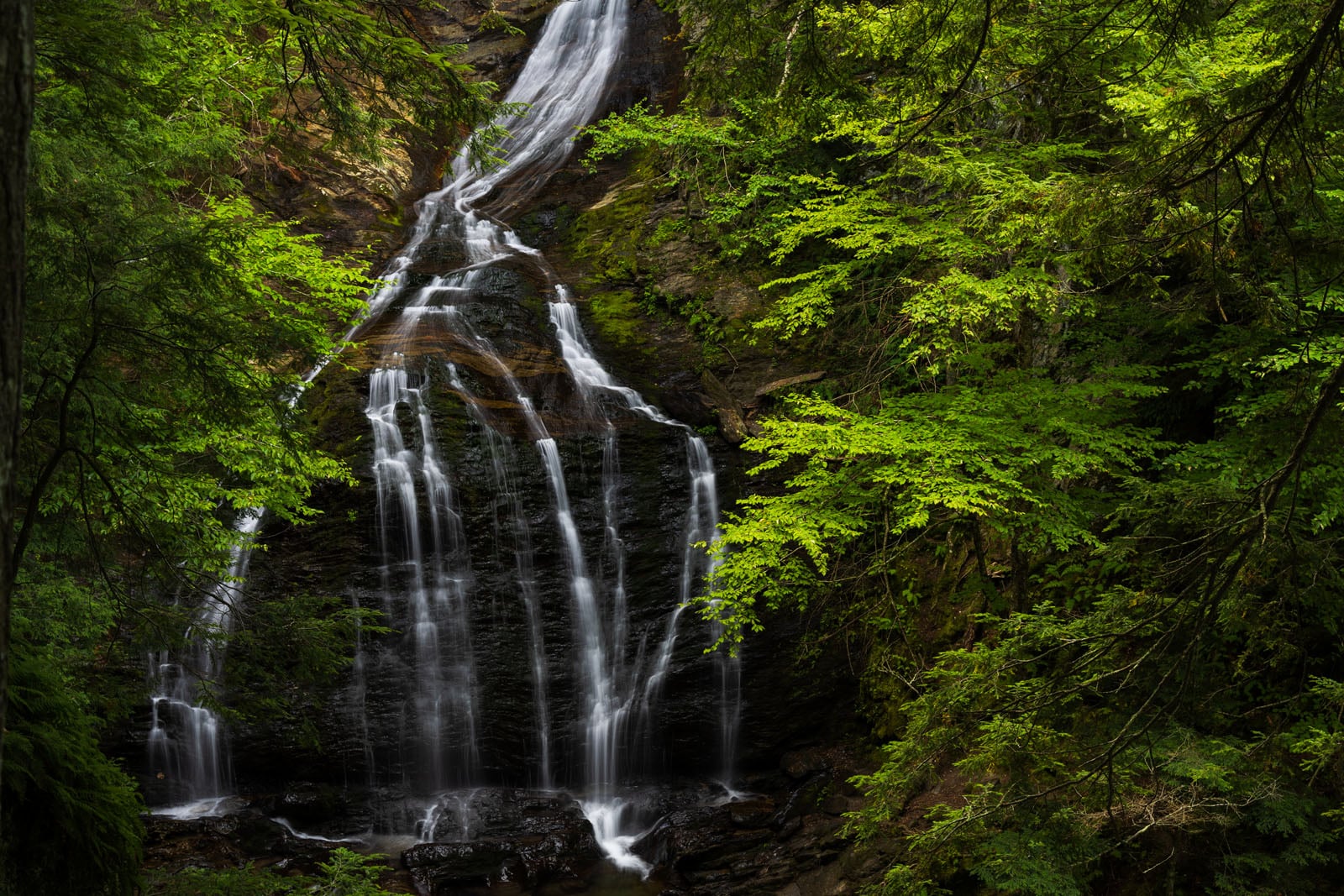
I am happy to report that even now in the latter half of 2026, the R6 II’s imaging pipeline inside a relatively compact, lightweight body is still an attractive proposition. Better still, it has meaningful improvements that make the R8 II a much more pleasant camera to use than its predecessor.
Canon EOS R8 II Design and Handling: I Love It but You Might Not
We’re kicking things off with a bang because nothing about the Canon R8 II will ruffle more feathers than its appearance.
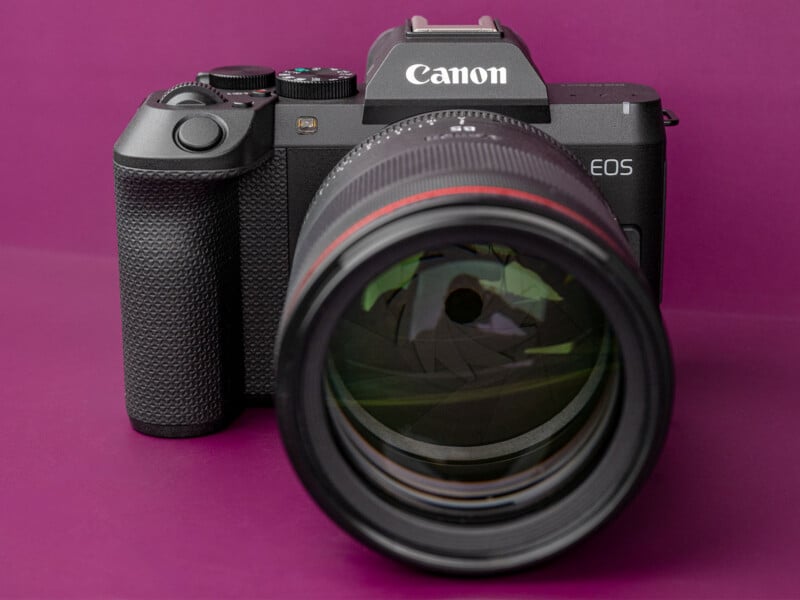
While the original R8 basically looks like any other Canon EOS R-series camera, which isn’t a bad thing, the R8 II is a significant aesthetic departure. In fact, I can’t think of another “sequel camera” that looks less like its predecessor than the R8 II. It has a very square, angular appearance that stands in stark contrast to Canon’s typical rounded, smooth styling.
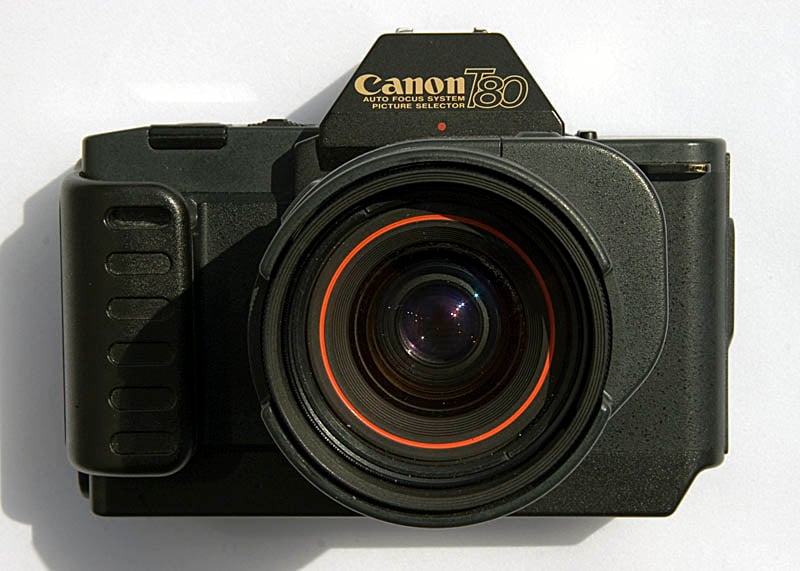
In some key ways, the R8 II harks back to the Canon T80 SLR from 1985, Canon’s first AF-equipped 35mm SLR. Both cameras are very squared-off with a prominent, angular viewfinder prism, although of course there’s no prism on the mirrorless R8 II.
For Canon’s part, it says the R8 II is more like 1987’s EOS 650, the first Canon EOS camera and one that was celebrated to mark the company’s 50th anniversary. This similarity is especially true when the R8 II’s optional extension grip is installed.
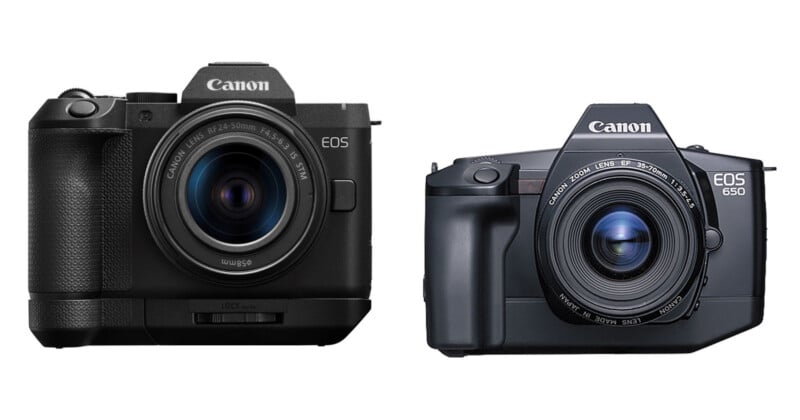
I’ve seen some Canon R8 II leaks leading up to the big reveal, and the loudest comments about the camera’s design are negative. While that’s not necessarily unusual for online discourse, I think it speaks to how dramatically different the R8 II looks. I’m not surprised people don’t like the look.
But I do. I like it a lot.
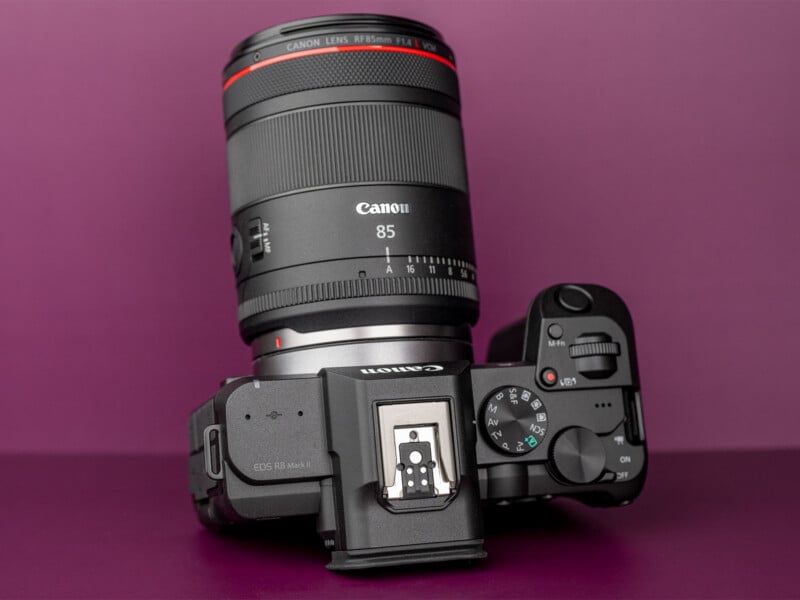
I think the Canon R8 II is one of the best-looking mirrorless cameras Canon has made yet. Even if I didn’t like the style, though, I’d applaud Canon for taking a chance. I hope the company does it more often.
How the Canon R8 II feels will be much less polarizing, though. It feels a lot like other Canon mirrorless cameras when you’re actually using it. It has the dials and controls I want in the places I expect them to be.
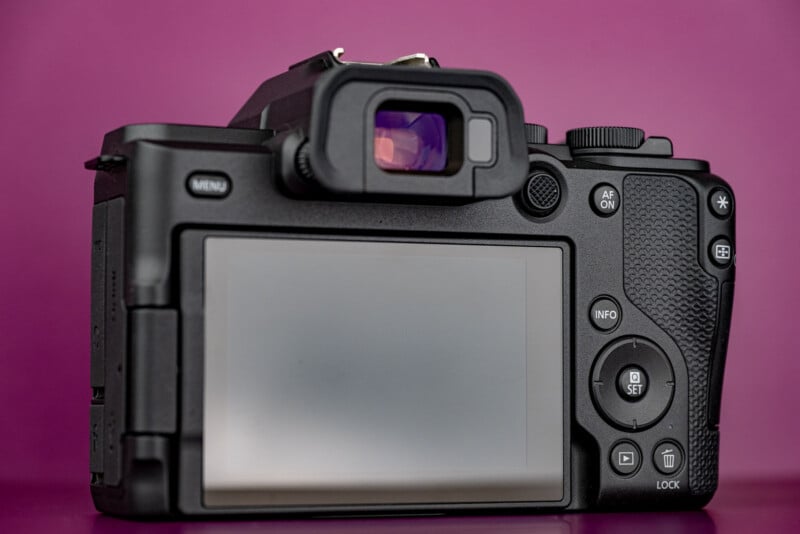
Despite being aimed at entry-level users, which can sometimes mean no autofocus selector joystick, the R8 II thankfully has one. The original R8 did not. In my view, that improvement alone more than makes up for whatever aspects of the camera’s outward appearance people may dislike.
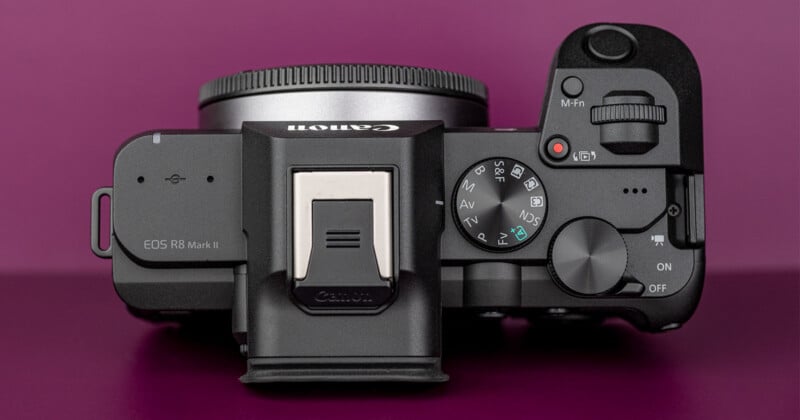
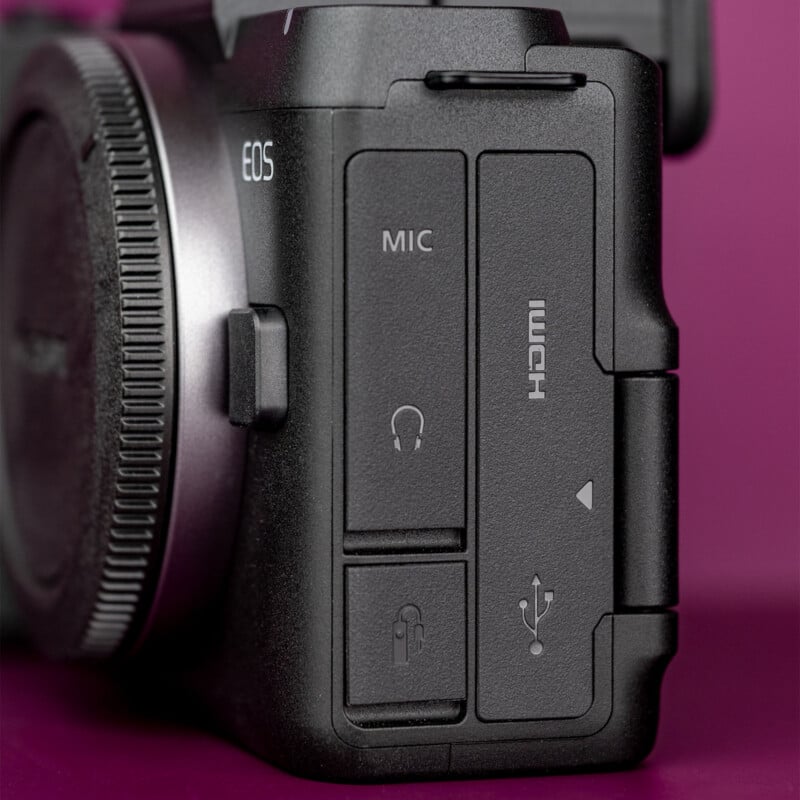
The R8 II’s control layout is otherwise the same as the R8, with one notable exception. The original R8 has a switch on the left side of its top deck to swap between stills and video mode. The R8 II moves this function to the power switch. It’s a perfectly fine change.
The R8 II has the same displays as its predecessor. It has the same 2.36-million-dot EVF and the same 3-inch vari-angle display with 1.62 million dots. This is slightly disappointing, although not entirely unsurprising. The EVF is fine, and I don’t have any particular issue with it, but the rear tilting screen is a bit dim and challenging to use in bright light.
Alongside the R8 II, Canon is also releasing a new extension grip. It’s an $99.99 add-on that doesn’t include additional power but gives photographers a bit more to hold onto. It provides access to the bottom battery door — the single UHS-II SD card slot has been moved to the side of the camera, by the way. I tested the R8 II with the extension grip, and I’m a big fan. It adds a lot more comfort without making the camera overly bulky or heavy. That said, the R8 II without the extra grip is still plenty comfortable.
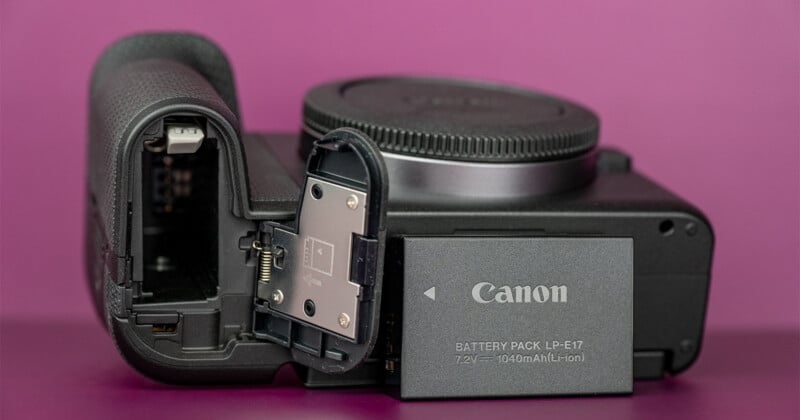
The R8 II is a bit heavier than its predecessor, but remains a relatively compact full-frame mirrorless interchangeable lens camera. It’s about 131.4 x 90 x 79.7 millimeters (5.17 x 3.54 x 3.13 inches) and weighs 546 grams (1.2 pounds). The original R8 is 132.5 x 86.1 x 70mm (5.21 x 3.38 x 2.75 in.) and weighs 461 grams (just over a pound).
However, that extra size and weight come with a big bonus: in-body image stabilization (IBIS). This is a big addition compared to the original R8 and makes the R8 II a significantly better all-around camera.
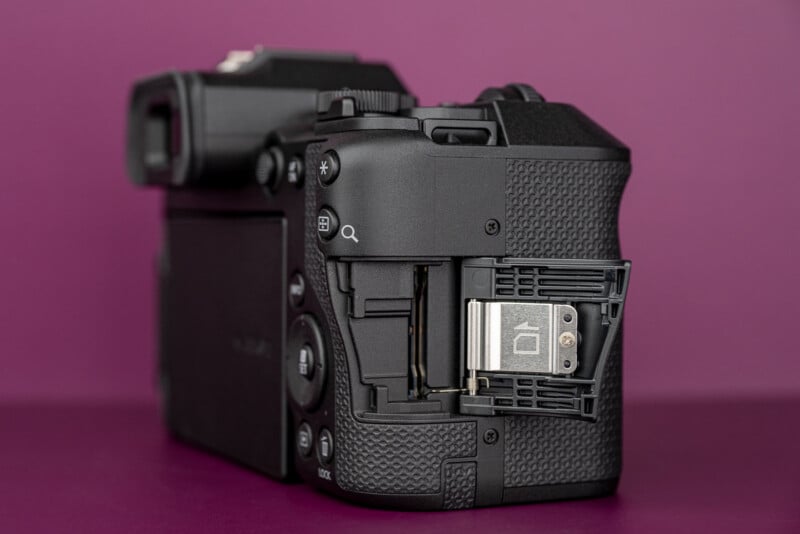
Overall, the Canon EOS R8 II is a well-designed, enjoyable-to-use camera. While I really like the look of it, I understand why some people won’t. But everyone should agree that the R8 II has the right Canon feel, and that the AF joystick and the addition of IBIS are undeniable improvements.
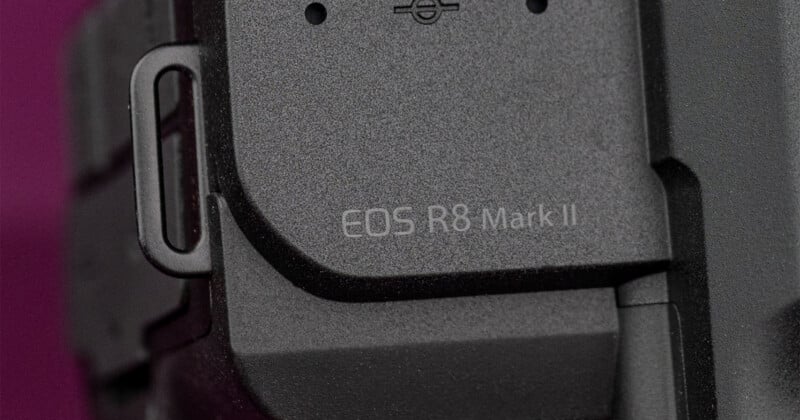
Canon EOS R8 II Review: How It Shoots
The Canon EOS R8 II isn’t just a nice camera to use because of its design and handling; it’s also a nice camera to use because it takes great photos.
Image Quality
Unfortunately, because the R8 II I used is a “pre-production model,” I cannot fully analyze its image quality, despite its firmware being 1.00. No pixel-peeping here.

On the plus side, it has the same 24.2-megapixel full-frame image sensor as the R8 and the R6 II, which means two things. One, the R8 II’s image quality is predictably good. Two, I know what to expect and have no qualms about drawing conclusions.


At base ISO (100), the R8 II is a competent full-frame camera that captures sharp photos with strong dynamic range and color. Although, like its predecessor, the R8 II lacks a mechanical shutter, it still has an electronic first-curtain shutter (EFCS). This allows it to avoid the dynamic range pitfalls of a fully electronic shutter, at least in normal use cases.
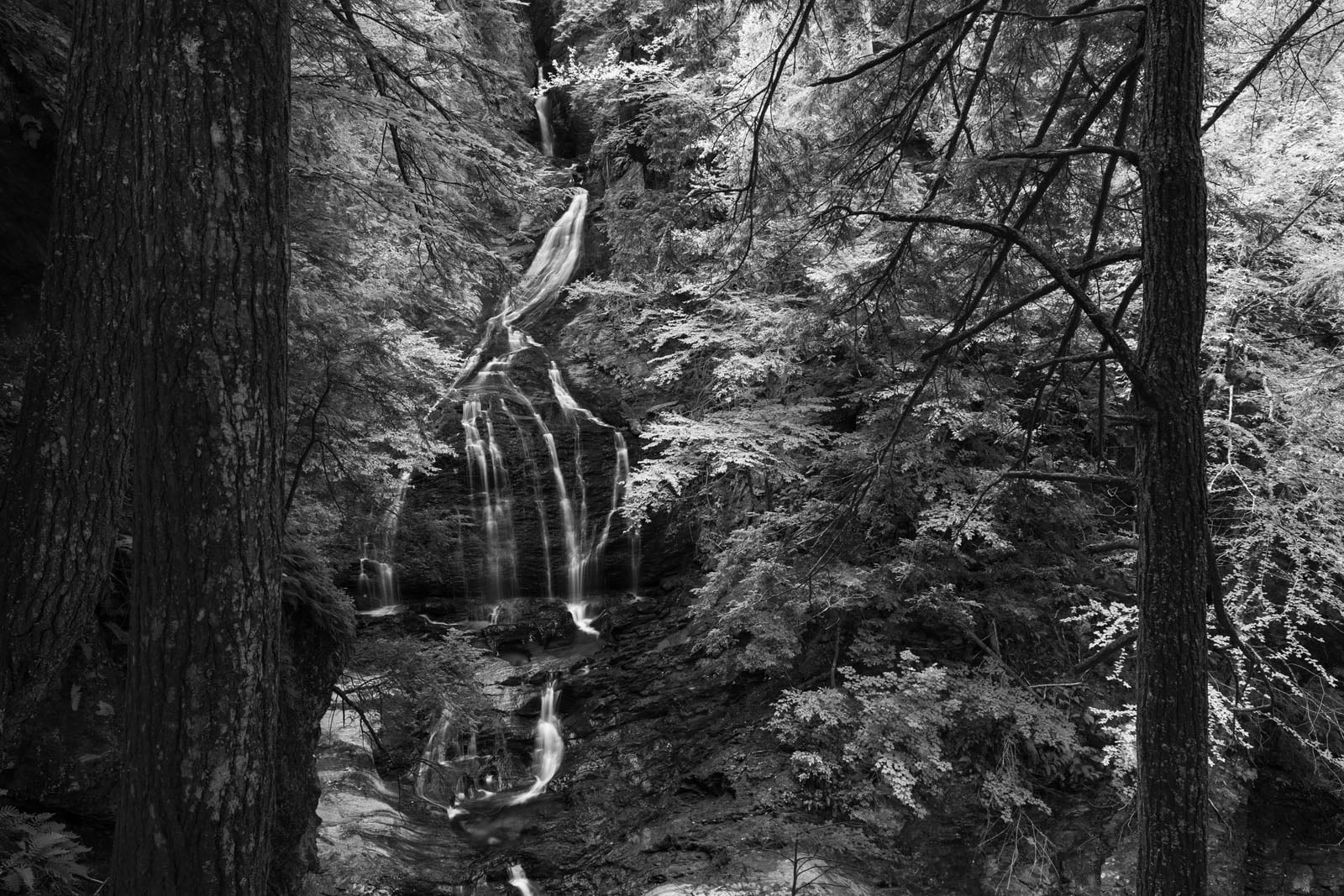
Yes, EFCS can distort and clip bokeh near the edges of the frame. However, it’s a minor issue, and I didn’t personally encounter it during my time with the camera. My colleague Chris Niccolls has an example of the potential problem in the video review at the top, but we agree that it’s a pretty small concern in the grand scheme of things.
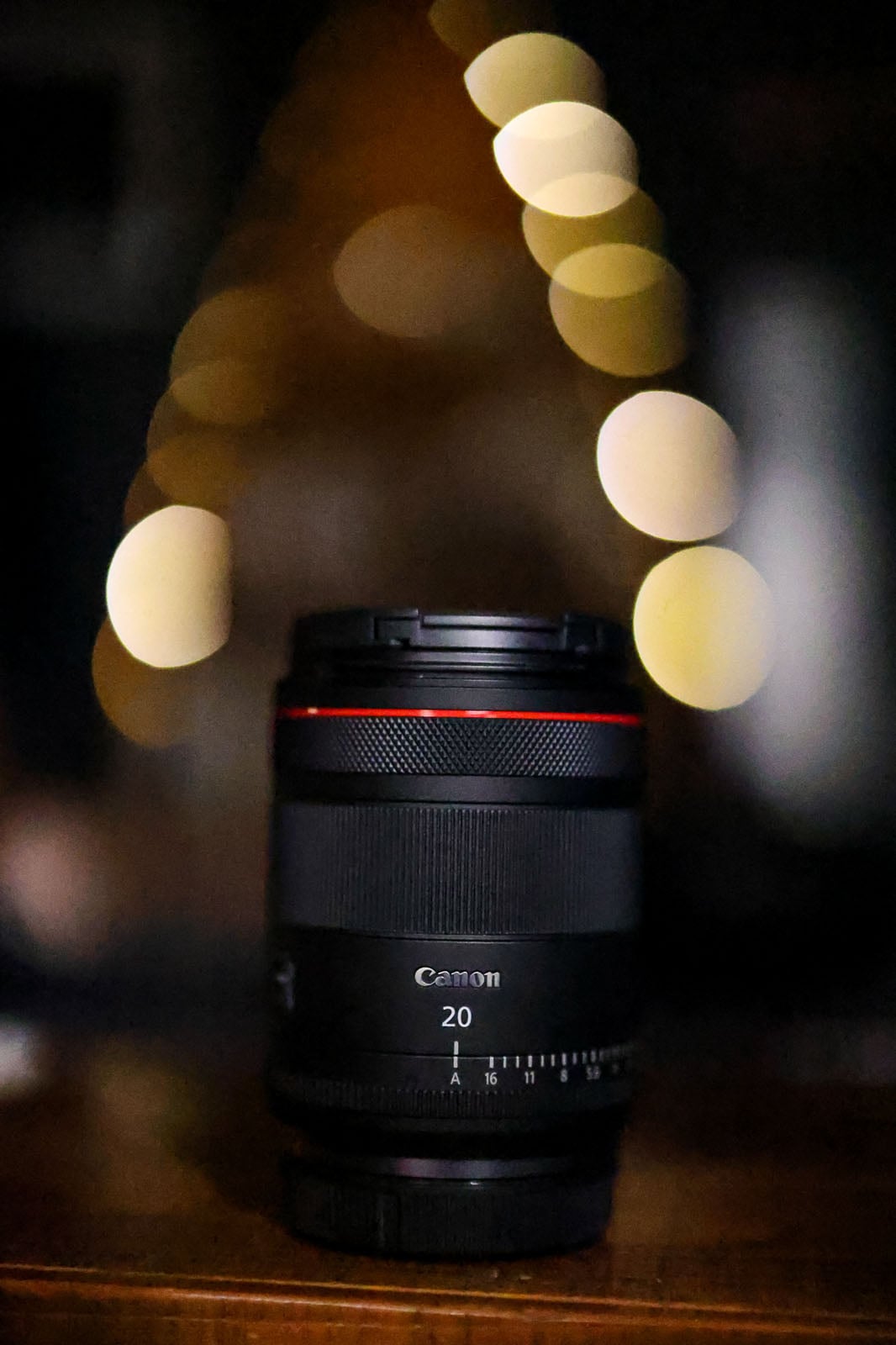
As you increase the ISO, which goes all the way to 102,400 for whatever reason, image quality remains good. I am very happy with the grain at ISO 3200, for example, and find it to be fine and consistent enough to be more pleasing to the eye than distracting.
Admittedly, the R8 II’s image quality isn’t particularly exciting. Part of that comes from its predictability and lack of novelty. The R6 III’s interesting new 33-megapixel sensor didn’t make the jump, so we get something we have seen a few times already.

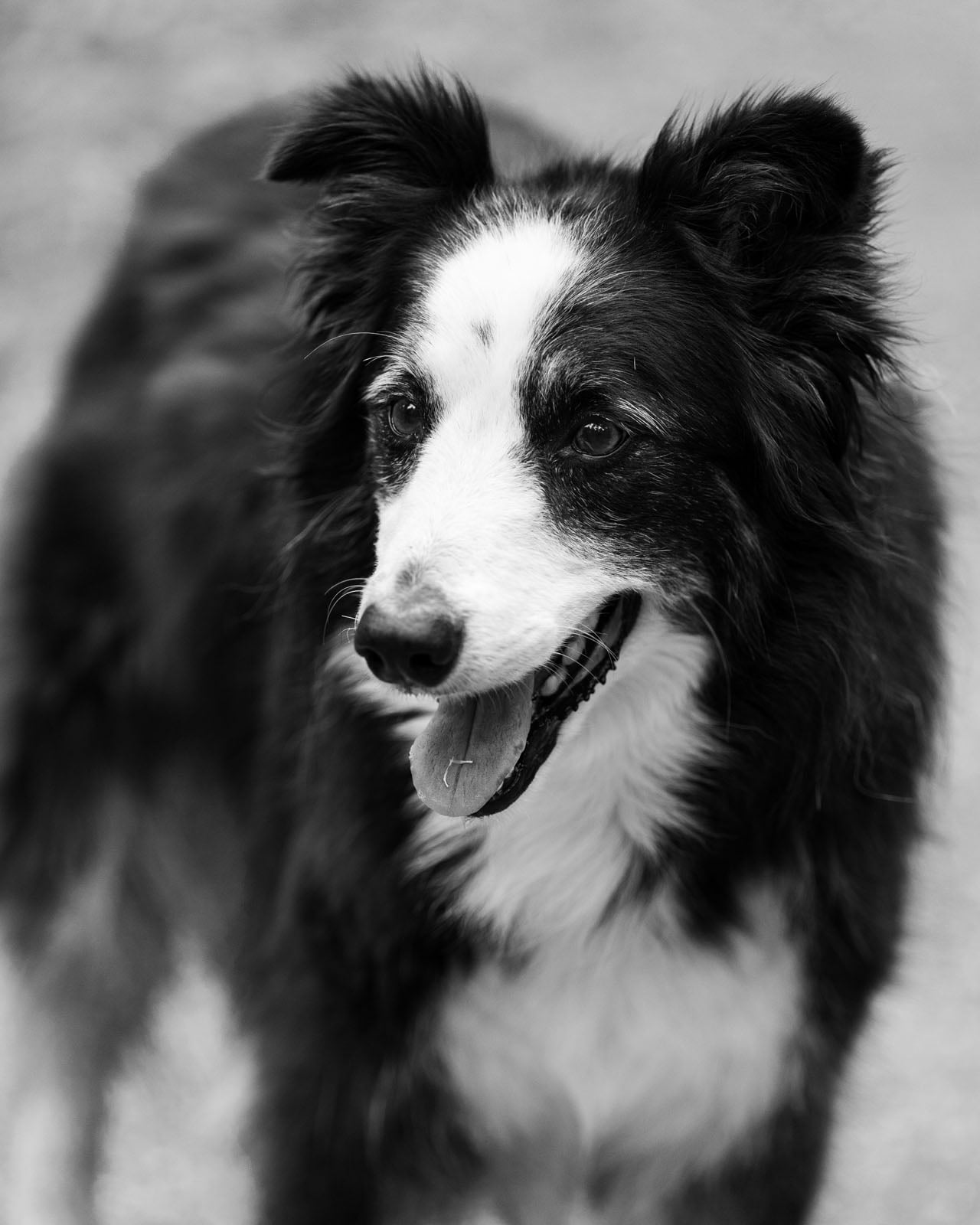
But it would be a mistake to confuse boring with bad. The Canon R8 II can take high-quality RAW photos, with plenty of post-processing flexibility and enough resolution for most users.
What if you don’t want to mess with RAW files, though? Well, good news: there’s something different here. The R8 II has 16 easy-to-use Color Filters for JPEG photos, including options like Negative Filmtone, Positive Filmtone, and 14 more. These are not my cup of tea, but Chris Niccolls tried them all for your viewing pleasure.
Performance
The R8 II has many features designed to make photography accessible and easy for new photographers, especially those coming from smartphones or point-and-shoots. These features aren’t for me, but I am glad they exist. Photography should be fun, and part of that is having beginner-friendly features while still giving everyone the creative freedom they want once they have the basics under their belts. The R8 II is easy to pick up but not dumbed down. That’s how most cameras should be, in my view.

Returning the R8 II’s shutters. So the EFCS avoids the dynamic range issues of a fully electronic shutter, but a big part of the R8 II’s new feature set is its better continuous shooting. The R8 II, like the R8, shoots at up to 40 frames per second using its electronic shutter. However, this time, the camera can capture about 30% more RAW photos or nearly 60% more JPEGs than the R8. That’s great. The electronic shutter does incur a dynamic range hit, but it’s a relatively small price to pay for more speed.
The R8 II also has Pre-Continuous Shooting in its fastest 40 FPS shooting mode, which is a really nice feature for wildlife and sports photographers. This isn’t new, but it’s still great.

Autofocus
The R8 II features Canon’s excellent Dual Pixel CMOS AF II system. It has 100% autofocus area coverage and offers improved algorithm performance compared to the Dual Pixel CMOS AF system inside the original R8.
There is really nothing to complain about here. The R8 II’s autofocus performs reliably well across a wide range of scenarios. It offers AI-powered subject detection for people, animals, and vehicles. In my experience, the autofocus did a great job of identifying the correct subject and tracking it across the frame.

Usability
Adding in-body image stabilization is a huge win for the R8 II’s overall usability. This alone makes it a worthwhile upgrade over its predecessor for many situations. Being able to more confidently shoot at slower shutter speeds is great, and the IBIS helps keep things steady through the viewfinder, especially with longer lenses.
It’s not all sunshine and rainbows, though. The R8 II still sticks with the same small LP-E17 battery as its predecessor. Canon says battery life is better now thanks to a more efficient processor, and that may very well be true, but the battery is still bad. If you’re going to be out with the R8 II all day, I’d really recommend keeping a second battery handy.

Canon EOS R8 II Review: Big Video Improvements
The Canon EOS R8 II brings a heavy plate of video capability to the competitive table.
Amongst a field of fierce competitors, the R8 II gives burgeoning videographers a pathway to more advanced capabilities. Although the R8 II’s sensor is showing its age, it scans relatively quickly, which helps control rolling-shutter issues and enables more advanced recording modes.
A great example is its ability to record oversampled 4K video up to 60 frames per second without any crop. If you want to try your hand at slow-motion video, the R8 II can shoot 1080p at 180 frames per second, and it will even record audio.
You can also grade footage from the R8 II, with high dynamic range thanks to the C-Log 3 profile.
Including IBIS will really help with handheld stability during video, but the benefits don’t end there. Canon also offers dynamic digital stabilization modes to help keep things steady. With a bit of a crop factor, Canon can digitally stabilize the footage, which largely eliminates the shifting or wobbling you would otherwise see at the edges of the frame.
Not everything is ideal, though, as we lose sight of the histogram as soon as recording starts, making it hard to meter properly. Canon also markets a Cinema View feature, but it is simply a crop into a classic 2.35:1 aspect ratio, and you can always do that in editing. Worse yet, you lose the ability to use Cinema View with the Log profile, which makes its usefulness dubious at best.
The Canon EOS R8 II brings some much-needed video updates, and anyone looking for a strong hybrid photo and video contender will find plenty to love in the new R8 II. If you want to get started in videography, you can apply the new Color Filters to your recordings, and the autofocus improvements and IBIS will make the process more enjoyable. The R8 II is an affordable yet powerful video platform.
Canon EOS R8 II Review: This Camera Grows With You
The Canon EOS R8 II doesn’t fully encroach on the R6 III’s territory. It’s not quite as powerful or as advanced. It doesn’t have the new 33-megapixel sensor, a fully mechanical shutter, or all the same photo or video features.
However, the R8 II gets most of the way there and checks the boxes that matter most for photographers buying their first full-frame camera.
Importantly, the EOS R8 II never really feels like a compromise, even if, in some ways, it is. It doesn’t feel like a camera that will ever truly hold back most users. It’s approachable and easy to use, but it still has relatively advanced controls and the creative freedom for photographers who want it. The EOS R8 II will grow with you for a while. I think this is exactly what an entry-level camera should do.
Are There Alternatives?
The original Canon EOS R8 remains available and is currently just $1,349. However, as good a deal as that is, I think most photographers interested in the R8 should save up for the $1,899 R8 II instead. It’s just a lot better.
For those who don’t necessarily need a full-frame Canon mirrorless camera, the R7 is a very good APS-C model with a lot of high-end features. It’s a bit long in the tooth, though.
If you are looking for an affordable, capable full-frame mirrorless camera and don’t have lenses or brand loyalty, it’s hard not to consider the Nikon Z5 II. It’s an excellent camera that offers the same blend of advanced controls, capabilities, and affordability as the EOS R8 II. The Z5 II is currently $1,596 thanks to a $250 instant savings.
Sony’s older a7 IV is a good choice, too, if you can find it on sale. As of writing, it’s $2,000 after a $500 discount. It has a 33-megapixel sensor and a lot of enthusiast-level features. Plenty of photographers have successfully used the a7 IV for legitimate professional work.
The Panasonic Lumix S5 II is a $1,900 full-frame L-Mount camera with a lot of great video features. Hybrid creators may want to take a long look at the S5 II in this general price range.
Should You Buy It?
Yes. The Canon EOS R8 II may have a polarizing look, but nothing about its features or performance should prove controversial. It’s a highly capable, accessible full-frame mirrorless camera that takes meaningful strides over its predecessor.
Image creditsProduct photos by Erin Thomson for PetaPixel.
Additional reporting by Chris Niccolls
Affiliate Disclosure PetaPixel articles may include affiliate links; we may earn a commission if you buy through one.


