Sustainability conversations tend to gravitate toward climate targets, renewable energy, and breakthrough technology. Those efforts matter. But some of the most meaningful environmental progress starts somewhere far less glamorous: making sure the resources we already have don’t get thrown away after a single use. In a circular economy, the real question isn’t what we consume. It’s what happens the moment we’re done with it. That answer decides whether a material becomes waste or becomes part of what comes next.
For Pakistan, where rising urbanization and consumption are straining waste systems, this shift in thinking carries real weight. The challenge isn’t just producing recyclable materials but building systems that can recover them, recycle them, and put them back into reuse. A circular ecosystem willing to give used materials a second life.
Tetra Pak has been working to strengthen the recovery and recycling of Used Beverage Cartons (UBCs), demonstrating how partnerships, technology, and community engagement can transform waste into a valuable resource. The company has spent years strengthening Pakistan’s UBC collection and recycling ecosystem, connecting consumers, waste collectors, recyclers, and industry into a single working chain. A key part of this effort is the company’s partnership with Bulleh Shah Packaging (BSP), which is reactivating existing collection hubs, bringing new stakeholders on board, and expanding recovery through dedicated UBC champions working directly in communities.
What sets this initiative apart is its digital traceability. Traditionally, recyclable waste enters the collection stream with little visibility regarding its movement or final destination. Tetra Pak’s model introduces a digitally enabled tracking mechanism that transforms used cartons into traceable assets, creating greater transparency, accountability, and confidence throughout the recycling process. By making collection data measurable and verifiable, the model helps establish a more structured and commercially viable recycling value chain.
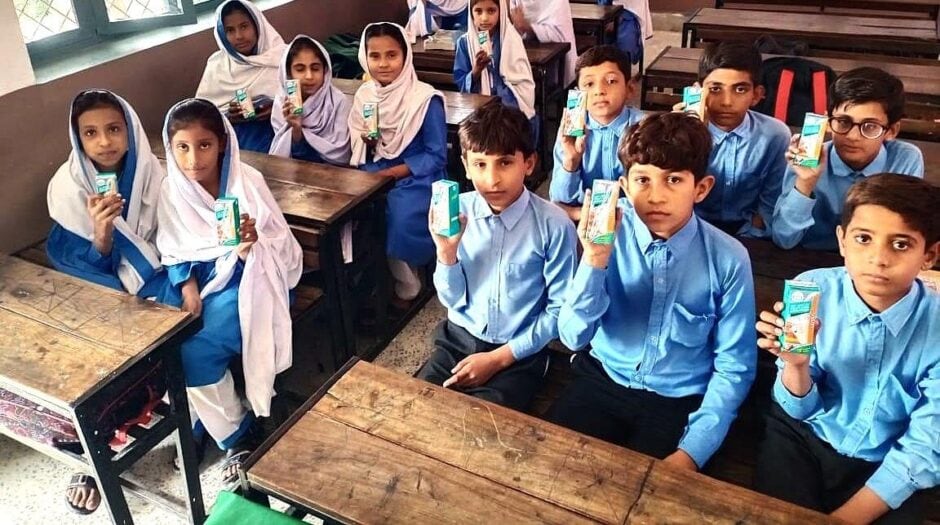
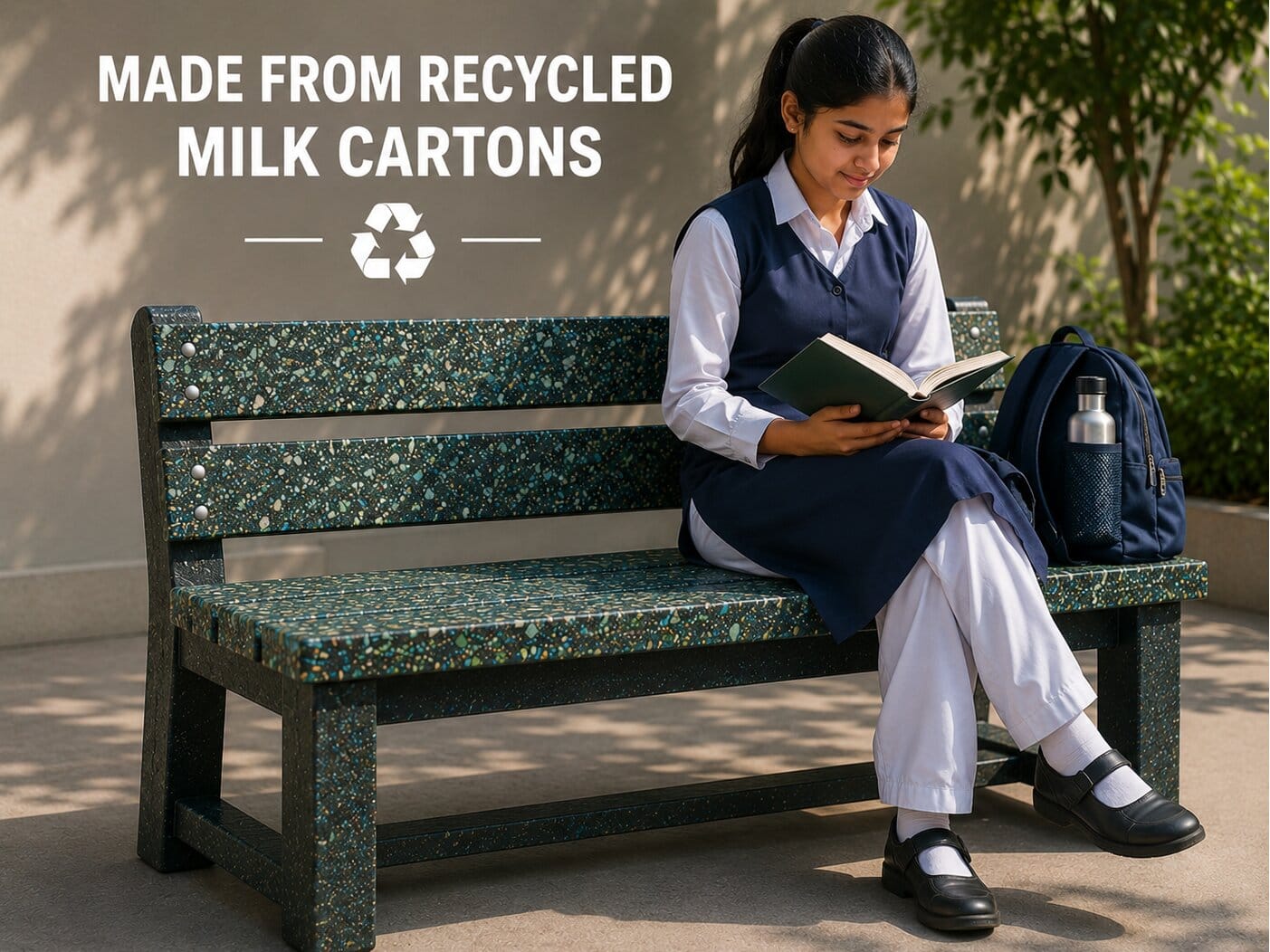
The use of carton milk in the Punjab government’s ongoing School Meal Program is another good example of how the use of fully recyclable milk packaging is being supported by a structured system for collection and recycling. Instead of becoming waste, the used cartons are being recovered in real time and repurposed into practical products such as school benches and notebooks, which are then donated back to the same schools. This “use–collect–recycle–reuse” model not only reduces environmental waste but also creates visible value from materials that would otherwise be discarded. It also helps students understand sustainability in a practical way, by connecting everyday consumption with environmental responsibility and resource recovery.
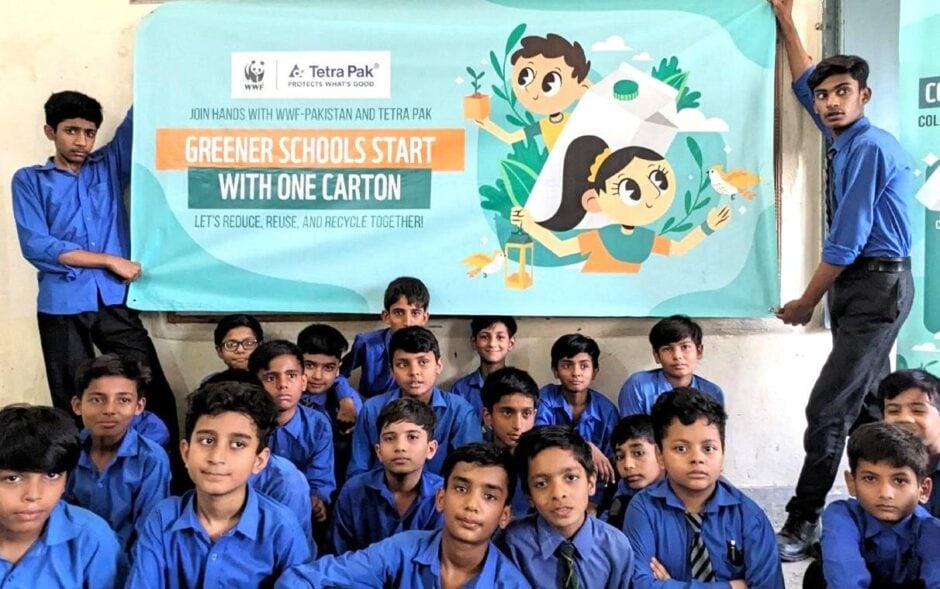
To help foster a culture of recycling among younger generations, Tetra Pak also partnered with WWF-Pakistan on a nationwide recycling awareness and collection initiative in schools, running interactive sessions on waste management and environmental stewardship across Karachi, Lahore, Islamabad, Rawalpindi and Wah. By the end of 2025, the programme had reached more than 7,500 students across 58 schools, helping translate environmental awareness into practical action. The results extended beyond the classroom. Participating schools collectively recovered more than 1,159 kilograms of used beverage cartons, equivalent to over 81,000 cartons diverted from the waste stream and directed toward recycling. Just as importantly, the initiative demonstrated how awareness, when combined with accessible collection mechanisms, can generate measurable environmental outcomes while empowering young people to become active participants in sustainability efforts.
These achievements reflect a broader shift in how packaging waste is viewed. In a circular economy, materials are not seen as disposable; they are resources that can be recovered, recycled, and reintroduced into productive use. Effective collection systems therefore become the foundation upon which recycling success is built.
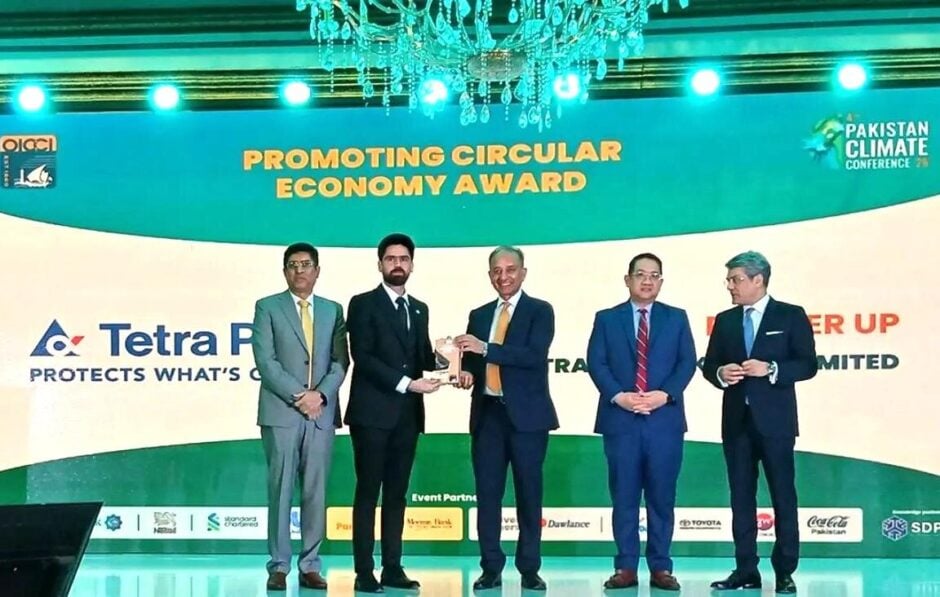
The impact of Tetra Pak’s efforts has not gone unnoticed. Earlier this year, the company received the OICCI Climate Excellence Award 2026 for its digitally enabled and traceable carton collection network. The recognition highlights the growing importance of innovative recycling models that combine environmental impact with transparency, accountability, and scalability. More importantly, it reinforces a lesson that is increasingly relevant for Pakistan’s sustainability journey: Meaningful environmental progress requires collaboration. No single organization can build a circular economy alone. Success depends on businesses, recyclers, educational institutions, civil society organizations, and consumers working toward a shared objective.


